Kuelewa Kasoro za Mashabiki wa Mhimili



Kasoro za mashabiki ya axial ni hitilafu maalum kwa mashabiki wa mtiririko wa mhimili, ambapo hewa husogea sambamba na mhimili kupitia sehemu inayofanana na propela rota. Zinajumuisha makosa ya pembe ya mzunguko wa mzinga, udhalilishaji wa pengo la ncha, fatigue na kupasuka, kushindwa kwa unganisho wa kitovu, msukosuko unaozunguka, na msongo wa aerodynamic. Mashabiki wa mhimili hutofautiana na mashabiki wa centrifugal katika njia yao ya mtiririko na usambazaji wa nguvu, ambao huwaweka wazi kwa hali za kushindwa za kipekee zinazohusiana na kupinda kwa mzinga, mtiririko wa uvujaji wa ncha, na msukumo wa mhimili unaobadilika. Wanaingia katika familia pana ya fan defects lakini wanahitaji mbinu yao ya kipekee ya utambuzi.
Mashabiki wa mhimili wanapatikana kila mahali katika mifumo ya HVAC, minara ya kupoza, mashabiki wa rasimu ya mitambo ya nguvu, na uingizaji hewa wa viwanda. Kipenyo chao kikubwa na mzingo wenye uzito mwepesi kiasi huwafanya kuwa wepesi zaidi kupata uchovu unaosababishwa na mtetemo na kutokuwa thabiti kwa aerodynamics — matatizo yanayoonekana wazi katika vibration analysis uchunguzi unapofahamu ni viashiria gani vya kutafuta.
1. Matatizo ya Pembe na Msimamo wa Mzinga
Mipangilio Isiyo Sahihi ya Pembe
- Mashabiki wenye pembe inayoweza kurekebishwa: pembe ya mzinga inaweza kurekebishwa ili kuboresha utendaji.
- Misadjustment: mzinga umewekwa kwa pembe isiyo sahihi kwa hali za uendeshaji.
- Effects: utendaji mbaya, mtetemo mkubwa, na mwelekeo wa kutosonga vizuri.
- Mpangilio usio sawa: mzinga uliowekwa kwa pembe tofauti husambaza mzigo wa uzito na aerodynamic kwa usawa mbaya, na kusababisha unbalance.
Upotoshaji wa Mzinga kwa Kugeuka
- Mzinga uliogeuzwa kwa kudumu na mizigo ya aerodynamic au centrifugal.
- Mabadiliko ya pembe ya mtiririko, yanayopunguza utendaji.
- Kugeuka kwa upande mmoja kunakosababisha kutokuwa na usawa.
- Upotoshaji wa joto unaosababishwa na mabadiliko ya joto katika sehemu tofauti za rotor.
2. Matatizo ya Pengo la Ncha za Bamba
Kwa Nini Pengo la Ncha Ni Muhimu katika Mashabiki wa Mhimili
- Mkondo wa hewa unavujia juu ya ncha za bamba, ukiunda msukosuko wa ncha.
- Ufanisi huathirika sana na pengo la ncha.
- Kila ongezeko la 1% la pengo husababisha kupotea kwa ufanisi wa takriban 1–2%.
- Pengo pia huathiri mtetemo na utendaji wa akustika.
Pengo Kubwa Kupita Kiasi
- Causes: wear, upotoshaji wa ganda, kupinda kwa bamba, na upanuzi wa joto.
- Effects: upotezaji wa utendaji, msukosuko mkali zaidi wa ncha, na kuongezeka kwa mtetemo.
- Pengo la kawaida la mpya: 0.5–1.5% ya urefu wa bamba.
- Action needed: zaidi ya 3% ya urefu wa bamba inaonyesha kuwa shabiki unahitaji kubadilishwa au kufanyiwa ukarabati.
Tip Rubs
- Ncha za bamba zinagusa ganda.
- Inasababishwa na vibration, upanuzi wa joto, au misalignment.
- Hutoa kelele, mtetemo, na uharibifu wa bamba — aina ya ndani ya rotor rub.
- Huacha alama za msuguano zinazoonekana kwenye ncha za bamba na kwenye ganda.
3. Kasoro za Kimuundo za Bamba
Fatigue Cracks
- Location: mzizi wa bamba (mahali ambapo unaunganishwa na kitovu) na makali ya mbele.
- Cause: mzigo wa aerodynamic unaobadilika, mtetemo, na blade resonance.
- Detection: dye penetrant, chembe za sumaku, au mawimbi ya ultrasonic ujifunzaji usio na hasara.
- Criticality: ikiwa haitagunduliwa, ufa wa uchovu unaweza kusonga mbele hadi kumwachilia tena msumari — kutupwa kwa msumari mzima.
Kushindwa kwa Vifungo vya Msumari
- Kulehemu kunapasuka kwenye makutano ya msumari na kitovu.
- Vifungo vya bolti vinavyolegea.
- Nyufa kwenye mzizi wa fillet.
- Kushindwa kwa hatua kwa hatua ikiwa hali haitagunduliwa mapema.
4. Kutokuwa Imara kwa Aerodynamic
Rotating Stall
- Kutengana kwa mtiririko unaoundwa kwenye baadhi ya misumari na kuzunguka kwenye pete.
- Produces sub-synchronous mtetemo katika 0.2–0.5× kasi ya rotor.
- Hutokea wakati wa mtiririko mdogo au chini ya upinzani mkubwa wa ingizo.
- Inaweza kuwa kali na kudhuru misumari.
Flutter
- Mtetemo wa msumari unaojichochea unaotokana na muunganiko wa aeroelastic — aina ya vibration inayojigeuza.
- Mwendo wa msumari hubadilisha mtiririko wa hewa, na mtiririko wa hewa kwa upande wake husukuma mwendo wa msumari.
- Hutokea katika frequency asili.
- Inaweza kusababisha kushindwa kwa haraka kwa msumari.
- Ni nadra, lakini ni janga kubwa inapotokea.
5. Alama za Mtetemo
Mzunguko wa Kupita kwa Msumari wa Msukumo
- Calculation: BPF = idadi ya misumari × RPM / 60. Unaweza kukokotoa hili mara moja kwa kutumia Kikokotaji cha Blade Pass Frequency.
- Axial fans: the frequency ya kupita kwa blade mara nyingi ni dhahiri — zaidi kuliko katika mashabiki ya centrifugal.
- Amplitudo iliyoinuliwa: inaashiria matatizo ya pengo la ncha ya msumari, uharibifu wa msumari, au matatizo ya mtiririko.
- Harmonics: multiple BPF harmonics zinaashiria matatizo ya msumari au mtiririko.
Unbalance
- Hutokea kutokana na mkusanyiko kwenye msumari, mmomonyoko, au kutofautiana kwa pembe ya msumari.
- Inaonekana kama kipengele cha mara 1× cha kasi ya mzunguko.
- Correctable by field balancing kwa kutumia uzito uliowekwa kwenye msumari.
Mtetemo Unaosababishwa na Stall
- Vipengele vya chini ya usawiano katika kiwango cha 0.2–0.5×.
- Amplitudo isiyo thabiti, inayobadilika.
- Ongezeko la kelele ya upana mpana wa masafa.
- Hutoweka mara mtiririko unapoongezwa — jaribio la kuthibitisha lenye manufaa.
6. Utambuzi na Ufuatiliaji
Uchanganuzi wa Mitetemo
- Ufuatiliaji wa kawaida wa mtetemo wa beari.
- Ufuatiliaji wa mwelekeo wa amplitudo ya BPF kwa muda.
- Kufuatilia vipengele vya chini ya usawiano ambavyo vinaashiria stall.
- Mtetemo wa mhimili kipimo cha kupata mabadiliko ya msukumo.
Ufuatiliaji wa Utendaji
- Upimaji wa mtiririko wa hewa kwa njia ya tofauti ya shinikizo.
- Ufuatiliaji wa mwelekeo wa matumizi ya nguvu.
- Hesabu ya ufanisi.
- Ulinganisho dhidi ya muundo au baseline performance.
Inspection
- Ukaguzi wa kuona wa mapande kwa nyufa, mmomonyoko, na corrosion.
- Uthibitishaji wa pembe ya mwelekeo wa mapande.
- Upimaji wa pengo la ncha ya mapande.
- Ukaguzi wa kitovu na sehemu za kushikamana.
- Upimaji usio wa kuangamiza (NDT) kwa ugunduzi wa nyufa katika mashabiki muhimu.
7. Usawazishaji wa Uwandani na Mipaka ya Mtetemo
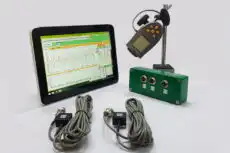
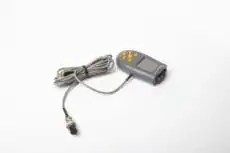
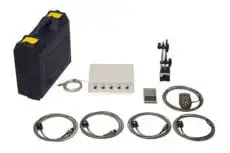
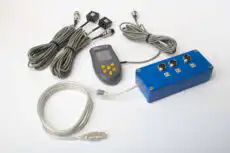
Kwa kuwa shabiki wa mhimili husogea kwenye vifaa vyake vya kusaidia (bearing), njia ya vitendo ya kushughulikia usawa mbaya wa 1× unaotawala ni kuusawazisha mahali alipo badala ya kuondoa rotari. Kifaa cha kubebeka cha uchambuzi cha njia mbili kama vile Balancet-1A hupima 1× upana na awamu katika kasi ya uendeshaji, hukokotoa mgawo wa ushawishi wa shabiki, na hukuambia uzito na pembe ya uzani wa kurekebisho ya kuongeza kwenye mapande. Kisha inathibitisha matokeo dhidi ya kutokuwa na usawa maalum uvumilivu wa usawazishaji. Kwa kukubalika na vipimo vya ubora wa usawazishaji, mashabiki makubwa ya viwandani yanashughulikiwa mahususi na ISO 14694, huku ukali wa jumla wa mtetemo kwenye nyumba za bearing ukipimwa dhidi ya ISO 20816-3 (kiwango kilichobadilisha ISO 10816-3).
8. Matengenezo na Marekebisho
Matengenezo ya Mapande
- Safisha mashapo kutoka kwa mapande, kisha sawazisha tena.
- Rekebisha uharibifu mdogo wa mmomonyoko na kutu.
- Badilisha mapande yenye nyufa au yaliyoharibika vibaya.
- Thibitisha kwamba mapande yote yako katika pembe sawa ya mwelekeo.
- Angalia na ukaze bolts za kushikamana kwa mapande.
Urejeshaji wa Mwanya
- Ongeza pete za shroud au vizibo vya ncha ambapo mwanya ni mkubwa kupita kiasi.
- Jenga upya kifuniko ili kupunguza kipenyo chake.
- Badilisha feni ikiwa hilo linahesabiwa haki kiuchumi.
Udhibiti wa Hatua ya Uendeshaji
- Rekebisha upinzani wa mfumo ili feni ifanye kazi karibu na hatua yake ya muundo.
- Tumia udhibiti wa kasi inayobadilika kwa ulinganifu bora.
- Epuka uendeshaji katika eneo la kuacha mtiririko.
- Tumia udhibiti wa vane za mlango au kizuizi kwa upunguzaji wa mtiririko.
Kasoro za feni ya axial zinachanganya matatizo ya kawaida ya mashine zinazozunguka na matukio ya aerodynamic ya kipekee kwa mashine za mtiririko wa axial. Kuelewa matatizo ya kimuundo ya mapande, umuhimu wa mwanya wa ncha, na kutokutulia kama vile kuacha mtiririko unaozunguka — pamoja na ufuatiliaji sahihi wa mtetemo na majaribio ya utendaji — huweka mashine hizi muhimu za kusogeza hewa zikifanya kazi kwa uaminifu katika huduma ya viwandani.

