ISO 20816-3: Granice vibracija za industrijske mašine
Interaktivni kalkulator i sveobuhvatan tehnički vodič za procjenu zona vibracija industrijskih mašina prema ISO 20816-3:2022. Obuhvata vibracije kućišta, vibracije vratila, metodologiju mjerenja i terensko balansiranje pomoću uređaja Balanset-1A.
Granice zona u nastavku prate metodologiju koju Vibromera primjenjuje u svojoj Balanset liniji prenosivih balansera, koji procjenjuju izmjerenu RMS brzinu u odnosu na granice ISO 20816-3 direktno na terenu.
⚙ Tabela A.1 — Grupa 1 mašine (velike: >300 kW ili H>315 mm)
| Zona | Kruta — Brz. (mm/s) | Kruta — Pomak (μm) | Fleksibilna — Brez. (mm/s) | Fleksibilan — Pomak (μm) |
|---|---|---|---|---|
| A — Dobro | < 2,3 | < 29 | < 3,5 | < 45 |
| B — Prihvatljivo | 2,3 – 4,5 | 29 – 57 | 3,5 – 7,1 | 45 – 90 |
| C — Ograničeno | 4,5 – 7,1 | 57 – 90 | 7,1 – 11,0 | 90 – 140 |
| D — Opasno | > 7.1 | > 90 | > 11,0 | > 140 |
⚙ Tabela A.2 — Grupa 2 Mašine (Srednje: 15–300 kW ili H=160–315 mm)
| Zona | Kruta — Brz. (mm/s) | Kruta — Pomak (μm) | Fleksibilna — Brez. (mm/s) | Fleksibilan — Pomak (μm) |
|---|---|---|---|---|
| A — Dobro | < 1,4 | < 22 | < 2,3 | < 37 |
| B — Prihvatljivo | 1,4 – 2,8 | 22 – 45 | 2,3 – 4,5 | 37 – 71 |
| C — Ograničeno | 2,8 – 4,5 | 45 – 71 | 4,5 – 7,1 | 71 – 113 |
| D — Opasno | > 4.5 | > 71 | > 7.1 | > 113 |
⚙ Dodatak B — Granice Vibracija Vratila (Pomak)
| Granica zone | Formula | @ 1500 o/min | @ 3000 o/min | @ 6000 o/min |
|---|---|---|---|---|
| A/B | 4800 / √n | 124 | 88 | 62 |
| B/C | 9000 / √n | 232 | 164 | 116 |
| C/D | 13200 / √n | 341 | 241 | 170 |




Kalkulator za Vrednovanje Zone Vibracija
Unesite parametre mašine i izmjerene vibracije kako biste odredili zonu stanja prema ISO 20816-3
Primijenjene granice zona
| Granica | Brzina (mm/s) | Pomak (μm) |
|---|---|---|
| A/B | — | — |
| B/C | — | — |
| C/D | — | — |
Granice vibracija vratila (izračunate)
| Granica | Formula | S(p-p) μm |
|---|---|---|
| A/B | 4800/√n | — |
| B/C | 9000/√n | — |
| C/D | 13200/√n | — |
1. Područje primjene i primjenjiva oprema
ISO 20816-3:2022 postavlja smjernice za procjenu stanja vibracija industrijske opreme s nominalnom snagom preko 15 kW i brzinama vrtnje od 120 do 30.000 o/min. Procjena se temelji na mjerenjima vibracija na dijelovima koji se ne rotiraju i na rotirajućim vratilima u normalnim uvjetima rada.
Ovaj standard primjenjuje se na:
- Parne turbine i generatore s snagom do 40 MW
- Rotacijske kompresore (centrifugalne, aksijalne)
- Industrijske plinske turbine s snagom do 3 MW
- Elektromotore svih vrsta s fleksibilnom spojkom vratila
- Valjaonice i valjačke stanice
- Ventilatore i turbopuhače (vidi napomenu niže)
- Transportne trake, spojke s promjenjivom brzinom, turbofan motore
Napomene o specifičnoj opremi
Parne/plinske turbine >40 MW na 1500/1800/3000/3600 o/min → koristite ISO 20816-2. Plinske turbine >3 MW → koristite ISO 20816-4. Ventilatori: Kriteriji se općenito primjenjuju samo na ventilatore >300 kW ili na krutim temeljima. Za ostale ventilatore, kriterije dogovorite između proizvođača i kupca (vidjeti također ISO 14694).
Ovaj Standard se NE Primjenjuje Na:
- Klipne mašine → ISO 10816-6 / ISO 20816-8
- Rotodinamičke pumpe s ugrađenim motorima → ISO 10816-7
- Hidraulične elektrane → ISO 20816-5
- Rotacijski kompresori, potopljive pumpe
- Vjetroelektrane → ISO 10816-21
Kritično Ograničenje
Zahtjevi se primjenjuju samo na vibracije koje proizvodi sama mašina, a ne na vibracijom inducirane izvana koja se prenose kroz temelje. Uvijek provjerite i ispravite za pozadnu vibraciju.
2. Klasifikacija Mašine
Stanje vibracije mašine vrednuje se ovisno o tipu mašine, snazi ili visini vratila i krutosti temelja.
Klasifikacija prema Snazi / Visini Vratila
Grupa 1 — Velike Mašine
- Nazivna snaga > 300 kW, ILI električne mašine s visinom vratila H > 315 mm
- Obično opremljene sa kliznim (rukavičnim) ležajevima
- Radne brzine od 120 do 30.000 o/min
Grupa 2 — Srednje mašine
- Nazivna snaga 15 – 300 kW, ILI električne mašine sa 160 < H ≤ 315 mm
- Obično opremljene sa valjajućim ležajevima
- Radne brzine uglavnom > 600 o/min
Klasifikacija prema krutosti temelja
Temelj je kruti ako najmanja prirodna frekvencija sistema mašina-temelj u smjeru mjerenja premašuje glavnu frekvenciju pobude najmanje 25%. Svi ostali su fleksibilni.
Klasifikacija zavisna od smjera
Temelj može biti krut u jednom smjeru i fleksibilan u drugom. Na primjer, krut vertikalno ali fleksibilan horizontalno. Procjenjujte svaki smjer posebno koristeći odgovarajuće granice.
3. Razumijevanje zona A–D
Četiri zone vibracijske kondicije uspostavljene su za kvalitativnu procjenu i donošenje odluka:
Zona A — Nova / Odličnom
Novouvedene mašine obično se nalaze ovdje. Predstavlja optimalnu dinamičku kondiciju. Nisu sve nove mašine u zoni A — nastojanje ispod A/B može dati minimalne koristi uz visoke troškove.
Zona B — Prihvatljiva
Pogodna za neograničenu dugotrajnu operaciju. Nastavite rutinsko praćenje. Ovo je normalno radno stanje za dobro održavanu opremu.
Zona C — Ograničeni rad
Nije pogodno za neprekidni dugoročni rad. Planirajte popravne mjere. Može raditi ograničeno vrijeme dok se ne pruži mogućnost popravke. Povećajte učestalost nadzora.
Zona D — Opasno
Vibracije dovoljno intenzivne da uzrokuju oštećenja. Potrebna je hitan mjera: smanjite vibracije ili zaustavite mašinu. Nastavak rada rizikuje katastrofalan kvar.
4. Kriteriji ocjene
Kriterij I — Apsolutna veličina
Maksimalna izmjerena širokopojasna RMS vibracija (brzina za kućište, vršna vrijednost razlike za osovinu) se uspoređuje sa vrijednostima granica zone za danu grupu mašine i tip oslonca. Ovaj kriterij štiti od preskromnih dinamičkih opterećenja na ležajima, neprihvatljive konzumacije radijalnog zazora i preskromnih vibracija prenesenih na temelj.
Kriterij II — Promjena od referentne vrijednosti
Čak i ako vibracije ostanu u Zoni B, značajna promjena od utvrđene referentne vrijednosti ukazuje na razvijajuće probleme i zahtijeva istragu.
Pravilo 25%
Promjena vibracije se smatra značajno ako prelazi 25% vrijednosti B/C granice, bez obzira na trenutni apsolutni nivo. Ovo se primjenjuje na povećanja i smanjenja.
Primjer: Za grupu 1 kruti temelj, B/C = 4,5 mm/s. Promjena > 1,125 mm/s od referentne vrijednosti je značajna i zahtijeva istragu.
Kriteriji prihvatljivosti za nove mašine
Granice zona su ne kriteriji prihvatljivosti po zadanoj vrijednosti. Granice prihvatljive testiranja moraju biti dogovorene između dobavljača i kupca. Tipična preporuka: vibracije nove mašine ne bi trebale preći 1,25 × A/B granica.
5. Najbolje prakse mjerenja
Lokacija senzora
- Montirati na kućišta ležajeva ili postolja — ne na tankim poklopcima ili fleksibilnim površinama
- Koristite dva međusobno okomita radijalna smjera na svakom ležaju
- Za horizontalne mašine, jedan smjer je obično vertikalan
- Izbjegavajte lokacije sa lokalnim rezonancijama — usporedite očitanja na blizu postavljenim točkama
- Ako direktan pristup ležaju nije moguć, koristite točku sa čvrsto mehaničkom vezom
Radni uslovi
- Mjeriti u stabilna radna stanja pri nominalnoj brzini i opterećenju
- Dozvolite rotoru i ležajevima da dostignu toplinsku ravnotežu (obično 30–60 min)
- Za mašine sa promjenjivom brzinom/opterećenjem, mjerite na svim karakterističnim radnim točkama, koristite maksimalnu
- Dokumentujte uvjete: brzina, opterećenje, temperature, tlakovi
Frekvencijski raspon
| Primjena | Donja granica | Gornja granica | Napomene |
|---|---|---|---|
| Standardni širokopojasni | 10 Hz | 1000 Hz | Većina industrijskih mašina (>600 o/min) |
| Niskobrzinske (≤600 o/min) | 2 Hz | 1000 Hz | Mora zaobuhvatiti 1× brzinu vrtnje |
| Vibracija vratila | — | ≥ 3,5 × fmax | Prema ISO 10817-1 |
| Dijagnostika | 0,2 × fmin | 2,5 × fpobud | Prošireni, do 10 000 Hz |
Pozadinska Vibracija
Pravilo od 25% za Pozadinsku Vibraciju
Ako vibracija zaustavljene mašine prekorači 25% vibracije tijekom rada ILI 25% granice Zone B/C, potrebne su ispravke:
Ako pozadinska vibracija prekorači ove granice, jednostavna oduzimanja nije valjano — istražite vanjske izvore.
6. Granice Vibracije Kućišta (Prilog A)
Primarni praćeni parametar je efektivnu vrednost vibracija. Vrijednosti granice Zone za Grupe 1 i 2 prikazane su u Tablicama A.1 i A.2 iznad. Ključne napomene:
- Za mašine sa brzinom rotora ispod 600 o/min, primjenjuju se kriteriji brzine i pomaka. Opseg frekvencije se proteže od 2–1000 Hz.
- Pomak Grupe 1 izveden je iz brzine na referentnoj frekvenciji od 12,5 Hz
- Pomak Grupe 2 izveden je iz brzine na referentnoj frekvenciji od 10 Hz
- zona najgoreg slučaja (iz brzine ili pomaka) određuje
7. Granice Vibracije Vratila (Prilog B)
Za relativnu vibraciju vratila izmjerenu sa senzorima blizine, granice zona se izražavaju kao pomak od vrha do vrha S(p-p) u μm, obrnuto proporcionalna sa √n:
B/C: S(p-p) = 9000 / √n
C/D: S(p-p) = 13200 / √n
gdje je n = maksimalna brzina rada u r/min, minimum 600 za proračun
Ograničenje zazora ležaja (Prilog C)
Za klizne ležaje, granice zona vibracije vratila moraju se provjeriti u odnosu na stvarni zazor ležaja. Ako granice izračunate formulom premašuju zazor, koristite granice na osnovu zazora:
- A/B: 0,4 × zazor
- B/C: 0,6 × zazor
- C/D: 0,7 × zazor
8. Nivoi alarma ZA UPOZORENJE I ISKLJUČIVANJE
ISKLJUČENJE = unutar zone C ili D, obično ≤ 1,25 × (granica C/D)
| Nivo | Osnova | Postavka | Podesivo? |
|---|---|---|---|
| UPOZORENJE | Početna vrijednost specifična za mašinu | Početna vrijednost + 25% od B/C | Da — prilagođavati sa promjenama početne vrijednosti |
| ISKLJUČENJE | Mehanički integritet | Unutar zone C/D, ≤ 1,25 × C/D | Ne — ista za slične mašine |
9. Prelazna operacija
Granice zona se primjenjuju na stacionarnu operaciju. Tokom pokretanja, gašenja ili prolaska kroz kritične brzine, očekuje se veća vibracija.
| Brzina % od nazivne | Granica kućišta | Granica vratila | Napomene |
|---|---|---|---|
| < 20% | Vidi napomenu | 1,5 × C/D | Pomak može biti dominantan |
| 20% – 90% | 1,0 × C/D | 1,5 × C/D | Prolazak kroz kritičnu brzinu je dozvoljen |
| > 90% | 1,0 × C/D | 1,0 × C/D | Približavanje stacionarnom stanju |
Ako vibracija ostaje visoka nakon dostigavanja radne brzine, to ukazuje na trajni kvar, ne na prolaznu rezonancu.
10. Fizika i obrada signala
Pomak–brzina–ubrzanje
Za sinusoidnu vibraciju na frekvenciji f (Hz):
Ubrzanje: Avršna vrijednost = (2πf)² × Dvršna vrijednost = 2πf × Vvršna vrijednost
- Na niske frekvencije (<10 Hz): pomak je kritični parametar
- Na srednje frekvencije (10–1000 Hz): brzina korelira sa energijom — nezavisna od frekvencije
- Na visoke frekvencije (>1000 Hz): ubrzanje postaje dominantno
RMS naspram vršne vrijednosti
Vp-p = 2 × Vvršna vrijednost ≈ 2,828 × VRMS
Broadband RMS (Ukupno)
Ova vrijednost "Ukupno" je ono što analizatori vibracija prikazuju i što ISO 20816-3 koristi za procjenu zone.
Problem niske brzine (Prilog D)
Pri konstantnoj brzini od 4,5 mm/s, pomak dramatično raste sa smanjenjem brzine:
| Brzina (o/min) | Frekv. (Hz) | Brzina (mm/s) | Pomak (μm vršna vrijednost) |
|---|---|---|---|
| 3600 | 60 | 4.5 | 12 |
| 1800 | 30 | 4.5 | 24 |
| 600 | 10 | 4.5 | 72 |
| 120 | 2 | 4.5 | 358 |
Zato standard zahtijeva i brzinu i amplitudu pomjeraja kriterije za mašine ≤600 o/min.
11. Balansiranje Metodom Koeficijenta Uticaja
Kada se nebalansirano dijagnostificira (visoka 1× vibracija, stabilna faza), metoda koeficijenata utjecaja izračunava precizne teže korekcije:
Masa korekcije: Mkorekc. = −Vpočetni / α
Procedura Jednoravan Balansiranja (3 pokretanja)
- Početno mjerenje: Izmjeriti A₀ = 6,2 mm/s pri φ₀ = 45°
- Probna masa: Dodati 20 g na 0°. Izmjeriti A₁ = 4,1 mm/s pri φ₁ = 110°
- Izračunaj: Software izračunava korekciju = 28,5 g na 215°
- Primijeni i provjeri: Ukloniti probni uteg, dodati 28,5 g na 215°. Konačno: 1,1 mm/s → Zona A
Balanset-1A automatski izvršava svu vektorsku matematiku, vodiće tehničara kroz svaki korak.
12. Primjeri Iz Prakse
Izbjegavanje Pogrešne Dijagnoze Kroz Dvostruko Mjerenje
Mašina: Parnoj turbini od 5 MW, 3000 o/min, radijalni ležajevi.
Situacija: Vibracije kućišta = 3,0 mm/s (Zona B). Ali vibracije vratila = 180 μm p-p. Granica B/C prema Aneksu B = 164 μm → Vratilo u Zoni C!
Osnovni uzrok: Nestabilnost uljnog filma (uljni vrtlog). Snažno prigušeno gibanje postolja. Oslanjanje samo na mjerenje kućišta bi propustilo to stanje.
Radnja: Prilagođen pritisak dovoda ulja, ponovno postavljeni ležajevi. Vibracija vratila smanjena na 90 µm (Zona A).
✓ Zona A postignuta — uljni vrtlog otklonjenBalansiranje Spašava Kritični Ventilator
Mašina: Ventilator indukovane tečnosti od 200 kW, 980 o/min, fleksibilna spojnica.
Početno: Vibracija = 7,8 mm/s (Zona D). Fabrika razmatrajući hitno gašenje ($50.000, izostanak od 3 dana).
Dijagnoza: FFT pokazuje 1× = 7,5 mm/s. Faza je stabilna → neuravnoteženost, a ne oštećenje ležaja.
Radnja: Uravnotežavanje u dvije ravnine s Balanset-1A, 4 sata na mjestu. Finalno = 1,6 mm/s (Zona A).
✓ Ušteda od $50.000 — izbjegnut nepotreban prekid radaPumpa u Zoni D — Uravnotežavanje Neće Pomoći
Mašina: Pumpa od 200 kW, kruta baza. RMS = 5,0 mm/s → Zona D.
Dijagnoza: FFT pokazuje šumsku harmoniku i visok nivo šuma. Vršna vrijednost 1× niska u odnosu na ukupno. Nije neuravnoteženost.
Osnovni uzrok: Degradacija ležaja + kavitacija. Potrebna je mehanička revizija.
✗ Hitno gašenje obavezno — mehanički kvar13. Česte Greške
Kritične Greške Koje Treba Izbjegavati
1. Pogrešna klasifikacija. Motor od 250 kW s H=280 mm je Grupa 2 (ne Grupa 1). Korištenje granica Grupe 1 (blaže) dopušta preveliku vibraciju.
2. Pogrešan tip baze. Ne sve betonske baze su "krute." Turbogenerator na betonu može biti fleksibilan ako je prirodna frekvencija sustava blizu brzine rada. Provjerite izračunom ili testom udara.
3. Zanemarivanje vibracije u pozadini. Pumpa s očitanjem od 3,5 mm/s s 2,0 mm/s od susjednog kompresora kroz pod: stvarni doprinos pumpe je samo ~1,5 mm/s. Uvijek mjerite s isključenim strojem.
4. Vršna vrijednost umjesto RMS. ISO 20816-3 zahtijeva RMS vrijednost. Vršna vrijednost ≈ 1,414 × RMS. Direktno korištenje vršnih vrijednosti precjenjuje ozbiljnost za ~40%.
5. Zanemarivanje Kriterija II. Ventilator skače sa 1,5 na 2,5 mm/s (obje u Zoni B). Promjena = 1,0 mm/s naspram praga od 1,125 mm/s (25% od B/C=4,5). Blizu praga — istražiti!
6. Pogrešan frekvencijski raspon. Mlin od 400 rpm s filterom 10–1000 Hz: frekvencija rada = 6,67 Hz je ispod filtera! Koristite 2–1000 Hz za strojeve ≤600 o/min.
7. Mjerenje na tankim zidovima. Akcelerometar na limenom kućištu ventilatora daje 10× veće čitanja od stvarne vibracije ležaja. Uvijek montirajte na kapicu ležaja ili postament.
14. Kompletan Proces Procjene
Postupak Korak-po-Korak
- Identifikuj mašinu: Zabilježi tip, model, nominalnu snagu, raspon brzine
- Klasificirati: Odredite Grupu (1 ili 2) na osnovu nominalne snage ili visine vratila H
- Procijeni temelj: Izmjerite/izračunajte fn sistema mašina-temelj nasuprot frun
- Odaberite granice zone iz standarda za grupu + tip temelja
- Postavite instrumente: Montirajte senzore na kućišta ležajeva, konfigurirajte frekvencijski raspon
- Provjera pozadine: Izmjerite vibraciju s isključenom mašinom
- Mjerenje u radu: Dosegnite toplinsku ravnotežu, stabilno stanje, izmjerite RMS brzinu
- Korekcija pozadine: Primijenite oduzimanje energije ako je prag premašen
- Klasifikacija zone (Kriterij I): Uporedi maksimalni RMS sa granicama
- Analiza trenda (Kriterij II): Izračunaj promenu od osnove, proveri pravilo 25%
- Spektralna dijagnostika: Ako je potrebno, koristi FFT za identifikovanje tipa greške
- Korektivna mjera: Zona A → osnovna vrijednost; B → praćenje; C → planirati popravak; D → hitna akcija
- Balansiraj ako je nebalansiranost dijagnostifikovana: Koristi metodu koeficijenta uticaja Balanset-1A
- Dokument: Izveštaj sa spektrima pre/posle, klasifikacijom zone, preduzete mere
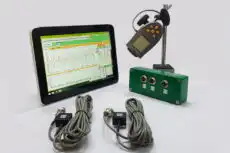
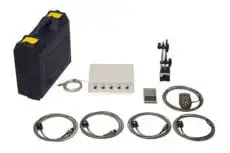
🔧 Balanset-1A — Prenosivi analizator vibracija i terenski balancer
Balanset-1A je precizan instrument koji direktno podržava zahteve ISO 20816-3 za merenje i procenu vibracija:
- Merenje vibracija: Brzina (mm/s RMS), pomeranje, ubrzanje — svi parametri ISO 20816-3
- Frekventni raspon: 5 Hz – 550 Hz (standardno), proširivo — pokriva zahtev 2–1000 Hz
- Jednoravninsko i dvoravninsko balansiranje: Smanji vibracije na nivoe Zone A/B
- Mjerenje faze: Tačnost ±1° za balansiranje i vektorsku analizu
- Raspon RPM-a: 100 do 100.000 obrtaja/min — u potpunosti pokriva opseg ISO 20816-3
- FFT spektar: Identificirati tipove kvarova (1×, 2×, harmonici, defekti ležajeva)
- Generisanje izvještaja: Dokumentujte mjerenja za zapise o usklađenosti
15. Referentne norme
Normativne reference
| Standard | Naslov |
|---|---|
| ISO 2041 | Mehanička vibracija, šok i praćenje stanja — Terminologija |
| ISO 2954 | Zahtjevi za instrumente za mjerenje težine vibracije |
| ISO 10817-1 | Sistemi za mjerenje vibracije rotirajućeg vratila — Relativno i apsolutno senzorsko mjerenje |
| ISO 20816-1:2016 | Mehanička vibracija — Mjerenje i evaluacija — Opće smjernice |
Serija ISO 20816
| Standard | Opseg | Status |
|---|---|---|
| ISO 20816-1:2016 | Opće smjernice | Objavljeno |
| ISO 20816-2:2017 | Parne/plinske turbine >40 MW, 1500–3600 o/min | Objavljeno |
| ISO 20816-3:2022 | Industrijska mašinerija >15 kW, 120–30.000 o/min | Objavljeno (ovaj dokument) |
| ISO 20816-4:2018 | Kompleti pogonljeni plinskom turbinom | Objavljeno |
| ISO 20816-5:2018 | Hidroelektrane | Objavljeno |
| ISO 20816-8:2018 | Sistemi kompresor sa recipročnim kretanjem | Objavljeno |
| ISO 20816-9 | Zupčani prijenosnici | U razvoju |
Dopunske norme
| Standard | Naslov | Relevantnost |
|---|---|---|
| ISO 21940-11 | Balansiranje rotora — Procedure i tolerancije | Klase kvalitete balansa G0.4–G4000 |
| ISO 13373-1/2/3 | Monitoring stanja vibracija i dijagnostika | FFT, analiza, signaturne greške |
| ISO 18436-2 | Sertifikacija analitičara vibracija (Kat. I–IV) | Kompetentnost kadra |
| ISO 14694 | Industrijski ventilatori — Kvaliteta balansa i vibracije | Granice specifične za ventilatore |
Usklađenost sa GOST-om (Prilog DA)
| ISO standard | Korespondencija | GOST ekvivalent |
|---|---|---|
| ISO 2041 | IDT | GOST R ISO 2041-2012 |
| ISO 2954 | IDT | GOST ISO 2954-2014 |
| ISO 10817-1 | IDT | GOST ISO 10817-1-2002 |
| ISO 20816-1:2016 | IDT | GOST R ISO 20816-1-2021 |
IDT = Identični standardi.
Istorijski kontekst
ISO 20816-3:2022 zamjenjuje ISO 10816-3:2009 (vibracije kućišta) i ISO 7919-3:2009 (vibracija vratila), integrirajući oboje u jedinstveni okvir evaluacije. Pionirski rad Rathabera (1939) uspostavio je osnovu za korišćenje brzine kao primarnog kriterijuma vibracije.
16. Često postavljena pitanja
ISO 20816-3:2022 zamenjuje i anulira i ISO 10816-3:2009 i ISO 7919-3:2009. Glavne razlike: integracija kriterijuma vibracije kućišta i vratila u jedan dokument, ažurirane granice zona na osnovu novije operativne iskustva, jasnija uputstva za klasifikaciju temelja, i proširena uputstva za mašine niske brzine. Ako vaše specifikacije pozivaju na ISO 10816-3, trebali biste preći na ISO 20816-3.
Za većinu mašina iznad 600 o/min, brzina je primarni kriterijum. Dodatno koristite pomeranje kada: brzina mašine je ≤600 o/min (pomeranje može biti ograničavajući faktor), prisutne su značajne komponente niske frekvencije, ili merenje relativne vibracije vratila (uvek koristite pomeranje od vrha do vrha). Ako ste nesigurni, proverite oba kriterijuma – zona najgore slučaja je merodavna.
Najpreciznija metoda je merenje ili proračun najniže prirodne frekvencije sistema mašina-temelj. Metode: test udarom (bump test), operativna modalna analiza, ili FEA proračun. Brza procena: ako se mašina vidljivo kreće na svojim nosačima tokom pokretanja/zaustavljanja, verovatno je fleksibilna. Ako je fn ≥ 1,25 × radna frekvencija → Kruto; u suprotnom → Fleksibilno. Napomena: temelj može biti krut vertikalno, ali fleksibilan horizontalno.
Zona C znači nije pogodno za neprekidan dugoročan rad, ali ne zahteva trenutno zaustavljanje. Trebali biste: istražiti uzrok, planirati ispravljačku akciju, često pratiti brze promene, postaviti rok za popravku (sledeći planirani prekid), i osigurati da vibracija ne pristupa zoni D. Odluka o nastavku rada zavisi od kritičnosti mašine i posledica kvarova.
Neuravnoteženost je najčešći uzrok preterane vibracije pri brzini rada (1×). Terensko uravnotežavanje pomoću Balanset-1A može smanjiti vibraciju iz zone C/D nazad u zonu A/B. Instrument meri brzinu vibracije prema zahtevima ISO 20816-3, izračunava mase korekcije, potvrđuje rezultate, i dokumentuje nivoe pre/posle za evidenciju usklađenosti.
Nagla povećanja (aktiviranje kriterijuma II) mogu ukazati na: gubitak težine balansa, oštećenje ležaja, neuspeh spajanja, strukturnu labavost (olabljavanje zavrtanja temelja), trenje rotora, ili promene procesa (kavitacija, skok). Bilo koja promena >25% granice B/C opravdava istražavanje, čak i ako je apsolutni nivo još uvek prihvatljiv.
Ako vibracija kućišta pokazuje zonu B ali vibracija vratila pokazuje zonu C, klasifikuj mašinu kao Zona C (stroža procena je merodavna). Nema jednostavne metode za proračun vibracije kućišta iz vibracije vratila ili obrnuto. Uvek koristite zonu najgore slučaja iz dualnih merenja.

