கடினமான சுழற்றிக்கு புரிதல்




A rigid rotor is a சுழலி செயல்பாட்டு வேகத்தில் அதன் சொந்த விசைகளின் செயல்பாட்டின் கீழ் கணிசமாக வளைக்கோட்ட, நெகிழ்வுறுத்த அல்லது அதன் வடிவத்தை மாற்றாத unbalance சமநிலைப்படுத்தல் நோக்கங்களுக்கு ஒரு சுழற்றி கடினமாக கருதப்படுகிறது இது வேகத்தில் இயங்கும் போது வசதியாக கீழே இதன் முதல் critical speed — வழக்கமாக அதன் 70–75% க்கு குறைவாக. அதன் வடிவம் மாறாமல் இருப்பதால், கடினமான சுழற்றி சமநிலைப்படுத்தக் கூடிய எளிமையான மற்றும் மிக சிக்கனத்தான சுழற்றி வகை ஆகும், மற்றும் பெரும்பாலான தினசரி தொசெயல்நுட்ப இயந்திரங்கள் இதில் விழுகின்றன.
1. வரையறை: கடினமான சுழற்றி என்றால் என்ன?
கடினமான-சுழற்றி நடத்தையின் வரையறுக்கும் கொள்கை என்பது distribution ரோட்டரின் வேகம் மாறும்போது ரோட்டரின் நீளம் முழுவதும் சமநிலையற்ற நிலை மாறாது. கனமான இடங்கள் அப்படியே உள்ளன. ஒரு குறைந்த, வசதியான வேகத்தில் ஆன்டி ரெசொனেன்ஸ்(அ) என்பொருட்டு அடையப்பட்ட சமநிலை சமநிலை இயந்திரம் எனவே ரோட்டர் பின்னர் அதன் மிக அதிக சேவை வேகத்தில் இயங்கும்போது சரியாக இருந்து பயனுள்ளதாக இருக்கும்.
இந்த நிலைத்தன்மை ரோட்டர் அதன் முதல் critical speedஇலிருந்து நன்கு விலகி இருப்பதிலிருந்து நேரடியாக வருகிறது. அந்த வேகத்தின் தோராயமாக 70-75% க்கு கீழ் மையவிலக்கு விசை ஏற்படுத்திய விலகல் நிறையின் வடிவியல் விகேந்திரம் உடன் ஒப்பிடுகையில் புறக்கணிக்கத்தக்கது, எனவே ரோட்டர் பயனுள்ளவிதமாக அதன் சொந்த அச்சு பற்றி சுழலும் ஒரு ஒক்கொ திட உடல்போல் செயல்பட்டு வருகிறது. நிறை அச்சு மற்றும் தண்ட அச்சு RPM க்கு பொருட்டாக ஒன்றுக்கொன்று நிலையாக உள்ளன.
பொறியாளர்கள் கடினமான ரோட்டர்களாக கருதும் அன்றாட இயந்திரங்கள் மின்சார-மோட்டார் உயர்சாதாரணங்கள், ஒற்றை-தட்ட ரசனைகள் மற்றும் ப்লோவர்கள், பம்ப் அசறுப்புகள், பறக்கும் சக்கரங்கள், புல்லிகள், அரைத்தல் சக்கரங்கள் மற்றும் வட்டு-வகை கூறுகள் ஆகியவை அடங்கும். இவற்றுக்கு, மெதுவாக செய்யப்பட்ட இரண்டு-விமான சமநிலை இயந்திரம் இயங்கும் உண்மையான சமநிலையற்ற நிலையை பிடிக்கிறது.
2. கடினமான vs. நমनீயமான ரோட்டர்
ஒரு கடினமான ரோட்டர் மற்றும் ஒரு flexible rotor ஆகியவற்றுக்கு இடையிலான வேறுபாடு ரோட்டர் சமநிலைப்படுத்தலின் மிக முக்கிய ধாரணைகளில் ஒன்றாகும், ஏனெனில் இது முழு சமநிலைப்படுத்தல் மூலோபாயத்தை தீர்மானிக்கிறது.
Rigid Rotor
- இயக்க வேகம்: அதன் முதல் விமர்சனச் வேகத்திற்கு நன்கு கீழ், வழக்கமாக 75% க்கு கீழ்.
- Behaviour: மையவிலக்க சக்திகளின் கீழ் வளைந்து அல்லது விலகாது. அதன் சமநிலையற்ற பண்புகள் வேகத்திலிருந்து சுயாதீனமாக உள்ளன.
- சமநிலைப்படுத்தல் செயல்முறை: ஒரு ஒற்றை, வசதியான குறைந்த வேகத்தில் சமநிலைப்படுத்தப்படலாம். ஒரு கட்டுப்பாட்டு இரண்டு-விமான சமநிலை எந்த இயக்க சமநிலையற்ற நிலைசரிசெய்ய போதுமானது, நிலையான, இணை, அல்லது இரண்டின் கலவையாக இருந்தாலும் சரியே. கடினமான-ரோட்டர் சமநிலைப்படுத்தலுக்கான ஆளும் தரநிலை ISO 21940-11 (இது நீண்ட நாட்கள் தெரிந்த ISO 1940-1 ஐ மாற்றியது).
Flexible Rotor
- இயக்க வேகம்: அணுகுமுறைகளை செய்து, ஒன்று அல்லது அதற்கு மேற்பட்ட முக்கியமான வேகங்களை கடந்து அல்லது நன்கு மேலே இயக்க பெறுகிறது।
- Behaviour: ஒரு முக்கியமான வேகத்தை கடந்து செல்லும் போது வளைந்து மற்றும் விலகுகிறது. சமநிலையற்ற சக்திகள் ரோட்டரை வடிவ மாற்றம் (விலகல்) உறுதிப்படுத்தும், மற்றும் “கனமான இடம்” இன் தெரிந்த நிலை வேகத்துடன் மாற்றம் பெறலாம், ஏனெனில் ரோட்டர் ஒரு வளைந்த mode shape.
- சமநிலைப்படுத்தல் செயல்முறை: மிகவும் சிக்கலான. அது தேவை பல-தளம் சமநிலைப்பாடு (பெரும்பாலும் இரண்டிற்கு மேற்பட்ட விமானங்கள்) மற்றும் சேவை வேகத்தில் அல்லது அதற்கு அருகில் செய்ய வேண்டும், சுழல் வளைவதை கணக்கில் எடுத்துக்கொள்ள. சிறப்பு பদ்ধতிகள் தேவைப்படுகிறது மற்றும் ISO 21940-12 ஆல் நியம்பிக்கப்படுகிறது.
3. “நிறுத்தப்பட்ட” அனுமানத்தின் முக்கியத்துவம்
சுழல் நிறுத்தப்பட்ட முறையில் செயல்படுகிறது என்ற அனுமானமே தொழிற்சாலை சமநிலை இயந்திரங்களில் நடைமுறைமுறை, மிதமான மற்றும் பாதுகாப்பான சமநிலை செய்ய சாத்தியமாக்குகிறது. இந்த இயந்திரங்கள் வழக்கமாக சுழல்களை ஒப்பிடமுடியாத வேகத்தில் சுழற்றுகின்றன — சில நூறு RPM — பாதுகாப்புக்கு, குறைந்த இயக்க சக்தி மற்றும் இயந்திர எளிமைக்கு.
சுழல் உண்மையில் நிறுத்தப்பட்டது என்றால், 400 RPM இல் சமநிலை இயந்திரத்தில் அளவிடப்பட்ட சமநிலையீனம் வெளிப்புறத்தில் 3600 RPM இல் அதிர்வனை உண்டாக்கும் சமநிலையீனமே ஆகும். குறைந்த வேகத்தில் சரிசெய்வது உচ்சவேக சমস்যை தீர்க்கிறது. சுழல் உண்மையில் நমनీயமாக இருந்தால், அந்த குறைந்த-வேக சமநிலை விளைவற்றதாக இருக்கும்: சுழல் அதன் சமக்ரிটிக்கல் வேகத்தை நெருங்கினால் வளையும் மற்றும் அதன் சேவை வேகத்தில் முற்றிலும் வேறுபட்ட சமநிலையீனம் நிலையை வழங்கும் — சில சமயம் நின்ற நிலையில் நன்றாக சமநிலையில் தோன்றும் ஆனால் இயங்கும் போது மோசமாக அதிர்வதை. நமனீய சுழலை நிறுத்தப்பட்டது என்று தவறுதல் ஒரு “சமநிலை” இயந்திரம் இன்னும் உலுக்கும் ஒரு பாரம்பரிய காரணமாகும்.
4. சுழல் எப்போது நிறுத்தப்பட்டதாகக் கருதப்படுகிறது?
சுழலை நிறுத்தப்பட்டதாக கையாளுவதற்கான முடிவு அதன் வடிவியல் மற்றும் அதன் செயல்பாட்டு வேகத்தை சார்ந்துள்ளது:
- குறுகிய, முனைக்கோலாக இருக்கும் சுழல்: நீளத்துடன் தொடர்புடைய பெரிய விட்டம் கொண்ட சுழல்கள் — ஒரு அரைக்கும் சக்கரம், ஒரு வட்ட பிரேக், ஒரு ஒற்றை-நிலை பம்ப் இம்பெல்லர் — ஏறக்குறைய எப்போதுமே நிறுத்தப்பட்டவை.
- நீண்ட, நல்ல நளின சுழல்: நீண்ட மற்றும் மெல்ல இருக்கும் சுழல்கள், ஒரு இயக்க தண்ட அல்லது ஒரு பல-நிலை சுற்றுசூழல் சுழல் போன்றவை, குறிப்பாக அவை உচ்ச வேகத்தில் இயங்கும் போது நமனீயமாக இருக்கவும் வாய்ப்பு அதிகம்.
இறுதிவரை தெளிவான சோதனை செயல்பாட்டு வேகம் முதல் முக্கிய வேகத்தின் விகிதமாகும். அந்த விகிதம் குறைந்தால், நிறுத்தப்பட்ட-சுழல் சமநிலை அணுகுமுறை பொருத்தமாகவும் வெற்றிபெறும்; அது அதிகமாக இருந்தால், நமனீய-சுழல் முறைகள் தேவைப்படுகின்றன. இதுவே உணர்ந்து கொள்வது ஏன் rotor dynamics மற்றும் ஒவ்வொரு முக்கிய வேகம் எங்கு அமர்ந்துள்ளது என்பதை அறிந்துகொள்வது ஒவ்வொரு சமநிலை முடிவையும் அடிக்கோளாக கொண்டு வருகிறது.
5. வெளிப்புறத்தில் ஒரு நிறுத்தப்பட்ட சுழலை சமநிலையிட்டு சரிபார்ப்பது
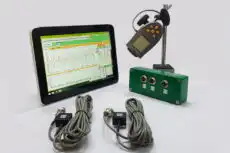
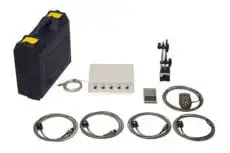
பல நிறுத்தப்பட்ட சுழல்கள் இடத்தில், அவற்றின் சொந்த தாங்கங்களில் சுலபமாக சமநிலையிடப்படும், அகற்றப்பட்டு சமநிலை இயந்திரத்தில் ஏற்றப்பட வேண்டியதை விட. இது field balancing, மற்றும் இது நிறுத்தப்பட்ட அனுமானம் மூடிக்கொள்ளும் விசிறிகள், பம்புகள் மற்றும் மோட்டார்கள்க்கு பொருத்தமாக உள்ளது. ஒரு பரிமாணமான இரு-சேனல் தகவல் தொகுப்பு நாடி பகுப்பாய்வு கருவி போன்ற Balanset-1A 1× வீச்சு மற்றும் அளவிடுகிறது phase , ஒவ்வொரு தாங்கத்தில், சுழல் மாறப்பு தாக்க குணகங்கள் ஒரு சோதனை-ஈட்டி ஓட்டம் இருந்து கணக்கிட, மற்றும் ஒன்று அல்லது இரண்டு விமானங்கள் திருத்தல் நிறை கணக்கிட. சுழல் நிறுத்தப்பட்டது வேண்டும் என்பதால், அந்த ஒற்றை குறைந்த-খরச திருத்தல் முழு வேக வரம்பி பிடிக்கிறது, மற்றும் கருவி பின்னர் நிশ்চயிக்க முடியும் மீதமுள்ள ஏற்றத்தாழ்வு தேர்வு செய்யப்பட்ட ISO 21940-11 தரத்தில் உள்ள குறையைக் கொண்டுள்ளது. நீங்கள் ஒரு சமநிலை தரத்தையும் சேவை வேகத்தையும் பொறுத்தக்கூடிய g·mm சகிப்புத்தன்மையாக மாற்ற முடியும் எஞ்சிய சமநிலையின்மை கணக்கீட்டி (ISO 21940-11) நீங்கள் தொடங்குவதற்கு முன்.

