తిరుగుతున్న యంత్రాల్లో సెంట్రిఫ్యుగల్ శక్తిని అర్థం చేసుకోవడం


కేంద్రాపసారక బలం వృత్తాకార మార్గంలో ప్రయాణించే ద్రవ్యరాశికి అనుభవమయ్యే ప్రత్యక్ష బాహ్య శక్తి. తిరుగుతున్న యంత్రాల్లో ఇది చాలా వైబ్రేషన్ సమస్యలకు మూలకారణం వైబ్రేషన్: ఒక రోటర్ కలిగి ఉన్నప్పుడు అసమతుల్యత — దాని ద్రవ్యరాశి కేంద్రం భ్రమణ అక్షం నుండి విచలించినప్పుడు — విపరీత ద్రవ్యరాశి రేడియల్గా బయటికి భారమైన వైపుకు నిర్దేశించబడే శక్తిని ఉత్పత్తి చేస్తుంది మరియు షాఫ్ట్ వేగంతో చుట్టూ తిరుగుతుంది. ఈ తిరుగుతున్న శక్తి సరిగ్గా బ్యాలెన్సింగ్ తగ్గించడానికి ఉద్దేశించబడింది, మరియు దాని పరిమాణం మరియు ప్రవర్తనను అర్థం చేసుకోవడం రోటర్ డైనమిక్స్ మరియు కంపన విశ్లేషణ.
1. గణిత వ్యక్తీకరణ
మౌలిక సూత్రం
విపరీత ద్రవ్యరాశి నుండి సెంట్రిఫ్యుగల్ శక్తి పరిమాణం:
- F = m × r × ω²
- F = కేంద్రాపసారక బలం (న్యూటన్లు)
- m = అసమతుల్యత ద్రవ్యరాశి (కిలోగ్రాములు)
- r = ద్రవ్యరాశి విపరీతత్వం యొక్క వ్యాసార్థం (మీటర్లు)
- ω = కోణీయ వేగం (సెకనుకు రేడియన్లు) = 2π × RPM / 60
RPM మరియు g·mm ఉపయోగించి ప్రత్యామ్నాయ రూపం
రోజువారీ బ్యాలెన్సింగ్ పనిలో, అన్బ్యాలెన్స్ గ్రామ్-మిల్లీమీటర్లలో వ్యక్తం చేయబడినప్పుడు, అదే భౌతిక శాస్త్రాన్ని మరింత సులభంగా ఇలా రాయవచ్చు:
- F (N) = U × (RPM / 9549)²
- ఇందులో U = అసమతుల్యత (g·mm) = m × r
- ఈ రూపం యూనిట్ మార్పిడి లేకుండా నేరుగా బ్యాలెన్సింగ్ స్పెసిఫికేషన్లలో వర్తిస్తుంది.
మీరు చేతితో అంకగణితం చేయకూడదనుకుంటే, అన్బ్యాలెన్స్ నుండి సెంట్రిఫ్యుగల్ ఫోర్స్ కాల్కులేటర్ అన్బ్యాలెన్స్ విలువ మరియు వేగం నుండి నేరుగా శక్తిని అందిస్తుంది.
వేగం-వర్గం సంబంధం
సెంట్రిఫ్యుగల్ శక్తి యొక్క అత్యంత ముఖ్యమైన గుణం ఏమిటంటే అది భ్రమణ వేగానికి చతురస్రం భ్రమణ వేగం యొక్క:
- వేగాన్ని రెట్టింపు చేస్తే శక్తి నాలుగు రెట్లు అవుతుంది (2² = 4).
- వేగాన్ని మూడు రెట్లు చేస్తే అది తొమ్మిది రెట్లు అవుతుంది (3² = 9).
- ఈ వర్గాకార నియమం వల్లనే తక్కువ వేగంలో హానిరహితంగా ఉన్న అన్బ్యాలెన్స్ అధిక వేగంలో ప్రమాదకరంగా మారుతుంది — మరియు అందుకే అధిక వేగంతో నడిచే యంత్రాలకు చాలా కఠినమైన బ్యాలెన్స్ అవసరం.
2. సెంట్రిఫ్యుగల్ శక్తి ఎలా వైబ్రేషన్ను కలిగిస్తుంది
తిరుగుతున్న శక్తి యంత్రాన్ని ఒంటరిగా వైబ్రేట్ చేయదు; అది ఒక స్థితిస్థాపక నిర్మాణాన్ని ఉత్తేజపరచడం ద్వారా అలా చేస్తుంది. కారణ-ప్రభావ శృంఖలం:
- తిరుగుతున్న సెంట్రిఫ్యుగల్ శక్తి రోటర్పై పని చేస్తుంది.
- అది షాఫ్ట్ ద్వారా బేరింగ్లు మరియు ఆధారాల్లోకి ప్రసారమవుతుంది.
- ఎలాస్టిక్ రోటర్-బేరింగ్-పునాది వ్యవస్థ విక్షేపణ ద్వారా స్పందిస్తుంది.
- సెన్సర్ బేరింగ్ల వద్ద వైబ్రేషన్గా చదివేది ఆ విక్షేపమే.
- శక్తి మరియు కొలిచిన వైబ్రేషన్ మధ్య నిష్పత్తి వ్యవస్థ యొక్క దృఢత్వం మరియు డ్యాంపింగ్.
అనుధ్వానికి దిగువన — దృఢ-రోటర్ పనితీరు
- వైబ్రేషన్ అనుప్రయుక్త శక్తికి దాదాపు అనులోమానుపాతంలో ఉంటుంది.
- బలం ∝ వేగం² కాబట్టి, కంపనం కూడా ∝ వేగం²గా ఉంటుంది.
- కాబట్టి వేగాన్ని రెట్టింపు చేస్తే వైబ్రేషన్ అంప్లిట్యూడ్ సుమారు నాలుగు రెట్లు అవుతుంది.
ప్రతిధ్వని వద్ద
యంత్రం క్రిటికల్ స్పీడ్ వద్ద నడిచినప్పుడు, పరిస్థితి నాటకీయంగా మారుతుంది:
- నుండి వచ్చే చిన్న సెంట్రిఫ్యుగల్ శక్తి కూడా అవశేష అసమతుల్యత అధిక కంపనాన్ని ఉత్పత్తి చేస్తుంది.
- వర్ధన కారకం (Q-కారకం) సాధారణంగా 10–50 వరకు ఉంటుంది, ఇది ప్రధానంగా డంపింగ్ ద్వారా నిర్ణయించబడుతుంది.
- ఈ రెసోనెన్స్ వర్ధన ఎందుకు క్రిటికల్ స్పీడ్లో నిరంతర పనితీరు చాలా విధ్వంసకరంగా ఉంటుందో సరిగ్గా అదే కారణం.
3. పని చేసిన ఉదాహరణలు
ఉదాహరణ 1 — చిన్న ఫ్యాన్ ఇంపెల్లర్
- అసమతుల్యత: 100 mm వ్యాసార్థంలో 10 g = 1000 g·mm
- వేగం: 1500 RPM
- బలం: F = 1000 × (1500 / 9549)² ≈ 24.7 N (సుమారు 2.5 kgf)
ఉదాహరణ 2 — అదే ఇంపెల్లర్, రెండు రెట్లు వేగం
- అసమతుల్యత: అదే 1000 g·mm
- వేగం: 3000 RPM (రెట్టింపు)
- బలం: F = 1000 × (3000 / 9549)² ≈ 98.7 N (సుమారు 10.1 kgf)
- పాఠం: వేగాన్ని రెట్టింపు చేయడం వలన బలం నాలుగు రెట్లు పెరిగింది — వేగం-వర్గం నియమం అమలులో ఉంది.
ఉదాహరణ 3 — పెద్ద టర్బైన్ రోటర్
- రోటర్ ద్రవ్యరాశి: 5000 kg
- వేగం: 3600 RPM
- G2.5 వద్ద అనుమతించదగిన అసమతుల్యత: eప్రతి = 9549 × 2.5 / 3600 ≈ 6.63 g·mm/kg, కాబట్టి U = 6.63 × 5000 ≈ 33,150 g·mm
- బలం: F = 33,150 × (3600 / 9549)² ≈ 4,700 N (సుమారు 480 kgf)
- అధిక కంపనం: ఒక “బాగా బ్యాలెన్స్ చేసిన” రోటర్ కూడా వేగంలో గణనీయమైన భ్రమణ శక్తులను ఉత్పత్తి చేస్తుంది — ఇక్కడ దాదాపు అర టన్ను-బలం — అందుకే అవశేష టాలరెన్స్ ఇప్పటికీ ముఖ్యమైనది.
4. బ్యాలెన్సింగ్లో సెంట్రిఫ్యుగల్ ఫోర్స్
అన్బ్యాలెన్స్ ఫోర్స్ ఒక వెక్టార్
- పరిమాణం: అన్బ్యాలెన్స్ మరియు వేగం ద్వారా నిర్ణయించబడుతుంది (F = m × r × ω²).
- దిశ: రేడియల్గా బయటకు, భారీ స్పాట్ వైపు.
- భ్రమణం: వెక్టార్ షాఫ్ట్ వేగంతో తిరుగుతుంది — 1× రన్నింగ్-స్పీడ్ భాగం.
- దశ: ఏ క్షణంలోనైనా బలం యొక్క కోణీయ స్థానం, దాన్ని ఒక టాకోమీటర్ రెఫరెన్స్ విశ్లేషకుడిని కొలవడానికి అనుమతిస్తుంది.
బ్యాలెన్సింగ్ సూత్రం
బ్యాలెన్సింగ్ సమాన మరియు వ్యతిరేక సెంట్రిఫ్యుగల్ ఫోర్స్ను తయారు చేయడం ద్వారా పని చేస్తుంది:
- A దిద్దుబాటు బరువు భారీ స్పాట్ నుండి 180° దూరంలో ఉంచబడుతుంది.
- ఇది పరిమాణంలో సమానమైన మరియు దిశలో వ్యతిరేకమైన శక్తిని సృష్టిస్తుంది.
- వెక్టర్ మొత్తం అసలైన మరియు కరెక్షన్ శక్తుల మొత్తం సున్నాకు చేరుతుంది.
- నికర తిరిగే శక్తి తగ్గడంతో, వైబ్రేషన్ తగ్గిపోతుంది.
రెండు-ప్లేన్ పని
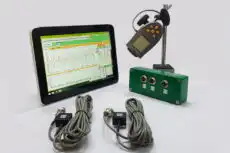
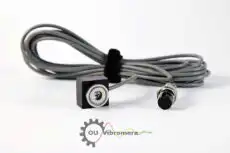
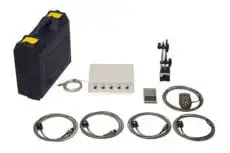
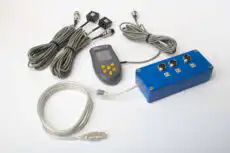
కోసం ద్వి-తలం బ్యాలెన్సింగ్, ప్రతి ప్లేన్లోని సెంట్రిఫ్యుగల్ శక్తులు నికర శక్తి మరియు ఒక కపుల్. కరెక్షన్ వెయిట్లు శక్తి అన్బ్యాలెన్స్ మరియు కపుల్ రెండింటినీ రద్దు చేయాలి, మరియు నికర ప్రభావాన్ని రెండు ప్లేన్ల సహకారాలను వెక్టార్-కలిపి కనుగొంటారు. ఫీల్డ్లో ఈ మొత్తం వెక్టార్ గణన ఒక పోర్టబుల్ టూ-చానల్ పరికరం ద్వారా నిర్వహించబడుతుంది, అది Balanset-1A, ఇది 1× యాంప్లిట్యూడ్ మరియు ఫేజ్ను కొలుస్తుంది, రోటర్ యొక్క అంచనా వేస్తుంది ఇన్ఫ్లుయెన్స్ కోఎఫిషియెంట్లు, మరియు యంత్రం యొక్క స్వంత బేరింగ్స్లో ఆపరేటింగ్ వేగంలో ప్రతి కరెక్షన్ వెయిట్ యొక్క మాస్ మరియు కోణాన్ని గణిస్తుంది.
5. బేరింగ్ లోడ్ పరిణామాలు
స్థిర వర్సెస్ డైనమిక్ లోడ్
- స్టాటిక్ లోడ్: రోటర్ యొక్క బరువు (గురుత్వాకర్షణ) వలన స్థిరమైన బేరింగ్ లోడ్.
- డైనమిక్ లోడ్: అన్బ్యాలెన్స్ సెంట్రిఫ్యుగల్ ఫోర్స్ నుండి తిరిగే లోడ్.
- మొత్తం లోడ్: వెక్టార్ మొత్తం, రోటర్ తిరిగేటప్పుడు చుట్టుకొలత చుట్టూ మారుతూ ఉంటుంది.
- గరిష్ట లోడ్: స్టాటిక్ మరియు డైనమిక్ లోడ్లు తాత్కాలికంగా సమలేఖనమైనప్పుడు సంభవిస్తుంది.
బేరింగ్ జీవితకాలంపై ప్రభావం
- రోలింగ్-బేరింగ్ జీవితం లోడ్ యొక్క క్యూబ్కు విలోమానుపాతంలో ఉంటుంది (L10 ∝ 1/P³).
- అందువలన డైనమిక్ లోడ్లో స్వల్ప పెరుగుదల జీవితాన్ని అసమానుపాతంగా తగ్గిస్తుంది.
- అన్బ్యాలెన్స్ నుండి సెంట్రిఫ్యుగల్ ఫోర్స్ నేరుగా బేరింగ్ లోడ్కు జోడించబడుతుంది.
- మంచి బ్యాలెన్స్ నాణ్యత అందువలన కేవలం సౌకర్యానికి మాత్రమే కాకుండా బేరింగ్ దీర్ఘాయువుకు కూడా అవసరం.
6. యంత్ర వేగ తరగతులలో కేంద్రాపసార బలం
తక్కువ వేగం గల పరికరాలు (~1000 RPM కంటే తక్కువ)
- సెంట్రిఫ్యుగల్ శక్తులు సాపేక్షంగా తక్కువగా ఉంటాయి; స్టాటిక్ గురుత్వాకర్షణ లోడ్లు తరచుగా ఆధిపత్యం వహిస్తాయి.
- వదులైన బ్యాలెన్స్ టాలరెన్స్లు ఆమోదయోగ్యమైనవి, మరియు పెద్ద సంపూర్ణ అన్బ్యాలెన్స్లు సహించవచ్చు.
మధ్యమ వేగం గల పరికరాలు (~1000–5000 RPM)
- సెంట్రిఫ్యుగల్ శక్తులు ముఖ్యమైనవి మరియు నిర్వహించాలి; చాలా పారిశ్రామిక యంత్రాలు ఇక్కడ ఉన్నాయి.
- సాధారణ బ్యాలెన్స్ క్వాలిటీ గ్రేడ్లు G2.5 నుండి G16 వరకు నడుస్తుంది.
- బ్యాలెన్సింగ్ బేరింగ్ జీవితం మరియు వైబ్రేషన్ నియంత్రణ రెండింటికీ ముఖ్యమైనది.
అధిక వేగం గల పరికరాలు (~5000 RPM కంటే ఎక్కువ)
- కేంద్రాపసార బలాలు స్థిర లోడ్లపై ఆధిపత్యం చెలాయిస్తాయి.
- చాలా కఠినమైన టాలరెన్స్లు (G0.4 నుండి G2.5 వరకు) అవసరం.
- చిన్న అన్బ్యాలెన్స్లు భారీ శక్తులను సృష్టిస్తాయి, కాబట్టి ప్రిసిషన్ బ్యాలెన్సింగ్ కీలకమైనది.
7. క్రిటికల్ స్పీడ్స్ మరియు ఫ్లెక్సిబుల్ రోటర్స్
అనుధ్వానం వద్ద వర్ధనం
వద్ద ఒక క్రిటికల్ స్పీడ్, అదే కేంద్రాపసారక బల ఇన్పుట్ వ్యవస్థ యొక్క Q-కారకం (సాధారణంగా 10–50) ద్వారా వర్ధితమవుతుంది, కాబట్టి vibration amplitude క్రిటికల్ వేగానికి దిగువ పని కంటే చాలా ఎక్కువగా ఉంటుంది — క్రిటికల్ వేగాలను వేగంగా దాటాలి లేదా నివారించాలి అనేదానికి ఇది అత్యంత స్పష్టమైన నిదర్శనం.
వంగే రోటర్ ప్రవర్తన
కోసం వంగే రోటర్లు క్రిటికల్ వేగానికి పైన నడుపుతున్నప్పుడు:
- షాఫ్ట్ కేంద్రాపసారక బలం కింద వంగుతుంది, మరియు ఆ వంపు మరింత విచలనాన్ని జోడిస్తుంది.
- క్రిటికల్ వేగానికి పైన స్వీయ-కేంద్రీకరణ ప్రభావం ప్రారంభమవుతుంది, bearing లోడ్లను తగ్గిస్తుంది.
- విరుద్ధంగా అనిపించినా, vibration నిజంగా తగ్గుదల rotor తన క్రిటికల్ వేగానికి సురక్షితంగా పైన ఉన్న తర్వాత.
8. Balancing ప్రమాణాలతో సంబంధం
బ్యాలెన్స్ నాణ్యత గ్రేడులు లో ISO 21940-11 కేంద్రాపసారక బలాన్ని పరిమితం చేయడానికే ఖచ్చితంగా ఉనికిలో ఉన్నాయి:
- తక్కువ G-సంఖ్యలు తక్కువ అసమతుల్యతను అనుమతిస్తాయి.
- ఇది ఏదైనా నిర్దిష్ట వేగంలో తిరిగే బలాన్ని పరిమితం చేస్తుంది.
- ఇది కేంద్రాపసారక బలాలను యంత్రం యొక్క సురక్షిత డిజైన్ పరిధిలో ఉంచుతుంది.
- వివిధ పరికర రకాలకు తదనుగుణంగా వేర్వేరు బల సహనాలు కేటాయించబడతాయి.
9. బలాన్ని కొలవడం మరియు అంచనా వేయడం
కంపనం నుండి బలానికి
field balancing లో బలాన్ని నేరుగా కొలవరు, కానీ అంచనా వేయవచ్చు: పని వేగంలో vibration amplitude చదవండి, rotor యొక్క వ్యవస్థ stiffness అంచనా వేయండి ఇన్ఫ్లుయెన్స్ కోఎఫిషియెంట్లు, మరియు F ≈ k × deflection లెక్కించండి. bearing లోడ్లో ఎంత భాగం unbalance నుండి వస్తుందో అంచనా వేయడానికి ఇది ఉపయోగకరమైన పద్ధతి.
అసమతుల్యత నుండి బలానికి
unbalance తెలిసినట్లయితే, F = m × r × ω² (లేదా U g·mm లో ఉన్నప్పుడు F = U × (RPM / 9549)²) నుండి నేరుగా బలం వస్తుంది, ఏ unbalance మరియు వేగానికైనా అంచనా బలాన్ని అందిస్తుంది — ఇది డిజైన్ తనిఖీలు మరియు సహన ధృవీకరణకు ఆధారం.
కేంద్రాపసారక బలం అనేది తిరిగే యంత్రాలలో unbalance vibration గా మారే ప్రాథమిక విధానం. వేగంపై దాని వర్గ ఆధారపడటం వలన వేగాలు పెరిగే కొద్దీ balance నాణ్యత మరింత క్లిష్టమవుతుంది, మరియు చిన్న unbalance కూడా అధిక-వేగ పరికరాలలో అపారమైన బలాలను మరియు వినాశకరమైన vibration ను విడుదల చేయగలదు.

