మల్చర్ రోటర్ బ్యాలెన్సింగ్: వైబ్రేషన్ను దాని మూలం వద్దే ఆపండి
మీ మల్చర్ రోజంతా చెట్లు మరియు పొదలను నమలుతూనే ఉంటుంది — అంతే వేగంగా బేరింగ్లను కూడా తినేస్తుంది. హౌసింగ్ పగిలిపోతుంది, PTO షాఫ్ట్ వణుకుతుంది, మరియు మధ్యాహ్నానికల్లా ఆపరేటర్ చేతులు స్పర్శ కోల్పోతాయి. రోటర్ అసమతుల్యంగా ఉంది. ఈ గైడ్ నిజమైన పనుల నుండి వాస్తవ సంఖ్యలతో, దీన్ని ఫీల్డ్లో ఖచ్చితంగా ఎలా సరిచేయాలో మీకు చూపిస్తుంది.
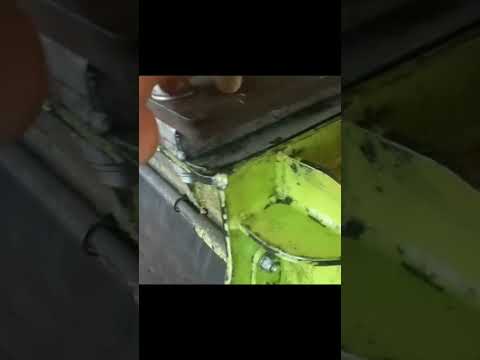
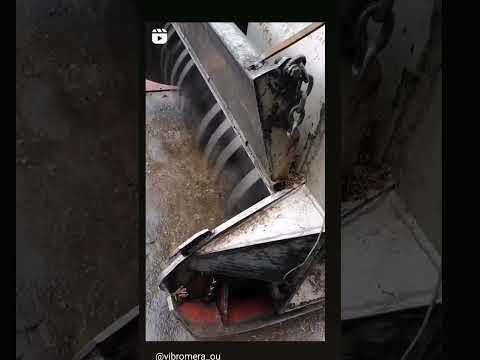
మల్చర్లు ఎందుకు వణకడం మొదలుపెడతాయి
ఒక మల్చర్ రోటర్ కర్ర, రాయి, మట్టి మరియు పాతిపెట్టిన లోహాన్ని ఢీకొడుతూ 1,500–2,400 RPM వేగంతో తిరుగుతుంది. అది సెకనుకు 25–40 భ్రమణాలు, ప్రతి భ్రమణం దంతాలను రాపిడి కలిగించే, ఊహించలేని పదార్థంలోకి నెడుతుంది. ఆ పరిస్థితుల్లో, పరిపూర్ణ బ్యాలెన్స్ ఎక్కువ కాలం నిలవదు. ద్రవ్యరాశి పంపిణీని మార్చేవి ఇవే:
- విరిగిన లేదా అరిగిన దంతాలు. 250 mm వ్యాసార్థంలో ఒకే ఒక్క 100 g కార్బైడ్ దంతం కనిపించకుండా పోతే 25,000 g·mm బ్యాలెన్స్డ్ ద్రవ్యరాశి తొలగిపోతుంది — 2,000 RPM వద్ద అది సుమారు 110 kg తిరిగే అపకేంద్ర బలంతో సమానం, ఇది క్యాబ్లో సులభంగా అనుభవానికి వస్తుంది. డ్రమ్ యొక్క ఏ వైపు పదార్థాన్ని ముందుగా తాకుతుందో దాన్ని బట్టి దంతాలు అసమానంగా అరిగిపోతాయి.
- తాకిడి నష్టం. కాంక్రీట్, రీబార్ లేదా పెద్ద రాళ్లను ఢీకొట్టడం దంతం హోల్డర్లను వంచేస్తుంది మరియు డ్రమ్ గోడను వికృతపరుస్తుంది. కంటికి కనిపించేలా ఏమీ విరగకపోయినా, ద్రవ్యరాశి పంపిణీ మారిపోతుంది.
- శిథిలాల పేరుకుపోవడం. తడి మట్టి, రసం మరియు కలప పీచు దంతం హోల్డర్ల మధ్య ఖాళీల్లో నిండిపోతాయి. 1,200 mm డ్రమ్పై, తడి పరిస్థితుల్లో కొద్ది రోజుల తర్వాత 200–400 గ్రాముల పేరుకుపోవడం సాధారణం.
- రీ-బ్యాలెన్స్ చేయకుండా వెల్డ్ మరమ్మతులు. హార్డ్-ఫేసింగ్ (అరిగిన దంతాలను వెల్డ్ పదార్థంతో పెంచడం) ద్రవ్యరాశిని జోడిస్తుంది. కొత్త హోల్డర్ బ్రాకెట్ను వెల్డింగ్ చేయడం కూడా ద్రవ్యరాశిని జోడిస్తుంది. దాని తర్వాత మీరు రీ-బ్యాలెన్స్ చేయకపోతే, ఆ మరమ్మతే అసమతుల్యతను సృష్టిస్తుంది.
- తయారీ వ్యత్యాసం. ఏ రోటర్ కూడా ఫ్యాక్టరీ నుండి పరిపూర్ణంగా బ్యాలెన్స్ అయ్యి బయటికి రాదు. గోడ మందం, వెల్డ్ చొచ్చుకుపోవడం మరియు బ్రాకెట్ అమరిక అన్నీ టాలరెన్స్లో మారుతూ ఉంటాయి — కానీ ఆ టాలరెన్స్లు కలిసి పెరుగుతాయి.
ఏమి విరిగిపోతుంది మరియు దాని ఖర్చు ఎంత
2,000 RPM వద్ద, అసమతుల్యత వల్ల ఏర్పడే అపకేంద్ర బలం వేగం యొక్క చతురస్రం వర్గంతో పెరుగుతుంది. 200 mm వ్యాసార్థంలో 50-గ్రాముల ఆఫ్సెట్ బేరింగ్లపై సెకనుకు 33 సార్లు 44 kg కంటే ఎక్కువ చక్రీయ బలాన్ని ఉత్పత్తి చేస్తుంది. అది ప్రతి 30 మిల్లీసెకన్లకు ఒక సుత్తి దెబ్బ లాంటిది.
- బేరింగులు — ప్రత్యక్ష నష్టపోయేవి. క్వాలిటీ సెట్ల ధర €80–€150. తీవ్రమైన వైబ్రేషన్తో, ఆపరేటర్లు వాటిని ప్రతి వారం మారుస్తారు. బ్యాలెన్సింగ్ చేయకముందు ఒక కాంట్రాక్టర్ కేవలం బేరింగ్ల కోసమే వారానికి €400 ఖర్చు చేశాడు.
- బేరింగ్ హౌసింగ్లు — అధిక ప్లే వలన అండాకారంగా అరిగిపోతాయి. సీట్ దెబ్బతిన్న తర్వాత, కొత్త బేరింగ్లు కూడా సరిగ్గా తిరగలేవు. హౌసింగ్ మరమ్మతు: €200–€500.
- హౌసింగ్ మరియు ఫ్రేమ్ పగుళ్లు — వైబ్రేషన్ వెల్డ్లు మరియు బేస్ మెటల్లో ఫెటీగ్ పగుళ్లు ఏర్పరుస్తుంది. మీరు మునుపటి రీఇన్ఫోర్స్మెంట్ ప్లేట్ల మీద వెల్డ్ చేసిన కొత్త రీఇన్ఫోర్స్మెంట్ ప్లేట్లను చూస్తారు. ప్రతి రిపేర్ నిర్మాణాన్ని బలహీనపరుస్తుంది.
- హైడ్రాలిక్ వ్యవస్థ — వైబ్రేషన్ ఫిట్టింగ్లను వదులుతుంది మరియు సీల్ ఉపరితలాలను వర్క్-హార్డెన్ చేస్తుంది. ద్రవ నష్టం పంప్ కావిటేషన్ మరియు అధిక వేడెక్కడానికి దారితీస్తుంది. హైడ్రాలిక్ పంప్ రీప్లేస్మెంట్: €2,000+.
- PTO షాఫ్ట్ మరియు ట్రాక్టర్ — వైబ్రేషన్ డ్రైవ్లైన్ ద్వారా ట్రాక్టర్లోకి ప్రయాణిస్తుంది. U-జాయింట్లు, క్యాబ్ మౌంట్లు మరియు హైడ్రాలిక్ వాల్వ్ బాడీలు అన్నీ దెబ్బతింటాయి.
- ఆపరేటర్ — శరీరం మొత్తానికి వైబ్రేషన్ ఎక్స్పోజర్ మస్క్యులోస్కెలిటల్ గాయానికి కారణమవుతుంది. EU డైరెక్టివ్ 2002/44/EC 0.5 m/s² వద్ద యాక్షన్ విలువలను నిర్దేశిస్తుంది — అసమతుల్యమైన మల్చర్ దీన్ని సులభంగా మించిపోగలదు.
ISO వైబ్రేషన్ ప్రమాణాలు
| G గ్రేడ్ | అనువర్తనం | ఉదాహరణలు (ISO 21940-11, టేబుల్ 1) |
|---|---|---|
| G40 | కోర్స్ రొటేటింగ్ భాగాలు | కార్ చక్రాలు, వీల్ రిమ్లు, డ్రైవ్ షాఫ్ట్లు |
| G16 | వ్యవసాయ యంత్రాలు — మల్చర్లు ఇక్కడకు చెందుతాయి | ఫారెస్ట్రీ & వ్యవసాయ మల్చర్లు, క్రషింగ్ యంత్రాలు, కార్డాన్ షాఫ్ట్లు |
| G6.3 | సాధారణ యంత్రాలు | ఫ్యాన్లు, పంపులు, గేర్లు, మెషిన్ టూల్స్ |
| G2.5 | ఖచ్చితత్వం / హై-స్పీడ్ డ్రైవ్లు | కంప్రెసర్లు, గ్యాస్ మరియు స్టీమ్ టర్బైన్లు, ఫాస్ట్ ఎలక్ట్రిక్ మోటార్లు |
G16 అంటే గ్రాములలో ఏమి అర్థం: అనుమతించదగిన అవశేష నిర్దిష్ట అసమతుల్యత eప్రతి = 9549 × G / n. 1,900 RPM వద్ద 420 kg మల్చర్ డ్రమ్కు ఇది సుమారు 80 g·mm/kg ఇస్తుంది — మొత్తంగా సుమారు 34,000 g·mm, లేదా 280 mm కరెక్షన్ రేడియస్ వద్ద సుమారు 120 g అవశేష బరువు. Balanset-1A సాఫ్ట్వేర్ ఈ లెక్కింపును మీ కోసం చేస్తుంది.
| జోన్ | రిజిడ్ మౌంటింగ్ (mm/s RMS) | ఫ్లెక్సిబుల్ మౌంటింగ్ (mm/s RMS) | అర్థం | చర్య |
|---|---|---|---|---|
| A | < 1.4 | < 2.3 | కొత్త-యంత్రం స్థితి | ఏదీ లేదు — అద్భుతమైన స్థితి |
| B | 1.4 – 2.8 | 2.3 – 4.5 | పరిమితి లేని దీర్ఘకాలిక నిర్వహణకు అనుకూలం | మానిటర్ |
| C | 2.8 – 4.5 | 4.5 – 7.1 | నిరంతర ఆపరేషన్కు సంతృప్తికరం కాదు | నిర్వహణను ప్రణాళిక చేయండి |
| D | > 4.5 | > 7.1 | నష్టం సంభవించవచ్చు | ఆపండి. వెంటనే సరిచేయండి |
బేరింగ్ రీప్లేస్మెంట్: €80–€150 పార్ట్లు + 2–3 గంటల శ్రమ. మీరు ప్రతి వారం రీప్లేస్ చేస్తుంటే, అది €4,000–€7,500/సంవత్సరం కేవలం పార్ట్లకే, పైగా భూమిని క్లియర్ చేయడానికి బదులుగా 100+ గంటల రెంచ్ సమయం.
క్లియరింగ్ ప్రాజెక్ట్ సమయంలో ఒక రోజు కాంట్రాక్టర్ డౌన్టైమ్: €800–€1,500 కోల్పోయిన ఆదాయంలో. వినాశకరమైన రోటర్ వైఫల్యం (పగిలిన షాఫ్ట్): €2,000–€5,000 పార్ట్లు + వారాల నిరీక్షణ.
Balanset-1A ఒక ఒకసారి కొనుగోలు (ఉత్పత్తి పేజీలో ప్రస్తుత ధర). మా ఫీల్డ్ అనుభవంలో, రెండు లేదా మూడు నివారించబడిన బేరింగ్ వైఫల్యాలు దీని ఖర్చును తిరిగి పొందుతాయి — ఆ తర్వాత ప్రతి పని పూర్తిగా ఆదా అవుతుంది.
మల్చర్ రకాలు మరియు వాటి బ్యాలెన్సింగ్ ప్రత్యేకతలు
PTO ఫారెస్ట్రీ మల్చర్
త్రీ-పాయింట్ హిచ్ మౌంటెడ్, PTO-డ్రైవెన్. స్థిర కార్బైడ్ దంతాలతో 800–1,500 mm పొడవు రోటర్లు. విరిగిన దంతాలు మరియు హార్డ్-ఫేసింగ్ రిపేర్ల నుండి అసమతుల్యత. స్థిరమైన PTO వేగం బ్యాలెన్సింగ్ను సూటిగా చేస్తుంది — ట్రాక్టర్ థొరెటిల్ను స్థిరంగా ఉంచండి.
ఎక్స్కావేటర్-మౌంటెడ్ మల్చర్
హైడ్రాలికల్గా నడిచేది, ఎక్స్కావేటర్ ఆర్మ్పై అమర్చబడింది. హైడ్రాలిక్ ఫ్లోతో RPM మారుతుంది — కొలిచే సమయంలో డయల్ను స్థిరంగా ఉంచండి. బరువైన రోటర్లు (300–500 kg). ట్రయల్ బరువులు సాధారణంగా 40–100 g — వాటిని క్రింద స్టెప్ 1లోని 10% ఫోర్స్ నియమంతో నిర్ణయించండి. బ్యాలెన్సింగ్ పనికి తరచుగా ఇద్దరు వ్యక్తులు అవసరం.
స్కిడ్-స్టీర్ మల్చర్
కాంపాక్ట్ కానీ హై-RPM. అసమతుల్యతకు సున్నితమైనది — 20–30 g ఆఫ్సెట్ కూడా గమనించదగిన వైబ్రేషన్ను ఉత్పత్తి చేస్తుంది. తేలికైన రోటర్లకు తేలికైన ట్రయల్ బరువులు అవసరం (సాధారణంగా 10–30 g). ఇరుకైన పని స్థలం కారణంగా కొన్నిసార్లు సృజనాత్మక సెన్సార్ ప్లేస్మెంట్ అవసరం అవుతుంది.
డ్రమ్-టైప్ ల్యాండ్ క్లియరింగ్ మల్చర్
అత్యంత బరువైన కేటగిరీ. మొత్తం చెట్టును గ్రైండ్ చేయడానికి భారీ దంతాలతో పెద్ద-వ్యాసం కలిగిన డ్రమ్లు. తక్కువ RPM కానీ కేవలం ద్రవ్యరాశి కారణంగా అపారమైన సెంట్రిఫ్యూగల్ శక్తులు. కరెక్టివ్ బరువులు ప్రతి ప్లేన్కు 300–500 g వరకు చేరవచ్చు. ఈ పనులకు అదనపు సమయం కేటాయించండి.
ఫ్లెయిల్ మోవర్లు మరియు హామర్-టైప్ మల్చర్లు దాదాపు అదే విధంగా ప్రవర్తిస్తాయి — దీనిపై మా ప్రత్యేక ఫీల్డ్ రిపోర్ట్ను చూడండి ఫ్లెయిల్ మోవర్ మరియు ఫారెస్ట్రీ మల్చర్ రోటర్ల డైనమిక్ బ్యాలెన్సింగ్ మరో వర్క్డ్ ఉదాహరణ కోసం.
స్టాటిక్ vs డైనమిక్ అన్బ్యాలెన్స్: పాత పద్ధతి ఎందుకు విఫలమవుతుంది
నైఫ్-ఎడ్జ్ పద్ధతి — రోటర్ను రౌండ్ బార్ల మీద ఉంచి, బరువైన వైపు కిందికి దొర్లనివ్వడం, కౌంటర్వెయిట్ చేయడం — ఇది క్లాసిక్ స్టాటిక్ బ్యాలెన్సింగ్. ఇది వ్యాసం కంటే పొడవు దాదాపు సగం కంటే తక్కువగా ఉన్న డిస్క్-ఆకారపు రోటర్లకు మాత్రమే (L/D సుమారు ~0.5 కంటే తక్కువ) పనిచేస్తుంది. ఇది బ్రేక్ డిస్క్లు మరియు సింగిల్ పుల్లీలను కవర్ చేస్తుంది, మల్చర్ డ్రమ్లను కాదు.
1,200 మిమీ పొడవు ఉన్న మల్చర్ డ్రమ్లో ఎడమ చివర 12 గంటల స్థానంలో ఒక బరువైన స్పాట్ మరియు కుడి చివర 6 గంటల స్థానంలో మరొకటి ఉండవచ్చు. నైఫ్-ఎడ్జ్ సపోర్ట్ల మీద ఇవి రద్దు అవుతాయి — రోటర్ లెవెల్గా కూర్చుంటుంది. దానిని 2,000 RPM వద్ద తిప్పితే ప్రతి బరువైన స్పాట్ వ్యతిరేక దిశల్లో బయటికి లాగే సెంట్రిఫ్యూగల్ ఫోర్స్ను ఉత్పత్తి చేస్తుంది. దీని ఫలితం కపుల్ — ఇది స్థిరంగా ఉన్నప్పుడు కనిపించని కానీ తిరుగుతున్నప్పుడు విధ్వంసకరమైన ఒక రాకింగ్ ఫోర్స్.
సూత్రప్రాయ నియమం: రోటర్ దాని వ్యాసం కంటే సుమారు సగం కంటే పొడవుగా ఉంటే (L/D > 0.5), డైనమిక్ అన్బ్యాలెన్స్గా భావించి దీనిని ఉపయోగించండి ద్వి-తలం బ్యాలెన్సింగ్. ప్రతి మల్చర్ డ్రమ్ ఈ కేటగిరీలోకి వస్తుంది.
షాప్ బ్యాలెన్సింగ్ ఎందుకు సరిపోదు
షాప్లు తమ సొంత ప్రెసిషన్ బేరింగ్ల మీద రోటర్లను బ్యాలెన్స్ చేస్తాయి. మీరు రోటర్ను తిరిగి అమర్చినప్పుడు — వేరే బేరింగ్ క్లియరెన్స్లు, వేరే హౌసింగ్ అలైన్మెంట్, వేరే PTO రన్అవుట్ ఉంటాయి. ఆ "పర్ఫెక్ట్గా బ్యాలెన్స్ చేయబడిన" రోటర్ మళ్ళీ కంపిస్తుంది. మూడు కారణాలు:
- బేరింగ్ ఫిట్ టాలరెన్స్లు. షాప్ మిషన్కు జీరో-క్లియరెన్స్ ఫిక్చర్లు ఉంటాయి. మీ బేరింగ్లకు వర్కింగ్ క్లియరెన్స్ మరియు వేర్ ఉంటాయి. రోటర్ వేరే సెంటర్పై తిరుగుతుంది.
- అసెంబ్లీ వేరియబుల్స్. కీవే అలైన్మెంట్, కప్లింగ్ ఎక్సెంట్రిసిటీ, బెల్ట్ టెన్షన్ — మీరు మళ్ళీ అసెంబుల్ చేసినప్పుడు అన్నీ మారతాయి. 400 కేజీ రోటర్పై కేవలం 0.1 మిమీ అసెంబ్లీ ఎక్సెంట్రిసిటీ 40,000 g·mm అన్బ్యాలెన్స్ను జోడిస్తుంది — ఇది 1,900 RPM వద్ద ఆ రోటర్ కోసం మొత్తం G16 అలవెన్స్ కంటే ఎక్కువ.
- పనిచేసే పరిస్థితులు. లోడ్ కింద థర్మల్ ఎక్స్పాన్షన్, ఫ్లెయిల్ స్వింగ్-అవుట్, PTO షాఫ్ట్ అలైన్మెంట్ — వాస్తవ ప్రపంచ వాతావరణం షాప్ బెంచ్ నుండి భిన్నంగా ఉంటుంది.
యంత్రంపైనే బ్యాలెన్సింగ్ వాస్తవ పరిస్థితుల్లో బేరింగ్లు నిజంగా అనుభవించేది కొలుస్తుంది. అందుకే ఫీల్డ్ ఫలితాలు సాధారణంగా మెరుగ్గా ఉంటాయి — మరియు రోటర్ మిషన్ను ఎప్పుడూ వదిలిపెట్టదు.
బ్యాలెన్సింగ్కు ముందు చెక్లిస్ట్
బ్యాలెన్సింగ్ మాస్ డిస్ట్రిబ్యూషన్ను సరిచేస్తుంది. ఇది విరిగిన హార్డ్వేర్ను సరిచేయలేదు. తయారీలో ప్రతి నిమిషం పది నిమిషాల ట్రబుల్షూటింగ్ను ఆదా చేస్తుంది.
- రోటర్ను శుభ్రపరచండి. గట్టిపడిన మట్టి, వృక్షసంపద, రసాన్ని తొలగించండి — డ్రమ్ లోపల మరియు బయట రెండూ. 200 గ్రాముల ఎండిన బురద మీ రీడింగ్లను చెల్లనివిగా చేస్తుంది.
- బేరింగులను పరిశీలించండి. ప్రతి బేరింగ్ దగ్గర షాఫ్ట్ను పట్టుకుని, రేడియల్ మరియు యాక్సియల్ ప్లే కోసం తనిఖీ చేయండి. గ్రైండింగ్ లేదా క్లికింగ్ = ముందుగా భర్తీ చేయండి.
- ప్రతి దంతం మరియు హోల్డర్ను తనిఖీ చేయండి. అన్నీ ఉన్నాయా? అన్నీ బిగుతుగా ఉన్నాయా? దెబ్బతిన్న లేదా బాగా అరిగిపోయిన దంతాలు — డయామెట్రికల్గా వ్యతిరేక జతలుగా భర్తీ చేయండి.
- పగుళ్ల కోసం చూడండి. డ్రమ్ వాల్, ఎండ్ ప్లేట్లు, మౌంటింగ్ బ్రాకెట్లు, ఫ్రేమ్ వెల్డ్లు. పగిలిన డ్రమ్ సెంట్రిఫ్యూగల్ లోడ్ కింద ఫ్లెక్స్ అవుతుంది — బ్యాలెన్సింగ్ రీడింగ్లు అస్థిరంగా ఉంటాయి.
- డ్రైవ్ అలైన్మెంట్ను ధృవీకరించండి. PTO షాఫ్ట్ అలైన్మెంట్ లేదా హైడ్రాలిక్ మోటార్ కప్లింగ్. మిస్అలైన్మెంట్ అన్బ్యాలెన్స్ నుండి కాని కంపనాన్ని పరిచయం చేస్తుంది.
- అన్నింటినీ బిగించండి. మౌంటింగ్ బోల్ట్లు, త్రీ-పాయింట్ హిచ్, గార్డులు. వదులుగా ఉన్న హార్డ్వేర్ = రెసొనెన్స్ సమస్యలు.
- ఇంజిన్ను లాక్అవుట్/ట్యాగ్అవుట్ చేయండి. కీని తీసివేయండి. PTO బ్రేక్ను ఎంగేజ్ చేయండి.
- వెల్డింగ్, గ్రైండింగ్ చేస్తున్నప్పుడు మరియు అన్ని టెస్ట్ రన్ల సమయంలో కంటి రక్షణ.
- రన్ల సమయంలో అన్ని సిబ్బంది రొటేషన్ ప్లేన్ నుండి దూరంగా ఉండాలి. 2,000 RPM వద్ద వదులుగా ఉన్న ట్రయల్ వెయిట్ ఒక ప్రొజెక్టైల్.
- వినికిడి రక్షణ — తెరిచి ఉన్న మల్చర్ డ్రమ్లు సులభంగా 95 dB మించుతాయి.
- PTO లేదా హైడ్రాలిక్లు ఎంగేజ్ చేయబడి ఉన్నప్పుడు రోటర్ ప్రాంతంలోకి ఎప్పుడూ చేయి పెట్టవద్దు.
Balanset-1A తో 7-దశల ఫీల్డ్ బ్యాలెన్సింగ్ విధానం
Balanset-1A ఉపయోగిస్తుంది ఇన్ఫ్లుయెన్స్ కోఎఫిషియెంట్ పద్ధతి. మూడు కొలత రన్లు, తర్వాత శాశ్వత సరిదిద్దులు. సాఫ్ట్వేర్ మొత్తం లెక్కలను నిర్వహిస్తుంది.
వీడియో: మల్చర్ రోటర్ బ్యాలెన్సింగ్ ప్రక్రియ
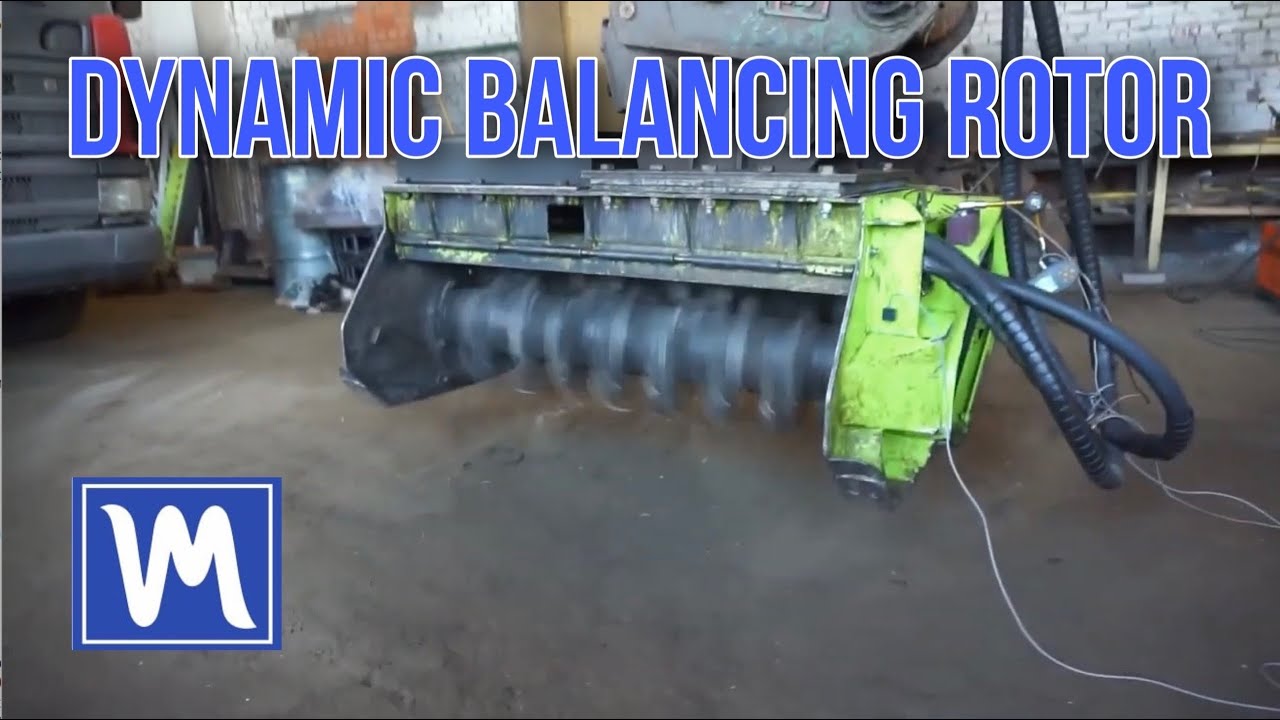
ముందస్తు తనిఖీ మరియు సన్నాహం
పైన ఉన్న చెక్లిస్ట్ను పూర్తి చేయండి. ప్లేన్ 1 (డ్రైవ్-ఎండ్ బేరింగ్) మరియు ప్లేన్ 2 (ఫ్రీ-ఎండ్ బేరింగ్) గుర్తు పెట్టండి. మీ ట్రయల్ వెయిట్ తో 10% ఫోర్స్ రూల్: దీని సెంట్రిఫ్యూగల్ ఫోర్స్ రోటర్ బరువులో పదో వంతు దగ్గర ఉండాలి — mట్రయల్ [kg] = 0.1 × M × g / (r × ω²). 250 మిమీ మౌంటింగ్ రేడియస్తో 1,900 RPM వద్ద 420 కేజీ డ్రమ్కు ఇది సుమారు 40 గ్రాములు అవుతుంది. లక్ష్యం: బేరింగ్లను హామర్ చేయకుండా వైబ్రేషన్ యాంప్లిట్యూడ్ లేదా ఫేజ్లో స్పష్టమైన 20–30% మార్పు.
సెన్సార్లు మరియు టాకోమీటర్ అమర్చడం
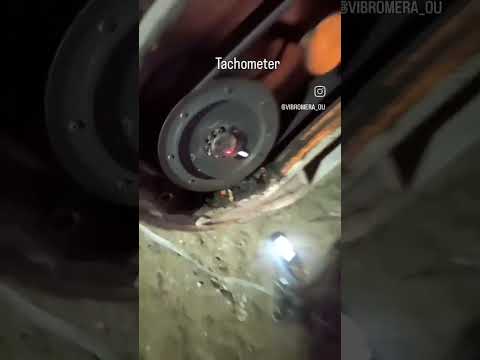
ప్లేన్ 1 వద్ద బేరింగ్ హౌసింగ్పై వైబ్రేషన్ సెన్సర్ 1, ప్లేన్ 2 వద్ద సెన్సర్ 2. మాగ్నెటిక్ బేస్లు, దిశలో అమర్చబడి రోటర్ అక్షానికి లంబంగా. మౌంటింగ్ ఉపరితలాన్ని శుభ్రం చేయండి — నూనె మాగ్నెటిక్ హోల్డ్ను తగ్గిస్తుంది. డ్రమ్ లేదా పుల్లీపై రిఫ్లెక్టివ్ టేప్. మాగ్నెటిక్ స్టాండ్పై లేజర్ టాకోమీటర్, టేప్పై గురిపెట్టి.
రన్ 0 — ప్రారంభ వైబ్రేషన్
సాఫ్ట్వేర్ను ప్రారంభించండి, ఎంచుకోండి టూ-ప్లేన్ బ్యాలెన్సింగ్. రోటర్ను ఆపరేటింగ్ RPM వద్ద ప్రారంభించండి. వేగం స్థిరపడటానికి 5–10 సెకన్లు వేచి ఉండండి. రెండు సెన్సర్ల వద్ద బేస్లైన్ వైబ్రేషన్ (mm/s) మరియు ఫేజ్ను రికార్డ్ చేయండి. ఇవి మీ "ముందు" సంఖ్యలు.
రన్ 1 — ట్రయల్ వెయిట్, ప్లేన్ 1
రోటర్ను ఆపండి. సాఫ్ట్వేర్లో ట్రయల్ వెయిట్ మాస్ మరియు రేడియస్ను నమోదు చేయండి. ప్లేన్ 1కు ట్రయల్ వెయిట్ను బోల్ట్ చేయండి. రిఫ్లెక్టివ్ టేప్ మార్క్ నుండి కోణాన్ని (భ్రమణ దిశ) గమనించండి. రోటర్ను నడిపి, రికార్డ్ చేయండి. ఆపండి. ట్రయల్ వెయిట్ను తొలగించండి. యాంప్లిట్యూడ్ లేదా ఫేజ్లో ≥20% మార్పును ధృవీకరించండి.
రన్ 2 — ట్రయల్ వెయిట్, ప్లేన్ 2
ప్లేన్ 2 వద్ద అదే ట్రయల్ వెయిట్. కోణాన్ని గుర్తించండి. రన్ చేయండి, రికార్డ్ చేయండి. ఆపండి. ట్రయల్ వెయిట్ను తొలగించండి. ఇప్పుడు సాఫ్ట్వేర్ వద్ద మూడు డేటా పాయింట్లు ఉన్నాయి మరియు ఇన్ఫ్లుయెన్స్ కోఎఫిషియెంట్లను లెక్కిస్తుంది.
శాశ్వత దిద్దుబాటు వెయిట్లు అమర్చడం
సాఫ్ట్వేర్ చూపిస్తుంది దిద్దుబాటు బరువు ప్రతి ప్లేన్ కోసం మాస్ మరియు కోణం. లెక్కించిన బరువులకు స్టీల్ ముక్కలను కత్తిరించండి (స్కేల్ ఉపయోగించండి). రొటేషన్ దిశలో టేప్ గుర్తు నుండి కోణాలను కొలవండి. మంచి పెనెట్రేషన్తో వెల్డ్ చేయండి — ఈ బరువులు సంవత్సరాల తరబడి ప్రభావాలను తట్టుకోవాలి.
ధృవీకరణ మరియు డాక్యుమెంటేషన్
చివరి రన్. లక్ష్యం: జోన్ B లేదా అంతకంటే మెరుగైనది — రిజిడ్ మౌంటింగ్పై గ్రూప్ 2 మెషిన్ కోసం దీని అర్థం ≤ 2.8 mm/s, మరియు 1.4 mm/s కంటే తక్కువ ఉంటే జోన్ A, కొత్త-మెషిన్ స్థితి (ఫ్లెక్సిబుల్ మౌంటింగ్పై B/C సరిహద్దు 4.5 mm/s). ఒకవేళ అవశేష అసమతుల్యత ఇప్పటికీ చాలా ఎక్కువగా ఉంటే, ట్రిమ్ బ్యాలెన్స్ చేయండి. రిపోర్ట్ను సేవ్ చేయండి. మెషిన్కు అతికించిన లేబుల్పై బ్యాలెన్స్ తేదీ మరియు రెసిడ్యువల్ వైబ్రేషన్ను రాయండి.
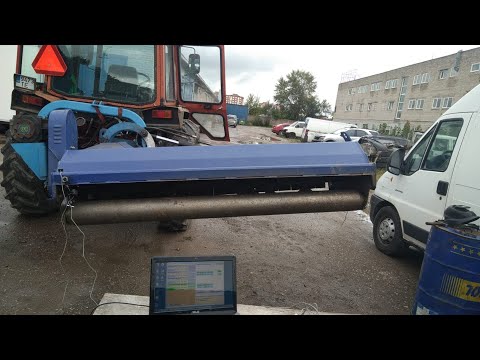
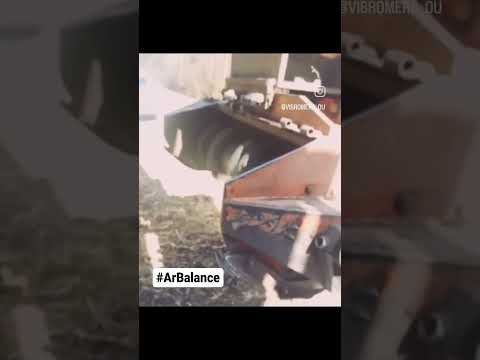
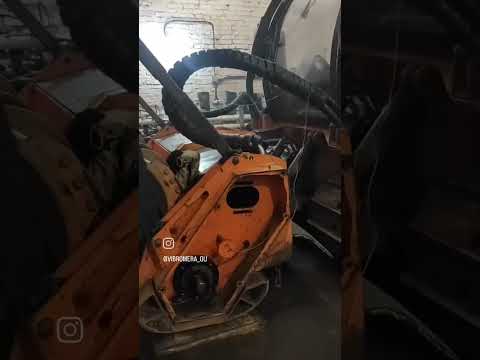
ఫీల్డ్ రిపోర్ట్: ఎక్స్కవేటర్-మౌంటెడ్ మల్చర్, దక్షిణ పోర్చుగల్
యంత్రం: 25-టన్నుల ఎక్స్కవేటర్పై హైడ్రాలిక్ ఫారెస్ట్రీ మల్చర్. డ్రమ్ వ్యాసం 550 mm, పొడవు 1,300 mm, సుమారు 420 kg. 52 స్థిర కార్బైడ్ దంతాలు. హైడ్రాలిక్ మోటార్ ద్వారా 1,900 RPM వద్ద పనిచేస్తుంది.
సమస్య: రెండు నెలల పాటు ప్రతి 8–12 రోజులకు బేరింగ్ రీప్లేస్మెంట్లు. ఫ్రేమ్ మూడు మౌంటింగ్ పాయింట్ల వద్ద పగిలింది — గతంలో రెండుసార్లు వెల్డ్ చేయబడింది. ఆపరేటర్ 4-గంటల షిఫ్ట్ల తర్వాత చేతి తిమ్మిరిని నివేదిస్తున్నారు. కాంట్రాక్టర్ పార్ట్స్ మరియు డౌన్టైమ్లో వారానికి సుమారు €350 నష్టపోతున్నారు.
మేము కనుగొన్నది: మూడు దంతాలు విరిగాయి (భూమిలో పాతిపెట్టిన గ్రానైట్ బండరాయితో ఢీకొనడం వల్ల), ఒక టూత్ హోల్డర్ 5° వంగింది. దంతాలను మార్చి, హోల్డర్ను నిటారుగా చేసిన తర్వాత, ప్రారంభ వైబ్రేషన్: 14.6 mm/s డ్రైవ్ ఎండ్ వద్ద, 12.3 mm/s ఫ్రీ ఎండ్ వద్ద. జోన్ D లో లోతుగా.
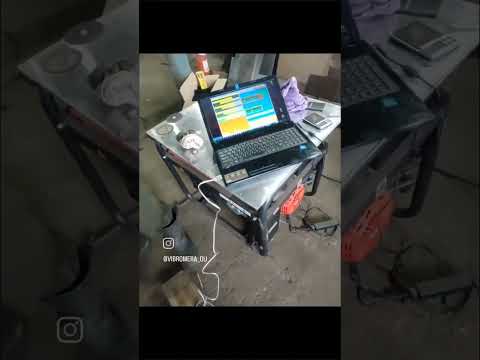
బ్యాలెన్సింగ్: Balanset-1A తో టూ-ప్లేన్ డైనమిక్ బ్యాలెన్సింగ్. ట్రయల్ వెయిట్: 40 g బోల్ట్ మరియు నట్, దాని సెంట్రిఫ్యూగల్ ఫోర్స్ రోటర్ బరువులో 10% దగ్గరగా ఉండేలా సైజ్ చేయబడింది. కరెక్షన్లు: ప్లేన్ 1పై 128° వద్ద 95 g, ప్లేన్ 2పై 251° వద్ద 130 g. డ్రమ్ ఎండ్ ప్లేట్లకు వెల్డ్ చేయబడింది.
ఫలితం: రెసిడ్యువల్ వైబ్రేషన్: 1.8 mm/s డ్రైవ్ ఎండ్, 2.1 mm/s ఫ్రీ ఎండ్ — లోతైన జోన్ D నుండి జోన్ B లోకి, 1.4 mm/s జోన్ A సరిహద్దుకు దగ్గరగా. దంతాల రీప్లేస్మెంట్తో సహా మొత్తం సమయం: 3 గంటలు. బ్యాలెన్సింగ్ మాత్రమే: 50 నిమిషాలు. గణాంకాలు ఈ నిర్దిష్ట జాబ్ నుండి తీసుకున్నవి — ఫలితాలు రోటర్ స్థితిని బట్టి మారుతాయి.

ట్రబుల్షూటింగ్: బ్యాలెన్సింగ్ తర్వాత కూడా వైబ్రేషన్ ఉందా?
1. మెకానికల్ సమస్యలు (అత్యంత సాధారణం)
- అరిగిపోయిన బేరింగ్లు — కొత్త చౌక బేరింగ్లకు కూడా అధిక క్లియరెన్స్ ఉండవచ్చు. ఇన్స్టాలేషన్ తర్వాత ప్లే కోసం తనిఖీ చేయండి.
- వంగిన షాఫ్ట్ — అసమతుల్యత లాగా కనిపించే 1× RPM వైబ్రేషన్ను సృష్టిస్తుంది కానీ బరువులతో సరిదిద్దలేము. డయల్ ఇండికేటర్తో రనౌట్ను తనిఖీ చేయండి: 0.05 mm TIR కంటే ఎక్కువ ఉంటే సమస్య.
- డ్రమ్ లోపల శిధిలాలు — బోలు డ్రమ్లో చిక్కుకున్న మట్టి లేదా కంకర రొటేషన్ సమయంలో మారుతుంది. అస్థిరమైన, పునరావృతం కాని రీడింగ్లు = లోపలిభాగాన్ని శుభ్రం చేయండి.
- పగిలిన ఫ్రేమ్ — స్టిఫ్నెస్ను మారుస్తుంది మరియు రెసొనెన్స్ను సృష్టిస్తుంది. ఫ్రేమ్పై నొక్కి వైబ్రేషన్లో టోన్ మార్పుల కోసం వినండి.
2. బ్యాలెన్సింగ్ సమయంలో పరిస్థితులు
- ప్రతిధ్వని — స్ట్రక్చరల్ నేచురల్ ఫ్రీక్వెన్సీకి దగ్గరగా ఆపరేటింగ్ RPM చిన్న అసమతుల్యతను కూడా పెంచుతుంది. వీలైతే ±10% RPM ప్రయత్నించండి.
- RPM హెచ్చుతగ్గు — హైడ్రాలిక్ డ్రైవ్లు దీనికి గురయ్యే అవకాశం ఉంది. ఫ్లో కంట్రోల్ను స్థిరంగా ఉంచండి. >5% వ్యత్యాసం ఫేజ్ డేటాను నమ్మదగనిదిగా చేస్తుంది.
- రన్ల మధ్య ఏదైనా మారింది — ఒక సెన్సార్ మారింది, ఒక దంతం ఊడిపోయింది, ఎక్స్కవేటర్ కదిలింది. ఏదైనా మార్పు = రన్ 0 నుండి పునఃప్రారంభించండి.
3. ప్రొసీజర్ లోపాలు
- ట్రయల్ వెయిట్ చాలా తేలికగా ఉంది — 20% కంటే తక్కువ వైబ్రేషన్ మార్పు = లెక్కింపు ఖచ్చితత్వాన్ని కోల్పోతుంది. బరువుగా వెళ్లండి.
- ట్రయల్ వెయిట్ తీసివేయడం మర్చిపోయారు — #1 లోపం. కరెక్షన్లను వెల్డ్ చేసే ముందు అది ఆఫ్లో ఉందని నిర్ధారించుకోండి.
- వెనుకకు కొలిచిన కోణం — రొటేషన్ దిశలో టేప్ గుర్తు నుండి కొలవాలి. వ్యతిరేక దిశలో కొలిస్తే బరువు 180° తప్పుగా ఉంటుంది.
- టాకోమీటర్ మారింది — రన్ల మధ్య లేజర్ కదిలితే ఫేజ్ రీడింగ్లు తప్పుగా ఉంటాయి. దాన్ని గట్టిగా భద్రపరచండి.
Balanset-1A: మల్చర్ పని కోసం కీలక స్పెసిఫికేషన్లు
ఈ గైడ్లోని ప్రతిదీ దీనితో చేయబడింది Balanset-1A — ఇది ఇలాంటి ఫీల్డ్ జాబ్ల కోసం ప్రత్యేకంగా రూపొందించిన రెండు-ఛానల్ పోర్టబుల్ బ్యాలెన్సర్ మరియు వైబ్రేషన్ అనలైజర్. మల్చర్ రోటర్లు 1,200–2,800 RPM వద్ద నడుస్తాయి, ఇది దాని పని పరిధిలో సౌకర్యవంతంగా ఉంటుంది.
| పరామితి | విలువ |
|---|---|
| ఛానెల్స్ / సెన్సార్లు | 2 వైబ్రేషన్ సెన్సార్లు + 1 లేజర్ టాకోమీటర్ |
| సమతుల్యత దిద్దుబాటు తలాలు | 1 లేదా 2 |
| వైబ్రేషన్ వేగం పరిధి | 0.02 – 80 mm/s RMS |
| ఫ్రీక్వెన్సీ పరిధి (బ్యాలెన్సింగ్ & FFT) | 5 – 1,000 Hz (5 నుండి 550 Hz వరకు వ్యాప్తి దోషం ≤10%; 550 నుండి 1000 Hz వరకు 20% వరకు) |
| బ్యాలెన్సింగ్ స్పీడ్ పరిధి | ≈ 300 – 60,000 RPM |
| టాకోమీటర్ పరిధి | 100 – 100,000 RPM |
| టాలరెన్స్ గణన | ISO 21940-11 G-గ్రేడ్లు (గతంలో ISO 1940-1) |
| శక్తి | USB, 5 V DC (ల్యాప్టాప్ నుండి — మెయిన్స్ అడాప్టర్ అవసరం లేదు) |
| ఎన్క్లోజర్ ప్రొటెక్షన్ | IP54 |
| రిపోర్టులు | PDF ఎగుమతి, జాబ్ ఆర్కైవ్ |
పూర్తి కిట్: మెజర్మెంట్ యూనిట్, రెండు వైబ్రేషన్ సెన్సార్లు, మాగ్నెటిక్ స్టాండ్తో లేజర్ టాకోమీటర్, రిఫ్లెక్టివ్ టేప్, స్కేల్స్ మరియు సాఫ్ట్వేర్.
Balanset-1A చూడండి →తరచుగా అడిగే ప్రశ్నలు
మల్చర్ నుండి రోటర్ను తీయకుండా దాన్ని బ్యాలెన్స్ చేయవచ్చా?
అవును — ఇన్-సిటు (ఆన్-సైట్) బ్యాలెన్సింగ్ ప్రాధాన్యత గల పద్ధతి. సెన్సార్లు బేరింగ్ హౌసింగ్లపై అమర్చబడతాయి, రోటర్ ఆపరేటింగ్ RPM వద్ద తిరుగుతుంది, మరియు Balanset-1A కరెక్షన్లను లెక్కిస్తుంది. కొలత వాస్తవ బేరింగ్ ఫిట్, హౌసింగ్ అలైన్మెంట్ మరియు ఆపరేటింగ్ పరిస్థితులను ప్రతిబింబించడం వల్ల ఫలితాలు తరచుగా షాప్ బ్యాలెన్సింగ్ కంటే మెరుగ్గా ఉంటాయి. చాలా జాబ్లు 45–90 నిమిషాలు పడతాయి.
మల్చర్కు ఏ బ్యాలెన్స్ క్వాలిటీ గ్రేడ్ (ISO 21940-11) అవసరం?
ISO 21940-11 (గతంలో ISO 1940-1) టేబుల్ 1 ప్రకారం, వ్యవసాయ యంత్రాలు — మల్చర్లతో సహా — గ్రేడ్ G16. కొన్ని అధిక-RPM స్కిడ్-స్టీర్ మల్చర్లు మరింత కఠినమైన G6.3. Balanset-1A సాఫ్ట్వేర్ మీ రోటర్ మాస్ మరియు RPM ఆధారంగా గ్రాముల్లో ఖచ్చితమైన అనుమతించదగిన అవశేష అసమతుల్యతను లెక్కిస్తుంది — మాన్యువల్ టేబుల్ చూడాల్సిన అవసరం లేదు.
నేను ఎంత తరచుగా రీ-బ్యాలెన్స్ చేయాలి?
ఏదైనా మాస్ మార్పు తర్వాత: దంతాల మార్పిడి, హార్డ్-ఫేసింగ్, వెల్డింగ్, ఇంపాక్ట్ డ్యామేజ్. తీవ్రమైన అటవీ పనిలో (రాయి, పాతిపెట్టిన శిథిలాలు), ప్రతి 100–200 ఆపరేటింగ్ గంటలు. తేలికైన పరిస్థితుల్లో, వైబ్రేషన్ గమనించదగ్గంతగా పెరిగినప్పుడు బ్యాలెన్స్ చేయండి. అటవీ పనిలో దంతాలు క్రమం తప్పకుండా విరుగుతాయి — ప్రతి ముఖ్యమైన దంతాల మార్పిడి తర్వాత రీ-బ్యాలెన్స్ చేయాల్సి ఉంటుందని ఊహించండి.
షాప్ రోటర్ను బ్యాలెన్స్ చేసిన తర్వాత కూడా నా మల్చర్ ఎందుకు వణుకుతోంది?
షాప్ దానిని వారి ప్రెసిషన్ బేరింగ్లపై వారి ఫిక్చర్లతో బ్యాలెన్స్ చేసింది — మీవి కావు. రీఇన్స్టాలేషన్ వేర్వేరు బేరింగ్ క్లియరెన్స్లు, హౌసింగ్ అరుగుదల, కీవే ఫిట్ మరియు PTO అలైన్మెంట్ నుండి అసమతుల్యతను తీసుకువస్తుంది. రీఇన్స్టాలేషన్ తర్వాత ఇన్-సిటు బ్యాలెన్సింగ్ సాధారణంగా వైబ్రేషన్ను మరింత తగ్గిస్తుంది ఎందుకంటే ఇది మీ వాస్తవ ఆపరేటింగ్ వాతావరణంలో ప్రతిదాన్ని సరిచేస్తుంది.
మల్చర్ బ్యాలెన్సింగ్ ఖర్చు ఎంత?
ప్రొఫెషనల్ బ్యాలెన్సింగ్ సర్వీస్: సాధారణంగా €300–€600 ఒక్కో జాబ్కు, మారుమూల ప్రాంతాల్లో ఎక్కువ. Balanset-1A ఒకసారి కొనుగోలు (ప్రస్తుత ధర ప్రొడక్ట్ పేజీ) ఇది అపరిమిత జాబ్లను నిర్వహిస్తుంది — సాధారణంగా మొదటి కొన్ని సెల్ఫ్-సర్వీస్ బ్యాలెన్సింగ్ ఆపరేషన్లలోనే ఇది తనకు తానే చెల్లించుకుంటుంది. మీరు బహుళ మల్చర్లను నిర్వహిస్తే లేదా బ్యాలెన్సింగ్ను సైడ్ సర్వీస్గా అందిస్తే, ROI తక్షణమే వస్తుంది.
Balanset-1A ఉపయోగించడానికి శిక్షణ అవసరమా?
సర్టిఫికేషన్ అవసరం లేదు. సాఫ్ట్వేర్ ప్రతి దశ ద్వారా మిమ్మల్ని నడిపిస్తుంది — సెన్సార్లు అమర్చండి, రోటర్ను నడపండి, ట్రయల్ వెయిట్ను జోడించండి, మళ్లీ నడపండి, కరెక్షన్లను వెల్డ్ చేయండి. చాలా మంది ఆపరేటర్లు 2–3 ప్రాక్టీస్ జాబ్ల తర్వాత నమ్మకంగా భావిస్తారు. Vibromera అందిస్తుంది వీడియో ట్యుటోరియల్లు, వివరణాత్మక మాన్యువల్, మరియు WhatsApp ద్వారా ప్రత్యక్ష సాంకేతిక మద్దతు.
మీ మల్చర్ కంపించాల్సిన అవసరం లేదు
అసమతుల్యమైన రోటర్ ఒక టిక్కింగ్ క్లాక్ లాంటిది — ఆపరేషన్లో ప్రతి గంట బేరింగ్లను అరిగిస్తుంది, వెల్డ్లను పగలగొడుతుంది మరియు ట్రాక్టర్ను దెబ్బతీస్తుంది. కానీ ఇది పరిష్కరించదగిన సమస్య. తయారీ మరియు Balanset-1A, తో మీరు మల్చర్ను 14.6 mm/s నుండి 1.8 mm/s వరకు — మా పైన ఉన్న ఫీల్డ్ కేస్లో వలె — ఒక గంట లోపు, ఫీల్డ్లోనే, రోటర్ను తీయకుండానే.
పెట్టుబడి నివారించబడిన బ్రేక్డౌన్ల ద్వారా తనకు తానే చెల్లించుకుంటుంది. నిజమైన ప్రతిఫలం తర్వాత వచ్చే వారాల సాఫీ ఆపరేషన్ — రోజువారీ బేరింగ్ మార్పిడులు లేవు, పగిలిన ఫ్రేమ్లు లేవు, తిమ్మిరి పట్టిన చేతులు లేవు.
రోటర్ను బ్యాలెన్స్ చేయండి. మూల కారణాన్ని సరిచేయండి. మిగతావన్నీ దానంతట అదే జరుగుతాయి.

Nikolai Shelkovenko
Nikolai Shelkovenko వైబ్రేషన్ విశ్లేషణ ఇంజనీర్, అలాగే Vibromera స్థాపకుడు మరియు ముఖ్య కార్యనిర్వహణాధికారి. 15 ఏళ్లకు పైగా ఆయన తిరిగే యంత్రాలను టెస్ట్ బెంచ్ మీద కాకుండా, పని జరిగే చోటే బ్యాలెన్స్ చేస్తూ వచ్చారు: మల్చర్లు, పారిశ్రామిక ఫ్యాన్లు, క్రషర్లు, సెంట్రిఫ్యూజ్లు, షాఫ్ట్లు మరియు స్పిండిల్స్. ఈ పని నుంచే Balanset పరికరాలు పుట్టుకొచ్చాయి — నిపుణుడు యంత్రం దగ్గరికి తీసుకెళ్లి అక్కడే ఒక్కడే ఉపయోగించగలిగే సాధనంగా వీటిని రూపొందించారు, ప్రయోగశాల పరికరంగా కాదు. Vibromera 2017లో స్థాపించబడింది, 2023 నుంచి పోర్చుగల్లోని పోర్తో నగరంలో ఉంది. Balanset శ్రేణి అభివృద్ధి, అసెంబ్లీ, మద్దతు అన్నీ ఇక్కడే జరుగుతాయి. ప్రధాన పరికరం Balanset-1A — ఒకటి మరియు రెండు తలాలలో బ్యాలెన్సింగ్కు, వైబ్రేషన్ డయాగ్నస్టిక్స్కు ఉపయోగపడే పోర్టబుల్ ఎనలైజర్. Nikolai స్వయంగా కస్టమర్ మద్దతులో, కష్టమైన బ్యాలెన్సింగ్ కేసులను పరిష్కరించడంలో మరియు సాఫ్ట్వేర్ అభివృద్ధిలో పాల్గొంటారు. ఆయన ప్రపంచవ్యాప్తంగా ఉన్న కస్టమర్లతో, ఏ భాషలోనైనా పని చేస్తారు.

