వాయుగతిక శక్తులను అర్థం చేసుకోవడం

వాయుగతిక శక్తులు అనేవి ఫ్యాన్లు, బ్లోయర్లు, కంప్రెసర్లు మరియు టర్బైన్ల యొక్క తిరిగే మరియు స్థిర భాగాలపై కదులుతున్న గాలి లేదా వాయువు చూపే శక్తులు. అవి బ్లేడ్ ఉపరితలాలలో ఒత్తిడి వ్యత్యాసాల నుండి, ప్రవహించే వాయువులోని ద్రవ్యవేగ మార్పుల నుండి, మరియు ద్రవం మరియు అది ప్రవహించే నిర్మాణం మధ్య నిరంతర పరస్పర చర్య నుండి ఉత్పన్నమవుతాయి. ఈ శక్తులు స్థిరమైన భాగాలను — థ్రస్ట్ మరియు రేడియల్ లోడ్లను — మరియు అస్థిరమైన వాటిని, ఉదాహరణకు స్పందించే వేగంతో పల్సేషన్లను వ్యాపించాయి బ్లేడ్ పాసింగ్ పౌనఃపున్యం మరియు అల్లకల్లోలం యొక్క యాదృచ్ఛిక బఫెటింగ్. కలిసి అవి వైబ్రేషన్, బేరింగ్లు మరియు కేసింగ్లపై లోడ్ పెడతాయి, మరియు కొన్ని సందర్భాల్లో యంత్రాన్ని నాశనం చేయగల స్వయం-ఉత్తేజిత అస్థిరతలను నడిపిస్తాయి.
వాయుగతి శక్తులు అనేవి హైడ్రాలిక్ బలాలు పంప్లలో కనుగొనబడే వాటికి గ్యాస్-దశ సమానమైనవి, కానీ మూడు ముఖ్యమైన తేడాలతో: వాయువు సంపీడ్యమైనది, దాని సాంద్రత ఒత్తిడి మరియు ఉష్ణోగ్రతతో బాగా మారుతుంది, మరియు ఇది యంత్రం మరియు దాని డక్ట్వర్క్తో ధ్వని రీతిలో అనుసంధానమవుతుంది. ఆ ధ్వని అనుసంధానం అసంపీడ్య ద్రవ వ్యవస్థలో ఉండని రెసొనెన్సులు మరియు అస్థిరతలను సృష్టించగలదు, అందుకే ఫ్యాన్ మరియు కంప్రెసర్ సమస్యలు తరచుగా స్పెక్ట్రంపై పంప్ సమస్యల కంటే చాలా భిన్నంగా కనిపిస్తాయి.
1. వాయుగతి శక్తుల రకాలు
1. థ్రస్ట్ శక్తులు
ఇవి బ్లేడ్ ఉపరితలాలపై ఒత్తిడి వల్ల ఉత్పన్నమయ్యే అక్షీయ శక్తులు:
- సెంట్రిఫ్యూగల్ ఫ్యాన్లు: ఒత్తిడి వ్యత్యాసం ఇన్లెట్ వైపు నిర్దేశిత థ్రస్ట్ను సృష్టిస్తుంది.
- అక్షీయ ఫ్యాన్లు: గాలిని వేగవంతం చేయడానికి ప్రతిచర్య ఒక అక్షీయ శక్తిని ఉత్పత్తి చేస్తుంది.
- టర్బైన్లు: బ్లేడింగ్ అంతటా వాయువు విస్తరణ పెద్ద థ్రస్ట్ను సృష్టిస్తుంది.
- పరిమాణం: ఒత్తిడి పెరుగుదల మరియు ప్రవాహ రేటుకు దాదాపు అనుపాతంలో ఉంటుంది.
- ప్రభావం: ఇది లోడ్ చేస్తుంది థ్రస్ట్ బేరింగ్ మరియు ఉత్పత్తి చేస్తుంది అక్షసంబంధ కంపనం.
2. రేడియల్ బలాలు
ఇవి రోటర్ చుట్టూ అసమాన పీడన పంపిణీ వల్ల ఏర్పడే పార్శ్వ శక్తులు. ఇవి రెండు విభిన్న రూపాలలో కనిపిస్తాయి.
స్థిర రేడియల్ బలం:
- హౌసింగ్ లేదా డక్ట్వర్క్లో అసమాన పీడనం వల్ల కలుగుతుంది.
- ఆపరేటింగ్ పాయింట్తో, అంటే ప్రవాహ రేటుతో మారుతుంది.
- డిజైన్ పాయింట్ వద్ద కనిష్ట స్థాయికి చేరుకుంటుంది.
- బేరింగ్ లోడింగ్ మరియు 1× వైబ్రేషన్ కాంపోనెంట్ను సృష్టిస్తుంది.
భ్రమణ రేడియల్ శక్తి:
- ఇంపెల్లర్ లేదా రోటర్ అసమాన ఏరోడైనమిక్ లోడ్ను మోసినప్పుడు ఉత్పన్నమవుతుంది.
- శక్తి రోటర్తో పాటు భ్రమణం చేస్తుంది.
- ఇది సరిగ్గా యాంత్రిక అన్బ్యాలెన్స్లా కనిపించే 1× వైబ్రేషన్ను సృష్టిస్తుంది అసమతుల్యత.
- ఇది వాస్తవ యాంత్రిక అన్బ్యాలెన్స్కు వెక్టర్ రూపంలో కలుస్తుంది, అందువల్ల ఒక ఫ్యాన్ కేవలం దాని ఆపరేటింగ్ పాయింట్ మారినప్పుడు మాత్రమే “బ్యాలెన్స్ తప్పినట్లు” కనిపించవచ్చు.
3. బ్లేడ్ పాసింగ్ స్పందనలు
ఇవి బ్లేడ్లు ఒక స్థిర బిందువును దాటే రేటులో ఆవర్తన పీడన స్పందనలు:
- ఫ్రీక్వెన్సీ: బ్లేడ్ల సంఖ్య × RPM / 60 — మన బ్లేడ్ పాస్ పౌనఃపున్య కాల్క్యులేటర్ నేరుగా తిరిగి వస్తుంది.
- కారణం: ప్రతి బ్లేడ్ ప్రవాహ క్షేత్రాన్ని చెదరగొట్టి పీడన స్పందనను విడుదల చేస్తుంది.
- పరస్పర చర్య: ఇది భ్రమణ బ్లేడ్లు మరియు స్థిర స్ట్రట్లు, వేన్లు లేదా హౌసింగ్ టంగ్ మధ్య జరుగుతుంది.
- అమ్ప్లిట్యూడ్: బ్లేడ్-స్టేటర్ క్లియరెన్స్ మరియు ప్రవాహ పరిస్థితులపై ఆధారపడుతుంది.
- ప్రభావం: ఫ్యాన్లు మరియు కంప్రెసర్లలో టోనల్ నాయిస్ మరియు వైబ్రేషన్కు ఇది ప్రాథమిక మూలం.
4. అలజడి-ప్రేరిత బలాలు
- యాదృచ్ఛిక శక్తులు: అల్లకల్లోలపు ఎడ్డీలు మరియు ప్రవాహ వేర్పాటు వల్ల ఉత్పన్నమవుతుంది.
- వెడల్పాటి స్పెక్ట్రమ్: శక్తి టోన్లలో కేంద్రీకృతం కాకుండా విస్తృత ఫ్రీక్వెన్సీ పరిధిలో వ్యాపించి ఉంటుంది.
- ప్రవాహ-ఆధారితం: అవి దానితో పాటు పెరుగుతాయి రేనాల్డ్స్ సంఖ్య మరియు డిజైన్-రహిత ఆపరేషన్తో.
- ఫెటిగ్ ఆందోళన: ఈ యాదృచ్ఛిక లోడింగ్ కాలక్రమేణా కాంపోనెంట్ ఫెటిగ్కు దోహదపడుతుంది.
5. అస్థిర-ప్రవాహ బలాలు
రొటేటింగ్ స్టాల్:
- వలయం చుట్టూ భ్రమణం చేసే స్థానికీకృత ప్రవాహ వేర్పాటు ప్రాంతం.
- ఒక వద్ద కనిపిస్తుంది ఉప-సింక్రోనస్ పౌనఃపున్యం, సుమారు 0.2–0.8× రోటర్ వేగం.
- తీవ్రమైన అస్థిర బలాలను సృష్టిస్తుంది.
- కంప్రెసర్లలో తక్కువ ప్రవాహం వద్ద సాధారణంగా కనిపిస్తుంది.
- సిస్టమ్-వ్యాప్త ప్రవాహ డోలనం, ప్రవాహం ముందుకు మరియు వెనుకకు మార్పిడి అవుతూ ఉంటుంది.
- చాలా తక్కువ ఫ్రీక్వెన్సీ, సుమారు 0.5–10 Hz.
- అత్యంత అధిక బల వ్యాప్తులు.
- ఇది కొనసాగడానికి అనుమతిస్తే కంప్రెసర్ను నాశనం చేయగలదు.
2. ఏరోడైనమిక్ వనరుల నుండి వైబ్రేషన్
బ్లేడ్ పాసింగ్ ఫ్రీక్వెన్సీ (BPF)
- ప్రబలమైన ఏరోడైనమిక్ వైబ్రేషన్ కాంపోనెంట్.
- దాని వ్యాప్తి ఆపరేటింగ్ పాయింట్తో మారుతుంది.
- డిజైన్-రహిత పరిస్థితులలో ఇది అధికంగా ఉంటుంది.
- ఇది ఒక నిర్మాణాత్మక లేదా బ్లేడ్ రెసొనెన్స్.
తక్కువ పౌనఃపున్య స్పందనలు
- మూలం రీసర్క్యులేషన్, స్టాల్, లేదా సర్జ్ నుండి.
- వ్యాప్తిలో తీవ్రంగా ఉంటాయి — అవి 1× వైబ్రేషన్ను మించిపోవచ్చు.
- ఇవి డిజైన్ పాయింట్ నుండి చాలా దూరంగా నిర్వహించబడుతున్నాయని సూచిస్తాయి.
- అవి యాంత్రిక మరమ్మత్తు కాదు, ఆపరేటింగ్ పరిస్థితులలో మార్పు అవసరమని సూచిస్తాయి.
వెడల్పాటి కంపనం
- దీని ద్వారా ఉత్పత్తి చేయబడుతుంది టర్బ్యులెన్స్ మరియు ప్రవాహ శబ్దం.
- అధిక-వేగ ప్రాంతాలలో పెరిగి ఉంటుంది.
- ప్రవాహ రేటు మరియు అల్లకల్లోల తీవ్రతతో పెరుగుతుంది.
- టోనల్ కాంపోనెంట్ల కంటే తక్కువ ఆందోళనకరం, కానీ ప్రవాహ నాణ్యతకు ఉపయోగకరమైన సూచిక.
3. యాంత్రిక ప్రభావాలతో అనుసంధానం
ఏరోడైనమిక్–యాంత్రిక పరస్పర చర్య
- వాయుగతి శక్తులు రోటర్ను వంచుతాయి.
- ఆ వంపు నడుస్తున్న అంతరాళాలను మారుస్తుంది, ఇది తిరిగి వాయుగతి శక్తులను మారుస్తుంది.
- ఈ అభిప్రాయం ఒక సంయుక్త అస్థిరతను సృష్టించగలదు.
- ఒక క్లాసిక్ ఉదాహరణ సీల్స్లోని వాయుగతి శక్తులు కారణమవుతున్నాయి రోటర్ అస్థిరత — దగ్గరగా సంబంధించినది స్టీమ్ వర్ల్ టర్బైన్లలో కనిపిస్తుంది.
వాయుగతి డంపింగ్
- వాయు నిరోధం సాధారణంగా నిర్మాణాత్మక కంపనానికి అవమర్దనం అందిస్తుంది.
- ఆ ప్రభావం సాధారణంగా సానుకూలంగా ఉంటుంది, అంటే స్థిరీకరించే రీతిలో.
- కానీ కొన్ని ప్రవాహ పరిస్థితులలో అది ప్రతికూలంగా మరియు అస్థిరీకరించే రీతిగా మారవచ్చు.
- ఇది ఒక ముఖ్యమైన పరిగణన రోటర్ డైనమిక్స్ టర్బో యంత్రాల యొక్క.
4. డిజైన్ పరిశీలనలు
బలాలను తగ్గించడం
- బ్లేడ్ కోణాలు మరియు అంతరాళాన్ని అనుకూలీకరించండి.
- స్పందనాలను తగ్గించడానికి డిఫ్యూజర్లు లేదా వేన్లెస్ స్థలాన్ని ఉపయోగించండి.
- విస్తృత, స్థిరమైన నిర్వహణ పరిధి కోసం రూపకల్పన చేయండి.
- శబ్ద అనుకంపనాలను నివారించే బ్లేడ్ సంఖ్యను ఎంచుకోండి.
నిర్మాణాత్మక రూపకల్పన
- యాంత్రిక భారాలతో పాటు వాయుగతి భారాలకు అనుగుణంగా బేరింగ్లను పరిమాణం నిర్ణయించండి.
- వాయుగతి శక్తి వల్ల కలిగే వంపును పరిమితం చేయడానికి షాఫ్ట్ను తగినంత దృఢంగా తయారు చేయండి.
- బ్లేడ్ను వేరు చేయండి సహజ పౌనఃపున్యాలు ఉద్దీపన వనరుల నుండి.
- ఒత్తిడి స్పందన భారాల కోసం కేసింగ్ మరియు నిర్మాణాన్ని రూపకల్పన చేయండి.
5. నిర్వహణ వ్యూహాలు మరియు క్షేత్ర కొలత
సరైన పని స్థానం
- అత్యల్ప వాయుగతి శక్తుల కోసం డిజైన్ పాయింట్ సమీపంలో నిర్వహించండి.
- చాలా తక్కువ ప్రవాహాన్ని నివారించండి, ఇది పునఃప్రసరణ మరియు స్టాల్ను ఆహ్వానిస్తుంది.
- చాలా అధిక ప్రవాహాన్ని నివారించండి, ఇది వేగం మరియు అల్లకల్లోలాన్ని పెంచుతుంది.
- డిమాండ్ మారుతున్నప్పుడు సరైన పాయింట్ను నిర్వహించడానికి వేరియబుల్ వేగాన్ని ఉపయోగించండి — అఫినిటీ నియమాలు ప్రవాహం, హెడ్ మరియు శక్తి వేగంతో ఎలా స్కేల్ అవుతాయో వివరిస్తుంది.
అస్థిరతలను నివారించడం
- కంప్రెసర్లలో సర్జ్ లైన్కు కుడివైపు ఉండండి.
- యాంటీ-సర్జ్ నియంత్రణను అమలు చేయండి.
- స్టాల్ ప్రారంభానికి పర్యవేక్షించండి.
- ఫ్యాన్లు మరియు కంప్రెసర్లు రెండింటికీ కనీస ప్రవాహ రక్షణ అందించండి.
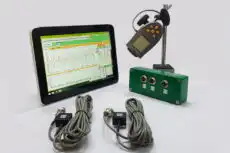
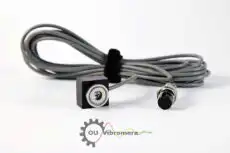
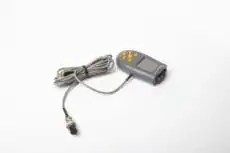
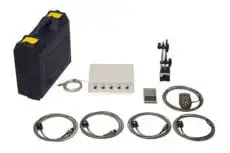
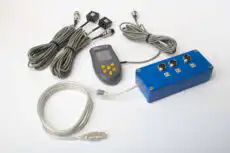
క్షేత్రంలో, ఆచరణాత్మక సవాలు వాయుగతి సమస్యను యాంత్రిక సమస్య నుండి వేరు చేయడం, ఎందుకంటే రెండూ 1× లేదా BPF శిఖరాలను పెంచగలవు. Balanset-1A వంటి పోర్టబుల్ రెండు-చానల్ విశ్లేషకం Balanset-1A ఆ రేఖను గీయడానికి సహాయపడుతుంది: స్పెక్ట్రమ్ మరియు 1× ని క్యాప్చర్ చేయడం ద్వారా వ్యాప్తి మరియు దశ అనేక నిర్వహణ పాయింట్ల వద్ద, ఒక ఇంజనీర్ ఒక శిఖరం నడుస్తున్న వేగాన్ని అనుసరిస్తుందా మరియు భారంతో స్థిరంగా ఉంటుందా — యాంత్రిక అసమతుల్యతకు సూచిస్తుంది — లేదా ప్రవాహం మారుతున్నప్పుడు పెరుగుతుందా మరియు మారుతుందా, వాయుగతి మూలానికి సూచిస్తుందా అని చూడగలరు. 1× భాగం నిజమైన యాంత్రిక అసమతుల్యత అని నిరూపితమైన చోట, అదే పరికరం ఫ్యాన్ లేదా ఇంపెల్లర్ను అక్కడే బ్యాలన్స్ చేస్తుంది, కాబట్టి వాయుగతి సహభాగాన్ని తర్వాత దాని స్వంత నిబంధనలపై పరిష్కరించవచ్చు.
వాయుగతి శక్తులు, చివరికి, ప్రతి గాలి-కదిలే మరియు వాయువు-నిర్వహించే యంత్రం యొక్క నిర్వహణ మరియు విశ్వసనీయతకు ప్రాథమికమైనవి. ఈ శక్తులు నిర్వహణ పరిస్థితులతో ఎలా మారుతాయో అర్థం చేసుకోవడం, వాటి విభిన్న కంపన సంతకాలను గుర్తించడం, మరియు అస్థిర భాగాలను చిన్నగా ఉంచడానికి — ముఖ్యంగా డిజైన్ పాయింట్ సమీపంలో నిర్వహించడం ద్వారా — పరికరాలను రూపకల్పన చేయడం మరియు నిర్వహించడం రెండూ — ఇండస్ట్రీ అంతటా ఫ్యాన్లు, బ్లోయర్లు, కంప్రెసర్లు మరియు టర్బైన్ల నుండి విశ్వసనీయమైన, సమర్థవంతమైన సేవను అందించేది. వాయుగతి లోడింగ్ వేగవంతం చేయగల సంబంధిత ఫ్యాన్ లోపాలు మరియు ఇంపెల్లర్ లోపాలు ని గుర్తించడం విశ్లేషణాత్మక చిత్రాన్ని పూర్తి చేస్తుంది.

