理解旋轉機械中的偏心
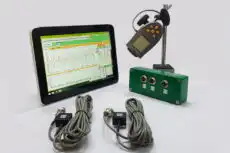


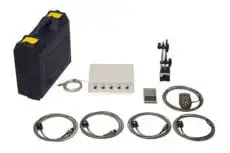



在 轉子動力學, 偏心 是轉子質心(其重心)與幾何中心(即軸的真實中心)之間的徑向偏移。在完美平衡的轉子中,這兩個中心會重合,但製造瑕疵和材料密度不均勻保證了幾乎總是會殘留一些偏心。當偏心轉子旋轉時,離心質量會產生 離心力,而該力是 不平衡 振動。換句話說,偏心是造成最常見機械故障的幾何根源。
1. 定義:什麼是偏心?
偏心是一種距離——通常只有幾微米——垂直於旋轉軸測量,表示質量實際中心與軸旋轉中心之間的偏移。由於它是質量分佈的特性,而非表面外觀的特性,因此真正的質量偏心無法用肉眼看見,也無法在靜止的轉子上用千分表讀出。它只有在轉子旋轉、偏移質量開始每轉產生一次向外的離心力時才會顯現。
2. 偏心與不平衡的直接關係
偏心與不平衡是一體兩面。 不平衡是偏心在特定轉速下產生的效應量度;偏心則是物理成因。 不平衡量與轉子的質量及其偏心量成正比:
不平衡量 (U) = 質量 (M) × 偏心量 (e)
這個簡單的乘積說明了為什麼偏心如此關鍵。它產生的離心力會隨著 平方 旋轉速度的平方增長,因此即使在重型高速轉子上只有幾微米的偏心,也能產生巨大的力,導致嚴重的 振動 振動 軸承磨損。您可以使用某個工具,看出該力隨質量、偏心率與轉速陡升的程度 軸承磨損。您可以使用.
不平衡離心力計算器
來觀察該力如何隨著質量、偏心和轉速陡峭上升。
3. 偏心的類型
上文定義的真實偏心度——即質心與幾何中心之間的偏移量。這正是造成不平衡的原因,也是每次平衡程序所要處理的目標。它無法在靜止的轉子上直接用千分表測得;它只會在動態中顯現,表現為每轉一次的作用力,其方向(即重點角度)可由 相位 質量偏心
上述定義的真正偏心——質量中心與幾何中心之間的偏移。這會導致不平衡,也是所有動平衡校正程序的目標。它無法在靜止轉子上直接用千分表測量;它只會動態顯現,作為每轉一次的力,其方向(重點角度)可從
轉子表面偏離完美圓形的程度——衡量軸或轉子有多麼「不圓」的指標,也稱為 機械偏擺。軸頸可能略呈橢圓,或皮帶輪在其軸上加工偏心。與質量偏心不同,這 幾何偏心(偏擺) 可在慢轉過程中用千分表測得。它並不直接代表質量不平衡,但偏心的幾何形狀往往會助長不平衡的產生。與此相關但有所區別的概念是 偏擺 。軸頸可能略微呈橢圓形,或皮帶輪在軸上加工偏心。與質量偏心不同,這種
電氣偏擺
這完全不是物理上的缺陷,而是非接觸式 接近感測器可以在慢轉時用千分表測量。它不直接代表質量不平衡,但偏心的幾何形狀通常會導致不平衡。一個截然不同但密切相關的 轉子偏心 概念,描述了電機和氣隙游隙背景下的這種幾何偏移。
這根本不是物理缺陷,而是非接觸式
接近感測器
- 製造公差: 沒有任何加工、鑄造或組裝過程是完美的,因此小誤差在所難免。
- 和慢轉偏擺減除來特徵化並扣除——在轉子動力學測試期間,否則它會偽裝成真實的軸運動。 鑄件或鍛件中的夾雜物、孔洞或氣孔,會使材料不均勻並使質心偏移。
- 質量偏心透過多種途徑進入轉子: 某些零件(例如曲軸)本質上便是不對稱的。
- 組裝錯誤: 沒有任何機加工、鑄造或組裝過程是完美的,因此小誤差不可避免。
- 熱變形: 不均勻的加熱或冷卻會使轉子彎曲,暫時使其質心偏移 — 一種 熱彎曲鑄件或鍛件中的夾雜物、空洞或孔隙會使材料不均質並偏移質量中心。
非對稱設計:
某些部件(如曲軸)天生就是非對稱的。 動平衡校正。透過增加或移除少量質量,技術人員能產生一個反向的離心力,有效地將轉子的質量中心線拉回其幾何中心線,從而使淨作用力及其所產生的振動降至最低。對於已裝配好的機器,這項作業可就地完成:一台可攜式雙通道分析儀,例如 Balanset-1A 不均勻的加熱或冷卻會使轉子彎曲,暫時偏移其質量中心——這是一種 校正配重 轉子彎曲 剩餘不平衡 ,通常被描述為熱向量,因為其大小和方向都很重要。 效應 的偏心;它不會移動幾何表面,因此幾何跳動較大的轉子可能平衡良好,卻仍會摩擦或在近接探頭上讀數偏高。

