了解轉子動力學






轉子動力學 是機械工程的一個專門分支,研究旋轉系統的行為——尤其是 振動、穩定性,以及 轉子 由軸承支撐的系統。它整合了動力學、材料力學、控制理論和振動分析,以預測和控制機器在整個運轉速度範圍內的行為。該學科使工程師能夠有信心地設計、分析和排除各種規模的旋轉設備的故障——從小型高速分子渦輪泵到 300 噸的渦輪發電機組——確保其在整個使用壽命內安全、可靠地運轉。
1. 轉子動力學的基本概念
幾個概念將旋轉轉子與普通的靜止結構區分開來。最重要的是轉子的動力學特性是 與速度相關的:剛性、阻尼和陀螺效應都會隨著機器加速而改變,因此無法從單一靜態模型來理解其行為。
臨界轉速與自然頻率
每個轉子系統都有一個或多個 臨界轉速 ——旋轉速度,在此速度下系統的 自然頻率 被激發,產生 共振 和振動的急劇放大。識別和管理臨界轉速可以說是轉子動力學中最基本的任務,因為在過接近臨界轉速下運轉可以在幾秒鐘內將振幅驅動到破壞性水平。
陀螺效應
當轉子旋轉並同時改變其旋轉軸的取向時——通過臨界轉速或在瞬態機動過程中—— 陀螺力矩 會出現。這些力矩會根據進動方向使系統變硬或變軟,因此它們將自然頻率分為前向和後向分支,並重塑模態形狀。轉子轉得越快,陀螺影響就越顯著,這就是為什麼高速機器需要最仔細的分析。
不平衡響應
每個實際轉子都帶有一些 不平衡 ——一種產生旋轉離心力的非對稱質量分佈。轉子動力學提供了預測給定轉子在任何速度下對該力如何響應的工具,考慮了軸剛性、系統阻尼、軸承特性和支撐結構的特性。
轉子-軸承-基礎系統
完整的分析從不孤立地看待轉子。它被建模為一個集成的 轉子-軸承系統 ,還包括密封件、聯軸器和支撐結構——機座、底板和基礎。每個元件都貢獻其自身的剛性、阻尼和質量,而基礎剛性尤其可以將有效臨界轉速移離裸轉子的臨界轉速。
穩定性與自激振動
與由不平衡驅動的強制振動不同,某些系統可能會發展出 自激振動 ——由系統內部的能量源而非運轉速度下的外部力供能的振盪。諸如 油膜渦動、油膜振盪和蒸汽渦動等現象可能會發展成劇烈的不穩定性,而轉子動力學的一項核心任務就是在機器建造之前預測並通過設計消除它們。
2. 控制行為的關鍵參數
轉子動力學行為由少數幾個參數組決定。任何一個參數組出錯都會移動臨界轉速或破壞穩定性。
轉子特性
- 質量分佈: 質量沿轉子長度及其圓周的分佈方式。
- 剛性: 軸抵抗彎曲的能力,由材料、直徑和支撐間距決定。
- 靈活性比率: 運轉速度與第一臨界轉速的比率,用於區分剛性轉子和柔性轉子(下文將詳細定義)。
- 極慣性矩和直徑慣性矩: 驅動陀螺效應和旋轉動力學的慣性特性。
軸承特性
- 軸承剛性: 軸承在負荷下的撓度——在液膜設計中強烈取決於速度、負荷和潤滑劑特性。
- 軸承阻尼: 軸承耗散的能量,對於限制轉子通過臨界轉速時的振幅至關重要。
- 滾動軸承的游隙非常小;軸振動會有效傳遞到軸承座。軸承座測量通常已足夠。滑動軸承的游隙和阻尼較大;軸振動通常能提供額外的診斷資訊。 滾動軸承和液膜(軸頸)軸承具有截然不同的動力學行為,後者引入可能導致不穩定性的交叉耦合剛性。
系統參數
3. 剛性轉子與柔性轉子
一個基本的分類將轉子分為兩種運轉狀態,並決定哪種動平衡校正方法是有效的。
剛性轉子
A 剛性轉子 在其第一臨界轉速以下運轉。軸在運轉期間不會明顯彎曲,因此可以將其視為剛體並在兩個任意校正平面進行動平衡校正。大多數工業機械——風機、泵、電動機、鼓風機——都屬於此類,其動平衡校正相對簡單,通常只需要 雙面動平衡 符合 ISO 21940-11.
柔性轉子
A 柔性轉子 在一個或多個臨界轉速以上運轉。軸在服務期間明顯彎曲,其撓曲 模態振型 隨速度變化,因此在一個速度下有效的校正可能在另一個速度下無效。高速渦輪機、壓縮機和發電機表現出這種行為,需要採用進階技術,例如 模態動平衡校正 或 多平面動平衡,由 ISO 21940-12 規範。
4. 工具與方法
工程師處理轉子問題時,會結合分析預測與實際測量兩種手段,理想情況下並以兩者相互驗證。
解析方法
- 傳遞矩陣法: 用於手算臨界轉速與振型的經典技術。
- 有限元素分析(FEA): 現代計算標準,可提供響應、穩定性與模態振型的詳細預測。
- 模態分析: 用於確定已裝配系統的固有頻率與振型。
- 穩定性分析: 預測自激振動的起始轉速。
實驗方法
- 啟動/惰轉降速測試: 在轉速變化過程中測量振動,以定位臨界轉速。 轉子臨界轉速計算器 在機器運轉前提供有用的初步估算。
- 波德圖: 振幅與相位對轉速的關係圖。
- 坎貝爾圖: 呈現固有頻率如何隨轉速變化,以及各激振階次與其交會的位置。
- 衝擊測試: 使用儀器化敲擊錘對靜止轉子進行激振並測量自然頻率。
- 軌跡分析: 檢視軸心線在軸承間隙內所描繪出的實際軌跡。
5. 應用與重要性
轉子動力學在機器生命週期中的兩個不同階段至關重要:設計階段,以及日後出現異常行為時。
設計階段
- 及早預測臨界轉速,以確保與運行範圍之間有充分的錯頻裕度。
- 優化軸承的選型與配置。
- 判定所需的平衡品質等級。
- 評估穩定性裕度並針對自激振動進行設計。
- 評估升速與降速過程中的瞬態行為。
故障排除與問題解決
- 診斷運行中機械的振動問題。
- 當振動超出以下限值時,找出根本原因: ISO 20816 (ISO 10816 的現代替代標準)。
- 評估提高轉速或設備改裝的可行性。
- 評估跳機、超速事件或軸承故障等意外事故後的損壞情況。
工業應用
- 發電: 蒸汽與燃氣渦輪機、發電機。
- 石油與天然氣: 壓縮機、幫浦、渦輪機。
- 航空航太: 飛機發動機與輔助動力裝置。
- 工業: 馬達、風扇、鼓風機、工具機主軸。
- 汽車工業: 引擎曲軸、渦輪增壓器、傳動軸。
6. 常見轉子動力學現象
完善的轉子動力學分析可預見並防止一系列可識別的問題:
- 臨界轉速共振: 當運行轉速與固有頻率重合時,會產生過度振動。
- 油膜渦動/油膜振盪: 流體膜軸承中的自激不穩定現象。
- 同步 與 非同步振動: 用以區分由不平衡所驅動的響應與其他來源。
- 摩擦與接觸: 轉子摩擦 當旋轉件與靜止件發生接觸時。
- 熱彎曲: 因加熱不均而導致的轉軸彎曲。
- 扭轉振動: 軸繞自身軸線的角振盪。
7. 與平衡及振動分析的關係
轉子動力學是日常實務背後的理論基礎,適用於 動平衡校正 與診斷。它說明了為什麼 影響係數 現場動平衡中所使用的……會隨轉速與軸承狀態而變化;它能告訴您應採用單平面、雙平面還是模態平衡策略;它能預測既定的不平衡量在不同轉速下對振動的影響;並能依運行轉速與轉子質量,指引平衡公差的選擇。此外,它也是故障判讀的基礎,協助分析人員區分不同的振動訊號特徵。
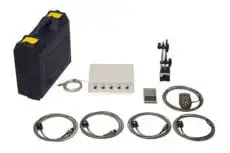
這正是理論與現場實務交會之處。像這樣的可攜式雙通道分析儀,例如 Balanset-1A 直接在現場應用這些原則:它測量 1× 振幅與相位 在機器自身的軸承中以運轉速度進行作業,透過試重運轉計算轉子的影響係數,並在無需專用動平衡機的情況下校正不平衡——這是剛性轉子理論在絕大多數工業設備上的實務體現。
8. 現代發展
該領域持續在多個方面進展:
- 運算能力: 能在更短時間內求解更詳細的 FEA 模型。
- 主動控制: 磁軸承與主動阻尼器,可即時調整剛性與阻尼。
- 狀態監測: 持續監控與診斷轉子行為。
- 數位雙生技術: 即時反映實際機器的模型,並根據其感測器資料進行更新。
- 先進材料: 複合材料與高性能合金,使轉子能達到更高轉速與效率。
對於任何設計、操作或維護旋轉機械的工程師而言,具備轉子動力學的實務知識不可或缺——這正是將振動讀數轉化為決策的知識,並確保高能量機器安全、高效且可預測地運轉。

