Razumijevanje asinkrone vibracije
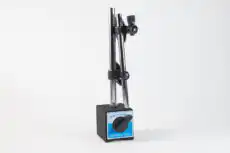

Asinkrona vibracija (takođe se naziva nesinhrona vibracija) je vibracija na frekvencijama koje su ne tačni cjelobrojni višekratnici — redovi — brzine rotacije osovine. Za razliku od sinkrone vibracije od neuravnoteženost ili neporavnanje (koja se uvijek nalazi na 1×, 2×, 3× radne brzine), asinhrona vibracija se javlja na frekvencijama koje su određene geometrijom komponenti, elektromagnetnim efektima ili vanjskim izvorima, a ne rotacijom same osovine.
Razlikovanje sinkrone od asinkrone komponente je jedna od najosnovnijih vještina u mašinskoj dijagnostika, jer se podjela odmah sužava pretragu za uzrokom. Sinkrone komponente pokazuju na rotirajuću masu ili geometrijske probleme vezane za rotor; asinkrone komponente pak pokazuju na defekte valjnih elemenata, električne kvarove ili utjecaje koji dolaze izvan rotora. Rana ispravna klasifikacija ovog tipa štedi analitičara od, primjerice, balansiranja mašine čiji je pravi problem neispravni ležaj.
1. Sinkrono nasuprot asinkronom: Temeljno razlikovanje
Granica je definirana potpuno kroz redoslijed — omjer frekvencije vibracije i frekvencije brzine vrtnje. Vrh na tačnom cjelobrojnom redu je sinkron i zaključan na rotaciju osovine; vrh na frakcijskom redu je asinkron i povinuje se nekom drugom satu.
- Sinkrono (cjelobrojni redovi): 1,00×, 2,00×, 3,00× — neuravnoteženost, nesaosnost, savijeno vratilo, određeni labavost obrasci.
- Asinkrono (necjelobrojni redovi): 2,47×, 3,57×, 0,45× — greške ležaja, električni vodovi, subsinhrone nestabilnosti i vanjski izvori.
Korisna podkategorija je subharmonijska — energija ispod 1× (na primjer vrh od 0,5× uslijed teške olabavljenosti ili trenja). Subharmonici su oblik asinhronog sadržaja i pojavljuju se uz subsinhrone nestabilnosti opisane dalje u nastavku.
2. Česti izvori asinkronog vibriranja
Defekti valjajućih ležaja (najčešće)
Daleko najznačajniji izvor asinkronog vibriranja:
- Frekvencije neispravnosti ležaja: BPFO, BPFI, BSF i FTF određene su geometrijom ležaja i nikada nisu točni višekratnici brzine vratila.
- Primjer: motor od 1800 RPM-a (30 Hz) može pokazati BPFO na 107 Hz — što je 3,57× brzina vratila, očigledno ne cijeli broj.
- Dijagnostička vrijednost: asinkrona frekvencija odmah pobuđuje sumnju na problem s ležajem.
- Detekcija: analiza omotača je primarna tehnika za otkrivanje tih komponenti, često dugo prije nego što se pojave u običnom spektru.
Električne frekvencije
Elektromagnetno vibriranje nepovezano s brzinom vratila:
- 2× linijska frekvencija: 120 Hz na napajanju od 60 Hz ili 100 Hz na napajanju od 50 Hz, neovisno o brzini motora.
- Primjer: motor s 2 pola od 60 Hz radi na oko 3550 RPM-a (59,2 Hz), ali njegove vibracije dvostruke linijske frekvencije nalaze se na 120 Hz — 2,03× brzina vratila, asinkrono.
- Frekvencija prolaska pola: može ne biti točan višekratnik.
- Harmonici VFD-a: frekvencije prebacivanja pogona nemaju nikakve veze s brzinom vratila.
Vanjski izvori
- Susjedna oprema: vibriranje preneseno kroz pod iz obližnjih strojeva.
- Zgrada ili temelj: strukturne rezonancije na fiksnim frekvencijama.
- Pulsacije procesa: talasi pritiska koji putuju u cevima.
- Akustične rezonancije: stojni talasi u kanalima ili zatvorenim prostorima.
Sub-sinhrone nestabilnosti
- Uljni vrtlog: obično 0,42–0,48× brzine vratila (nije tačno polovina).
- Uljni vrtlog (oil whip): brava se na prirodna frekvencija, a ne na brzinu vratila.
- Nestabilnosti zaptivača: često na frekvencijama određenim dinamikom fluida. Ovo su klasični primeri nestabilnost rotora.
Nasumična vibracija
- Kavitacija: nasumični kolaps mehurića, širokopojasna.
- Turbulencija: nasumične fluktuacije protoka.
- Trljanje: haotičan kontakt koji stvara neperiodičnu vibraciju.
3. Identifikacija u spektrima
Karakteristike spektra
- Fiksna frekvencija: pojavljuje se na istoj Hz vrijednosti bez obzira na promjene brzine.
- Pomaci reda: ako se brzina mijenja, asinkrona frekvencija mijenja svoju asinkronu vrijednost (jer je red frekvencija ÷ brzina vratila).
- Waterfall dijagram: asinkrone komponente se pojavljuju kao vertikalno linije, sinkrone komponente kao dijagonalno linije — najjednostavniji način da se razlikuju.
- Order spektar: asinhroni vrhovi se javljaju na necjelobrojnim redovima (2,47×, 3,57× itd.).
Postupak Dijagnostike
- Odredite brzinu rada od 1× vrha ili, pouzdanije, od tahometar.
- Izračunajte redove dijeljenjem svake frekvencije vrha s frekvencijom brzine rada.
- Cjelobrojni redovi (1,00×, 2,00×, 3,00×) su sinhroni.
- Necjelobrojni redovi (2,47×, 3,57×) su asinhroni.
- Uskladite s vrstama kvarova uspoređivanjem izračunatih frekvencija s frekvencijama ležaja, linijama elektronske mreže i sličnim.
Na strojevima s promjenjivom brzinom ova separacija je jasnija pod analiza reda, koji ponovno referencirat os frekvencije na višekratnike brzine rada tako da sinkroni vrhovi miruju dok se asinkroni miču.
4. Dijagnostička Važnost
Defekti ležaja
- Asinkroni vrhovi na BPFO, BPFI ili BSF odmah sugeriraju problem s ležajem.
- Izračunajte teorijske frekvencije ležaja i poredite ih sa opaženim vrhovima.
- Poklapanje u okviru od oko ±5% potvrđuje neispravnost ležaja.
- Harmonici i bočne trake od frekvencije defekta daje dodatnu potvrdu.
Možete zaobići aritmetiku s pomoću kalkulatora frekvencija neispravnosti ležaja, koji vraća BPFO, BPFI, BSF i FTF direktno iz geometrije ležaja i brzine vratila.
Elektromagnetni problemi
- Linija na 2× frekvenciji linije na 100/120 Hz ukazuje na stator ili zračni raspor problemi.
- Frekvencija ostaje nepromenjena bez obzira na varijacije brzine.
- Analiza struje motora potvrđuje električni poreklo.
Spoljašnja vibracija
- Vrhovi koji se ne poklapaju ni sa brzinom mašine ni sa frekvencijama ležaja.
- Mogu se poklapati sa brzinom vrtnje obližnje opreme.
- Potrebna je istraga izvora, praćena izolacijom ili korekcijom.
5. Tehnike analize asinkrone vibracije
Analiza Omotača
- Primarna tehnika za detekciju defekta ležaja.
- Pojačava ponavljajuće udarce koji proizvode asinkroni sadržaj.
- Potiskuje snažne sinkrone komponente niske frekvencije.
- Jasno otkriva frekvencije ležaja u rezultirajućem spektar obvojnice.
Ubrzanje visoke frekvencije
- Asinkroni defekti ležaja često se nalaze u opsegu visoke frekvencije (iznad 1 kHz).
- Koristite akcelerometri sa visokim Fmax postavljanjem.
- Ovo hvata udare i visokofrekvencijne rezonancije koje niskofrekventna mjerenja brzine propuštaju.
Kepstrum Analiza
- Analiza kepstroma je efikasna pri pronalaženju periodičnih obrazaca skrivenih u asinkronim signalima.
- Detektuje cijele porodice harmonika ili bočnih pojasa odjednom.
- Posebno korisna za kompleksne ležaje i zupčanik potpisi.
6. Praktični Primjeri
Motor sa Defektom Ležaja
- Radna brzina: 1750 RPM (29,17 Hz).
- Sinhrone komponente: 1× na 29,17 Hz, 2× na 58,34 Hz.
- Asinkrona komponenta: vrh na 107 Hz (3,67× brzina vratila).
- Dijagnoza: 107 Hz odgovara izračunatom BPFO → defekt vanjske prstena.
- Potvrda: asinkrona priroda potvrđuje problem sa ležajem, ne problem sa rotorom.
VFD Motor na Varijabilnoj Brzini
- Brzina motora se kreće od 1200 do 1800 RPM.
- Vrh 1× se pomjera sa brzinom (sinkrona).
- Vrh od 120 Hz ostaje nepromijenjen (asinkrona, 2× mrežna frekvencija).
- Dijagnoza: elektromagnetna komponenta iz 60 Hz napajanja.
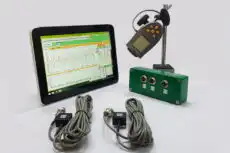
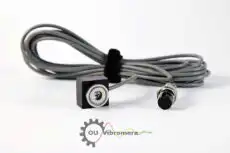
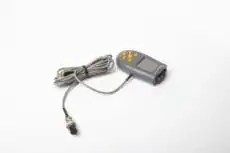
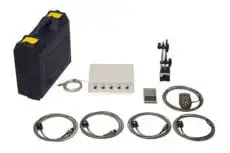
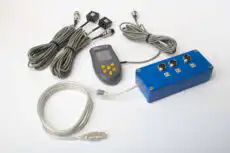
Na terenu ova razlika je svakodnevni posao prenosivog analizatora. Jer instrument poput Balanset-1A čita brzinu vrtnje iz optičkog tahometra u isto vrijeme kada mjeri spektar vibracija, što mu omogućava da odmah prepozna je li određeni vrh sinkron ili asinkron — informirajući inženjera je li rješenje balansiranje rotora ili zamjena ležaja. Prepoznavanje asinkronog sadraja kroz njegove njecijele redoslijede, njegovu fiksnu frekvenciju unatoč promjenama brzine ili njegovu vertikalnu signaturu na waterfall dijagramu omogućava točnu identifikaciju kvarova ležaja, električnih problema i vanjskih utjecaja — te pokazuje put prema ispravnoj korektivnoj akciji.

