Razumijevanje defekta lopatice

Defekti radnog kola su mnogobrojna oblika oštećenja, habanja i degradacije koji pogađaju lopatice pumpe i rotore ventilatora — erozija lopatice, korozija, pukotine, nakupljanje materijala, slomljene lopatice i oštećenje glavčine. Ona su dvostruko štetna jer degradiraju i mehanički stanje rotora (kreirajući neuravnoteženost i vibracija) i hidrauličkih ili aerodinamičkih performansi (smanjenje efikasnosti, protoka i napora). Rezultat je prepoznatljiva vibracijska signatuta: rastuća frekvencija 1× brzina obrtaja komponenta od neuravnoteženosti, zajedno s povišenim frekvencija prolaska lopatice od poremećenog toka. Radni elementi žive u zahtjevnim uvjetima — visoke brzine na vrhovima, korozivne ili abrazivne tekućine i ekstremne temperature — pa razumijevanje ovih defekta i njihovih karakterističnih znakova je bitno za održavanje pouzdanosti pumpi i ventilatora. Oni su važna podklasa šire kvarovi pumpe i kvarovi ventilatora.
1. Erozija, Habanje i Korozija
Abrazivna Erozija
- Uzrok: čvrste čestice sadržane u tekućini bruse površine lopatica.
- Obrazac: prednje grane i zone visokih brzina brže se habe.
- Efekat: neravnomjeran gubitak materijala stvara neuravnoteženost i smanjuje učinkovitost.
- Stopa: raste s koncentracijom čestice, tvrdoćom i brzinom.
- Uobičajeno kod: pumpe za mulj, rudarsku primjenu i tretman otpadnih voda.
Erozija Kavitacijom
- Mehanizam: mjehurići pare se rušavaju na metal, stvarajući intenzivne lokalne impulse tlaka.
- Izgled: površina poput spužve, s jamama i materijalom izbušenim.
- Lokacije: regije niskog tlaka kao što su usisna strana lopatice i vrhovi.
- Karakteristično: šljunkovit zvuk od kavitacija prati eroziju.
- Prevencija: odgovarajući NPSH i ispravan odabir pumpe — potvrdite maržu usisa s Kalkulator NPSH.
Korozija
- Kemijski napad: agresivne tekućine otapaju materijal radnog elementa.
- Galvanska korozija: različiti metali u kontaktu kroz elektrolit.
- Pitting: lokalizirane šupljine koje djeluju i kao koncentratori naprezanja.
- Opće stanjenje: uniformni gubitak debljine stijenke po površinama.
- Sinergetska erozija-korozija: dva mehanizma zajedno ubrzavaju štetu daleko više nego svaki pojedinačno.
2. Nakupljanje materijala
Nisu svi nebalansi rezultat gubljenja metala — dodavanje mase je jednako opasno:
- Formiranje naslaga: mineralne naslage od tvrde vode ili procesnih kemikalija.
- Biološko obraštanje: alge, bakterije ili mekušci u sustavima rashladne vode.
- Procesni materijal: očvrsla proizvod ili polimer pristalih na lopatice.
- Efekat: asimetrične naslage stvaraju nebalans, smanjuju protočne prostore i mijenjaju hidrodinamiku.
- Simptom: spora, progresivna promjena u vibraciji na 1×.
3. Defekti lopatice, glavčice i geometrije
Prsline
- Pukotine od zamora: od ciklusa naprezanja, obično na spojevima lopatice i kućišta.
- Pukotine od naprezanja-korozije: kombinacija vlačnog naprezanja i korozivnog okruženja.
- Termalne pukotine: iz cirkulacije temperature ili toplinskog šoka.
- Detekcija: frekvencija prolaska lopatica bočne trake i pomjerajući uzorak vibracija.
Slomljene lopatice
- Potpuni otkaz: lopatica ili dio nje se odvoji.
- Ozbiljna nebalansiranost: iznenadni gubitak mase pokreće veliki skok u vibraciji na 1×.
- Hidraulična asimetrija: nenormalan uzorak frekvencije prolaska lopatica.
- Hitna mjera: zaustaviti i zamijeniti — slomljeni komadi mogu uništiti kućište i brtvene elemente.
Greške na glavčini, pričvršćivanju i geometriji
- Labavo na osovini: istrošena žlijeb za ključ ili nedovoljna preklopa sila, često se pojavljuje kao mehanička labavost.
- Pukla glavčina ili oštećeni žlijeb za ključ: pukotine od naprezanja i oštećenja što omogućavaju pomjeranje pumpe.
- Geometrijske greške: ne-okruglo vrtenje iz proizvodnje ili oštećenja (oblik ekscentričnost), deformacija i neujednačeni razmak lopatica — sve što generiše neuravnoteženost i hidrauličke pulsacije.
4. Karakteristike vibracija
Komponenta neuravnoteženosti na 1×
- Erozija ili nakupljanje: asimetrična promjena mase proizvodi postupan rast na 1×.
- Slomljena lopatica: iznenadni veliki skok frekvencije 1×.
- Korekcija: nebalansirans povezan s masom često dobro reaguje na terensko balansiranje.
Frekvencija prolaska lopatica
- Oštećene lopatice: povišen VPF praćen bočnim vrpcama na ±1×.
- Nedostaje lopatica: nenormalan VPF obrazac, ponekad sa subharmonicima.
- Problemi zazora i radne točke: VPF amplituda raste sa strogim zazorim i varira sa protokom — kronični nizak protok može izazvati unutrašnje recirkulacija što pojačava hidrauličnu buku.
Obrazac Labavosti
Lahava rotor ponašase se sasvim drugačije od jednostavne teške točke: podiže niz harmonici (1×, 2×, 3×), proizvodi neujednačenu, neponovljivu vibraciju i destabilizira faza čitanja — što čini učinkovito balansiranje nemoguće dok se labavost ne otkloni.
5. Metode Detekcije
Analiza vibracija
- Pratite ukupnu razinu, amplitudu frekvencije 1× za nebalansirans i amplitudu VPF za stanje lopatica i hidrauličnu stanje.
- Koristite analizu širokopojasnog spektra i analizu omota za hvatanje kavitacije i razvijajućih frekvencijama kvarova ležajeva.
Testiranje Performansi
- Protok: pad od početne vrijednosti ukazuje na trošenje.
- Izlazni tlak: smanjena visina ukazuje na oštećenje.
- Potrošnja energije: pomaci otkrivaju gubitak učinkovitosti.
- Testiranje krivulje pumpe: usporedite izmjerene performanse s krivuljom dizajna ili početnom krivuljom.
Vizuelni pregled
- Endoskopska inspekcija kroz otvor na kućištu između redovnog održavanja, sa detaljnom inspekcijom tokom generalnog remonta.
- Fotografisanje za dokumentaciju i praćenje trenda, mjerenje debljine lopatica i klasifikacija stepena erozije ili korozije.
6. Prevencija, Ublažavanje i Ispravljanje na Mjestu
Izbor Materijala i Operativna Praksa
- Odaberite materijale otporne na eroziju (tvrde legure, keramike) za abrazivnu primjenu i legure otporne na koroziju (316 SS, Hastelloy, titanij) ili zaštitne premaze za kemijsku primjenu.
- Pogonite stroj blizu točke najbolje efikasnosti kako biste minimizirali hidraulični stres, održavajte dovoljan NPSH kako biste izbjegli kavitaciju, i kontrolirajte kemiju fluida i opterećenje čvrstitih tvari.
Održavanje i Ponovno Balansiranje
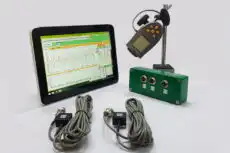
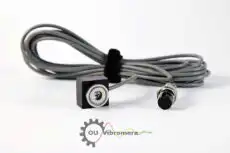
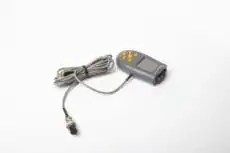
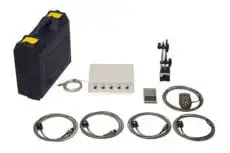
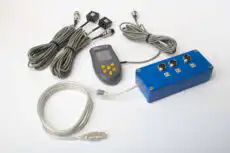
Pregledajte lopatice tijekom redovnog održavanja, očistite nakupine prije nego što se razviju u ozbiljnu tešku točku, i uvijek ponovno balansirajte nakon čišćenja ili popravke. Na montiranim strojevima ovo ponovno balansiranje se vrši na mjestu, a ne na balansnoj mašini. Prijenosni analizator sa dva kanala, kao što je Balanset-1A mjeri amplitudu i fazu 1×, izračunava korekcijske težine i provjerava rezultat prema relevantnoj klasi balanse dok se lopatica obrće u svojim ležajima pri radnoj brzini — idealno kada je erozija ili začepljenje izbacilo pumpni ili ventilatorski rotor iz balanse. Pošto kotač ventilatora često ima samo diskretne pozicije za pričvršćivanje težina, Kalkulator za korekciju lopatica pomaže prevođenju izračunate korekcije u mase smještene na fiksnim lokacijama lopatica. Dokumentiranje stopa trošenja tokom uzastopnih inspektcija tada podržava predviđanje vijek trajanja i omogućava vam zamjenu lopatice prije nego što njena performansa postane neprihvatljiva.

