Razumijevanje analize ulja (tribologija)





Analiza ulja (često grupirane pod širu disciplinu tribologije) je proaktivna praćenje stanja stroja tehnika koja ispituje fizička svojstva maziva, suspendirane kontaminante i čestice trošenja koje nosi. Mali, reprezentativni uzorak se uzima iz stroja i šalje u laboratorij, koji provodi niz testova i vraća detaljnu analizu zdravlja kako ulja tako i opreme koju maziva. Kao neinvazivna metoda koja ne zahtijeva rastavljanje, to je primjer udžbenika nedestruktivnog testiranja primijenjen na održavanje.
1. Definicija: Što je analiza ulja?
Vodilje je da je ulje "životna krvca" stroja. Baš kao što krvna analiza otkriva mnogo o ljudskom zdravlju, analiza ulja može dati vrlo rano upozorenje na razvijajuće mehaničke kvarove i probleme kontaminacije — često tjedne ili mjesece prije nego što bi se površili na drugi način.
Analiza ulja je visoko komplementarna analizu vibracija. Svaka tehnologija može potvrditi nalaze druge i uhvatiti probleme koje druga može propustiti: vibracija obično ističe kvar čim komponenta počne deformirati ili udarnuti, dok analiza ulja može otkriti abrazivni trošak koji joj prethodi. Korišteni zajedno unutar prediktivno održavanje programa, daju daleko cjelovitiju sliku habanje i stanja stroja nego što bilo koja sama po sebi.
2. Tri stupa analize ulja
Sveobuhvatna analiza ulja obično se bavi tri različita područja.
a) Svojstva fluida (zdravlje ulja)
Ovaj dio procjenjuje samo mazivo kako bi se odlučilo je li još uvijek pouzdan za korištenje. Ključni testovi uključuju:
- Viskoznost: najjednostavnija i najvažnija svojstva maziva. Promjena viskoznosti može ukazati na degradaciju ulja, kontaminaciju pogrešnom markom ili razrjeđivanje gorivom. Viskoznost je ovisna o temperaturi, pa se rezultati referenziraju na standardnu temperaturu.
- Broj kiselosti (AN) / Broj baze (BN): AN prati kisele nusproizvode oksidacije; BN mjeri rezervnu alkalnost u motornim uljima koja neutralizira te kiseline. Zajedno pomažu da se procijeni preostalo vreme korisnosti ulja.
- Oksidacija i nitracija: mjereno infracrvenom spektroskopijom, ove količine kvantificiraju kemijsku razgradnju ulja od toplote i izlaganja zraku.
b) Kontaminacija (Analiza zagađenja)
Ovaj odjeljak identifikuje štetne kontaminante koji ubrzavaju trošenje i degradiraju ulje.
- Brojanje čestica: opšta čistoća ulja, prijavljena u skladu sa ISO 4406 kodovima čistoće. Visok broj čestica je vodeći uzrok abrazivnog trošenja, a rezultat se može provjeriti u odnosu na ciljeve sa Alat za čistoću hidrauličkog ulja (ISO 4406).
- Sadržaj vode: voda je veoma destruktivni kontaminant koji pomaže stvaranju hrđe, korozija i razgradnji ulja; obično se bilježi u dijelovima na milijun (ppm).
- Silicijum (prljavština): prisustvo silicijuma je jasniji pokazatelj prljavštine ili prodiranja pijeska, često kroz propustan zaptivka ili lošu filtraciju zraka.
- Rashladna tekućina / glikol: elementi kao što su natrijum i kalijum mogu otkriti procurjivanje rashladne tekućine u ulje — veoma ozbiljna situacija koja zahtijeva hitnu akciju.
c) Analiza čestica trošenja (Zdravlje stroja)
Ovo je najmoćniji dio analize za preventivno održavanje. Identifikuje i kvantificira mikroskopske čestice metala koje su otpale sa unutrašnjih komponenti.
- Elementarna spektroskopija (ICP ili XRF): mjeri koncentraciju (u ppm) raznih metalnih elemenata. Svaki element ukazuje na određenu komponentu:
- Gvožđe (Fe): trošenja zupčanika, vratila ili kućišta.
- Bakar (Cu): trošenja bronzanih kaveza, čahura ili messingovih hladnjaka.
- Hrom (Cr): trošenja segmenata klipova ili valjnih ležajeva.
- Olovo (Pb) & kalaj (Sn): habanje kliznih ležaja.
Prema trend ova niža viša nivoa metala trošenja tokom vremena, nagao porast može dati veoma rano upozorenje da komponenta počinje da otkažuje — često mnogo pre nego što je šteta otkrivljiva drugim metodama. Konvenciona spektroskopija je najosjetljivija na sitne čestice (ispod otprilike 5–8 µm); veće čestice iz naprednog ljuštenja se bolje hvataju komplementarnim testovima kao što su feriografija ili indeksi za brojanje čestica, što je razlog zašto potpuni program čita elementni trend i podatke o česticama uporedo.
3. Čitanje izveštaja uporedo sa podacima o vibracijama
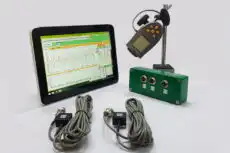
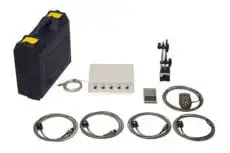
Prava dijagnostička vrijednost se pojavljuje kada se rezultati ulja prebace prema vibracijskoj karakteristici mašine. Rastuća tendencija željeza uparena sa rastućom frekvencijama kvarova ležajeva u spektar je snažna, potvrđena indikacija muke ležaja; rastuća bakar bez promjene u vibracijama može umjesto toga ukazati na korozivni napad na bronzanu komponentu. U terenu je ova kontrola jednostavna: gdje uzorak ulja označava trošenje, prenosiva dvokanalnog analizera vibracija kao što je Balanset-1A mogu se uzeti istoj mašini da se potvrdi da li trošenje stvara problem balansiranja — i, ako se dominantna grešnika pokaže kao neuravnoteženost, ispraviti je na mjestu. Utvrđivanje jasnog osnovna vrijednost za zdravu mašinu je ključno u svakom slučaju, jer je analiza ulja fundamentalno tehnologija treniranja — apsolutni brojevi nisu toliko važni koliko brzina promjene.
4. Važnost pravilnog uzorkovanja
Čitava vrijednost analize ulja počiva na dobijanju čistog, reprezentativnog uzorka. Uzorci bi trebali biti izvučeni iz živog uljanog voda dok je mašina u radu, iz točke upstream od bilo kakvih filtera, koristeći konzistentnu tehniku i čistu lukom svaki put. Ovo osigurava da uzorak odražava pravi stanje ulja koja se stvarno cirkulira unutar mašine. Kontaminirani ili nereprezentativni uzorak proizvodi detaljne podatke koji mogu izazvati nepotrebnu intervenciju — ili još gore, sakriti genuin razvojijaći kvar.

