Razumevanje defekta elemenata kotrljanja


Defekti elemenata kotrljanja su oštećenja, nedostaci ili nepravilnosti u loptičkama ili valjcima ležaja sa elementima kotrljanja. Oni uključuju površinske sljuskove, pukotine, ugrađene zagađivače, uključke materijala, koroziju i geometrijske nepravilnosti. Kada se oštećena loptička ili valjak rotira kroz ležaj, udara o unutrašnju i spoljnu trku, generirajući vibracija na frekvenciju spin-a loptice (BSF) sa karakterističnom bočne trake raspoređeni pri frekvencijom kaveza ili osnovne trake (FTF). Defekti elemenata kotrljanja su jedan od četiri klasična lokalizovana greške u ležajima, zajedno sa greškama unutrašnje trke, spoljašnje trke i kaveza.
Oni su manje česti od defekta trka, čineći otprilike 10–15% sloma ležaja, ali kada se dogode, proizvode karakterističnu, ponekad zbunjujuću signaturu i mogu brzo da napreduju do potpunog sloma ležaja. Pošto se greška rotira sa elementom umesto da ostaje fiksna u zoni opterećenja, njeno vibriranje se ponaša drugačije od greške trke — osobina koja je i dijagnostički znak i izazov praćenja.
1. Definicija: Šta su defekti elemenata kotrljanja?
Element kotrljanja — loptička u ležaju sa loptičkama, cilindar, igla ili konusni valjak u ležaju sa valjcima — je komponenta koja zaista nosi opterećenje između dve trke dok se kotrlja. Njegovu površinu čini precizno završena, kroz-kaljena površina čelika za ležaje koja mora ostati geometrijski savršena da se valjka čisto. Bilo koja povreda te površine, bilo iz čelične mlina ili nanejena u eksploataciji, postaje izvor naprezanja i izvor udara.
Svaki put kada se defekt na elementu dodirne trku, proizvodi mali impuls. Tokom punog okreta kaveza, element se dodiruje spoljnu trku jednom i unutrašnju trku jednom, tako da jedan defekt obično generiše dva udara po rotaciji elementa — što je razlog zašto je druga harmonika, 2×BSF, toliko istaknuta u spektru. Brzina ponavljanja tih udara je fiksirana geometrijom ležaja (prečnik loptice, prečnik koraka, kontaktni ugao i broj elemenata), što grešku daje izračunljivu frekvenciju signature koja je nepogrešivo drugačija od radna brzina ili njen harmonici.
2. Vrste defekta elemenata kotrljanja
Površinske ljuspice
Najčešći defekt elementa kotrljanja. Zamor od kotrljajućeg kontakta uzrokuje da se komad materijala otpusti sa površine, ostavljajući krater ili jamicu. Sljuskovi su obično 0,5–3 mm na početku, ali rastu pošto oštre ivice šupljine tuču trke i bacaju dalje ostatke. Svaki prolazak sljuska preko trke proizvodi udar, generirajući vibraciju na BSF i često dominantnoj 2×BSF. (Videti ljuštenje za mehanizam zamaranja ispod toga.)
Prsline
Pukotine nastaju od preopterećenja, udarnog oštećenja ili umora, i mogu biti površinske ili ispod površine. Pukotina se širi dok se komad ne odvoji — što je tada postaje ljuštura. Pukotine su teške za detektovanje prije nego što se to dogodi, a u teškim slučajevima lopta može pucati i fragmentirati, što uzrokuje odjednom katastrofalan kvar.
Materijalne inkluzije
Greška pri proizvodnji: tuđi materijal ili šupljina zarobljena u čeliku ležaja. Inkluzije stvaraju koncentraciju naprezanja koja počinje prijevremen umor, obično nedostižan sve dok se ljuštura ne razvije oko inkluzije. Čist, visoko kvalitetan čelik ležaja je jedina prava prevencija.
Ugravljena kontaminacija
Tvrde čestice — nečistoća, brušni prah, strugotine metala — pritisnute u površinu elementa stvaraju izbočinu koja udara staze na svakom prolazu. Udubljenje je također stress concentrator koji može inicirati ljuštuvu. Rezultat je udarni vibracioni impuls na BSF, i uzrok je gotovo uvijek neadekvatan zaptivač ili filtracija, isti niz događaja obuhvaćen u podmazivanja ležaja čistoće.
Korozija i oštećenja uslijed vlage
Prodor vode ili kondenzacija proizvodi mrlje hrđe, rupičasta korozija, i hrapavost površine. Korodirane oblasti djeluju kao mjesta inicijacije umora. Pravilno brtvljenje i maziva s inhibitorima korozije to sprječavaju.
Brinelovanje i udubljivanje
Udarno opterećenje — padanje ležaja, udar tijekom rukovanja ili statičko preopterećenje — ostavlja trajne udubljenja na površini elementa. Lažno brinelovanje može također nastati od vibracija dok je mašina nepomična. Ova udubljenja stvaraju udare i stress koncentracije; pažljivo rukovanje i ispravna instalacija su rješenje.
3. Potpis vibracije
Sadržaj frekvencije
Defekti elemenata valjanja stvaraju prepoznatljiv obrazac u spektar vibracija:
- Primarna frekvencija: BSF, obično 2–3× brzina vrtnje.
- Snažan drugi harmonik: 2×BSF je često veći od fundamentala, jer defekt udara obje staze tijekom svakog rotiranja elementa.
- Razmak bočnih traka: FTF (frekvencija kaveza) bočne trake — ne 1× bočne trake. Ovo je ključni diskriminator od neispravnosti unutrašnje staze.
- Obrazac: BSF ± FTF, BSF ± 2×FTF i tako dalje, formirajući “ogradu” vrhova raspoređenih na frekvenciji kaveza.
Pošto su udari kratki i visokofrekvencijalni, oni se obično skrivaju u sirovom spektru i javljaju se jasno tek nakon demodulacije. Analize omotača ispravljač i propusni filteri signala da izlože stopu ponavljanja, i rezultirajući spektar obvojnice je gdje je BSF/FTF porodica najvidljivija. Usko povezani frekvencijama kvarova ležajeva za unutrašnju trkačku stazu, vanjsku trkačku stazu i kavez dopunjavaju dijagnostički komplet.
Razlikovanje četiri kvarova ležaja
| Karakteristika | Vanjski prsten (BPFO) | Unutrašnji prsten (BPFI) | Kotrljajući element (BSF) |
|---|---|---|---|
| Osnovna frekvencija | BPFO (3–5×) | BPFI (5–7×) | BSF (2–3×) |
| Razmak bočnih vrpci | Nema ili minimalno | ±1× (brzina vratila) | ±FTF (brzina kaveza) |
| Stabilnost amplitude | Relativno stabilna | Stabilno | Varijabilna (ovisi o položaju kuglice) |
| Pojava | Najčešće (~40%) | Uobičajeno (~35%) | Najrjeđe (~10–15%) |
Varijabilnost amplitude
Karakteristična značajka defekata kuglica je što izmjerena amplituda varira između čitanja:
- Kad defektni element prolazi kroz zonu opterećenja, udari su čvrsti i amplituda je visoka.
- Kad isti element bude na neopterećenoj strani ležaja, kontakt je laganiji i amplituda pada.
- Ova modulacija je regulirana frekvencijom kaveza (odavde FTF bočne vrpce) i može učiniti jednostavno trend neredovito — ali samo činjenica da razina oscilira gore-dolje sama je dijagnostička za kvar valjnog elementa.
4. Napredovanje i posledice
Razvoj defekta
- Iniciranje: mala prsline na površini ili inkluzija ispod površine.
- Mikro-ljuspica: mali komad materijala se odvaja.
- Rast ljuspice: udarci na ivicama spoljnice šire štetu.
- Više ljuspica: cirkulirajući detritus izaziva abraziju površine i pokreće dodatne defekte.
- Fragmentacija kugle: u ozbiljnim slučajevima cela kugla se prskotina i raspada.
- Potpuni otkaz: ležaj gubi sposobnost nošenja opterećenja, često se zapinjava.
Sekundarna oštećenja
- Oštećenje prstena: oštećeni element oštećuje i unutarnju i spoljnu stazu.
- Cirkulacija detritusa: ošićeni materijal pokreće trotelo abraziju u celom ležaju.
- Oštećenje kaveza: hrapav element troši džepove kaveza.
- Brzo pogoršanje: kada je jedan element oštećen, ostali brzo slede, pa je vremenski prozor između detektabilne kvarove i otkaza mali.
5. Česti uzroci
Proizvodne greške i materijalni defekti
- Unutarnje inkluzije ili šupljine u materijalu elementa.
- Neodgovarajuća toplinska obrada koja ostavlja neadekvatnu ili neravnomernu tvrdoću.
- Defekti obrade površine.
- Geometrijska nesavršenost kao što su kugle koje nisu okrugle.
Oštećenja pri ugradnji
- Udar tokom rukovanja — padanje ili udaranje ležaja.
- Brinelling od statičkog preopterećenja ili lažni brinelling od vibracija tokom stacionarnog stanja.
- Zagađenja uvedena pri montaži, s česticama ugrađenim u površinu.
Radni uslovi
- Nedovoljno podmazivanje što uzrokuje površinsku štetu i mikro-zavarivanje.
- Preopterećenje koje ubrzava zamor od valjnog kontakta.
- Lutajuća električna struja koja prolazi kroz ležaj, uzrokujući kanjaže i jame.
- Korozivna okruženja koja napada površine elemenata.
- Zagađenje tvrdim česticama koje stvaraju udubine.
6. Detekcija, dijagnoza i korekcije mere
Analiza vibracija
- Izračunajte BSF i FTF za specifičnu geometriju ležaja — Kalkulator Frekvencija Grešaka Ležaja pretvara brzinu vratila i dimenzije ležaja direktno u BPFO, BPFI, BSF i FTF.
- Pretražite spektar omotača za BSF vrh.
- Proverite obrazac bočnih traka FTF — najpouzdanija potvrda greške valjnog elementa.
- Proverite 2×BSF, što često premašuje osnovnu frekvenciju po amplitudi.
- Uzmite nekoliko merenja; očekivana varijabilnost amplitude je sama po sebi potvrda.
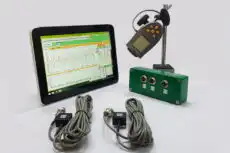
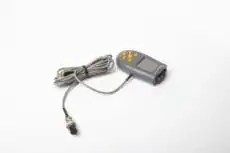
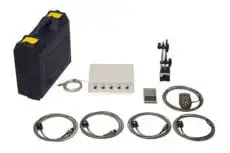
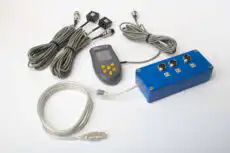
Na terenu, cela ova sekvenca — merenje širokopojasnog nivoa, hvatanje spektra i pokretanje analize omotača — je upravo vrsta dijagnostike ležaja za koju je prenosivi dvokanalski analizator namenjen. Balanset-1A beleži FFT spektar i vremenski oblik signala iz samih ležajnih kućišta mašine pri radnoj brzini, tako da analizator može otkriti BSF porodicu i njene bočne trake FTF na terenu bez razdemontiranja mašine, zatim klasifikuje oštećenje pomoću alata kao što je Klasifikator oštećenja ležaja (ISO 15243). Isti instrument omogućava i potvrdu da je kvar ležaja stvaran i da nije samo artefakt strukture prije nego što se pristupite zamjeni.
Fizička inspekcija
- Rastavite ležaj i ispitajte svaki kuglični ili valjčasti element pojedinačno.
- Tražite osjoljenske površine, pukotine, ugrađene materijale i koroziju.
- Provjerite hrapavost površine — glatke u odnosu na grube elemente.
- Provjerite geometrijsku točnost (izvan okruglog).
- Fotografirajte svaki nedostatak za zapisnik održavanja.
Korektivne mjere i analiza uzroka
Neposredan odgovor je povećanje učestalosti nadzora u skladu s težina defekta, planiranje zamjene ležaja i provjera utora na boci za sekundarnu oštećenja. Trajno rješenje leži u analizi uzroka: pregledajte odabir i ocjenu ležaja, provjerite adekvatnost podmazivanja, pronađite izvore onečišćenja, provjerite praksu instalacije i razmotriti poboljšanu specifikaciju ležaja gdje je kvar bio preuran. Vraćanje ovih nalaza u strukturirani praćenje stanja stroja program je ono što pretvara jednokratnu neuspjeh u sprječenu.
Defekti valjčastih elemenata, iako manje česti od defekta patosnog prstena, zahtijevaju jasno razumijevanje njihove karakteristične BSF signature s FTF stranicama za točnu dijagnozu. Rana detekcija kroz analizu omotača omogućava planiranu održavanje davno prije nego što se defekt proširi u ozbiljna oštećenja ležaja i moguću katastrofalnu neuspjeh.

