درک تحلیل کوستداون
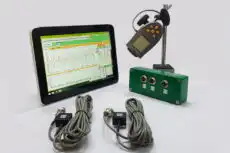





تحلیل کوستداون اندازهگیری و ارزیابی نظاممند لرزش ماشین در حین کاهش سرعت از سرعت کاری تا توقف کامل، پس از قطع توان است. در سراسر بازه سرعت، آنالایزر دامنه، فاز، و محتوای طیفی را ثبت میکند، بهطوریکه یک coastdown بدون توان میتواند نشان دهد روتور در تمام سرعتهایی که باید از آنها عبور کند چگونه رفتار میکند. وقتی این دادهها از طریق نمودارهای بود و نمایش آبشار تفسیر شوند، سرعتهای بحرانی, فرکانسهای طبیعی, میرایی ویژگیها، و رفتار گستردهتر دینامیک روتور را آشکار میکنند که مبنای راهاندازی، عیبیابی، و تأیید دورهای وضعیت هستند.
تحلیل کوستداون ارتباط نزدیکی با تحلیل رانآپ، اما دو مزیت متمایز دارد: کاهش سرعت طبیعی و بدون توان است، که آزمون را سادهتر و ایمنتر میکند؛ و آزمون در حالی انجام میشود که ماشین هنوز در دمای کاری گرم است، نه در حالت سرد هنگام راهاندازی. این یک آزمون پذیرش استاندارد برای توربوماشینها و یک عیبیابی دورهای بسیار ارزشمند در زمان یک خاموش شدن.
1. روش آزمون
اجرای coastdown ساده است، اما از آمادهسازی دقیق سود میبرد. چون این رویداد فقط یکبار رخ میدهد و نمیتوان آن را متوقف کرد، همه کانالها باید پیش از قطع توان پیکربندی و مسلح شوند.
آماده سازی
- حسگرها: نصب کنید شتابسنجها در تمام محلهای یاتاقان؛ در ماشینهای دارای یاتاقان فیلمسیال، پروبهای مجاورتی در یک جفت X-Y افزوده میشوند تا حرکت شفت مستقیماً ثبت شود.
- مرجع سرعت: وصل کردن یک دورسنج برای سرعت و، مهمتر از آن، برای مرجع فاز که امکان ردیابی دامنه و فاز را بر حسب rpm فراهم میکند.
- جمعآوری: سیستم را برای ثبت پیوسته با نرخ نمونهبرداری کافی برای بالاترین فرکانس موردنظر پیکربندی کنید.
- روزنهگیری: شرایط تریگر را تعیین کنید — بازه سرعت و مدت زمانی که باید ثبت شوند.
اجرا
- ثبات دادن: تجهیزات را در یک سرعت کاری پایدار نگه دارید.
- شروع ثبت: پیش از هر تغییر دیگری، اخذ داده را شروع کنید.
- قطع توان: برق موتور را قطع کنید، سوخت توربین را ببندید، یا بههر شکل دیگری گشتاور محرک را حذف کنید.
- مانیتور: با کاهش سرعت ماشین، روند تحول ارتعاش را زیر نظر بگیرید.
- ثبت کامل شد: ثبت را تا توقف کامل یا تا حداقل سرعت موردنظر ادامه دهید.
- ذخیره داده: مجموعهداده کامل coastdown را برای تحلیل و مقایسههای آینده بایگانی کنید.
مدت زمان
مدت زمانی که یک کاستداون به طول میانجامد بستگی به جرم گردان و اصطکاک و بادکشی که آن را متوقف میکنند دارد. موتورهای کوچک ممکن است در 30–60 ثانیه متوقف شوند، در حالی که توربینهای بزرگ میتوانند 10–30 دقیقه برای رسیدن به حالت خودسرانه زمان ببرند. کاستداون طولانیتر عموماً دادههای بهتری است: گردان در هر سرعت مانده میماند، که منجر به افزایش نقاط اندازهگیری و رزولوشن دقیقتر از تشدیدهای مهم میشود.
2. تحلیل دادهها
همین ثبت را میتوان به چند روش مکمل پردازش کرد که هرکدام جنبه متفاوتی از رفتار ماشین را برجسته میکنند.
ایجاد نمودار بود
- دامنه ارتعاش سنکرون (1×) را در هر سرعت با استفاده از یک فیلتر ردیابی.
- مقدار متناظرِ زاویه فاز در هر سرعت.
- هم دامنه و هم فاز را بر حسب سرعت رسم کنید.
- سرعتهای بحرانی خود را بهصورت قلههای دامنه همراه با یک گذار فازی مشخص نشان میدهند — در حالت ایدهآل نزدیک به 180° در عبور از رزونانس.
نمودار آبشاری
- محاسبه کنید FFT در فواصل منظم سرعت.
- طیفها را روی هم بچینید تا یک نمای آبشاری.
- مؤلفههای هماهنگ با سرعت (1×, 2×, و بالاتر هارمونیک ها) بهصورت مورب با کاهش سرعت دنبال میشوند.
- مؤلفههای با فرکانس ثابت — فرکانسهای طبیعی سازه — به صورت برآمدگیهای عمودی ظاهر میشوند که با سرعت جابهجا نمیشوند.
- سرعتهای بحرانی در جایی دیده میشوند که یک order سنکرون یکی از آن برآمدگیهای فرکانس ثابت را قطع میکند.
تحلیل اوربیت
- با نصب پروبهای مجاورتی X-Y، مدار مدار شفت را میتوان در هر سرعت بازسازی کرد.
- شکل مدار با عبور روتور از یک سرعت بحرانی تغییر میکند.
- هم جهت پیشروی و هم تکامل شکل مدار ثبت میشوند.
- مجموع اینها، مشخصهسازی پیشرفتهای از رفتار دینامیکی روتور به دست میدهد که دامنه اسکالر بهتنهایی قادر به ارائه آن نیست.
3. اطلاعات استخراجشده
یک coastdown که بهخوبی اجرا شده باشد، در یک آزمون به چند پرسش مهندسی متفاوت پاسخ میدهد.
محلهای سرعت بحرانی
- rpm دقیق وقوع هر رزونانس.
- سرعتهای بحرانی اول، دوم و سوم، اگر در بازه کاری قرار بگیرند.
- اعتبارسنجی مقادیر اندازهگیریشده در برابر محاسبات طراحی اولیه.
- ارزیابی حاشیه جداسازی بین سرعت کاری و نزدیکترین سرعت بحرانی.
شدت رزونانس
- قله دامنه، ضریب تقویت را در رزونانس.
- نشان میدهد. قلههای بلند — حدود 5–10× سطح مبنا — نشاندهنده میرایی کم هستند.
- یک قله تیز و باریک نگرانکنندهتر از یک قله پهن و ملایم است.
- دادهها نشان میدهند که آیا ارتعاش در حین عبور دستگاه از تشدیدگری قابل قبول باقی میماند.
کمیسازی میرایی
- میرایی را میتوان از شدت قله (روش ضریب Q) محاسبه کرد.
- همچنین میتوان آن را از نرخ تضعیف در حوزه زمان بدست آورد.
- برای ماشینآلات صنعتی معمولی، نسبت میرایی در محدوده 0.01–0.10 قرار میگیرد.
- میرایی کمتر همیشه به معنای قلل تشدیدگری بالاتر است، بنابراین این رقم به طور مستقیم تعیین میکند که یک سرعت بحرانی چقدر ارتعاش تولید میکند.
۴. کاربردها
راهاندازی تجهیزات جدید
- تأیید اولیه یک ماشین تازه نصبشده.
- تأیید اینکه سرعتهای بحرانی اندازهگیریشده با مقادیر پیشبینیشده مطابقت دارند، معمولاً در محدوده ±10–15%.
- تأیید حاشیههای جدایی کافی.
- ایجاد یک خط پایه برای مقایسههای آینده.
- برآوردن الزام پذیرشآزمایی قرارداد یا استاندارد.
عیب یابی لرزش بالا
- تعیین اینکه آیا دستگاه خیلی نزدیک به سرعت بحرانی در حال کار است یا نه.
- شناسایی تشدیدگریهای قبلاً ناشناخته در ساختار یا سیستم روتور-یاتاقان.
- ارزیابی تأثیر تغییراتی مانند تعویض یاتاقان یا افزودن جرم.
- مقایسه کاهشهای سرعت قبل و بعد برای تأیید اینکه تعمیر موفق بوده است.
ارزیابی دورهای سلامت
- کاهش سرعت سالانه طی یک توقف برنامهریزیشده.
- مقایسه با خطپایه راهاندازی به عنوان بخشی از یک نظارت بر وضعیت برنامه.
- تشخیص تغییرات سرعت بحرانی، که نشاندهنده تغییرات مکانیکی مانند سستی یا تغییر در سختی پشتیبانی.
- پیگیری تدهور میرایی در طول عمر دستگاه.
5. جایی که Balanset-1A جای میگیرد و چرا کاهش سرعت طبیعی بهتر از شتابدهندگی است
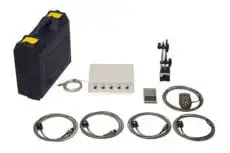
در میدان، کاهش سرعت طبیعی نیاز به چیزی پیشرفتهتر از شتابسنجها، مرجع فاز و تحلیلگری ندارد که میتواند دامنه و فاز را در برابر سرعت کاهشی ردیابی کند. یک دستگاه دو کانالی قابل حمل مانند Balanset-1A دامنه و فاز همزمان را در طول کاهش سرعت ضبط میکند و نمودارهای Bode و طیفی را مستقیماً ایجاد میکند، بنابراین یک مهندس میتواند سرعتهای بحرانی ماشین و حاشیههای جدایی را در محل تأیید کند — و هنگامی که تشخیص عدم تعادل به جای تشدید، میتواند مستقیماً به بالانس میدانی با همان تجهیزات ادامه دهد.
آزمایش کاهش سرعت اغلب نسبت به شتابدهندگی تحت قدرت برای سه دلیل ترجیح داده میشود:
- کاهش سرعت بدون قدرت: دستگاه به طور طبیعی روی اصطکاک و مقاومت هوای کاهش سرعت مییابد، عاری از پیچیدگیهای سیستم کنترل، که اجرا را سادهتر میکند.
- تغییرات سرعت آهستهتر: روتور در هر سرعت مدت زمان بیشتری میگذارد، که دقت دادههای بهتر، نقاط بیشتر در هر سرعت بحرانی و اندازهگیری میرایی بهبودیافته را فراهم میکند.
- آزمایش در شرایط گرم: تجهیزات در دمای کاری با بلبرینگها در فضای خالی واقعی عملیاتی خود قرار دارند، بنابراین دینامیک اندازهگیریشده نمایندگی ماشین به آنگونه که واقعاً کار میکند — نه تقریب سرد.
6. نکات عملی
ایمنی
- ارتعاش را به طور مداوم حین کاهش سرعت نظارت کنید.
- اگر بیش از حد باشد، تصمیم آگاهانه بین توقف اضطراری و عبور از تشدید بگیرید.
- پرسنل را در سراسر تجهیزات دور نگه دارید.
- تأیید کنید که تمام محافظت از ماشینآلات و سیستمهای ایمنی قبل از شروع قابل عملکرد هستند.
کیفیت دادهها
- یک کاهش سرعت پایدار و صاف را به جای یک کاهش سرعت نامنظم تضمین کنید.
- از نرخ نمونهبرداری کافی برای بالاترین فرکانسهای مورد علاقه استفاده کنید تا جلوگیری کنید الیاسینگ.
- سیگنال تاکومتر خوب را در تمام مدت حفظ کنید — قطع سیگنال باعث خراب شدن ردیابی فاز میشود.
- میانگینهای کافی را در هر سرعت جمعآوری کنید.
تکرارپذیری
- چند کاهش سرعت طبیعی را انجام دهید تا نتیجه را تأیید کنید.
- آنها را برای سازگاری مقایسه کنید.
- تغییر قابلتوجه از یک اجرا به اجرای دیگر نشاندهنده شرایط در حال تغییر یا مشکل اندازهگیری است، نه تغییر واقعی در ماشین.
تحلیل کاهش سرعت طبیعی یک تشخیص دینامیک روتور بنیادی است که تصویر جامعی از رفتار دینامیکی ماشین را از یک کاهش سرعت طبیعی واحد فراهم میکند. نمودارهای Bode و آبشار حاصل سرعتهای بحرانی را مکانیابی میکنند، میرایی را تعیین میکنند و به مهندس اجازه میدهند ماشین را با پیشبینیهای طراحی یا خطوط مبنای تاریخی مقایسه کند — دقیقاً به همین دلیل است که آزمایش کاهش سرعت طبیعی برای تأیید راهاندازی، ارزیابی دورهای وضعیت و عیبیابی تشدید در تجهیزات دوار ضروری است.

