ტაქომეტრის სიგნალის გაგება
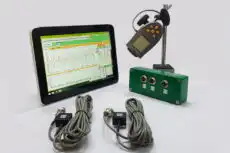
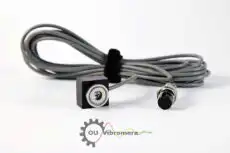
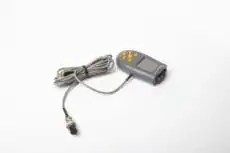
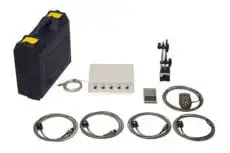

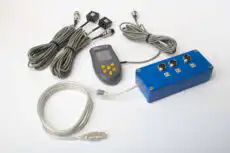
შიგნით ვიბრაციის ანალიზი, ა ტაქომეტრი არის სენსორი, რომელიც წარმოქმნის დროით იმპულსს, სინქრონიზებულს ლილვის ბრუნვასთან. ის ერთდროულად ორ საქმეს აკეთებს: მაღალი სიზუსტით ზომავს სამუშაო სიჩქარეს (RPM) და — რაც ბევრად უფრო მნიშვნელოვანია — ანალიზატორს აძლევს ფაზა მითითება. ამ მითითების გარეშე, ბალანსირება და ყველაზე მოწინავე როტორის დიაგნოსტიკა უბრალოდ შეუძლებელია.
1. განმარტება: რა არის ტაქომეტრი?
ტაქომეტრის გამომავალი სიგნალი არის სუფთა იმპულსის მიმდევრობა, ყველაზე ხშირად ერთხელ ბრუნვაზე იმპულსი. ფუნქციონალურად ის იდენტურია სიგნალთან ქიფასორი, და ორივე ტერმინი ხშირად გამოიყენება ურთიერთშენაცვლებით. თითოეული იმპულსი აღნიშნავს მომენტს t = 0 რევოლუციისთვის, რაც ყოველ ვიბრაციის ნიმუშს ცნობილ კუთხურ პოზიციას ანიჭებს ლილვზე. ეს ერთი ფაქტი — იმის ცოდნა სადაც სად არის ლილვი ყოველ მომენტში — ის არის, რაც ვიბრაციის ნიჯარ ტრასირებას ქმნის მოქმედებაში გადაყენებული დიაგნოსტიკური ინფორმაციაში.
2. როგორ მუშაობს ტაქომეტრი
ვიბრაციის სამუშაოსთვის განკუთვნილი ტაქომეტრის სამონტაჟო სისტემა ორი ნაწილისგან შედგება:
- მიზანი ლილვზე — სპეციალობა, რომელსაც სენსორი აღმოაჩენს ერთხელ ბრუნის დროს: სინათლე-აკრილიანი ლენტის ზოლი, ბოლტის თავი, გასაღები, ჯიბე ან არსებული გადაცემის კბილი.
- სტაციონარული სენსორი მიზანზე მიმართული. ტიპიური სახეობებია:
- ფოტოელექტრული / ლაზერული ტაქომეტრი — გამოსხივებს სინათლის კერძოს და აღმოაჩენს არეკლას სინათლე-აკრილიანი ლენტიდან, ისვრის იმპულსს ყოველ ჯერზე, როდესაც ლენტა გადის. ეს არის სტანდარტული არჩევანი პორტატული ველის ბალანსირება რადგან მათ არ სჭირდებათ ლილვის მომზადება ლენტის ზოლის გარდა.
- სიახლოვის (მორი-დენიანი) პრობა — აღმოაჩენს გასაღებს ან ჯიბეს კონტაქტის გარეშე; კლასიკური მუდმივად დაინსტალირებული Keyphasor.
- ჰოლის ეფექტის სენსორი — გრძნობს მცირე მაგნიტს, რომელიც დამაგრებულია ლილვზე.
რაც არ უნდა იყოს სენსორი, მისი პულსური სიგნალი იკვებება ანალიზატორში აგრეთვე აქსელერომეტრი სიგნალებთან, ვიბრაციის მონაცემებს ღერძის კუთხეზე მიბმით.
3. ტაქომეტრის სიგნალის ორი როლი
სიჩქარის გაზომვა
პულსებს შორის ინტერვალის დროის გაზომვით, ანალიზატორი ღებულობს მყისიერ, სიდიდით ზუსტ RPM-ს. ეს გაცილებით უფრო ზუსტია, ვიდრე ხელის ტაქომეტრი და აუცილებელია ვიბრაციის სიხშირის კორელაციისთვის კონკრეტული მანქანის კომპონენტებთან — მაგალითად, ჯერადების გამიჯვნაში სამუშაო სიჩქარის ჰარმონიკებმა -დან საკისრების ხარვეზების სიხშირეები.
ფაზის მითითება
ეს მტკიცე როლია. ანალიზატორი ზომავს დაგვიანებას ტაქომეტრის პულსასა და ვიბრაციის კომპონენტის პიკს შორის — მაგალითად 1× დისბალანსი პასუხი — და გარდაქმნის ამ დაყოვნებას ფაზურ კუთხედ. გაზომილი ფაზა არის პასუხის ფაზა ტახომეტრის იმპულსის მიმართ, არა თავად მძიმე წერტილის კუთხე — პასუხი ჩამორჩება მძიმე წერტილს იმ სიდიდით, რომელიც დამოკიდებულია მუშა ბრუნვის სიჩქარის რეზონანსთან სიახლოვეზე (დაახლოებით 0° მასზე ბევრად დაბლა, 90° მასზე, დაახლოებით 180° მასზე ზევით), პლუს ინსტრუმენტული დაყოვნებები — ამიტომ მდებარეობა კორექციის წონა ითვლება გავლენის კოეფიციენტების (საცდელი წონის) მეთოდით და არა პირდაპირ ფაზიდან. ფაზა ასევე საფუძვლად უდევს:
- ველის ბალანსირება — შეუძლებელი ფაზის მითითების გარეშე; ანალიზატორი იყენებს სიდიდე-და-ფაზას კორექტირება ადრე და შემდეგ საცდელი მასის გამოყენებით.
- შეკვეთის ანალიზი — სიხშირის ღერძის ნორმალიზაცია სამუშაო სიჩქარის ჯერადებით (რიგებით), აუცილებელი ცვლადი სიჩქარის მანქანებისთვის.
- განვითარებული გრაფიკები — ბოდე, ნაიკვისტი და ორბიტა გრაფიკებმა ყველას საჭირო აქვს ტაქომეტრის ფაზის მონიშვნა.
4. ტაქომეტრი ველურ დაბალანსების პრაქტიკაში
პორტატიულ ინსტრუმენტზე ტაქომეტრი არ არის არჩეული დამატება — ეს არის კომპონენტი, რომელიც ერთ- და ორ-სიბრტყის დაბალანსებას შესაძლებს ადგილზე. ბალანსეტი-1ა სიდან სენს ოპტიკური ლაზერი ტაქომეტრი, რომელიც გააქტიურებულია ღერძზე რეფლექტიული ფირის მცირე ნაჭდევით, 50–500 მმ დაშორებაზე და სრული 100–100,000 RPM დიაპაზონში. მისი უბრუნო-რევოლიციის პულსი ეძლევა ფაზის მითითებას, რომელიც პროგრამულმა უნდა გამოთვალოს თითოეული დაბალანსების წონის მასა და კუთხე, და შეამოწმოს ნარჩენი დისბალანსი კორექტირების შემდეგ. ფაქტობრივად, თავისუფალი ტაქომეტრის პულსი მთელი დაბალანსების სამუშაოს დროის ხერხემლია.
5. საერთო პრობლემები
- ორმაგი ტრიგერირება: კაშკაশო ლილი ან მეორე არეკლადი მახასიათებელი შეიძლება დამატებითი პულსები გამოიწვიოს, რომელიც ორმაგი RPM დაატყობინებს. მუქი ფირი და ზუსტი მიმართულება მას აღმოფხვრის.
- სუსტი ან გამოტოვებული პულსები: დაბინძურებული ფირი, ზედმეტი დაშორება ან ცუდი მიმართულების კუთხე იწვევს წაკვეთას, რომელიც ფაზას ხარბ აკეთებს. სუფთა, კვადრატული გაჭრილი ფირის მიზანი და სწორი დაშორება უმეტეს პრობლემებს გადაჭრის.
- გარემოს განათება: სხვადსხვა მზე ზეთის სენსორზე შეიძლება ლაზერის ტაქომეტრი გადალიოს; მიზნის ჩრდილი აღადგენს საიმედო პულსს.

