ಪಂಪ್ಗಳಲ್ಲಿ ಹೈಡ್ರಾಲಿಕ್ ಬಲಗಳನ್ನು ತಿಳಿದುಕೊಳ್ಳುವುದು



ಹೈಡ್ರಾಲಿಕ್ ಬಲಗಳು ಪ್ರವಾಹಿತ ದ್ರವವು ಪಂಪ್ ಘಟಕಗಳ ಮೇಲೆ ಪ್ರಯೋಗಿಸುವ ಬಲಗಳಾಗಿವೆ: ಇಂಪೆಲ್ಲರ್ ಪ್ಯಾಡಲ್ಗಳ ಮೇಲೆ ಒತ್ತಡ-ಪ್ರಚೋದಿತ ಲೋಡ್ಗಳು, ಇಂಪೆಲ್ಲರ್ ಅಡುಗೆ ಒತ್ತಡ ವ್ಯತ್ಯಾಸದಿಂದ ಅಕ್ಷೀಯ ಥ್ರಸ್ಟ್, ಅಪ್ರಮಾಣಿಕ ಒತ್ತಡ ವಿತರಣೆಯಿಂದ ರೇಡಿಯಲ್ ಬಲಗಳು, ಮತ್ತು ಪಲ್ಸೇಟಿಂಗ್ ಬಲಗಳು ಪ್ರವಾಹದ ಪ್ರಕ್ಷುಬ್ಧತೆ ಮತ್ತು ಪ್ಯಾಡಲ್–ವಾಲ್ಯೂಟ್ ಪರಸ್ಪರ ಕ್ರಿಯೆ. ಅವು ಮೂಲಭೂತವಾಗಿ ಭಿನ್ನವಾಗಿದೆ unbalance ಅಥವಾ misalignmentಇಂದ, ಏಕೆಂದರೆ ಅವು ದ್ರವ ಒತ್ತಡ ಮತ್ತು ಆವೇಗದಲ್ಲಿ ಬದಲಾವಣೆಗಳಿಂದ ಉದ್ಭವಿಸುತ್ತವೆ ತಿರುಗುವ ದ್ರವ್ಯರಾಶಿಯಿಂದ ಅಲ್ಲ — ಮತ್ತು ಅವು ಸ್ಪೆಕ್ಟ್ರಮ್ನಲ್ಲಿ ತಮ್ಮನ್ನು ಪ್ರಕಟ ಮಾಡುತ್ತವೆ ಪ್ಯಾಡಲ್ ಪಾಸಿಂಗ್ ಆವೃತ್ತಿ ಮತ್ತು ಅದರ ಸಂಬಂಧಿತ ಹಾರ್ಮೋನಿಕ್ಗಳು. ಅವುಗಳನ್ನು ತಿಳಿದುಕೊಳ್ಳುವುದು ಪಂಪ್ ವಿಶ್ವಾಸಾರ್ಹತೆಗೆ ಅಗತ್ಯವಾಗಿದೆ: ಹೈಡ್ರಾಲಿಕ್ ಬಲಗಳು ಬೆಲೆ ಲೋಡ್ಗಳು, ಶಾಫ್ಟ್ ವಿಚಲನ ಮತ್ತು vibration ಇದು ಕಾರ್ಯ ಪರಿಸ್ಥಿತಿಗಳೊಂದಿಗೆ ಬದಲಾಗುತ್ತದೆ — ಪ್ರವಾಹ ದರ, ಒತ್ತಡ ಮತ್ತು ದ್ರವ ಗುಣಲಕ್ಷಣಗಳು — ಪಂಪ್ ಅನ್ನು ಶುದ್ಧವಾಗಿ ಯಾಂತ್ರಿಕ ಬಲಗಳನ್ನು ಹೊಂದಿರುವ ಯಂತ್ರೋಪಕರಣಗಳಿಗಿಂತ ಭಿನ್ನವಾಗಿ ವರ್ತಿಸುತ್ತವೆ.
1. ಲೆಕ್ಕ ಹಾಕುವುದು: ಹೈಡ್ರಾಲಿಕ್ ಬಲಗಳು ಎಂದರೇನು?
ಆದರ್ಶ ಪಂಪ್ನಲ್ಲಿ ದ್ರವವು ಇಂಪೆಲ್ಲರ್ ಮತ್ತು ಕಕ್ಷೆಯ ಪ್ರತಿ ಭಾಗದ ಮೇಲೆ ಸಮವಾಗಿ ಒತ್ತಡ ಹೆಗೆಟುವುದು ಮತ್ತು ಶಾಫ್ಟ್ ಅನುಭವ ಮಾಡುವ ಮಾತ್ರ ಬಲಗಳು ಯಾಂತ್ರಿಕವಾಗಿರುವುದು. ವಾಸ್ತವವು ಹೆಚ್ಚು ಸಂಕೀರ್ಣವಾಗಿದೆ. ಒತ್ತಡವು ಬಿಡುಗಡೆಯಲ್ಲಿ ಸೇವನ ಕ್ಷೇತ್ರಕ್ಕಿಂತ ಹೆಚ್ಚಾಗಿರುತ್ತದೆ, ಇಂಪೆಲ್ಲರ್ ಪರಿಧಿ ಎಲುದೆ ಅಪ್ರಮಾಣಿಕವಾಗಿ ವಿತರಿಸಲ್ಪಡುತ್ತದೆ, ಮತ್ತು ಪ್ರತಿ ಬಾರಿ ಪ್ಯಾಡಲ್ ಕಕ್ಷೆ ನಾಲಿಕೆಯ ಹೊಲೆದಾಗ ಪಲ್ಸ್ ಆಗುತ್ತದೆ. ಈ ಪರಿಣಾಮಗಳ ಮೊತ್ತವು ರೋಟರ್ ಮತ್ತು ರಚನೆಯ ಮೇಲೆ ಕಾರ್ಯ ಮಾಡುವ ಸ್ಥಿರ, ನಿಧಾನವಾಗಿ-ವ್ಯತ್ಯಾಸಶೀಲ ಮತ್ತು ವೇಗವಾಗಿ-ಪಲ್ಸಿಂಗ್ ಲೋಡ್ಗಳ ಸಮೂಹವಾಗಿದೆ. ನಿರ್ಣಾಯಕವಾಗಿ, ಅವುಗಳ ಗಾತ್ರವು ಅವಲಂಬನೆ ಹೊಂದಿರುತ್ತದೆ ಪಂಪ್ ತನ್ನ ವಕ್ರರೇಖೆಯ ಮೇಲೆ ಕಾರ್ಯ ಮಾಡುತ್ತಿರುವುದು — ಒಂದು ಸತ್ಯ ಅದು ಸುಂಕ ಇಂಜಿನಿಯರಿಗೆ ಶಕ್ತಿಶಾಲಿ ಲಿವರ್ ಕೊಡುತ್ತದೆ, ಏಕೆಂದರೆ ಪ್ರವಾಹವನ್ನು ಬದಲಾಯಿಸುವುದರಿಂದ ಬಲಗಳು ಬದಲಾಗುತ್ತವೆ.
2. ಹೈಡ್ರಾಲಿಕ್ ಬಲಗಳ ಪ್ರಕಾರಗಳು
2.1 ಅಕ್ಷೀಯ ಥ್ರಸ್ಟ್ (ಹೈಡ್ರಾಲಿಕ್ ಥ್ರಸ್ಟ್)
ಇಂಪೆಲ್ಲರ್ ಅಡುಗೆ ಒತ್ತಡ ವ್ಯತ್ಯಾಸದಿಂದ ಉಂಟಾಗುವ ನೆಟ್ ಅಕ್ಷೀಯ ಬಲ:
- ಯಾಂತ್ರಿಕೆ: ವಿಸರ್ಜನ ಒತ್ತಡವು ಪ್ರೇರಕದ ಒಂದು ಬದಿಯಲ್ಲಿ ಕಾರ್ಯನಿರ್ವಹಿಸುತ್ತದೆ, ಹೀರಿಕೆ ಒತ್ತಡವು ಇನ್ನೊಂದು ಬದಿಯಲ್ಲಿ ಕಾರ್ಯನಿರ್ವಹಿಸುತ್ತದೆ.
- ದಿಕ್ಕು: ಸಾಮಾನ್ಯವಾಗಿ ಹೀರಿಕೆಯ ಕಡೆಗೆ (ಪ್ರೇರಕದ ಹಿಂಭಾಗ).
- ಪ್ರಮಾಣ: ಮಧ್ಯಮ ಗಾತ್ರದ ಪಂಪ್ಗಳಲ್ಲಿಯೂ ಸಹ ಸಾವಿರಾರು ಪೌಂಡ್ಗಳ ಬಲವನ್ನು ತಲುಪಬಹುದು.
- ಪ್ರಭಾವ: ಇದರ ಮೇಲೆ ಭಾರ ಬೀರುತ್ತದೆ thrust bearing ಮತ್ತು ಕಾರಣವಾಗಬಹುದು ಅಕ್ಷೀಯ ಕಂಪನ.
- ಇವರೊಂದಿಗೆ ಬದಲಾಗುತ್ತದೆ: ಹರಿವಿನ ಪ್ರಮಾಣ, ಒತ್ತಡ ಮತ್ತು ಪ್ರೇರಕ ಪರಿಕಲ್ಪನೆ.
ಥ್ರಸ್ಟ್-ಸಮತೋಲನ ವಿಧಾನಗಳು
- Balance holes: ಪ್ರೇರಕ ಶ್ರೌಡ್ನಲ್ಲಿ ಅದರ ಸುತ್ತಲೂ ಒತ್ತಡವನ್ನು ಸಮ ಮಟ್ಟದಲ್ಲಿ ತರುವ ರಂಧ್ರಗಳು.
- Back vanes: ಹಿಂಭಾಗದ ಶ್ರೌಡ್ನಲ್ಲಿರುವ ವೇನ್ಗಳು ದ್ರವವನ್ನು ಹೊರಕ್ಕೆ ಪಂಪ್ ಮಾಡಿ ಹಿಂಬದಿಯ ಒತ್ತಡವನ್ನು ಕಡಿಮೆ ಮಾಡುತ್ತವೆ.
- ದ್ವಿ-ಹೀರಿಕೆ ಪ್ರೇರಕಗಳು: ಸಮ್ಮಿತೀಯ ಪರಿಕಲ್ಪನೆ ಇದರಲ್ಲಿ ಎರಡು ಬದಿಗಳ ಥ್ರಸ್ಟ್ ಪರಸ್ಪರ ರದ್ದುವಾಗುತ್ತದೆ.
- ವಿರುದ್ಧ ಪ್ರೇರಕಗಳು: ಬಹು-ಮಂಚದ ಪಂಪ್ಗಳು ವಿರುದ್ಧ ದಿಕ್ಕುಗಳಲ್ಲಿ ಎದುರಿಸಿರುವ ಪ್ರೇರಕಗಳೊಂದಿಗೆ ನಿರ್ವಹಿಸಲ್ಪಟ್ಟವು.
2.2 ರೇಡಿಯಲ್ ಬಲಗಳು
ಪ್ರೇರಕದ ಸುತ್ತಲೂ ಅಸಮ ಒತ್ತಡ ವಿತರಣೆಯಿಂದ ಉತ್ಪತ್ತಿಯಾಗುವ ಪಾರ್ಶ್ವ ಬಲಗಳು:
ಅತ್ಯುತ್ತಮ ದಕ್ಷತೆ ಬಿಂದುವಿನಲ್ಲಿ (BEP)
- ಒತ್ತಡ ವಿತರಣೆ ಪ್ರೇರಕದ ಸುತ್ತಲೂ ತುಲನಾತ್ಮಕವಾಗಿ ಸಮ್ಮಿತೀಯವಾಗಿರುತ್ತದೆ.
- ರೇಡಿಯಲ್ ಬಲಗಳು ಸಮತೋಲಿತವಾಗಿರುತ್ತವೆ ಮತ್ತು ಬಹುಮಟ್ಟಿಗೆ ರದ್ದುವಾಗುತ್ತವೆ.
- ನಿವ್ವಳ ರೇಡಿಯಲ್ ಬಲವು ಕನಿಷ್ಠವಾಗಿರುತ್ತದೆ.
- ಇದು ಕನಿಷ್ಠ-ಕಂಪನ ಸ್ಥಿತಿಯಾಗಿದೆ.
BEP ನಿಂದ ದೂರವಾಗಿ — ಕಡಿಮೆ ಹರಿವು
- ವೋಲ್ಯೂಟ್ನಲ್ಲಿನ ಒತ್ತಡ ವಿತರಣೆ ಅಸಮ ಆಗುತ್ತದೆ.
- ವಾಲ್ಯೂಟ್ ಜಿಹ್ವೆ (ಕಟ್ವಾಟರ್)ದ ಕಡೆಗೆ ನಿವ್ವಳ ರೇಡಿಯಲ್ ಬಲ ಅಭಿವೃದ್ಧಿ ಹೊಂದುತ್ತದೆ.
- ಪ್ರವಾಹ ಕಡಿಮೆಯಾದಂತೆ ಅದರ ಪರಿಮಾಣ ಹೆಚ್ಚಾಗುತ್ತದೆ.
- ಇದು ಶಟ್-ಆಫ್ನಲ್ಲಿ ಇಂಪೆಲ್ಲರ್ ತೂಕದ 20-40% ತಲುಪಬಹುದು.
- ತಿರುಗುವ ರೇಡಿಯಲ್ ಬಲ 1× ಕಂಪನವಾಗಿ ಕಂಡುಬರುತ್ತದೆ.
BEP ನಿಂದ ಹೊರ — ಹೆಚ್ಚಿನ ಪ್ರವಾಹ
- ವಿಭಿನ್ನ ಅಸಮಾನತೆ ಧರ್ಮ ಅಭಿವೃದ್ಧಿ ಹೊಂದುತ್ತದೆ.
- ರೇಡಿಯಲ್ ಬಲ ಇರುತ್ತದೆ ಆದರೆ ಸಾಮಾನ್ಯವಾಗಿ ಕಡಿಮೆ ಪ್ರವಾಹದಲ್ಲಿ ಇರುವುದಕ್ಕಿಂತ ಸಾಮಾನ್ಯವಾಗಿ ಚಿಕ್ಕದಾಗಿರುತ್ತದೆ.
- ಪ್ರವಾಹ ಪ್ರಕ್ಷುಬ್ಧತೆ ಮೇಲಿನಿಂದ ಯಾದೃಚ್ಛಿಕ ಬಲ ಘಟಕಗಳನ್ನು ಸೇರಿಸುತ್ತದೆ.
2.3 ವೇನ್ ಪಾಸಿಂಗ್ ಪಲ್ಸೇಶನ್ಗಳು
ಪ್ರತಿಯೊಂದು ವೇನ್ ಕಟ್ವಾಟರ್ ಹಾದುಹೋಗುತ್ತಿದ್ದಂತೆ ನಿರ್ಮಾಣ ಮಾಡಲಾದ ಆವರ್ತಕ ಒತ್ತಡ ಪಲ್ಸ್ಗಳು:
- Frequency: ವೇನ್ಗಳ ಸಂಖ್ಯೆ × RPM / 60.
- ಯಾಂತ್ರಿಕೆ: ಪ್ರತಿಯೊಂದು ವೇನ್ ಜಿಹ್ವೆ ಹಾದುಹೋಗುವಾಗ ಒತ್ತಡ ಪಲ್ಸ್ ಉತ್ಪಾದಿಸುತ್ತದೆ.
- ಬಲಗಳು: ಇಂಪೆಲ್ಲರ್, ವಾಲ್ಯೂಟ್ ಮತ್ತು ಕೇಸಿಂಗ್ನಲ್ಲಿ ಕಾರ್ಯ ನಿರ್ವಹಿಸುತ್ತವೆ.
- ಕಂಪನ: ವೇನ್ ಪಾಸಿಂಗ್ ಆವೃತ್ತಿಯಲ್ಲಿ ಪ್ರಾಬಲ್ಯ.
- ಪ್ರಮಾಣ: ಕಟ್ವಾಟರ್ ಸ್ಪಷ್ಟತೆ, ಕಾರ್ಯಪ್ರವಾಹ ಬಿಂದು ಮತ್ತು ವಿನ್ಯಾಸದ ಮೇಲೆ ಅವಲಂಬಿತವಾಗಿದೆ.
2.4 ಮರುಪರಿಚಲನ ಬಲಗಳು
- ಪ್ರವಾಹ ಅಸ್ಥಿರತೆಗಳಿಂದ ಕಡಿಮೆ-ಆವೃತ್ತಿ, ಅಸ್ಥಿರ ಬಲಗಳು.
- ಬಹಳ ಕಡಿಮೆ — ಮತ್ತು ಕೆಲವೊಮ್ಮೆ ಬಹಳ ಹೆಚ್ಚಿನ — ಪ್ರವಾಹ ದರದಲ್ಲಿ ಸಂಭವಿಸುತ್ತದೆ.
- ಆವೃತ್ತಿಗಳು ಸಾಮಾನ್ಯವಾಗಿ 0.2–0.8× ರನ್ನಿಂಗ್ ಸ್ಪೀಡ್, ರಲ್ಲಿ ಸಬ್-ಸಿಂಕ್ರೋನಸ್ ಬ್ಯಾಂಡ್.
- ತೀವ್ರ ಕಡಿಮೆ-ಆವೃತ್ತಿ ಕಂಪನ ಉತ್ಪಾದಿಸಬಹುದು.
- ಬಿಇಪಿಯಿಂದ ದೂರದಲ್ಲಿ ಕಾರ್ಯನಿರ್ವಹಣೆಯ ಸ್ಪಷ್ಟ ಸಂಕೇತ — ನೋಡಿ ಪುನರ್ಸಂಚಲನ.
3. ಪಂಪ್ ಕಾರ್ಯಕ್ಷಮತೆಯ ಮೇಲಿನ ಪರಿಣಾಮಗಳು
ಬೇರಿಂಗ್ ಲೋಡಿಂಗ್
- ಹೈಡ್ರಾಲಿಕ್ ರೇಡಿಯಲ್ ಬಲಗಳು ಬೇರಿಂಗ್ಗಳ ಮೇಲಿನ ಯಾಂತ್ರಿಕ ಲೋಡ್ಗಳಿಗೆ ಸೇರಿಸಲ್ಪಟ್ಟಿರೆ।
- ಬದಲಾಗುತ್ತಿರುವ ಬಲಗಳು ಚಕ್ರೀಯ ಲೋಡಿಂಗ್ ನಿರ್ಧರಿಸುತ್ತವೆ।
- ಹೆಚ್ಚುವರಿ ಲೋಡಿಂಗ್ ಕಡಿಮೆ-ಹರಿವಿನ ಸ್ಥಿತಿಗಳಲ್ಲಿ ಬಹುತೇಕ ಪರಿಸ್ಥಿತಿಯನ್ನು ವಹಿಸುತ್ತದೆ।
- ಬೇರಿಂಗ್ ಆಯ್ಕೆ ಹೈಡ್ರಾಲಿಕ್ ಅಂಶವನ್ನು ಪರಿಗಣಿಸಬೇಕು।
- ಬೇರಿಂಗ್ ಜೀವನಚಕ್ರ ಲೋಡ್ನೊಂದಿಗೆ ತೀವ್ರವಾಗಿ ಬೀಳುತ್ತದೆ (ಜೀವನಚಕ್ರ 1/ಲೋಡ್³ ಗೆ ಅನುಪಾತದಲ್ಲಿದೆ), ಆದ್ದರಿಂದ ನಿರಾಕರಣೀಯ ಎಲ್10 ಬೇರಿಂಗ್-ಜೀವನಚಕ್ರ ಲೆಕ್ಕಾಚಾರ ಕಡಿಮೆ-ಹರಿವಿನ ರೇಡಿಯಲ್ ಬಲ ಸೇವಾ ಜೀವನಚಕ್ರವನ್ನು ಎಷ್ಟು ಸಂಕ್ಷಿಪ್ತಗೊಳಿಸುತ್ತದೆ ಎಂಬುದನ್ನು ತೋರಿಸಬಹುದು।
ಶಾಫ್ಟ್ ವಿಚಲನ
- ರೇಡಿಯಲ್ ಬಲಗಳು ಶಾಫ್ಟ್ನನ್ನು ವಿಚಲಿತ ಮಾಡುತ್ತವೆ।
- ಇದು ಸೀಲ್ ಅಂತರವನ್ನು ಮತ್ತು ಆಯಾಸ-ರಿಂಗ್ ಸ್ಥಿತಿಗಳನ್ನು ಬದಲಾಯಿಸುತ್ತದೆ।
- ಇದು ದಕ್ಷತೆ ಕಡಿಮೆ ಮಾಡಬಹುದು।
- ತೀವ್ರ ಪ್ರಕರಣಗಳಲ್ಲಿ ಇದು ರಬ್.
ಕಂಪನ ಉತ್ಪಾದನೆ
- 1× ಘಟಕ: ಸ್ಥಿರ ಅಥವಾ ನಿಧಾನವಾಗಿ-ಬದಲಾಗುತ್ತಿರುವ ರೇಡಿಯಲ್ ಬಲದಿಂದ।
- VPF ಘಟಕ: ಒತ್ತಡ ನಾಡಿ ತರಂಗಗಳಿಂದ।
- ಕಡಿಮೆ-ಆವೃತ್ತಿ: ಪುನರಾವರ್ತನ ಮತ್ತು ಇತರ ಅಸ್ಥಿರತೆಗಳಿಂದ।
- ಕಾರ್ಯನಿರ್ವಹಣೆ-ಬಿಂದು ಅವಲಂಬಿತ: ಹರಿವಿನ ದರದೊಂದಿಗೆ ಸಂಪೂರ್ಣ ಚಿತ್ರ ಬದಲಾಗುತ್ತದೆ.
ಯಾಂತ್ರಿಕ ಒತ್ತಡ
- ಆವರ್ತಕ ಶಕ್ತಿಗಳು ಹೇರುತ್ತವೆ ದಣಿವು ಭಾರಣ.
- ಪ್ರೇಪಕ ಪರೆಗಳು ಒತ್ತಡ ವ್ಯತ್ಯಾಸಗಳಿಂದ ಒತ್ತಡಗೊಳ್ಳುತ್ತವೆ.
- ಶಾಫ್ಟ್ ಬಾಗುವ ಕ್ಷಣಗಳಿಂದ ಆಯಾಸವನ್ನು ಅನುಭವಿಸುತ್ತದೆ.
- ಪುಟ್ಟಿಯು ಒತ್ತಡ ನಾಡಿ ಸ್ಪಂದನಗಳಿಂದ ಒತ್ತಡಗೊಳ್ಳುತ್ತದೆ.
4. ಜಲವಿದ್ಯುತ್ ಶಕ್ತಿಗಳನ್ನು ಕಡಿಮೆ ಮಾಡುವುದು
BEP ಸಮೀಪದಲ್ಲಿ ಕಾರ್ಯನಿರ್ವಹಿಸಿ
- ಜಲವಿದ್ಯುತ್ ಶಕ್ತಿಗಳನ್ನು ಕಡಿಮೆ ಮಾಡುವುದರ ಏಕೈಕ ಅತ್ಯಂತ ಪರಿಣಾಮಕಾರಿ ಕೌಶಲ್ಯ.
- ಸಾಧ್ಯವಿದ್ದರೆ BEP ಹರಿವಿನ 80–110% ನೊಳಗೆ ಕಾರ್ಯನಿರ್ವಹಿಸಲು ಗುರಿ ಹೊಂದಿರಿ.
- ರೇಡಿಯಲ್ ಶಕ್ತಿಗಳು BEP ನಲ್ಲಿ ಅವುಗಳ ಕನಿಷ್ಠತೆಯಲ್ಲಿರುತ್ತವೆ.
- ಕಂಪನ ಮತ್ತು ವಹನ ಲೋಡ್ಗಳನ್ನು ಒಟ್ಟಿಗೆ ಕಡಿಮೆ ಮಾಡಲಾಗುತ್ತದೆ.
ಪ್ರಸ್ತಾವನೆ ವೈಶಿಷ್ಟ್ಯಗಳು
- ಪ್ರಸರಣಾತ್ಮಕ ಪಂಪ್ಗಳು: ಒಂದೇ ಸುರುಳಿ ಜಾರಿಗಿಂತ ಹೆಚ್ಚು ಸಮ್ಮಿತ ಒತ್ತಡ ವಿತರಣೆ.
- ಡಬಲ್ ವೋಲ್ಯೂಟ್: ರೇಡಿಯಲ್ ಶಕ್ತಿಗಳನ್ನು ಸಮತೋಲನಗೊಳಿಸುವ 180° ಅಂತರದಲ್ಲಿರುವ ಎರಡು ಕಟ್ವಾಟರ್ಗಳು.
- ಹೆಚ್ಚಿತ ಸೀಮೆಯಾಮ್ಯತೆ: ಪರೆ-ಪ್ರದೆಶಕ ಒತ್ತಡ ನಾಡಿ ಸ್ಪಂದನಗಳನ್ನು ಕಡಿಮೆ ಮಾಡಿ (ಕೆಲವು ದಕ್ಷತೆಯ ವೆಚ್ಚದಲ್ಲಿ).
- ಪರೆ-ಸಂಖ್ಯೆ ಆಯ್ಕೆ: ಶ್ರುತಿ ರೆಸೋನಾನ್ಸ್ಗಳನ್ನು ತಪ್ಪಿಸಲು ಆರಿಸಲಾಗಿದೆ.
ಸಿಸ್ಟಮ್ ವಿನ್ಯಾಸ
- ಬೇಸ್-ಲೋಡ್ ಪಂಪ್ಗಳಿಗೆ ಕನಿಷ್ಠ-ಫ್ಲೋ ಪುನರ್ಚಲನ ರಕ್ಷಣೆಯನ್ನು ಒದಗಿಸಿ.
- ನಿಜವಾದ ಡ್ಯೂಟಿಗಾಗಿ ಪಂಪ್ನನ್ನು ಸರಿಯಾಗಿ ಗಾತ್ರೀಕರಣ ಮಾಡಿ ಮತ್ತು ಅತಿಅಗತ್ಯ ಗಾತ್ರವನ್ನು ತಪ್ಪಿಸಿ.
- ಅತ್ಯುತ್ತಮ ಕಾರ್ಯಾಚರಣ ಬಿಂದುವನ್ನು ಅಪ್ರಾಪ್ತವಾಗಿ ಹಿಡಿದಿಡಲು ಸ್ವತಂತ್ರ-ವೇಗದ ಡ್ರೈವ್ ಬಳಸಿ.
- ಪೂರ್ವ-ಘೂರ್ಣನ ಮತ್ತು ಪ್ರಕ್ಷುಬ್ಧತೆಯನ್ನು ಕಡಿಮೆ ಮಾಡಲು ಇನ್ಲೆಟ್ಅನ್ನು ಡಿಜೈನ್ ಮಾಡಿ.
5. ರೋಗನಿರ್ಣಯ ಉಪಯೋಗ
ಕಾರ್ಯಕ್ಷಮತೆ ವಕ್ರಗಳು ಮತ್ತು ಹೈಡ್ರಾಲಿಕ್ ಬಲಗಳು
- ಫ್ಲೋ ರೇಟ್ ವಿರುದ್ಧ ಕಂಪನ ಯೋಜನೆ.
- ಕನಿಷ್ಠ ಕಂಪನ ಸಾಮಾನ್ಯವಾಗಿ BEP ನಲ್ಲಿ ಅಥವಾ ಅದರ ಸಮೀಪದಲ್ಲಿರುತ್ತದೆ.
- ಕಡಿಮೆ ಫ್ಲೋದಲ್ಲಿ ಹೆಚ್ಚುತ್ತಿರುವ ಕಂಪನ ಹೆಚ್ಚಿನ ರೇಡಿಯಲ್ ಬಲಗಳನ್ನು ಸೂಚಿಸುತ್ತದೆ.
- ಸೂಚಿಸಿದ ಕಾರ್ಯಾಚರಣ ಶ್ರೇಣಿಯನ್ನು ವ್ಯಾಖ್ಯಾನಿಸಲು ಕಥಾವಸ್ತುವು ಸಹಾಯಕವಾಗಿದೆ.
VPF ವಿಶ್ಲೇಷಣೆ
- VPF ವೈಪ್ಲಿಟ್ಯೂಡ್ ಹೈಡ್ರಾಲಿಕ್ ನಾಡಿ ತರಂಗದ ತೀವ್ರತೆಯನ್ನು ಸೂಚಿಸುತ್ತದೆ.
- ಹೆಚ್ಚುತ್ತಿರುವ VPF ಅಪ್ಸರಣಗಳ ಅವನತಿ ಅಥವಾ ಕಾರ್ಯಾಚರಣ ಬಿಂದುವಿನಲ್ಲಿ ಪರಿವರ್ತನೆಯನ್ನು ಸೂಚಿಸುತ್ತದೆ.
- VPF harmonics ಪ್ರಕ್ಷುಬ್ಧ, ಅಸ್ತವ್ಯಸ್ತ ಫ್ಲೋ ತರಂಗಕ್ಕೆ ಸೂಚನೆ ನೀಡುತ್ತದೆ.
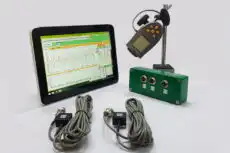
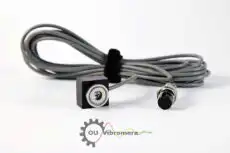
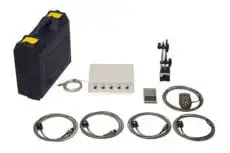
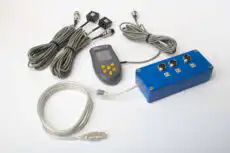
ಈ ಹೈಡ್ರಾಲಿಕ್ ಸಹಿಗಳನ್ನು ಸಂಪೂರ್ಣ ಯಾಂತ್ರಿಕಗಳಿಂದ ಬೇರ್ಪಡಿಸುವುದು ಪಂಪ್ ರೋಗನಿರ್ಣಯದ ಮೂಲ ಅಂಶವಾಗಿದೆ, ಮತ್ತು ಈ ಕ್ಷೇತ್ರದಲ್ಲಿ ಪೋರ್ಟೆಬಲ್ ವಿಶ್ಲೇಷಕ ಅದರ ಮೂಲ್ಯವನ್ನು ಸಾಬೀತುಮಾಡುವ ಸ್ಥಳ ಇದು. The ಬ್ಯಾಲೆನ್ಸೆಟ್-1ಎ ಪತ್ತೆಹಿಡಿಯುತ್ತದೆ ಕಂಪನ ವರ್ಣಪಟಲವನ್ನು ಬೇರಿಂಗ್ ಹೌಸಿಂಗುಗಳಲ್ಲಿ ಮತ್ತು 1×, VPF ಮತ್ತು ಕಡಿಮೆ-ಆವೃತ್ತಿ ಘಟಕಗಳನ್ನು ಪರಿಹರಿಸುತ್ತದೆ, ಆದ್ದರಿಂದ ಎಂಜಿನಿಯರ್ ಹೆಚ್ಚಿನ ಓದುವಿಕೆ ಕರೆ ನೀಡುತ್ತದೆ ಎಂದು ನಿರ್ಧರಿಸಬಹುದು field balancing (ಯಾಂತ್ರಿಕ ಶಿಕಾರ) ಅಥವಾ ಕಾರ್ಯಾಚರಣ ಬಿಂದುವಿನ ಪರಿವರ್ತನೆ (ಹೈಡ್ರಾಲಿಕ್ ಒಂದು) — ಮತ್ತು ರೋಗನಿರ್ಣಯವು ಅಸಮತೋಲನ ತರಂಗಕ್ಕೆ ಸೂಚನೆ ನೀಡುತ್ತದೆ, ರೋಟರ್ ಸಮತೋಲನ ಮಾಡಿ ಮತ್ತು ಸ್ಥಳದಲ್ಲಿ ಫಲಾಫಲವನ್ನು ಪರಿಶೀಲಿಸಿ.
6. ಮಾಪನ ಪರಿಗಣನೆಗಳು
ಕಂಪನ ಮಾಪನ ಸ್ಥಾನಗಳು
- ಬೇರಿಂಗ್ ಹೌಸಿಂಗುಗಳು: ಸಂಯೋಜಿತ ಯಾಂತ್ರಿಕ ಮತ್ತು ಹೈಡ್ರಾಲಿಕ್ ಬಲಗಳನ್ನು ಪತ್ತೆ ಮಾಡಿ.
- Pump casing: ಹೈಡ್ರಾಲಿಕ್ ಪಲ್ಸೇಶನ್ಗಳಿಗೆ ಹೆಚ್ಚು ಸೂಕ್ಷ್ಮ.
- ಸಕ್ಷನ್ ಮತ್ತು ಡಿಸ್ಚಾರ್ಜ್ ಪೈಪಿಂಗ್: ಪ್ರಸಾರಿತ ಒತ್ತಡ ಪಲ್ಸೇಶನ್ಗಳನ್ನು ಸಾಗಿಸುತ್ತವೆ.
- ಬಹು ಸ್ಥಾನಗಳು: ಹೈಡ್ರಾಲಿಕ್ ಮತ್ತು ಯಾಂತ್ರಿಕ ಮೂಲಗಳನ್ನು ಪ್ರತ್ಯೇಕಿಸಲು ಹೋಲಿಕೆ ಸಹಾಯಕಾರಿ.
ಒತ್ತಡ-ಪಲ್ಸೇಶನ ಮಾಪನ
- ಸಕ್ಷನ್ ಮತ್ತು ಡಿಸ್ಚಾರ್ಜ್ನಲ್ಲಿ ಒತ್ತಡ ಟ್ರಾನ್ಸ್ಡ್ಯೂಸರ್ಗಳನ್ನು ಸ್ಥಾಪಿಸಿ.
- ಇವುಗಳು ಹೈಡ್ರಾಲಿಕ್ ಪಲ್ಸೇಶನ್ಗಳನ್ನು ನೇರವಾಗಿ ಅಳೆಯುತ್ತವೆ.
- ಪಲ್ಸೇಶನ್ ಡೇಟಾವನ್ನು ಆಂದೋಲನದೊಂದಿಗೆ ಸಂಬಂಧಿತ ಮಾಡಿ.
- ಅಕೌಸ್ಟಿಕ್ ರೆಸೋನನ್ಸ್ಗಳನ್ನು ಗುರುತಿಸಲು ಸಂಯೋಜನೆ ಬಳಸಿ.
ಹೈಡ್ರಾಲಿಕ್ ಬಲಗಳು ಪಂಪ್ನ ಕಾರ್ಯಾಚರಣೆಯ ಮೂಲಭೂತ ಮತ್ತು ಅದರ ಆಂದೋಲನ ಮತ್ತು ಲೋಡಿಂಗ್ನ ಪ್ರಮುಖ ಮೂಲವಾಗಿದೆ. ಆ ಬಲಗಳು ಕಾರ್ಯಾಚರಣೆಯ ಪರಿಸ್ಥಿತಿಗಳೊಂದಿಗೆ ಹೇಗೆ ಬದಲಾಗುತ್ತವೆ ಎಂಬುದನ್ನು ಅರ್ಥಮಾಡಿಕೊಳ್ಳುವುದು, ಆಂದೋಲನ ಸ್ಪೆಕ್ಟ್ರಮ್ನಲ್ಲಿ ಅವುಗಳ ಸಹಿಗಳನ್ನು ಗುರುತಿಸುವುದು, ಮತ್ತು ಬಲಗಳನ್ನು ಕಡಿಮೆ ಇಡಲು ಪಂಪ್ಗಳನ್ನು ಡಿಜೈನ್ ಮತ್ತು ಕಾರ್ಯಾಚರಣೆ ನಡೆಸುವುದು — ಪ್ರಾಥಮಿಕವಾಗಿ BEP ಬಳಿ ಚಲಾಯಿಸುವ ಮೂಲಕ — ಕೈಗಾರಿಕ ಸೇವೆಯಲ್ಲಿ ವಿಶ್ವಾಸಾರ್ಹ, ದೀರ್ಘಾಯುವ ಪಂಪ್ ಕಾರ್ಯಕ್ಷಮತೆ ಸಾಧಿಸಲು ಅವಶ್ಯಕ. ಈ ಬಲಗಳು ಚಲಾಯಿಸುವ ವೈಫಲ್ಯಗಳ ಆಳವಾದ ವಿವರಣೆಗೆ, ನೋಡಿ ಕೇಂದ್ರೀಯ ಪಂಪ್ ನ್ಯೂನತೆಗಳು and ಇಂಪೆಲ್ಲರ್ ದೋಷಗಳು.

