ತಿರುಗುವ ಯಂತ್ರೋಪಕರಣದಲ್ಲಿ ಅಕ್ಷೀಯ ಕಂಪನವನ್ನು ತಿಳುವಳಿಕೆ
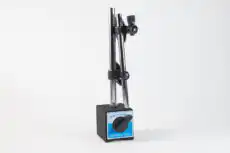

ಅಕ್ಷೀಯ ಕಂಪನ (ರೇಖೀಯ ಅಥವಾ ಥ್ರಸ್ಟ್ ಕಂಪನ ಎಂದೂ ಕರೆಯುತ್ತಾರೆ) ಹಿಂದೆ ಮತ್ತು ಮುಂದಕ್ಕೆ ಚಲನೆ ರೋಟರ್ ಅದರ ತಿರುಗುವಿಕೆಯ ಅಕ್ಷಕ್ಕೆ ಸಮಾನಾಂತರ ದಿಕ್ಕಿನಲ್ಲಿ. ಎಲ್ಲಿ ಪಾರ್ಶ್ವ ಕಂಪನ ಶಾಫ್ಟ್ಗೆ ಲಂಬವಾಗಿ ಪಾರ್ಶ್ವ-ಪಾರ್ಶ್ವ ಚಲನೆ, ಅಕ್ಷೀಯ ಕಂಪನವು ತನ್ನ ಸ್ವಂತ ಉದ್ದದ ಉದ್ದಕ್ಕೂ ಶಾಫ್ಟ್ ಚಲಿಸುವುದು, ಪಿಸ್ಟನ್ ನಂತೆ. ಇದು ಸಾಮಾನ್ಯವಾಗಿ ರೇಡಿಯಲ್ ವೈಬ್ರೇಶನ್ಗಿಂತ ಸಣ್ಣ ವೈಪಲ್ಯದಲ್ಲಿ, ಆದರೆ ಇದು ನಿರ್ದಿಷ್ಟ ದೋಷಗಳ ಕುಟುಂಬಿಗೆ ಹೆಚ್ಚು ರೋಗನಿರ್ಣಯಕಾರಕ — ಎಲ್ಲಕ್ಕಿಂತ ಹೆಚ್ಚಾಗಿ misalignment, thrust-bearing ಸಮಸ್ಯೆಗಳು, ಮತ್ತು ಪಂಪ್ಗಳು ಮತ್ತು ಸಂಕೋಚಕಗಳಲ್ಲಿ ಪ್ರಕ್ರಿಯೆ-ಸಂಬಂಧಿತ ಸಮಸ್ಯೆಗಳು. ಅನುಭವಿ ವಿಶ್ಲೇಷಕ ಇದನ್ನು ಐಚ್ಛಿಕ ಅಲ್ಲದೆ ಸಂಪೂರ್ಣ ಮಾಪನ ಸೆಟ್ನ ಅನಿವಾರ್ಯ ಭಾಗವೆಂದು ಪರಿಗಣಿಸುತ್ತಾರೆ.
1. ಗುಣಲಕ್ಷಣಗಳು ಮತ್ತು ಮಾಪನ
ದಿಕ್ಕು ಮತ್ತು ಚಲನೆ
ಅಕ್ಷೀಯ ಕಂಪನವು ಶಾಫ್ಟ್ನ ಕೇಂದ್ರೀಯ ಅಕ್ಷದಲ್ಲಿ ಸಂಭವಿಸುತ್ತದೆ:
- ಚಲನೆವು ತಿರುಗುವಿಕೆಯ ಅಕ್ಷಕ್ಕೆ ಸಮಾನಾಂತರವಾಗಿರುತ್ತದೆ.
- ರೋಟರ್ ಹಿಂದೆ ಮತ್ತು ಮುಂದಕ್ಕೆ ಪರಿಣಾಮ ರೀತಿಯಲ್ಲಿ ಚಲಿಸುತ್ತದೆ.
- ಇದನ್ನು ಸಾಮಾನ್ಯವಾಗಿ ಬೇರಿಂಗ್ ಹೌಸಿಂಗ್ಗಳು ಅಥವಾ ಶಾಫ್ಟ್ ಅಂತ್ಯದಲ್ಲಿ ಅಳೆಯಲಾಗುತ್ತದೆ.
- ಇದರ ವೈಪಲ್ಯವು ಸಾಮಾನ್ಯವಾಗಿ ರೇಡಿಯಲ್ ಕಂಪನಕ್ಕಿಂತ ಚಿಕ್ಕದಾಗಿದೆ ಆದರೆ, ಇದು ಇದ್ದಾಗ, ರೋಗನಿರ್ಣಯಾತ್ಮಕವಾಗಿ ಹೆಚ್ಚು ಮಾತನಾಡುವುದು.
ಮಾಪನ ಸೆಟಪ್
ಅಕ್ಷೀಯ ಚಲನೆಯನ್ನು ಸೆಳೆಯುವುದು ಉದ್ದೇಶಪೂರ್ವಕ ಸಂವೇದಕ ನಿರ್ದೇಶಾಂಕಗಳ ಅವಶ್ಯಕತೆ ಹೊಂದಿರುತ್ತದೆ:
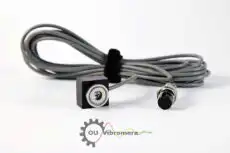
- ಸಂವೇದಕ ದೃಷ್ಟಿಕೋನ: an accelerometer ಅಥವಾ ವೇಗ ಸೆನ್ಸರ್ ಶಾಫ್ಟ ಅಕ್ಷಕ್ಕೆ ಸಮಾನಾಂತರವಾಗಿ ನೆಲೆಗೊಂಡಿರುತ್ತದೆ.
- ಸಾಮಾನ್ಯ ಸ್ಥಳಗಳು: ಬೆಲ್ಲಿಂಗ್-ಹೌಸಿಂಗ್ ತುದಿ ಕ್ಯಾಪ್ಗಳು, ಮೋಟಾರ್ ತುದಿ ಬೆಲ್ಗಳು ಅಥವಾ ತಳ್ಳು-ಬೆಲ್ಲಿಂಗ್ ಹೌಸಿಂಗುಗಳು.
- ಸಾಮೀಪ್ಯತೆ ತನಿಖೆ: a ಪ್ರಾಕ್ಸಿಮಿಟಿ ಪ್ರೋಬ್ ಶಾಫ್ಟದ ತುದಿಯ ಕಡೆಗೆ ಎದುರಾಗಿ ಅಕ್ಷೀಯ ಸ್ಥಿತಿಯನ್ನು ನೇರವಾಗಿ ಅಳೆಯಬಹುದು.
- ಪ್ರಾಮುಖ್ಯತೆ: ಸಾಮಾನ್ಯವಾಗಿ ಅತಿಕ್ರಮಿಸಲ್ಪಟ್ಟಿದೆ, ಆದರೆ ಸಂಪೂರ್ಣ ಯಂತ್ರೋಪಕರಣ ರೋಗನಿರ್ಣಯಕ್ಕೆ ನಿರ್ಣಾಯಕವಾಗಿದೆ.
2. ಅಕ್ಷೀಯ ಕಂಪನದ ಪ್ರಾಥಮಿಕ ಕಾರಣಗಳು
ತಪ್ಪುದಾರಣೆ — ಹೆಚ್ಚು ಸಾಮಾನ್ಯ ಕಾರಣ
ಶಾಫ್ಟ್ ಸಮನ್ವಯ ದೋಷ, ವಿಶೇಷವಾಗಿ ಕೋನೀಯ ತಪ್ಪುದಾರಣೆ, ಅಕ್ಷೀಯ ಕಂಪನದ ಪ್ರಮುಖ ಮೂಲವಾಗಿದೆ:
- ಲಕ್ಷಣ: high 1× or 2× axial vibration at running speed.
- ಯಾಂತ್ರಿಕೆ: ಸಂಯೋಜಕ ಶಾಫ್ಟುಗಳ ನಡುವಿನ ಕೋನೀಯ ಆಫ್ಸೆಟ್ ಪ್ರತಿ ಕ್ರಾಂತಿಯಲ್ಲಿ ಸಂಯೋಜಕದ ಮೂಲಕ ಆಂದೋಲನಶೀಲ ಅಕ್ಷೀಯ ಬಲವನ್ನು ಪಂಪ್ ಮಾಡುತ್ತದೆ.
- ರೋಗನಿರ್ಣಯ ಸೂಚಕ: ರೇಡಿಯಲ್ ವೈಶಾಲ್ಯದ 50% ಗಿಂತ ಹೆಚ್ಚಿನ ಅಕ್ಷೀಯ ವೈಶಾಲ್ಯ ತಪ್ಪುದಾರಣೆಯನ್ನು ಬಲವಾಗಿ ಸೂಚಿಸುತ್ತದೆ.
- ಹಂತ ಸಂಬಂಧ: ಡ್ರೈವ್ ಮತ್ತು ನಾನ್-ಡ್ರೈವ್ ತುದಿಗಳಲ್ಲಿನ ಅಕ್ಷೀಯ ಓದುವಿಕೆ ಸಾಮಾನ್ಯವಾಗಿ ಸುಮಾರು 180° ಹೊರಗೆ phase.
ತಳ್ಳು-ಬೆಲ್ಲಿಂಗ್ ದೋಷಗಳು
ಸಮಸ್ಯೆಗಳು thrust bearing ಯಾವುವು ಅಕ್ಷೀಯ ಶಾಫ್ಟ ಸ್ಥಿತಿಯನ್ನು ನಿಯತಗೊಳಿಸುತ್ತದೆ ವಿಶಿಷ್ಟ ಅಕ್ಷೀಯ ಕಂಪನವನ್ನು ಉತ್ಪಾದಿಸುತ್ತದೆ:
- ತಳ್ಳು-ಬೆಲ್ಲಿಂಗ್ ಕ್ಷೀಣತೆ ಅಥವಾ ಹಾನಿ.
- ಅಪರ್ಯಾಪ್ತ ಥ್ರಸ್ಟ್ ಬೀಟಿಂಗ್ preload.
- ಥ್ರಸ್ಟ್ ಬೀಟಿಂಗ್ ವಿಫಲತೆ ಅತಿರಿಕ್ತ ಅಕ್ಷೀಯ ಪ್ಲೇ ಅನುಮತಿ ನೀಡುತ್ತದೆ.
- ಥ್ರಸ್ಟ್ ಮುಖಗಳಿಗೆ ನಿರ್ದಿಷ್ಟವಾದ ನಯನ ಸಮಸ್ಯೆಗಳು.
ಹೈಡ್ರಾಲಿಕ್ ಅಥವಾ ಏರೋಡೈನಾಮಿಕ್ ಬಲಗಳು
ಪಂಪುಗಳು, ಸಂಕೋಚಕಗಳು ಮತ್ತು ಟರ್ಬೈನ್ಗಳಲ್ಲಿ ಪ್ರಕ್ರಿಯೆ ಬಲಗಳು ಅಕ್ಷೀಯ ಲೋಡ್ಗಳನ್ನು ಉತ್ಪಾದಿಸುತ್ತವೆ:
- ಪಂಪ್ ಕ್ಯಾವಿಟೇಶನ್: ಸುಸ್ಪಷ್ಟ ಆವೃತ್ತ ಬುದ್ದಬುಲೆ ಅಕ್ಷೀಯ ಆಘಾತ ಬಲಗಳನ್ನು ರಚಿಸುತ್ತವೆ.
- ರೋಟರ್ ಅಸಮತೋಲನ: ಅಸಮವಿರಣ ಹೊಳಪು ಆಂದೋಲನಶೀಲ ಅಕ್ಷೀಯ ಥ್ರಸ್ಟ್ ಉತ್ಪಾದಿಸುತ್ತದೆ.
- ಅಕ್ಷೀಯ ಹೊಳಪು ಪ್ರಕ್ಷುಬ್ಧತೆ: ಅಕ್ಷೀಯ ಸಂಕೋಚಕಗಳು ಮತ್ತು ಟರ್ಬೈನ್ಗಳಲ್ಲಿ.
- ಸರ್ಜಿಂಗ್: ಸಂಕೋಚಕ ಶಾಸನ ಹಿಂಸಾತ್ಮಕ ಅಕ್ಷೀಯ ಕಂಪನಕ್ಕೆ ಕಾರಣ ನೀಡುತ್ತದೆ.
- ಮರುಸಂಚಲನ: ಹೊಳಪು ಅಸ್ಥಿರತೆಗಳನ್ನು ಟ್ರಿಗರ್ ಮಾಡುವ ಡಿজೈನ್-ಹೊರಗಿನ ಕಾರ್ಯಾಚರಣೆ.
ಯಾಂತ್ರಿಕ ಸಡಿಲತೆ
ಅತಿರಿಕ್ತ ಅಂತರಗಳು ರೋಟರ್ ಅನ್ನು ಅಕ್ಷೀಯವಾಗಿ ಚಲಿಸಲು ಅನುಮತಿ ನೀಡುತ್ತವೆ:
- ಅವನೀತ ಥ್ರಸ್ಟ್-ಬೀಟಿಂಗ್ ಮೇಲ್ಮೈಗಳು.
- ಸುಸ್ಥಿರ ಸಂಯೋಗ ಘಟಕಗಳು.
- ಬೀಟಿಂಗ್ ವ್ಯವಸ್ಥೆಯಲ್ಲಿ ಅಪರ್ಯಾಪ್ತ ಅಕ್ಷೀಯ ನಿರೋಧ.
- ಅವನೀತ ಸ್ಪೇಸರ್ಗಳು ಅಥವಾ ಶಿಮ್ಗಳು.
ಸಂಯೋಗ ಸಮಸ್ಯೆಗಳು
ಸಂಯೋಗ ಅವನತಿ ಅಥವಾ ಕಳಪೆ ಸ್ಥಾಪನೆ ಅಕ್ಷೀಯ ಕಂಪನ ಉತ್ಪಾದಿಸುತ್ತದೆ:
- ಅಕ್ಷೀಯ ತೇಲುವಿಕೆ ಅನುಮತಿ ನೀಡುವ ಅವನೀತ ಗಿಯರ್-ಸಂಯೋಗ ಹಲ್ಲುಗಳು.
- ಅಸಮರ್ಥವಾಗಿ ಸ್ಥಾಪಿಸಲಾದ ನಮ್ಯ couplings.
- ಸಂಯೋಜಕ-ದೂರವಾಯಕ ಉದ್ದದ ದೋಷಗಳು.
- ಸಾರ್ವತ್ರಿಕ-ಸಂಧಿ ಕೋನಗಳು ಅಕ್ষೀಯ ಬಲ ಘಟಕಗಳನ್ನು ರಚಿಸುತ್ತವೆ.
ಉಷ್ಣೀಯ ಬೃದ್ಧಿ ಸಮಸ್ಯೆಗಳು
ಭಿನ್ನ ಉಷ್ಣೀಯ ಪ್ರಸರಣ ಅಕ್ಷೀಯ ಬಲಗಳನ್ನು ಹೇರಬಹುದು:
- ಪೈಪಿಂಗ್ ಉಷ್ಣೀಯ ಪ್ರಸರಣ ಸಾಧನವನ್ನು ತಳ್ಳುತ್ತಿದೆ ಅಥವಾ ಎಳೆಯುತ್ತಿದೆ.
- ಸಂಯೋಜಿತ ಯಂತ್ರಗಳ ನಡುವೆ ಅಸಮಾನ ಉಷ್ಣೀಯ ಬೃದ್ಧಿ.
- ಅಕ್ಷೀಯ ಜೋಡಣೆಯನ್ನು ವಿಚಲಿತ ಮಾಡುವ ಆಧಾರ ನೆಲೆಯೆಳೆತ.
3. ರೋಗನಿರ್ಣಯ ಮಹತ್ವ
ತಪ್ಪು ಜೋಡಣೆ ರೋಗನಿರ್ಣಯ ಮಾಡುವುದು
ಅಕ್ಷೀಯ ಕಂಪನವು ಅಸಂರೇಖನದ ಸೂಚಕವಾಗಿದೆ:
- ಸಿದ್ಧಾಂತದ ನಿಯಮ: ಅಕ್ಷೀಯ ಕಂಪನ ರೇಡಿಯಲ್ ಕಂಪನದ 50% ಮೀರಿದರೆ, ಅಸಂರೇಖನವನ್ನು ಶಂಕಿಸಿ.
- ಆವೃತ್ತಿ ವಿಷಯಸ್ತು: ಸಮಾನಾಂತರ-ಆಫ್ಸೆಟ್ ಮಿಸ್ಅಲೈನ್ಮೆಂಟ್ಗೆ ಮುಖ್ಯವಾಗಿ 2×; ಕೋನೀಯ ಮಿಸ್ಅಲೈನ್ಮೆಂಟ್ಗೆ 1× ಮತ್ತು 2× ಎರಡೂ.
- ಹಂತ ವಿಶ್ಲೇಷಣೆ: ವಿರುದ್ಧ ಸುತ್ತುಗಳಲ್ಲಿ ಅಕ್ಷೀಯ ವಾಚನಗಳ ನಡುವೆ 180° ಹಂತ ವ್ಯತ್ಯಾಸವು ಅಸಂರೇಖನವನ್ನು ದೃಢೀಕರಿಸುತ್ತದೆ.
- ದೃಢೀಕರಣ: ನಿಖರತೆ ನಂತರ ತೀವ್ರವಾಗಿ ಕಡಿಮೆಯಾಗುವ ಹೆಚ್ಚು ಅಕ್ಷೀಯ ಕಂಪನ ಶಾಫ್ಟ್ ಜೋಡಣೆ ರೋಗನಿರ್ಣಯವನ್ನು ಸಾಬೀತುಪಡಿಸುತ್ತದೆ.
ಪಂಪ್ ಮತ್ತು ಸಂಕೋಚಕ ರೋಗನಿರ್ಣಯ
ದ್ರವ-ನಿರ್ವಹಣೆ ತಿರುಗುವ ಸಾಧನಕ್ಕಾಗಿ:
- ಕ್ಯಾವಿಟೇಶನ್: ಹೆಚ್ಚಿನ-ಆವೃತ್ತಿ, ಯಾದೃಚ್ಛಿಕ, ವ್ಯಾಪಕ-ಬ್ಯಾಂಡ್ ಅಕ್ಷೀಯ ಕಂಪನ.
- ಹೈಡ್ರಾಲಿಕ್ ಅಸಮತೋಲನ: ಅಸಮಮಿತ ಇಂಪೆಲ್ಲರ್ ಲೋಡಿಂಗ್ನಿಂದ 1× ಅಕ್ಷೀಯ ಕಂಪನ.
- ಸರ್ಜ್: ಅಧಿಕ ವಿಸ್ತಾರದ, ನಿಮ್ನ-ಆವೃತ್ತಿ ಅಕ್ಷೀಯ ದೋಲನ.
- ಬ್ಲೇಡ್-ಪಾಸ್ ಆವೃತ್ತಿ: ಬ್ಲೇಡ್-ಪಾಸಿಂಗ್ ಆವೃತ್ತಿಯಲ್ಲಿ ಅಕ್ಷೀಯ ಘಟಕವು ಹರಿವು ಸಮಸ್ಯೆಗಳನ್ನು ಸೂಚಿಸುತ್ತದೆ.
ಬೇರಿಂಗ್ ಸ್ಥಿತಿ ಮೂಲ್ಯಮಾಪನ
- ಅಕ್ಷೀಯ ಕಂಪನದ ಆಕಸ್ಮಿಕ ಹೆಚ್ಚಳವು ಥ್ರಸ್ಟ್-ಬೇರಿಂಗ್ ಅವನತಿಯನ್ನು ಸೂಚಿಸಬಹುದು.
- ಥ್ರಸ್ಟ್-ಬೇರಿಂಗ್ ನ್ಯೂನತೆ ಆವೃತ್ತಿಗಳಲ್ಲಿ ಅಕ್ಷೀಯ ಕಂಪನವು ಬೇರಿಂಗ್ ಸಮಸ್ಯೆಯನ್ನು ದೃಢಪಡಿಸುತ್ತದೆ.
- ಸಾಮೀಪ್ಯತೆ ಪರೀಕ್ಷಕಗಳೊಂದಿಗೆ ಅಳೆಯುವ ಅತಿಯಾದ ಅಕ್ಷೀಯ ತೇಲುವಿಕೆವು ಬೇರಿಂಗ್ ಸುಧಾರಣೆಯನ್ನು ಸೂಚಿಸುತ್ತದೆ.
4. ಸ್ವೀಕಾರಾರ್ಹ ಮಟ್ಟಗಳು ಮತ್ತು ಮಾನದಂಡಗಳು
ಸಾಮಾನ್ಯ ನಿರ್ದೇಶನಗಳು
ಸಾಮಾನ್ಯ ಯಂತ್ರೋಪಕರಣ-ಕಂಪನ ಮಾನದಂಡಗಳು — ಆಧುನಿಕ ISO 20816 ಸರಣಿ, ಇದು ISO 10816 ಅನ್ನು ಬದಲಾಯಿಸಿದೆ — ಮುಖ್ಯವಾಗಿ ರೇಡಿಯಲ್ ಕಂಪನದ ಮೇಲೆ ಕೇಂದ್ರೀಕೃತವಾಗಿದೆ, ಆದ್ದರಿಂದ ಅಕ್ಷೀಯ ಮಿತಿಗಳು ಸಾಮಾನ್ಯವಾಗಿ ಅದಕ್ಕೆ ಸಂಬಂಧಿತವಾಗಿ ಚೌಕಟ್ಟನ್ನು ಮಾಡಿದೆ:
- ರೇಡಿಯಲ್ಗೆ ಸಂಬಂಧಿತ: ಸಾಮಾನ್ಯ ಪರಿಸ್ಥಿತಿಗಳ ಅಡಿಯಲ್ಲಿ ಅಕ್ಷೀಯ ಕಂಪನವು ರೇಡಿಯಲ್ ಕಂಪನದ 50% ಕ್ಕಿಂತ ಕೆಳಗಿರಬೇಕು.
- ಸಂಪೂರ್ಣ ಮಿತಿಗಳು: ಸಾಮಾನ್ಯವಾಗಿ ಯಂತ್ರದ ವರ್ಗಕ್ಕೆ ರೇಡಿಯಲ್ ಮಿತಿಯ 25–50%.
- ಬೇಸ್ಲೈನ್ ಹೋಲನೆ: 50–100% ಹೆಚ್ಚಳ baseline ಸಂಪೂರ್ಣ ಮೌಲ್ಯದ ಹೊರತಾಗಿ ತನಿಖೆಯ ಅರ್ಹತೆ ಇದೆ.
ಸಾಧನ-ನಿರ್ದಿಷ್ಟ ಮಾನದಂಡಗಳು
- API 610 (ಕೇಂದ್ರೀಕೃತ ಪಂಪ್ಗಳು): ರೇಡಿಯಲ್ ಮತ್ತು ಅಕ್ಷೀಯ ಕಂಪನ ಮಿತಿಗಳೆರಡನ್ನೂ ನಿರ್ದಿಷ್ಟಪಡಿಸುತ್ತದೆ.
- API 617 (ಅಪಕೇಂದ್ರಿಯ ಸಂಕುಚಕಗಳು): ಅಕ್ಷೀಯ ಕಂಪನ ಸ್ವೀಕೃತಿ ಮಾನದಂಡಗಳನ್ನು ಒಳಗೊಂಡಿದೆ.
- ಟರ್ಬೋಮಷೀನರಿ: ಸಾಮಾನ್ಯವಾಗಿ ಅಕ್ಷೀಯ-ಸ್ಥಾನ ಮತ್ತು ಅಕ್ಷೀಯ-ಕಂಪನ ಸಂವೇದಕಗಳನ್ನು ಸಂಯುಕ್ತವಾಗಿ ನಿರೀಕ್ಷಣ ಮಾಡಲಾಗುತ್ತದೆ, ಆಗಾಗ್ಗೆ API 670 ಯಂತ್ರಸಜ್ಜೆ-ರಕ್ಷಣಾ ಅಭ್ಯಾಸ.
5. ತಿದ್ದುಪಡಿ ಮತ್ತು ತಗ್ಗಿಸುವಿಕೆ ವಿಧಾನಗಳು
ಅಸಂರೇಖಣೆಗಾಗಿ
- ನಿಖರ ಶಾಫ್ಟ ಜೋಡಣೆ: ಕೋನೀಯ ಮತ್ತು ಸಮಾನಾಂತರ ಅಸಂರೇಖಣೆಯನ್ನು ಸರಿಪಡಿಸಲು ಲೇಸರ್ ಜೋಡಣೆ ಸಾಧನಗಳನ್ನು ಬಳಸಿ.
- ನಿಂಬ-ಪಾದ ತಿದ್ದುಪಡಿ: ಜೋಡಿಸುವುದಕ್ಕೆ ಮೊದಲು ಪ್ರತಿಯೊಂದು ಲಗತ್ತು ಪಾದವು ಸಮತಟ್ಟಾಗಿ ಕುಳಿತುಕೊಳ್ಳುವುದನ್ನು ಖಚಿತಪಡಿಸಿ — ಸಾಫ್ಟ್ ಫುಟ್.
- ಉಷ್ಣ-ಬೃದ್ಧಿ ಭತ್ಯೆ: ಶೀತ ಜೋಡಣೆ ಗುರಿಗಳನ್ನು ನಿರ್ಧರಿಸುವಾಗ ಕಾರ್ಯಕ್ಷೇತ್ರ-ತಾಪಮಾನ ವಿಸ್ತರಣೆಯನ್ನು ಗಣನೆ ಮಾಡಿ.
- ಪೈಪಿಂಗ್-ತಾಪತ್ರಯ ಪರಿಹಾರ: ಸಾಧನವನ್ನು ಜೋಡಣೆಯ ಹೊರಗೆ ಎಳೆಯುವ ಪೈಪಿಂಗ್ ಬಲಗಳನ್ನು ತೆಗೆದುಹಾಕಿ.
ಥ್ರಸ್ಟ್-ಬೇರಿಂಗ್ ಸಮಸ್ಯೆಗಳಿಗಾಗಿ
- ಶೀರ್ಣ ಥ್ರಸ್ಟ್-ಬೇರಿಂಗ್ ಘಟಕಗಳನ್ನು ಬದಲಿಸಿ.
- ಸರಿಯಾದ ಥ್ರಸ್ಟ್-ಬೇರಿಂಗ್ ಪೂರ್ವ-ಹೊರೆ ಮತ್ತು ತೆರವುಗಳನ್ನು ಪರಿಶೀಲಿಸಿ.
- ಥ್ರಸ್ಟ್ ಮುಖಗಳಿಗೆ ಸಾಕಷ್ಟು ನಯನಿರ್ಮಾಣ ನಿಶ್ಚಿತಗೊಳಿಸಿ.
- ಸರಿಯಾದ ಸ್ಥಾಪನೆ ಮತ್ತು ಶಿಮ್ಮಿಂಗ್ ಪರಿಶೀಲಿಸಿ.
ಪ್ರಕ್ರಿಯೆ-ಸಂಬಂಧಿತ ಅಕ್ಷೀಯ ಬಲಗಳಿಗಾಗಿ
- ಕ್ಯಾವಿಟೇಶನ ತೆಗೆದುಹಾಕಿ: ಪ್ರವೇಶ ಒತ್ತಡವನ್ನು ಹೆಚ್ಚಿಸಿ, ದ್ರವದ ತಾಪಮಾನವನ್ನು ಕಡಿಮೆ ಮಾಡಿ, ಪ್ರವೇಶ ಅಡಚಣೆಗಳನ್ನು ತೆರವುಗೊಳಿಸಿ.
- ಕಾರ್ಯನಿರ್ವಾಹಕ ಬಿಂದುವನ್ನು ಉಚ್ಚೋತ್ಕರ್ಷಗೊಳಿಸಿ: ಪಂಪ್ಗಳು ಮತ್ತು ಸಂಕೋಚಕಗಳನ್ನು ಅವುಗಳ ವಿನ್ಯಾಸ ಶ್ರೇಣಿಯೊಳಗೆ ಕಾಯ್ದುಹಾಕಿ.
- ಹೈಡ್ರಾಲಿಕ್ ಪ್ರಭಾವಗಳನ್ನು ಸಮತೋಲಿಸಿ: ಪ್ರತ್ಯಾವರ್ತಕಗಳ ಮೇಲೆ ಸಮತೋಲನ ರಂಧ್ರಗಳು ಅಥವಾ ಹಿಂಭಾಗದ ಬ್ಲೇಡ್ಗಳನ್ನು ಬಳಸಿ.
- ಸರ್ಜ-ವಿರೋಧಿ ನಿಯಂತ್ರಣ: ಸಂಕೋಚಕಗಳ ಮೇಲೆ ಪರಿಣಾಮಕಾರಿ ಸರ್ಜ ತಡೆಗಟ್ಟುವಿಕೆಯನ್ನು ಕಾರ್ಯಗತಗೊಳಿಸಿ.
ಯಾಂತ್ರಿಕ ಸಮಸ್ಯೆಗಳಿಗೆ
- ಯೇಳಿದ ಸಂಯೋಜಕಗಳು ಮತ್ತು ಸಂಯೋಜಕ ಘಟಕಗಳನ್ನು ಬದಲಿಸಿ.
- ಬಿಟ್ಟುಹೋಗಿರುವ ಯಾಂತ್ರಿಕ ಸಂಪರ್ಕಗಳನ್ನು ಬಿಗಿಗೊಳಿಸಿ.
- ಸರಿಯಾದ ಅಂತರವು ಮತ್ತು ಶಿಮ್ ಆಯಾಮಗಳನ್ನು ಪರಿಶೀಲಿಸಿ.
- ತಯಾರಕರ ವಿವರಣೆ ಅನುಸಾರ ಸಂಯೋಜಕಗಳನ್ನು ಸ್ಥಾಪಿಸಿ.
6. ಮಾಪನ ಉತ್ತಮ ಅಭ್ಯಾಸಗಳು
ಸೂಚಕ ಸ್ಥಾಪನೆ
- ದೃಢ ಆರೋಹಣ: ಸಾಧ್ಯವಾದರೆ ಆರೋಹಕ ಮಾಪನಗಳಿಗೆ ಆಯಸ್ಕಾಂತಗಳಿಗಿಂತ ಸ್ಟಡ್ಗಳು ಅಥವಾ ಅಂಟಕವನ್ನು ಆದ್ಯತೆ ನೀಡಿ — ನೋಡಿ ಸೆನ್ಸರ್ ಮೌಂಟಿಂಗ್.
- ದೃಷ್ಟಿಕೋನವನ್ನು ಪರಿಶೀಲಿಸಿ: ಸೂಚಕವು ಪೂರ್ವಸಂಜ್ಞೆ ಅಕ್ಷದೊಂದಿಗೆ ನಿಜವಾಗಿ ಸಮಾನಾಂತರವಾಗಿದೆ ಮತ್ತು ಕೋನದಲ್ಲಿ ನೆರೆದಿಲ್ಲ ಎಂದು ಖಚಿತಪಡಿಸಿಕೊಳ್ಳಿ.
- Both ends: ಆರೋಹಕ ನಿರ್ಲಾಯ ಅಕ್ಷ ಮತ್ತು ಚಲನ-ವಿಮುಕ್ತ ತುದಿಗಳಲ್ಲಿ ಅಳೆಯಿರಿ ಆದ್ದರಿಂದ ಹಂತವನ್ನು ಹೋಲಿಸಬಹುದು.
- ಸಾಮೀಪ್ಯತೆ ತನಿಖೆ: ನಿರ್ಣಾಯಕ ಸಾಧನಗಳಿಗೆ, ಶಾಶ್ವತ ಆರೋಹಕ-ಸ್ಥಿತಿ ಸೂಚಕಗಳನ್ನು ಸ್ಥಾಪಿಸಿ.
ಡೇಟಾ ಸಂಗ್ರಹ
- ಸಮತೈಜನ ಕಾರ್ಯದಲ್ಲಿ ಸದಾ ಸಮತಲ ಮತ್ತು ಲಂಬ ರೇಡಿಯಲ್ ಮಾಪನಗಳ ಜೊತೆಗೆ ಅಕ್ಷೀಯ ಮಾಹಿತಿ ಸಂಗ್ರಹಿಸಿ.
- ವಿವಿಧ ಸ್ಥಳಗಳಲ್ಲಿ ಅಕ್ಷೀಯ ವಾಚನಾಂಶಗಳ ನಡುವಿನ ಬಟ್ಟೆಯ ಸಂಬಂಧ ರೆಕಾರ್ಡ್ ಮಾಡಿ.
- ಅಕ್ಷೀಯ-ರೇಡಿಯಲ್ ವೈಶಾಲ್ಯ ಅನುಪಾತಗಳನ್ನು ಹೋಲಿಸಿ.
- Trend ಅಕ್ಷೀಯ ಕಂಪನ ವೇಗವನ್ನು ಕಾಲಾನುಸಾರ ನಿರೀಕ್ಷಣ ಮಾಡಿ ಮತ್ತು ಅಭಿವೃದ್ಧಿ ಹೊಂದುತ್ತಿರುವ ಸಮಸ್ಯೆಗಳನ್ನು ಆರಂಭಿಕವಾಗಿ ಧರಿಸಿ.
7. ಅಕ್ಷೀಯ ವಿರುದ್ಧ ರೇಡಿಯಲ್ ಕಂಪನ
ಈ ಎರಡು ದಿಕ್ಕುಗಳನ್ನು ಪ್ರತ್ಯೇಕವಾಗಿ ಇಟ್ಟುಕೊಳ್ಳುವುದು ದೋಷ ಗುರುತುಪ್ರವರ್ತನೆಗೆ ಕೇಂದ್ರೀಯವಾಗಿದೆ:
| ಅಂಶ | ರೇಡಿಯಲ್ (ಪಾರ್ಶ್ವ) ಕಂಪನ | ಅಕ್ಷೀಯ ಕಂಪನ |
|---|---|---|
| ದಿಕ್ಕು | ಶಾಫ್ಟ್ ಅಕ್ಷಕ್ಕೆ ಲಂಬವಾಗಿ | ಶಾಫ್ಟ್ ಅಕ್ಷದ ಸಮಾನಾಂತರವಾಗಿ |
| ವಿಶಿಷ್ಠ ವೈಶಾಲ್ಯ | ಹೆಚ್ಚು | ಕಡಿಮೆ (ಸಾಮಾನ್ಯವಾಗಿ < ರೇಡಿಯಲ್ನ 50%) |
| Primary causes | Unbalance, bent shaft, ಬೇರಿಂಗ್ ದೋಷಗಳು | ಅಸಮನ್ವಯ, ಥ್ರಸ್ಟ್-ಬೇರಿಂಗ್ ಸಮಸ್ಯೆಗಳು, ಪ್ರಕ್ರಿಯೆ ಪಡೆಗಳು |
| ರೋಗನಿರ್ಣಯ ಮೌಲ್ಯ | ಸಾಮಾನ್ಯ ಯಂತ್ರೋಪಕರಣ ಸ್ಥಿತಿ | ಅಸಮನ್ವಯ ಮತ್ತು ಥ್ರಸ್ಟ್ ಸಮಸ್ಯೆಗಳಿಗೆ ನಿರ್ದಿಷ್ಟ |
| ನಿರೀಕ್ಷಣ ಆದ್ಯತೆ | ಪ್ರಾಥಮಿಕ ಗಮನ | ದ್ವಿತೀಯಾರ್ಹ ಆದರೆ ರೋಗನಿರ್ಣಯಕ್ಕೆ ನಿರ್ಣಾಯಕ |
8. ಪ್ರಾಯೋಗಿಕ ಕ್ಷೇತ್ರ ರೋಗನಿರ್ಣಯ
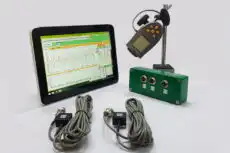
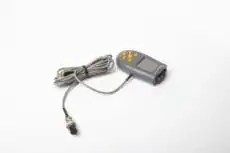
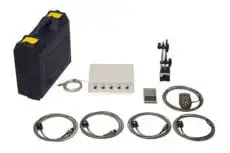
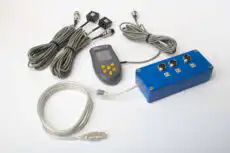
ಕ್ಷೇತ್ರದಲ್ಲಿ, ನಿರ್ಣಾಯಕ ಅಕ್ಷೀಯ-ಕಂಪನ ಪರೀಕ್ಷೆ ತುಲನಾತ್ಮಕವಾಗಿದೆ: ಎರಡೂ ಬೇರಿಂಗ್ ತುದಿಗಳಲ್ಲಿ ಅಕ್ಷೀಯವಾಗಿ ವೈಶಾಲ್ಯ ಮತ್ತು ಬಟ್ಟೆಯನ್ನು ಓದಿ ಮತ್ತು ಅವುಗಳನ್ನು ರೇಡಿಯಲ್ ವಾಚನಾಂಶಗಳ ವಿರುದ್ಧ ತೂಕವಾಗಿ ಕಾಣಿಸಿ. ಒಂದು ಪೋರ್ಟೆಬಲ್ ಎರಡು-ಚಾನೆಲ್ ಥರಾಥರಾ ವಿಶ್ಲೇಷಕ such as the ಬ್ಯಾಲೆನ್ಸೆಟ್-1ಎ ಇದಕ್ಕೆ ಸರಿಯಾಗಿದೆ, ಏಕೆಂದರೆ ಅದರ ಎರಡು ಚಾನೆಲ್ಗಳು ಹಂಚಿಕೆಯ ಸಾಹಸದೊಂದಿಗೆ ಎರಡೂ ತುದಿಗಳನ್ನು ಆಗಿಸಿರುವ ಸಾಧ್ಯತೆ ಹೊಂದಿವೆ tachometer ಫೇಸ್ ಉಲ್ಲೇಖದೊಂದಿಗೆ ಒಮ್ಮೆಗೆ ಎರಡೂ ತುದಿಗಳನ್ನು ಸೆರೆಹಿಡಿಯಬಲ್ಲವು — ಮಿಸ್ಅಲೈನ್ಮೆಂಟ್ನ 180° ಅಕ್ಷೀಯ ಫೇಸ್ ಸ್ಪ್ಲಿಟ್ ಮತ್ತು 1×/2× harmonic pattern in the FFT ಸ್ಪೆಕ್ಟ್ರಮ್, ತಕ್ಷಣ ಗೋಚರ. ಅದೇ ಹೋಲಿಕೆ ಪರಿಮಿತಾಗಿರುವ ಕ್ರಮವಿಧಾನವನ್ನು ರಕ್ಷಿಸುತ್ತದೆ: ಅಧಿಕ ರೇಡಿಯಲ್ 1× ಕಂಪನವನ್ನು ಸುಲಭವಾಗಿ unbalance, ಆದರೆ ಶಕ್ತಿಶಾಲಿ ಸೇರಿಸಿದ ಅಕ್ಷೀಯ ಘಟಕವು ದಿಕ್ಚಿತ್ತಿಸಣೆಗೆ ಸೂಚಿಸುತ್ತದೆ, ಇದನ್ನು ಸಮತೋಲನ ಸರಿಸಲು ಸಾಧ್ಯವಾಗುವುದಿಲ್ಲ. ಪ್ರಯೋಗ ಭಾರಗಳನ್ನು ನೀಡುವ ಮುಂಚೆ ಪ್ರಭಾವಶಾಲಿ ಚಲನೆಯ ದಿಕ್ಕನ್ನು ಖಚಿತಪಡಿಸುವುದು ಉಂಟಿರುವ ಮರುಸ್ಥಾಪನೆಯನ್ನು ವ್ಯರ್ಥ ಮಧ್ಯಾಹ್ನದಿಂದ ಪ್ರತ್ಯೇಕಿಸುತ್ತದೆ.
9. ಕೈಗಾರಿಕಾ ಅನ್ವಯಗಳು
ಅಕ್ಷೀಯ-ಕಂಪನ ಪರಿವೀಕ್ಷಣೆ ವಿಶೇಷವಾಗಿ ಮೌಲ್ಯವಾನ್ನಾಗಿದೆ:
- ಕೇಂದ್ರಾಭಿಮುಖ ಪಂಪ್ಗಳು: ಹೈಡ್ರಾಲಿಕ್ ಬಲ ಮತ್ತು ಅನುಪ್ರವಾಹ ಪತ್ತೆ.
- ಕಂಪ್ರೆಸರ್ಗಳು: ಥ್ರಸ್ಟ್-ಬೇರಿಂಗ್ ಪರಿವೀಕ್ಷಣೆ ಮತ್ತು ಸರ್ಜ್ ಪತ್ತೆ.
- ಟರ್ಬೈನ್ಗಳು: ಅಕ್ಷೀಯ ತಿರುಳು ಬಲಗಳು ಮತ್ತು ಥ್ರಸ್ಟ್-ಬೇರಿಂಗ್ ಸ್ಥಿತಿ.
- ಸಂಯೋಜಿತ ಉಪಕರಣ: ದಿಕ್ಚಿತ್ತಿಸಣೆ ಪರಿಶೀಲನೆ ಮತ್ತು ಜೋಡಣೆ ಸ್ಥಿತಿ.
- ಪ್ರಕ್ರಿಯೆ ಸಾಧನ: ಹರಿವು-ಸ್ಥಿತಿ ಪರಿವೀಕ್ಷಣೆ.
ಅಕ್ಷೀಯ ಕಂಪನವು ಹೆಚ್ಚು ಪ್ರಮುಖ ರೇಡಿಯಲ್ ಸಂಕೇತದಿಂದ ಆಗಾಗ್ಗೆ ಛಾಯಾಪಥಕ್ಕೆ ಬೀಳಿತುಣ್ಣ, ಅನುಭವಿ ವಿಶ್ಲೇಷಕರು ಅದರ ರೋಗನಿರ್ಣಯ ಮೌಲ್ಯದ ಮೇಲೆ ಆಸ್ತಿ ಹಾಕುತ್ತಾರೆ. ರೇಡಿಯಲ್ ಅಳತೆಗಳೊಂದಿಗೆ ಏಕಾಂಗೀಯ ಮಿಸ್ನೀಯ ಹೆಚ್ಚಿನ ದೋಷಗಳನ್ನು ಅಕ್ಷೀಯ ಮಾದರಿಯು ಬಿಚ್ಚಿ ಹಾಕುತ್ತದೆ — ಯಾವುದು ನಿಖರವಾಗಿ ಏಕೆ ಸಾಮರ್ಥ್ಯಶಾಲಿ ಸ್ಥಿತಿ-ಮಾನದರ್ಶನ ಕಾರ್ಯಕ್ರಮವು ಸಾಧ್ಯ ಎಲ್ಲಾ ಮೂರು ದಿಕ್ಕುಗಳನ್ನು ಅಳೆಯುತ್ತದೆ.

