ISO 21940-12: ಲವಚಿಕ ವರ್ತನೆ ಹೊಂದಿರುವ ರೋಟರ್ಗಳಿಗೆ ವಿಧಾನಗಳು ಮತ್ತು ಸಹನಶೀಲತೆಗಳು




ISO 21940-12 ಇದು ಸಮತೋಲನಗೊಳಿಸುವ ಕಷ್ಟಕರ ಸಮಸ್ಯೆಯನ್ನು ಆವರಿಸುವ ಅಂತರರಾಷ್ಟ್ರೀಯ ಮಾನದಂಡವಾಗಿದೆ ಮತ್ತು ಸಂಕೀರ್ಣ ಗೇರ್ ವ್ಯವಸ್ಥೆಗಳು. ಅವರು ಎರಡು-ಚ್ಯಾನಲ್ FFT ವಿಶ್ಲೇಷಣೆ, ಅಂತಹ ಮುಂದಸಾಲಿನ ತಂತ್ರಗಳನ್ನು ಪ್ರವೀಣ — ಆಕಾರ ಮತ್ತು unbalance ವಿತರಣೆ ವೇಗದೊಂದಿಗೆ ಗಮನಾರ್ಹವಾಗಿ ಬದಲಾಗುವ ರೋಟರ್ಗಳು, ವಿಶೇಷವಾಗಿ ಅವು ತಮ್ಮ ಬಾಗುವ ನಿರ್ಣಾಯಕ ವೇಗ. ಇದರ ಸಂಪೂರ್ಣ ಶೀರ್ಷಿಕೆ “Mechanical vibration — Rotor balancing — Part 12: Procedures and tolerances for rotors with flexible behaviour.” ಒಂದು ಕಠಿಣ ರೋಟರ್, ಕಡಿಮೆ ವೇಗದಲ್ಲಿ ಒಮ್ಮೆ ಸಮತೋಲನಗೊಳಿಸಿ ಅದೇ ಸಮತೋಲನ ಉಳಿಯುತ್ತದೆ ಎಂದು ನಂಬಬಹುದಾದ rigid rotorಗೆ ವಿರುದ್ಧವಾಗಿ, ಸ್ಥಿರ ಸ್ಥಿತಿಯಲ್ಲಿ ಸಮತೋಲನಗೊಳಿಸಿದ flexible rotor ತನ್ನ ಸೇವಾ ವೇಗದಲ್ಲಿ ತೀವ್ರವಾಗಿ ಕಂಪಿಸಬಹುದು. ಈ ಮಾನದಂಡವು ಇಂತಹ ರೋಟರ್ಗಳಿಗೆ ಅಗತ್ಯವಿರುವ ವಿಶೇಷ multi-speed, multi-plane ಕ್ರಮಗಳನ್ನು ಒದಗಿಸುತ್ತದೆ, ಮತ್ತು ಇದು ಸಹಜವಾಗಿ ಜೊತೆಯಾಗಿರುವುದು ISO 21940-11, ಇದು rigid rotorಗಳನ್ನು ನಿಯಂತ್ರಿಸುತ್ತದೆ.
1. ವ್ಯಾಪ್ತಿ ಮತ್ತು ರೋಟರ್ ವರ್ಗೀಕರಣ
ಈ ಮಾನದಂಡವು unbalance ವಿತರಣೆ ಮತ್ತು/ಅಥವಾ ವಂಗಿದ ಆಕಾರವು ವೇಗದೊಂದಿಗೆ ಬದಲಾಗುವ ಯಾವುದೇ ರೋಟರ್ಗೆ ಅನ್ವಯಿಸುತ್ತದೆ. ISO 21940-12 ಕೆಲಸವನ್ನು ಸಾಮಾನ್ಯ ರೋಟರ್ ವಿನ್ಯಾಸಗಳು ಲವಚಿಕ ವರ್ತನೆಯೊಂದಿಗೆ ಮತ್ತು ಅವುಗಳಿಗೆ ಸೂಕ್ತ balancing ಕ್ರಮಗಳ ಸುತ್ತ ಕಟ್ಟುತ್ತದೆ; ಸಂಖ್ಯಾತ್ಮಕ ವರ್ಗ ವ್ಯವಸ್ಥೆಯ ಸುತ್ತಲ್ಲ. ಕೆಳಗಿನ ವ್ಯಾಪಕವಾಗಿ ಉಲ್ಲೇಖಿಸಲ್ಪಡುವ ಐದು-ವರ್ಗ ಯೋಜನೆ ವಾಸ್ತವದಲ್ಲಿ ಈಗ ರದ್ದಾದ ISO 11342:1998 ನಿಂದ ಬಂದಿದೆ ಮತ್ತು ಇನ್ನೂ ಕೆಲಸದ ಸಂಕೀರ್ಣತೆಗೆ ಉಪಯುಕ್ತ ಮಾರ್ಗದರ್ಶಿಯಾಗಿದೆ; ರೋಟರ್ಗಳು near-rigidನಿಂದ ಅತ್ಯಂತ flexible ವರೆಗೆ ವ್ಯಾಪಿಸುತ್ತವೆ:
- ವರ್ಗ 1 — rigid ರೋಟರ್ಗಳು: ಸಂಪೂರ್ಣ ವೇಗ ಮಿತಿಯಲ್ಲಿ rigid ರೀತಿಯಲ್ಲಿ ವರ್ತಿಸುತ್ತವೆ ಮತ್ತು ISO 21940-11 ಅಡಿಯಲ್ಲಿ ನಿರ್ವಹಿಸಲ್ಪಡುತ್ತವೆ.
- ವರ್ಗ 2 — quasi-rigid ರೋಟರ್ಗಳು: ಕಡಿಮೆ ವೇಗದಲ್ಲಿ ಸಮತೋಲನಗೊಳಿಸಬಹುದಾದರೂ, ಒಂದು ಟ್ರಿಂ ಸಮತೋಲನ ಸೇವಾ ವೇಗದಲ್ಲಿ ಉಳಿದ flexing ಅನ್ನು ಸ್ವಚ್ಛಗೊಳಿಸಲು ಅಗತ್ಯವಾಗಬಹುದು.
- ವರ್ಗ 3 — ಹಲವಾರು ವೇಗಗಳಲ್ಲಿ balancing ಅಗತ್ಯವಿರುವ ರೋಟರ್ಗಳು: ಸಾಮಾನ್ಯವಾಗಿ ಒಂದು ಅಥವಾ ಹೆಚ್ಚು critical speedಗಳನ್ನು ದಾಟುತ್ತವೆ; ಬಹುಪಾಲು ಸಂದರ್ಭಗಳಲ್ಲಿ ಇವುಗಳನ್ನು ಸಮತೋಲನಗೊಳಿಸುವುದು ಪ್ರಭಾವ ಗುಣಾಂಕ ವಿಧಾನ.
- ವರ್ಗ 4 ಮತ್ತು 5 — ಅತ್ಯಂತ flexible ರೋಟರ್ಗಳು: ದೊಡ್ಡ turbine-generator shaftಗಳಂತಹವು, ಅನೇಕ bending modeಗಳನ್ನು ಉದ್ದೀಪನಗೊಳಿಸುವುದರಿಂದ, ಸುಧಾರಿತ ವಿಧಾನ ಸಮತೋಲನ ಪ್ರತಿ mode ಅನ್ನು ಸರಿಪಡಿಸಲು ಅಗತ್ಯವಿರುತ್ತದೆ.
ರೋಟರ್ ಅನ್ನು ಸರಿಯಾದ ವರ್ಗದಲ್ಲಿ ಇರಿಸುವುದರಿಂದ ಕೆಲಸ ಎಷ್ಟು ಸಂಕೀರ್ಣವಾಗಿರಬಹುದು ಮತ್ತು ಯಾವ ಕ್ರಮವನ್ನು ಬಳಸಬೇಕು ಎಂಬುದು ವಿಶ್ಲೇಷಕನಿಗೆ ಆರಂಭದಲ್ಲೇ ಸ್ಪಷ್ಟವಾಗುತ್ತದೆ.
2. Balancing ಕ್ರಮಗಳು: ಎರಡು ಮುಖ್ಯ ವಿಧಾನಗಳು
ಈ ಅಧ್ಯಾಯವೇ ಮಾನದಂಡದ ತಾಂತ್ರಿಕ ಹೃದಯ. ಇದರ ಕೇಂದ್ರ ಸಂದೇಶವೆಂದರೆ flexible rotorಗೆ ಕಡಿಮೆ-ವೇಗ ಸಮತೋಲನ ಮಾತ್ರ ಸಾಕಾಗುವುದಿಲ್ಲ; ಶಾಫ್ಟ್ನ ಬಾಗುವಿಕೆಯನ್ನು ಪರಿಗಣಿಸುವ ಹೆಚ್ಚಿನ-ವೇಗ ಕೆಲಸದಿಂದ ಅದನ್ನು ವಿಸ್ತರಿಸಬೇಕು. ISO 21940-12 ಈ ಕೆಲಸವನ್ನು balancing ಕ್ರಮಗಳ ಕುಟುಂಬವಾಗಿ ಸಂಘಟಿಸುತ್ತದೆ — ಕಡಿಮೆ-ವೇಗ ಕ್ರಮಗಳು (A ರಿಂದ F, ಉದಾಹರಣೆಗೆ single-plane, two-plane ಮತ್ತು assembly ಸಮಯದ ಹಂತಾನಾಹಂತಿ balancing) ಹಾಗೂ ಹೆಚ್ಚಿನ-ವೇಗ ಕ್ರಮಗಳು (G ರಿಂದ I, ಒಂದು ಅಥವಾ ಹೆಚ್ಚು ಹೆಚ್ಚಿದ ವೇಗಗಳಲ್ಲಿ ನಡೆಸುವವು). ಹೆಚ್ಚಿನ-ವೇಗ ಕ್ರಮಗಳು ಎರಡು ಮುಖ್ಯ ತಂತ್ರಗಳ ಮೇಲೆ ಅವಲಂಬಿತವಾಗಿವೆ:
Influence Coefficient ವಿಧಾನ
ಈ ಬಹುಮುಖ, ವ್ಯಾಪಕವಾಗಿ ಬಳಕೆಯಲ್ಲಿರುವ ತಂತ್ರವು ತಿಳಿದಿರುವ ಒಂದು trial weight ಒಂದೇ ವೇಳೆ ಒಂದು correction planeನಲ್ಲಿ ಇಟ್ಟು, ಅದರ ಫಲಿತಾಂಶವಾದ vibration ಪ್ರತಿಕ್ರಿಯೆಯನ್ನು — ಎರಡನ್ನೂ ವೈಶಾಲ್ಯ ಮತ್ತು ಹಂತ — ಅನೇಕ ಮಾಪನ ಬಿಂದುಗಳಲ್ಲಿ ಮತ್ತು ಅನೇಕ ವೇಗಗಳಲ್ಲಿ ದಾಖಲಿಸುತ್ತದೆ. ಪ್ರತಿ planeಗಾಗಿ ಇದನ್ನು ಪುನರಾವರ್ತಿಸುವುದರಿಂದ influence coefficientಗಳ matrix ನಿರ್ಮಾಣವಾಗುತ್ತದೆ; ಅದು ಯಾವುದೇ planeನ unbalance ಯಾವ ಬಿಂದು ಮತ್ತು ಯಾವ ವೇಗದಲ್ಲಿ ಕಂಪನದ ಮೇಲೆ ಹೇಗೆ ಪರಿಣಾಮ ಬೀರುತ್ತದೆ ಎಂಬುದನ್ನು ಗಣಿತಾತ್ಮಕವಾಗಿ ವಿವರಿಸುತ್ತದೆ. ನಂತರ ಕಂಪ್ಯೂಟರ್ ಆ matrix ಅನ್ನು ಪ್ರತಿಲೋಮಗೊಳಿಸಿ, ಸಂಪೂರ್ಣ operating rangeನಲ್ಲಿ ಕಂಪನವನ್ನು ಒಂದೇ ವೇಳೆ ಕನಿಷ್ಠಗೊಳಿಸುವ correction-weight mass ಮತ್ತು angleಗಳ ಸಮೂಹವನ್ನು ಕಂಡುಹಿಡಿಯುತ್ತದೆ. ಇದೇ ಗಣಿತ single-plane ಕೆಲಸಕ್ಕೂ ಆಧಾರ; ಅದನ್ನು ನೀವು ಪರಸ್ಪರ ಕ್ರಿಯಾತ್ಮಕವಾಗಿ ಪರಿಶೀಲಿಸಬಹುದು Influence Coefficient Calculator.
ಮೋಡಲ್ ಸಮತೋಲನ
Modal balancing ಭೌತಿಕವಾಗಿ ಹೆಚ್ಚು ಸುಲಭವಾಗಿ ಗ್ರಹಿಸಬಹುದಾದ ವಿಧಾನ: ಇದು ಪ್ರತಿ bending mode ಅನ್ನು ರೋಟರ್ನ ಪ್ರತ್ಯೇಕ unbalance ಸಮಸ್ಯೆಯಾಗಿ ಪರಿಗಣಿಸುತ್ತದೆ. ಸಂಬಂಧಿತ mode shape ಅನ್ನು ಗರಿಷ್ಠವಾಗಿ ಉದ್ದೀಪನಗೊಳಿಸಲು ರೋಟರ್ ಅನ್ನು ಆಯ್ಕೆಮಾಡಿದ critical speedದಲ್ಲಿ ಅಥವಾ ಅದರ ಸಮೀಪದಲ್ಲಿ ಓಡಿಸಲಾಗುತ್ತದೆ; ನಂತರ ಕಂಪನ ಮಾಪನಗಳು ಆ modeಗೆ ಸಂಬಂಧಿಸಿದ ಪರಿಣಾಮಕಾರಿ “heavy spot” ಅನ್ನು ಪತ್ತೆಹಚ್ಚುತ್ತವೆ, ಮತ್ತು ಅದನ್ನು ಪ್ರತಿರೋಧಿಸಲು correction weightಗಳನ್ನು ಗರಿಷ್ಠ ವಿಚಲನದ ಬಿಂದುಗಳಾದ anti-nodeಗಳಲ್ಲಿ ಇಡಲಾಗುತ್ತದೆ. operating rangeನೊಳಗಿನ ಪ್ರತಿಯೊಂದು ಮಹತ್ವದ bending modeಗಾಗಿ ಈ ಪ್ರಕ್ರಿಯೆಯನ್ನು mode ಹಂತದಿಂದ mode ಹಂತಕ್ಕೆ ಪುನರಾವರ್ತಿಸಿ, ರೋಟರ್ ಅನ್ನು ಒಂದೊಂದೇ mode ಪ್ರಕಾರ ಸಮತೋಲನಗೊಳಿಸಲಾಗುತ್ತದೆ. ಈ ಎರಡು ವಿಧಾನಗಳು ಸ್ಪರ್ಧಿಗಳಲ್ಲ; ದೊಡ್ಡ ಯಂತ್ರಗಳಲ್ಲಿ plane ಆಯ್ಕೆ ಮಾಡಲು modal insight ಅನ್ನು ಮತ್ತು weight refinementಗೆ influence coefficientಗಳನ್ನು ಬಳಸುವ hybrid ವಿಧಾನ ಸಾಮಾನ್ಯವಾಗಿದೆ.
3. Balancing ಸಹನಶೀಲತೆಗಳನ್ನು ನಿರ್ದಿಷ್ಟಗೊಳಿಸುವುದು
ಸರಳವಾದ G-ಗ್ರೇಡ್ rigid rotorಗಳಿಗೆ ಚೆನ್ನಾಗಿ ಕೆಲಸಮಾಡುವ ಸಹನಶೀಲತೆ flexible rotorಗಳಿಗೆ ಸಾಮಾನ್ಯವಾಗಿ ಅಪರ್ಯಾಪ್ತ, ಏಕೆಂದರೆ ಒಂದೇ eccentricity ಮೌಲ್ಯವು ವೇಗ-ಆಧಾರಿತ ಬಾಗುವಿಕೆಯನ್ನು ಹಿಡಿಯಲಾರದು. ಆದ್ದರಿಂದ ISO 21940-12 ವಿಸ್ತೃತ tolerance ಮಾನದಂಡಗಳನ್ನು ಪರಿಚಯಿಸುತ್ತದೆ; ಅವುಗಳ ಆಧಾರ ಹೀಗಿರಬಹುದು:
- ಮಿತಿಗಳು ಉಳಿದ modal unbalance ಪ್ರತಿ ಪ್ರಮುಖ bending modeಗೆ.
- ಮಿತಿಗಳು ಪೂರ್ಣ ಶಾಫ್ಟ್ ಕಂಪನ ಆಂಪ್ಲಿಟ್ಯೂಡ್ಗಳು ನಿರ್ದಿಷ್ಟ ಸ್ಥಳಗಳಲ್ಲಿ ಮತ್ತು ವೇಗಗಳಲ್ಲಿ, ವಿಶೇಷವಾಗಿ ಸೇವಾ ವೇಗದಲ್ಲಿ.
- ಮಿತಿಗಳು ಬೇರಿಂಗ್ಗಳಿಗೆ ಸಂಪ್ರೇಷಿತ ಬಲಗಳು.
ಈ ಕಂಪನ- ಮತ್ತು ಬಲ-ಆಧಾರಿತ ಮಿತಿಗಳು ಅಂಗೀಕಾರ ಮಾನದಂಡಗಳನ್ನು ಸೇವಾ ಸ್ಥಿತಿಯ severity standardsಗಳಿಗೆ, ಉದಾಹರಣೆಗೆ ISO 20816 seriesಗೆ, ಕೊಂಡಿಬಿಡುತ್ತವೆ; ಒಂದೇ residual-unbalance ಸಂಖ್ಯೆಗೆ ಅಲ್ಲ.
4. ಅಂತಿಮ balance ಸ್ಥಿತಿಯ ಪರಿಶೀಲನೆ
flexible rotorನ ಅಂಗೀಕಾರವು rigid rotorನಿಂದ ಮೂಲತಃ ಭಿನ್ನವಾಗಿದೆ. rigid rotor ಅನ್ನು ಒಂದು ವೇಗದಲ್ಲಿ ಪರಿಶೀಲಿಸಲಾಗುತ್ತದೆ; flexible rotor ಅನ್ನು ಅದರ ಸಂಪೂರ್ಣ operating range முழುವತ್ತೂ ಸಮತೋಲನದಲ್ಲಿದೆ ಎಂದು ದೃಢಪಡಿಸಬೇಕು. ಅಂತಿಮ ತಿದ್ದುಪಡಿಗಳ ನಂತರ, ರೋಟರ್ ಅನ್ನು ಒಂದು ರನ್-ಅಪ್, ಮೂಲಕ ಕರೆದೊಯ್ಯಲಾಗುತ್ತದೆ; ಈ ವೇಳೆ ಬೇರಿಂಗ್ಗಳು ಮತ್ತು ಗರಿಷ್ಠ ವಿಚಲನ ಬಿಂದುಗಳಂತಹ ಪ್ರಮುಖ ಸ್ಥಳಗಳಲ್ಲಿ ಕಂಪನವನ್ನು ನಿರಂತರವಾಗಿ ಮೇಲ್ವಿಚಾರಣೆ ಮಾಡಲಾಗುತ್ತದೆ. ಪ್ರತಿ ವೇಗದಲ್ಲಿಯೂ — ವಿಶೇಷವಾಗಿ ಪ್ರತಿಯೊಂದು critical speed ದಾಟುವಾಗ ಹಾಗೂ ಗರಿಷ್ಠ ನಿರಂತರ ಕಾರ್ಯಾಚರಣಾ ವೇಗದಲ್ಲಿ ತಂಗುವಾಗ — ಅಳೆಯಲಾದ ಕಂಪನವು ಪೂರ್ವನಿರ್ಧರಿತ ಮಿತಿಗಳಿಗಿಂತ ಕೆಳಗೆ ಉಳಿದಾಗ ಮಾತ್ರ ರೋಟರ್ ಅಂಗೀಕರಿಸಲ್ಪಡುತ್ತದೆ. ಈ ಸಮಗ್ರ ಪರಿಶೀಲನೆ ರೋಟರ್ನ ಸಂಪೂರ್ಣ dynamic behaviour ನಿಯಂತ್ರಣಕ್ಕೆ ಬಂದಿದೆ ಎಂದು ದೃಢಪಡಿಸುತ್ತದೆ.
5. ಕ್ಷೇತ್ರ ಆಯಾಮ ಮತ್ತು ಪ್ರಾಯೋಗಿಕ ಸಾಧನಗಳು
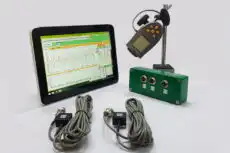
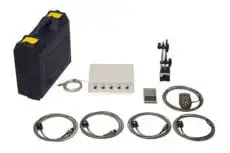
ಬಹುಪಾಲು flexible-rotor ಕೆಲಸ high-speed balancing rigಗಳಲ್ಲಿ ನಡೆದರೂ, ಅದೇ amplitude-and-phase ಮಾಪನ ಕೌಶಲ್ಯಗಳು ಅನ್ವಯಿಸುವುದು field balancing ಯಂತ್ರವನ್ನು ಅಳವಡಿಸಿದ ನಂತರದ in-situ ಮತ್ತು trim balancingಗೆ. ಉದಾಹರಣೆಗೆ ಪೋರ್ಟಬಲ್ ಎರಡು-ಚಾನೆಲ್ ಅನಾಲೈಸರ್ ಬ್ಯಾಲೆನ್ಸೆಟ್-1ಎ ಯಂತ್ರದ ಸ್ವಂತ ಬೇರಿಂಗ್ಗಳಲ್ಲಿ 1× ಆಂಪ್ಲಿಟ್ಯೂಡ್ ಮತ್ತು ಹಂತವನ್ನು ಸೆರೆಹಿಡಿಯುತ್ತದೆ, influence coefficientಗಳನ್ನು ಗಣನೆಮಾಡುತ್ತದೆ, ಮತ್ತು ವಿಭಜನೆ ಅಗತ್ಯವಿಲ್ಲದೆ operating speedನಲ್ಲೇ trim correction ಅನ್ನು ಅನ್ವಯಿಸಿ ಪರಿಶೀಲಿಸಲು ಇಂಜಿನಿಯರ್ಗೆ ಅವಕಾಶ ನೀಡುತ್ತದೆ — shop balance ಪಾಸ್ ಆದರೂ ಸೇವೆಯಲ್ಲಿ ಇನ್ನೂ ಸ್ವಲ್ಪ flex ಆಗುವ Class 2 quasi-rigid rotorಗಳಿಗೆ ಇದು ಸಾಮಾನ್ಯ ಅಗತ್ಯ. ಅಳವಡಿಸಲಾದ ಮಧ್ಯಮ ಮತ್ತು ದೊಡ್ಡ ಯಂತ್ರಗಳಿಗಾಗಿ, ISO 21940-13 ಈ ಭಾಗದ ಜೊತೆಗೆ ಅನ್ವಯಿಸುತ್ತದೆ.
6. ಸಾಗರಿಸಿಕೊಳ್ಳಬೇಕಾದ ಮುಖ್ಯ ಪರಿಕಲ್ಪನೆಗಳು
- Flexible ವಿರುದ್ಧ rigid ವರ್ತನೆ: ರೋಟರ್ನ operating speed ಅದರ ಮೊದಲ bending ನೈಸರ್ಗಿಕ ಆವೃತ್ತಿನ ಪ್ರಮುಖ ಭಾಗವನ್ನು — ಸಾಮಾನ್ಯವಾಗಿ 70% ಕ್ಕಿಂತ ಹೆಚ್ಚು — ತಲುಪಿದಾಗ ಅದನ್ನು flexible ಎಂದು ಪರಿಗಣಿಸಲಾಗುತ್ತದೆ. ವೇಗ ಹೆಚ್ಚಿದಂತೆ, ಕೇಂದ್ರಾಭಿಮುಖ ಬಲಗಳು ಅದನ್ನು ಬಾಗಿಸಿ ಅದರ unbalance ಅನ್ನು ಬದಲಿಸುತ್ತವೆ.
- Critical speedಗಳು ಮತ್ತು mode shapeಗಳು: ರೋಟರ್ನ critical speedಗಳು ಮತ್ತು ಪ್ರತಿಯೊಂದರಲ್ಲಿ ಅದು ಯಾವ ಆಕಾರಕ್ಕೆ ಬಾಗುತ್ತದೆ ಎಂಬುದನ್ನು ತಿಳಿದುಕೊಳ್ಳುವುದು ಅತ್ಯಗತ್ಯ; ಪ್ರತಿಯೊಂದು mode ಒಂದು ಪ್ರತ್ಯೇಕ balancing ಸಮಸ್ಯೆಯಾಗಿದೆ.
- Multi-plane, multi-speed: ಹಲವಾರು ವೇಗಗಳ ಮಾಪನಗಳಿಂದ ಮಾರ್ಗದರ್ಶಿತವಾದ, ಹಲವಾರು planeಗಳಲ್ಲಿನ ತಿದ್ದುಪಡಿಗಳು ಇಲ್ಲಿಯ ನಿಯಮ; ಅಪವಾದವಲ್ಲ.
- ಮೋಡಲ್ ಸಮತೋಲನ: ಪ್ರತಿ bending modeನ anti-nodeಗಳಲ್ಲಿ ಅದರ unbalance ಅನ್ನು ನಿರ್ದಿಷ್ಟವಾಗಿ ಪ್ರತಿರೋಧಿಸಲು ತೂಕಗಳನ್ನು ಸೇರಿಸುವ ಶಕ್ತಿಶಾಲಿ ತಂತ್ರ.

