ISO 21940-13: ಮಧ್ಯಮ ಮತ್ತು ದೊಡ್ಡ ರೋಟರ್ಗಳ ಇನ್-ಸಿಟು ಸಮತೋಲನಕ್ಕಾಗಿ ಮಾನದಂಡಗಳು ಮತ್ತು ರಕ್ಷಣೋಪಾಯಗಳು






ISO 21940-13 ಯಂತ್ರದ ಸ್ವಂತ ಬೇರಿಂಗ್ಗಳು ಮತ್ತು ಬೆಂಬಲ ರಚನೆಯಲ್ಲಿ ರೋಟರ್ ಅನ್ನು ಸಮತೋಲಿತ ಮಾಡುವ ಪ್ರಾಯೋಗಿಕ ಕಲೆಯನ್ನು ನಿಯಂತ್ರಿಸುವ ವಿಶೇಷ ಅಂತರರಾಷ್ಟ್ರೀಯ ಮಾನದಂಡವಾಗಿದೆ — ಯಾವುದೇ ರೀತಿಯಲ್ಲಿ, ಯಂತ್ರವು ವಾಸಿಸುವ ಸ್ಥಳದಲ್ಲಿ ಸಮತೋಲನ ಮಾಡುವುದು, ಇನ್-ಸಿಟು ಅಥವಾ ಕ್ಷೇತ್ರ ಸಮತೋಲನ. ಇದರ ಸಂಪೂರ್ಣ ಶೀರ್ಷಿಕೆ “ಯಾಂತ್ರಿಕ ಕಂಪನ — ರೋಟರ್ ಸಮತೋಲನ — ಭಾಗ 13: ಮಧ್ಯಮ ಮತ್ತು ದೊಡ್ಡ ರೋಟರ್ಗಳ ಇನ್-ಸಿಟು ಸಮತೋಲನಕ್ಕಾಗಿ ಮಾನದಂಡಗಳು ಮತ್ತು ರಕ್ಷಣೋಪಾಯಗಳು.” ಡೆಡಿಕೇಟೆಡ್ ಸಮತೋಲನ ಯಂತ್ರ ಅನ್ನು ಬಳಸಲಾಗುವುದಿಲ್ಲ — ಏಕೆಂದರೆ ರೋಟರ್ ತುಂಬಾ ದೊಡ್ಡದಾಗಿದೆ, ತೆಗೆದುಹಾಕಲು ತುಂಬಾ ದುಬಾರಿ, ಅಥವಾ ನೈಜ ಕಾರ್ಯಾಚರಣಾ ಸ್ಥಿತಿಗಳಲ್ಲಿ ಮಾತ್ರ ಸಮಸ್ಯೆ — ಈ ಭಾಗವು ಕ್ಷೇತ್ರ ಸಮತೋಲನ ಸರಿಯಾದ ಆಯ್ಕೆ ಮತ್ತು ಅದನ್ನು ಸುರಕ್ಷಿತವಾಗಿ ನಿರ್ವಹಿಸುವ ಶೀರ್ಷಸ್ಥಾನವನ್ನು ಹೊಂದಿಸುತ್ತದೆ. ಸಹನಶೀಲತೆ-ಕೇಂದ್ರಿತ ISO 21940-11 (ಕಠಿಣ ರೋಟರ್ಗಳು) ಮತ್ತು ISO 21940-12 (ನಮ್ಯ ರೋಟರ್ಗಳು) ಚಲಿಸುವ, ಸ್ಥಾಪಿತ ಯಂತ್ರದಲ್ಲಿ ಕೆಲಸ ಮಾಡುವ ವಾಸ್ತವಗಳನ್ನು ತೋರಿಸುವ ಮೂಲಕ ಪೂರಕವಾಗಿದೆ.
1. ಗುರಿ ಮತ್ತು ಅನ್ವಯಿಕತೆ
ಈ ಮಾನದಂಡವು ಮಧ್ಯಮ ಮತ್ತು ದೊಡ್ಡ ರೋಟರ್ಗಳ ಸ್ಥಳಮಾಡಿ ತುಲನಾಂಕನದ ಮಾರ್ಗದರ್ಶನ ಮತ್ತು ಸುರಕ್ಷಾ ಕ್ರಮಗಳನ್ನು ಒದಗಿಸುತ್ತದೆ, ಇದು ರೋಟರ್ ತನ್ನದೇ ಬೇರಿಂಗ್ಗಳು ಮತ್ತು ಬೆಂಬಲ ರಚನೆಯಲ್ಲಿ ಉಳಿಯುವಾಗ ನಿರ್ವಹಿಸಲ್ಪಡುತ್ತದೆ — ಸಾಮಾನ್ಯವಾಗಿ ಅದರ ಅಂತಿಮ ಕಾರ್ಯಾಚರಣ ಸ್ಥಳದಲ್ಲಿ. ಅಭ್ಯಾಸದಲ್ಲಿ ಅದೇ ಸ್ಥಳಮಾಡಿ ನಿಯಮಗಳನ್ನು ರೋಟರ್ ನಿರ್ವಹಿಸಿದಾಗ ಅನ್ವಯಿಸಲಾಗುತ್ತದೆ ಕಠಿಣ ಅಥವಾ ಲಚೀಲ ಸ್ಥಾಪಿತ ಅವಸ್ಥೆಯಲ್ಲಿ: ಇದು ಸಂಪೂರ್ಣ ರೋಟರ್-ಬೇರಿಂಗ್ ವ್ಯವಸ್ಥೆಯಚಲನಶೀಲತೆ, ಪ್ರತ್ಯೇಕತೆಯಲ್ಲಿ ರೋಟರ್ಅಲ್ಲ, ಇದು ಅನುಸರಣೆಯನ್ನು ನಿರ್ದೇಶಿಸುತ್ತದೆ. ಇದು ಸಾಹಸ ತುಲನಾಂಕನ ಪ್ರಚಾರವನ್ನು ನಿರ್ಧರಿಸಲು, ಯೋಜನೆ ಮಾಡಲು ಮತ್ತು ಸುರಕ್ಷಿತವಾಗಿ ಕಾರ್ಯಗತಗೊಳಿಸಲು ಆವಶ್ಯಕವಾದ ತಂತ್ರಜ್ಞರು, ಎನ್ಜಿನಿಯರ್ಗಳು ಮತ್ತು ನಿರ್ವಾಹಕರಿಗೆ ಬರೆಯಲಾಗಿದೆ.
2. ನಿರ್ಣಯ: ಸ್ಥಳಮಾಡಿ ತುಲನಾಂಕನ ಅರ್ಹತೆ ಇರುವಾಗ
ಸಾಹಸ ತುಲನಾಂಕನ ಪ್ರತಿಯೊಂದು ಅಧಿಕ ಸಂದರ್ಭದ ಅನುಕೂಲಿತ ಉತ್ತರ ಅಲ್ಲ vibration, ಮತ್ತು ಈ ಅಧ್ಯಾಯವು ನಿರ್ಣಯ ಚೌಕಟ್ಟೆಯನ್ನು ಒದಗಿಸುತ್ತದೆ. ಮಾನದಂಡವು ಸ್ಥಳಮಾಡಿ ತುಲನಾಂಕನ ಸೂಕ್ತವಾದ ಮುನ್ನಡೆಯಾದ ಹಲವಾರು ಪರಿಸ್ಥಿತಿಗಳನ್ನು ಗುರುತಿಸುತ್ತದೆ:
- ನೀಕಾರ ಅಪ್ರಾಯೋಗಿಕ ಅಥವಾ ಅರ್ಥಶಾಸ್ತ್ರೀಯವಾಗಿ ಅನಗತ್ಯ: ಒಂದು ದೊಡ್ಡ ಟರ್ಬೈನ್, ಜನರೇಟರ್ ಅಥವಾ ಫ್ಯಾನ್ ರೋಟರ್ನನ್ನು ಸಮಾವೇಶ ತುಲನಾಂಕನಕ್ಕಾಗಿ ತೆಗೆದುಹಾಕುವುದು ಪ್ರತಿರೋಧಮಾಗಿ ವೆಚ್ಚವಾಗುತ್ತದೆ ಅಥವಾ ಸರಳವಾಗಿ ಸಾಧ್ಯವಾಗುವುದಿಲ್ಲ.
- ಅಸಮತೋಲನ ಸೇವೆಗಳಲ್ಲಿ ಮಾತ್ರ ಕಾಣಿಸಿಕೊಳ್ಳುತ್ತದೆ: ಕೆಲವು ಅಸಮತೋಲನ ಮಾಡಿದ ಸ್ಥಿತಿಗಳಿಂದ ಸೃಷ್ಟಿಯಾಗುತ್ತದೆ ಅದು ಯಂತ್ರ ಚಾಲಿತವಾಗುವಾಗ ಮಾತ್ರ ಅಸ್ತಿತ್ವಾನ್ನು ಹೊಂದುತ್ತದೆ — ಥರ್ಮಲ್ ಪೀಠಾಂತರ, ವಾಯುಗತಿಶಾಸ್ತ್ರೀಯ ಶಕ್ತಿಗಳು, ಅಥವಾ ಪ್ರಕ್ರಿಯೆ ಸಂಚಯ ಮಾಳಿಗೆಯಾಗಿ ಆವೃತ ಅವಶೇಷ ಮತ್ತು ಫ್ಯಾನ್ ಬ್ಲೇಡ್ನ ಮೇಲೆ ಉತ್ಪನ್ನ. ಒಂದು ಸಮಾವೇಶ ತುಲನಾಂಕನ ಈ ಅನುಕರಣ ಮಾಡಲು ಪರಿವರ್ತಿಸಲು ಅಸಾಧ್ಯ.
- ಮರುಸ್ಥಾಪನ ನಂತರ ಅಂತಿಮ ತೃಪ್ತಿ: ಸಮಾವೇಶ-ತುಲನಾಂಕಿತ ರೋಟರ್ ಇನ್ನೂ ಅಗತ್ಯ ಪಡುವುದು ಟ್ರಿಂ ಸಮತೋಲನ ವಿಧಾನವನ್ನು ಮಾಡಿದ ನಂತರ, ಅಸೆಂಬ್ಲಿ ಪರಿಚಯ ಚಿಕ್ಕ ಪಾಳಿಗಳನ್ನು ಹೀರಿಕೊಳ್ಳಲು.
ಟೆಟಾಕಾಂತಿಕವಾಗಿ, ಮಾನದಂಡವು ಮೊದಲಿಂದ ಬೆಚ್ಚಲಾದ ಥರೋಟರ್ ನಿರ್ಗಂಧಕ unbalance — ಮತ್ತು ಇದರಿಂದ ಅಲ್ಲ misalignment, resonance, ಅಥವಾ ಯಾಂತ್ರಿಕ ಸಂಸ್ಥೋಲನ, ಅವು ಅಸಮತೋಲನ ಸಿಗ್ನೇಚರ್ ಅನ್ನು ಅನುಕರಣೆ ಮಾಡುತ್ತವೆ ಅಥವಾ ಸಂಗ್ರಹ ಮಾಡುತ್ತವೆ. ತಪ್ಪಾಗಿ ಜೋಡಣೆಯೋ ಅಥವಾ ರೆಸೋನೆಂಟ್ ಮೆಷಿನ್ಗೆ ತೂಕವನ್ನು ಸೇರಿಸುವುದು ಸಮಯವನ್ನು 낭비 ಮಾಡುತ್ತದೆ ಮತ್ತು ಸ್ಥಿತಿ ಹೆಚ್ಚು ಕೆಟ್ಟಗೆ ಮಾಡಬಹುದು.
3. ಕಾರ್ಯವಿಧಾನ ಮತ್ತು ವಿಧಾನ
ಈ ವಿಭಾಗವು ಕೆಲಸವನ್ನು ಕಾರ್ಯಗತಗೊಳಿಸುವುದರ ಹಂತ-ಹಂತದ ಮಾರ್ಗದರ್ಶಕ. ಇದು ಮೊದಲನೆಯಲ್ಲಿ ಸಾಧನಾಪ್ರಸ್ತರ ಅವಶ್ಯಕತೆಗಳನ್ನು ಹೊಂದಿಸುತ್ತದೆ: ಬಹು-ಚಾನೆಲ್ ವೈಬ್ರೇಶನ್ ಆನಾಲೈಜರ್ ವೈಶಾಲ್ಯತೆ ಮತ್ತು ಹಂತವನ್ನು ಅಳೆಯಲು ಸಮರ್ಥ, ಒಂದು ಅಥವಾ ಹೆಚ್ಚಿನ ಕಂಪನ ಸಂವೇದಕಗಳು (ಶಾಫ್ಟ್-ಸಾಪೇಕ್ಷ ಸಾಮೀಪ್ಯ ಸೆನ್ಸರ್ಗಳು ಮತ್ತು/ಅಥವಾ ಬಾಹ್ಯ-ಆರೋಹಿತ accelerometers), and a ಹಂತ-ಉಲ್ಲೇಖ ಸೆನ್ಸರ್ — ಸಾಮಾನ್ಯವಾಗಿ ಫೋಟೋ-ಟ್যಾಕ್ ಅಥವಾ ಲೇজರ್ ಟ್যಾಕೋಮೀಟರ್ — ಶಾಫ್ಟ್ನಲ್ಲಿ ಪ್ರತಿ-ಕ್ರಾಂತಿ ಸಮಯ ಮರುಖೆಂಡಣ ಸೂಚಿಸಲು.
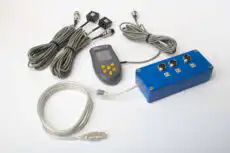
ಗಮನೀಯವಾಗಿ, ISO 21940-13 ಮಾನದಂಡ, ಸಾಧನಾಪ್ರಸ್ತರ ಮತ್ತು ರಕ್ಷಣೋಪಾಯಗಳನ್ನು ನಿಗದಿಪಡಿಸುತ್ತದೆ ಆದರೆ ಇಚ್ಛೆಯಾಗಿ ಅಳತೆ ಮಾಡಿದ ಕಂಪನ ಡೇಟಾದಿಂದ ತಿದ್ದುಪಡಿ ದ್ರವ್ಯರಾಶಿಗಳನ್ನು ಲೆಕ್ಕಹಾಕಲು ಬಳಸುವ ವಿಧಾನವನ್ನು ಪೂರ್ವನಿಗದಿಸುವುದಿಲ್ಲ, ಅಲ್ಗರಿದಮ್ ಆಯ್ಕೆಯನ್ನು ಪಾಲಕರಿಗೆ ಬಿಡುತ್ತದೆ. ಪ್ರಾಯೋಗಿಕ ರೀತಿಯಲ್ಲಿ ವ್ಯಾಪಕವಾಗಿ ಬಳಸಿದ ಜನ್ಯ ಪ್ರಭಾವ ಗುಣಾಂಕ ವಿಧಾನ: ವಿಶ್ಲೇಷಕ ಆರಂಭಿಕ ಕಂಪನ ವೆಕ್ಟರ್ನ ದಾಖಲೆ (ವೈಶಾಲ್ಯತೆ ಮತ್ತು ಹಂತ), ಒಂದು ತಿಳಿದ trial weight ತಿಳಿದುಕೊಂಡ ಕೋನೀಯ ಸ್ಥಾನದಲ್ಲಿ, ಹೊಸ “ಪ್ರತಿಕ್ರಿಯೆ” ವೆಕ್ಟರ್ ಅನ್ನು ಅಳೆಯುತ್ತವೆ, ಮತ್ತು ನಂತರ ವೆಕ್ಟರ್ ಗಣಿತ ಅಗತ್ಯವಾದ ದ್ರವ್ಯರಾಶಿ ಮತ್ತು ಕೋನವನ್ನು ಲೆಕ್ಕಿಸಲು ತಿದ್ದುಪಡಿ ತೂಕ, ಏಕ ಸಮತೋಲನ ಸಮತಲದಲ್ಲಿ ಅಥವಾ ಎರಡು ಸಮತೋಲನ ಸಮತಲಗಳಿಂದ ಪ್ರಯೋಗಿತ, ಮೆಷಿನ್ ಅವಶ್ಯಕತೆ. ಇದು ನಿಖರವಾಗಿ ವರ್ಣವಾಚಕ ಸಾಧನ ಸ್ವಯಂಚಾಲಿತ ಕಾರ್ಯ ಹರಿವಾಗಿದೆ: ದಿ ಬ್ಯಾಲೆನ್ಸೆಟ್-1ಎ, ಎರಡು-ಚಾನೆಲ್ ಕ್ಷೇತ್ರ ಸಮತೋಲಕ ಮತ್ತು ವಿಶ್ಲೇಷಕ, ಚಾಲನಾ ವೇಗದಲ್ಲಿ ಮೆಷಿನ್ನ ಸ್ವಂತ ಬೇರಿಂಗ್ಗಳಲ್ಲಿ 1× ವೈಶಾಲ್ಯತೆ ಮತ್ತು ಹಂತವನ್ನು ಅಳೆಯುತ್ತದೆ, ಪ್ರಭಾವ ಗುಣಾಂಕಗಳನ್ನು ಲೆಕ್ಕ ಹಾಕುತ್ತದೆ, ಮತ್ತು ಪ್ರತಿ ಸಮತೋಲನ ಸಮತಲದ ಅಗತ್ಯವಾದ ತಿದ್ದುಪಡಿ ತೂಕ ಮತ್ತು ಕೋನವನ್ನು ವರದಿ ಮಾಡುತ್ತದೆ — ರೋಟರ್ ತೆಗೆದುಕೊಳ್ಳದೆ ಸಮತೋಲನ ಮತ್ತು ಪರಿಶೀಲನ ಮಾಡಲು ಇಂಜಿನಿಯರ್ ಅನುಮತಿ. ಎ ಪ್ರಯೋಗ ತೂಕ ಕ್ಯಾಲ್ಕುಲೇಟರ್ ಆ ಪ್ರಥಮ ಪರೀಕ್ಷೆ ತೂಕವನ್ನು ಬುದ್ಧಿವಂತ ಆಯ್ದಿನಿಂದ ಸಹಾಯ ಮಾಡುತ್ತದೆ.
4. ಸಮತೋಲನ ಗುಣಮಾನ ಮೂಲ್ಯಮಾಪನ — ಕಂಪನ, ಶೇಷ ಅಸಮತೋಲನ ಅಲ್ಲ
ಇಲ್ಲಿ ಮಾನದಂಡ ಸಂಭವಿಸು ಅಭ್ಯಾಸದಿಂದ ಅದರ ಅತ್ಯಂತ ಪ್ರಮುಖ ವಿಶಿಷ್ಟತೆ ಸೆಳೆಯುತ್ತದೆ. ಸಂಭವಿಸು ಸಮತೋಲನ ನಿರ್ದಿಷ್ಟ ನೋಡುತ್ತವೆ ಉಳಿದ ಅಸಮತೋಲನ ಪರಹಿತವಾದ ಸಹನಶೀಲತೆ G-ಗ್ರೇಡ್. ಕ್ಷೇತ್ರ ಸಮತೋಲನವು ಹೆಚ್ಚಿನ ವ್ಯವಹಾರಿಕ ಉದ್ದೇಶವನ್ನು ಹೊಂದಿದೆ: ಯಂತ್ರದ’ಸ್ ಕಾರ್ಯಾಚರಣೆಯ ಕಂಪನ ಸ್ವೀಕಾರಾರ್ಹ ಮಟ್ಟಕ್ಕೆ ಕಡಿಮೆ ಮಾಡಿ. ಅದರ ಪ್ರಕಾರ, ಸ್ವೀಕೃತಿಯನ್ನು ಜಿ·ಮ್ಮ ನಲ್ಲಿ ಉಳಿದ ಅಸಮತೋಲನದ ಆಧಾರದ ಮೇಲೆ ಅಲ್ಲ, ಆದರೆ ಅಂತಿಮ ಕಂಪನ ವೈಶಾಲ್ಯದ ಆಧಾರದ ಮೇಲೆ ನಿರ್ಣಯ ಮಾಡಲಾಗುತ್ತದೆ. ಪ್ರಮಾಣವು ನಿರ್ದೇಶಿಸುತ್ತದೆ ಎಂದು ಈ ನಿರ್ಣಯವು ಇದು ಉಲ್ಲೇಖಿಸುವ ಸಹಾಯಕ ಮಾನದಂಡಗಳಲ್ಲಿ ವ್ಯಾಖ್ಯಾನಿಸಲಾದ ಸೇವೆಯಲ್ಲಿ ಕಂಪನ ಮಿತಿಗಳನ್ನು ಬಳಸಿಕೊಳ್ಳುವುದು — ISO 7919 ಶಾಫ್ಟ ಕಂಪನಕ್ಕಾಗಿ ಮತ್ತು ISO 10816 ತಿರುಗದೆ ಭಾಗಗಳಲ್ಲಿ ಕಂಪನಕ್ಕಾಗಿ (ಎರಡೂ ಆಧುನಿಕದಲ್ಲಿ ಸಂಯೋಜಿತವಾಗಿದೆ ISO 20816 ಸರಣಿ). ಪ್ರಾಯೋಗಿಕ ಉದ್ದೇಶವೆಂದರೆ 1× ರನ್ನಿಂಗ್-ಸ್ಪೀಡ್ ಘಟಕವನ್ನು ಕಡಿಮೆ ಮಾಡಿ, ಯಂತ್ರದ’ಎಸ್ ಸಂಪೂರ್ಣ ಮಟ್ಟ ಸ್ವೀಕಾರಾರ್ಹ ಮೌಲ್ಯಮಾಪನ ವಲಯದಲ್ಲಿ ಬೀಳುತ್ತದೆ — ವಲಯ A ಅಥವಾ B — ದೀರ್ಘಮಾಯಾದ ಕಾರ್ಯಾಚರಣೆಗಾಗಿ. ನೀವು ಆ ಮಣೆಗಳೊಂದಿಗೆ ಓದುವಿಕೆಯನ್ನು ಪರಿಶೀಲಿಸಬಹುದು ISO 20816-1 Vibration Zones ಕ್ಯಾಲ್ಕುಲೇಟರ್.
5. ರಕ್ಷಣೆ ಮತ್ತು ಸುರಕ್ಷತಾ ಜಾಗರೂಕತೆ
ಈ ಅಧ್ಯಾಯವು ಬಹುವಿಧವಾಗಿ ಪ್ರಮಾಣ ಅಸ್ತಿತ್ವದ ಕಾರಣ, ಏಕೆಂದರೆ ಕ್ಷೇತ್ರ ಸಮತೋಲನವು ನಿಯಂತ್ರಿತ ವರ್ಕ್ಶಾಪ್ನಿಂದ ಬೇರೆಯಾದ ಅಪಾಯಗಳನ್ನು ಹೊಂದಿದೆ — ಮುಖ್ಯತಃ, ಉದ್ದೇಶಪೂರ್ಣವಾಗಿ ಯಂತ್ರವನ್ನು ಸೇರಿಸಲಾದ ಪರೀಕ್ಷಾ ತೂಕದೊಂದಿಗೆ ಚಲಾಯಿಸುವುದು ಇದು ಸ್ವತಂತ್ರವಾಗಿ ಫಿರಂಗಿ ಹಾಕಿಸಿಕೊಳ್ಳಬಹುದು. ಇದು ನಿಷ್ಠುರವಾದ, ಅನುಕೂಲಕ ಸುರಕ್ಷತೆ ವಿಧಾನವನ್ನು ಕಡ್ಡಾಯಿಸುತ್ತದೆ:
- ಮೊದಲು ಮೆಕ್ಯಾನಿಕಲ್ ತನಿಖೆ: ಯಾವುದೇ ರನ್ನ ಮೊದಲು ಎಲ್ಲಾ ಫಾಸ್ಟೆನರ್ಗಳು ಬಿಗಿಯಾಗಿದೆ ಮತ್ತು ಪ್ರತಿ ಗಾರ್ಡ್ ಸ್ಥಳದಲ್ಲಿದೆ ಎಂದು ಪರಿಶೀಲಿಸಿ.
- ಧನಾತ್ಮಕ ತೂಕದ ಲಗತ್ತು: ಪರೀಕ್ಷಾ ಮತ್ತು ತಿದ್ದುಪಡಿ ತೂಕವು ಸುರಕ್ಷಿತವಾಗಿ ಸ್ಥಿರವಾಗಿರುತ್ತದೆ — ವೆಲ್ಡೆಡ್, ಬೋಲ್ಟೆಡ್, ಅಥವಾ ಸಮರ್ಪಿತ ಹೋಲ್ಡರ್ಗಳಲ್ಲಿ ಆಸೀನ ಇದರಿಂದ ಅವರು ಪ್ರಕ್ಷೇಪಗಳಾಗುವುದಿಲ್ಲ.
- ನಿಯಂತ್ರಿತ ಪ್ರವೇಶ ವಲಯ: ಪ್ರತಿಯೊಂದು ಪರೀಕ್ಷಾ ರನ್ನ ಸಮಯದಲ್ಲಿ ಯಂತ್ರದ ಸುತ್ತ ಸುತ್ತುವರಿದ ಬಹಿರ್ಗಮನ ಪ್ರದೇಶ.
- ಸ್ಪಷ್ಟ ಸಂವಹನ: ಸಮತೋಲನ ವಿಶ್ಲೇಷಕ ಮತ್ತು ಯಂತ್ರ ಆಪರೇಟರ್ ನಡುವೆ ಸ್ಪಷ್ಟವಲ್ಲದ ಪ್ರೋಟೋಕಾಲ್.
- জরুরী ನಿಲುಗಡೆ: ಪ್ರಥಮ ಆರಂಭದ ಮೊದಲು ಸಿದ್ಧಪಡಿಸಿದ, ಪೂರ್ವಾಭ್ಯಾಸ ಮಾಡಿದ ಸ್ಥಗಿತತೆಯ ಕಾರ್ಯಕ್ರಮ ಸಿದ್ಧವಾಗಿರುವುದು.
ಸುರಕ್ಷೆಗೆ ಮಾಡಿದ ಈ ಜೋರಾದ ಒತ್ತುಗೋಲು ಪರಮಾವಶ್ಯಕವಾಗಿದೆ: ಮಧ್ಯಮ ಮತ್ತು ದೊಡ್ಡ ರೋಟರ್ಗಳ ವೇಗಗಳು ಮತ್ತು ದ್ರವ್ಯರಾಶಿಯಲ್ಲಿ, ಎಸೆಯಲ್ಪಟ್ಟ ತೂಕ ಅಥವಾ ಸಂರಕ್ಷಿತವಲ್ಲದ ಸಂಯೋಜಕವು ಗಂಭೀರ ಗಾಯ ಮತ್ತು ವಿನಾಶಕಾರಿ ಉಪಕರಣ ಹಾನಿಯನ್ನು ಉಂಟುಮಾಡಬಹುದು.
6. ಸಾಗರಿಸಿಕೊಳ್ಳಬೇಕಾದ ಮುಖ್ಯ ಪರಿಕಲ್ಪನೆಗಳು
- ಕ್ಷೇತ್ರ ಮತ್ತು ಅಂಗಡಿ ಸಮತೋಲನ: ಮಾನದಂಡ ಸಂಪೂರ್ಣವಾಗಿ ರೋಟರ್ ಸಮತೋಲನದ ಬಗ್ಗೆ in the machine, ಕಾರ್ಯಗಾರದಲ್ಲಿ ಸಮತೋಲನ ಯಂತ್ರದಲ್ಲಿ ಬದಲಾಗಿ ಅದರ ನಿಜವಾದ ಕಾರ್ಯಾತ್ಮಕ ಸ್ಥಿತಿಯಲ್ಲಿ ಸಂಪೂರ್ಣ ಜೋಡಣೆಯನ್ನು ಸರಿಪಡಿಸುತ್ತಾ.
- ಕಂಪನ ಕಡಿತವು ಗುರಿ: ಯಶಸ್ಸನ್ನು ಅವಶೇಷ-ಅಸಮತೋಲನ ಅಂಕಿದ್ವಾರಾ ಅಲ್ಲ ಬದಲಾಗಿ ISO 7919 / ISO 10816 (ಇದೀಗ ISO 20816 ಎಂದು ಏಕೀಕೃತವಾಗಿರುವ) ಗೆ ಅನುಸಾರವಾದ ಸ್ವೀಕಾರ್ಯ ಸೇವಾಧೀನ ಕಂಪನದಿಂದ ಮಾಪಕವೆಂದು ನಿರ್ಧರಿಸಲಾಗುತ್ತದೆ.
- Safety first: ಚಲನಶೀಲ ಯಂತ್ರಕ್ಕೆ ತೂಕದ ಉದ್ದೇಶಪೂರ್ವಕ ಸೇರ್ಪಡೆ ದಾಖಲೆಪಡಿಸಿದ ನಿರಾಪತ್ತೆ ಸಾಧನಗಳನ್ನು ನಿರಪೇಕ್ಷ ಅಗತ್ಯವಾಗಿ ಮಾಡುತ್ತದೆ.
- ಪ್ರಭಾವ ಗುಣಾಂಕ ವಿಧಾನ: ಸಾರ್ವತ್ರಿಕ ಸ್ಥಾನೀನ ತಂತ್ರ — ಆರಂಭಿಕ ವೆಕ್ಟರ್ ಅನ್ನು ಮಾಪಕ ಮಾಡಿ, ತಿಳಿದ ಪರೀಕ್ಷಾ ತೂಕವನ್ನು ಸೇರಿಸಿ, ಪ್ರತಿಕ್ರಿಯೆಯನ್ನು ಮಾಪಕ ಮಾಡಿ, ಮತ್ತು ತಿದ್ದುಪಡಿಗಾಗಿ ವೆಕ್ಟರ್ ಗಣಿತದಿಂದ ಪರಿಹರಿಸಿ.

