ತಿದ್ದುಪಡಿ ತೂಕಗಳನ್ನು ತಿಳುವಳಿಕೆ


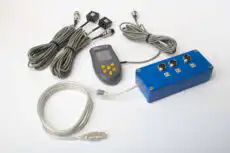
A ತಿದ್ದುಪಡಿ ತೂಕ — ಸಮತೋಲನ ಭಾರ ಅಥವಾ ಸಮತೋಲನ ಬಾಬ್ ಎಂದೂ ಕರೆಯುತ್ತಾರೆ — ನಿರ್ದಿಷ್ಟ ದ್ರವ್ಯರಾಶಿ ಒಂದು ರೋಟರ್ ಸರಿಪಡಿಸಲು unbalance. ಇಡೀ ಸಮತೋಲನ ಪ್ರಕ್ರಿಯೆಯ ಉದ್ದೇಶವು ನಿಖರ ಭಾರ ಮೊತ್ತ ಮತ್ತು ಯಾವ ನಿಖರ ಕೋನೀಯ ಸ್ಥಳದಲ್ಲಿ ಅದನ್ನು ಅನ್ವಯ ಮಾಡಬೇಕು ಎಂಬುದನ್ನು ಲೆಕ್ಕಾಚಾರ ಮಾಡುವುದು. ತಿದ್ದುಪಡಿ ಯಾವಾಗಲೂ ಪೂರ್ವ-ವ್ಯಾಖ್ಯಾನಿತ ಸಮತೋಲನ ತಿದ್ದುವ ಸಮತಲ, ಮತ್ತು ಇದು ಹೊಸ ಕೇಂದ್ರಮುಖ ಬಲವನ್ನು ರೋಟರ್ನ ಭಾರೀ ಸ್ಥಾನದಿಂದ ಉತ್ಪತ್ತಿಯಾಗುವ ಶಕ್ತಿಗೆ ಸಮಾನ ಪರಿಮಾಣ ಮತ್ತು ವಿಪರೀತ ದಿಕ್ಕಿನಲ್ಲಿ (180°) ಮಾಪನೆ ಮಾಡುವ ಮೂಲಕ — ಪರಿಣಾಮವಾಗಿ ಅದನ್ನು ರದ್ದುಗೊಳಿಸುತ್ತದೆ.
1. ವ್ಯಾಖ್ಯಾನ: ತಿದ್ದುಪಡಿ ಭಾರ ಯಾವುದು?
ತಿದ್ದುಪಡಿ ಭಾರವನ್ನು ಎರಡು ಸಂಖ್ಯೆ ಮತ್ತು ಒಂದು ಸ್ಥಳದಿಂದ ವ್ಯಾಖ್ಯಾನಿಸಲಾಗುತ್ತದೆ: ಎಷ್ಟು mass, at what angle, in which plane. ಇದರ ಪರಿಣಾಮವು ಕೇವಲ ದ್ರವ್ಯರಾಶಿಗಳಿಂದ ಆಡಳಿತ ಮಾಡುವುದಿಲ್ಲ ಆದರೆ ದ್ರವ್ಯರಾಶಿ ಮತ್ತು ತ್ರಿಜ್ಯದ ಉತ್ಪನ್ನ — ಅದರ ಪಲ, ಗ್ರಾಮ-ಮಿಲಿಮೀಟರ (g·mm) ನಲ್ಲಿ ವ್ಯಕ್ತವಾಗಿರುತ್ತದೆ — ಏಕೆಂದರೆ ಅಕ್ಷದಿಂದ ದೂರದಲ್ಲಿರುವ ಸಣ್ಣ ದ್ರವ್ಯರಾಶಿ ಅಚ್ಚುಪುಟ್ಟ ಧಾರಾ ಹೆಚ್ಚುದ್ರವ್ಯರಾಶಿ ಅದೇ ತಿದ್ದುಪಡಿ ಶಕ್ತಿ ಉತ್ಪನ್ನ ಮಾಡುತ್ತದೆ. ಇದು ಅದೇ ತಿದ್ದುಪಡಿಯನ್ನು ಸಾಮಾನ್ಯವಾಗಿ ಸಣ್ಣ ತ್ರಿಜ್ಯದಲ್ಲಿ ಭಾರೀ ಭಾರ ಅಥವಾ ಹೊರಗೆ ಹಗುರವಾದ ಒಂದಾಗಿ ಅನ್ವಯ ಮಾಡಲಿ ಪಾರ್ಶ್ವವಾಗಿ, ಯಾವುದು ರೋಟರ್ ರೇಖಾಗಣಿತ ಅನುವದಿಸುತ್ತವೆ ಎಂಬುದು.
2. ತಿದ್ದುಪಡಿ ವಿಧಾನಗಳು
ತಿದ್ದುಪಡಿ ಅನ್ವಯ ಮಾಡುವುದಕ್ಕೆ ಮೂಲಭೂತ ಎರಡು ತತ್ವಗಳಿವೆ: ಭಾರೀ ಸ್ಥಾನದ ವಿರುದ್ಧ ದ್ರವ್ಯರಾಶಿ ಸೇರಿಸಿ, ಅಥವಾ ಭಾರೀ ಸ್ಥಾನದಿಂದ ದ್ರವ್ಯರಾಶಿ ತೆಗೆದುಕೊಳ್ಳಿ.
ಎ) ತೂಕ ಸೇರ್ಪಡೆ
ಅಳತೆ ಮಾಡಿದ ಭಾರೀ ಸ್ಥಾನಕ್ಕೆ 180° ವಿರುದ್ಧ "ಬೆಳಕು ಸ್ಥಾನ" ಗೆ ದ್ರವ್ಯರಾಶಿ ಸೇರಿಸುವುದು ಮೂರ್ಛನೆ ಸಾಮಾನ್ಯ ವಿಧಾನವಾಗಿರುತ್ತದೆ field balancing, ಅಲ್ಲಿ ವಸ್ತುವನ್ನು ತೆಗೆದುಹಾಕುವುದು ಸಾಮಾನ್ಯವಾಗಿ ಅಸಾಧ್ಯವಾಗಿದೆ:
- ವೆಲ್ಡಿಂಗ್: ರೋಟರ್ಗೆ ನೇರವಾಗಿ ವೆಲ್ಡ್ ಮಾಡಿದ ಸ್ಟೀಲ್ ತೂಕ — ಅತ್ಯಂತ ಸುರಕ್ಷಿತ, ಶಾಶ್ವತ ವಿಧಾನ.
- ಬೋಲ್ಟಿಂಗ್ / ಸ್ಕ್ರೂಯಿಂಗ್: ಸುತ್ತುವ ರಂಧ್ರಗಳಲ್ಲಿ ಬೋಲ್ಟ್ ಅಥವಾ ಸ್ಕ್ರೂಗಳೊಂದಿಗೆ ಸ್ಥಿರಪಡಿಸಿದ ಪೂರ್ವನಿರ್ಮಿತ ತೂಕ, ದೊಡ್ಡ ಶಿಲ್ಪಯಾಲೆಯ ಪಂಖುಡಿ ಮತ್ತು ಸಮತೋಲನ-ತೂಕ ಸংಪರ್ಕ ಬಿಂದುಗಳೊಂದಿಗೆ ವಿನ್ಯಾಸಗೊಳಿಸಿದ ರೋಟರ್ಗಳಲ್ಲಿ ಸಾಮಾನ್ಯ.
- ಕ್ಲಿಪ್-ಆನ್ ತೂಕ: ಆಟೋಮೋಟಿವ್ ಡ್ರೈವ್ ಶಾಫ್ಟ್ ಮತ್ತು ಸಣ್ಣ ಪಂಖುಡಿಗಳಂತಹ ಘಟಕಗಳ ಮೇಲೆ ಬಳಸಲಾಗುವ ಉದ್ದೇಶಪೂರ್ವಕ ಕ್ಲಿಪ್ಗಳು.
- ಎಪಾಕ್ಸಿ: ಎರಡು-ಭಾಗದ ಎಪಾಕ್ಸಿ ಪುಟ್ಟಿ, ವೆಲ್ಡಿಂಗ್ ಅಥವಾ ಕೊರೆತುಕೊಳ್ಳುವುದು ಅಸಾಧ್ಯವಾದಲ್ಲಿ ಬಹುಮುಖಿ ಆಯ್ಕೆ.
ಬಿ) ತೂಕ ತೆಗೆದುಹಾಕುವುದು
ಭಾರೀ ಸ್ಥಾನದಿಂದ ದ್ರವ್ಯರಾಶಿ ತೆಗೆದುಹಾಕುವುದು ವೇಗವಾಗಿರುತ್ತದೆ ಮತ್ತು ತೂಕದ ದಾಸ್ತಾನು ಇಡುವುದನ್ನು ತಪ್ಪಿಸುತ್ತದೆ, ಆದ್ದರಿಂದ ಇದು ಉತ್ಪಾದನೆ ಸಮತೋಲನದಲ್ಲಿ ಪ್ರಾಬಲ್ಯವಾಗಿದೆ:
- ಡ್ರಿಲ್ಲಿಂಗ್: ಸಾಮಾನ್ಯ ತೆಗೆದುಹಾಕುವ ವಿಧಾನ — ತಿಳಿದ ವ್ಯಾಸ ಮತ್ತು ಆಳದ ರಂಧ್ರ ನಿಖರ ದ್ರವ್ಯರಾಶಿ ತೆಗೆದುಹಾಕುತ್ತದೆ. ಸಮತೋಲನ ರೇಖಾಚಿತ್ರಗಳು ಅಗತ್ಯವಿರುವ ಗ್ರಾಮ್ ತಿದ್ದುಪಡಿಯನ್ನು ನಿರ್ದಿಷ್ಟ ಡ್ರಿಲ್-ಬಿಟ್ ಗಾತ್ರಕ್ಕೆ ರಂಧ್ರದ ಆಳಕ್ಕೆ ಪರಿವರ್ತಿಸುತ್ತವೆ.
- ಗ್ರೈಂಡಿಂಗ್: ವಸ್ತುವನ್ನು ಮೇಲ್ಮೈ ನಿಂದ ಅಲುಗಾಳೆಯಿಂದ ಬೆರೆಸಲಾಗುತ್ತದೆ; ಕೊರೆತುಕೊಳ್ಳುವುದಕ್ಕಿಂತ ಕಡಿಮೆ ನಿಖರವಾಗಿದೆ ಆದರೆ ಪರಿಣಾಮಕಾರಿ.
- ಮಿಲ್ಲಿಂಗ್: ಮಿಲ್ಲಿಂಗ್ ಯಂತ್ರವು ಉನ್ನತ-ನಿಖರತೆ ಕೆಲಸಕ್ಕಾಗಿ ಅತ್ಯಂತ ನಿಖರವಾದ ವಸ್ತುವಿನ ಪ್ರಮಾಣವನ್ನು ತೆಗೆದುಹಾಕುತ್ತದೆ.
ಸೂಕ್ತ ತಿದ್ದುಪಡಿ ಕೋನವು ತಪ್ಪಾಗಿದೆ — ಉದಾಹರಣೆಗೆ, ಪಂಖುಡಿಯ ಎರಡು ನಡುವೆ — ವಾಸ್ತವಕ್ಕೆ ಲೋಹವನ್ನು ಸೇರಿಸಲು ಅಥವಾ ತೆಗೆದುಹಾಕಲು ಬೇರೆ ಜಾಗ ಇಲ್ಲ, ಅಗತ್ಯವಿರುವ ತೂಕವನ್ನು ಹತ್ತಿರದ ಸ್ಥಿರ ಸ್ಥಾನಗಳಲ್ಲಿ ಎರಡು ಭಾಗ-ತೂಕಗಳಾಗಿ ಪರಿಹರಿಸಲಾಗುತ್ತದೆ, ಇದನ್ನು ಕರೆಯುವ ತಂತ್ರ ವಿಭಜಿತ ತಿದ್ದುಪಡಿ that relies on ವೆಕ್ಟರ್ ಸೇರ್ಪಡೆ.
3. ತಿದ್ದುಪಡಿ ತೂಕ ಲೆಕ್ಕ ಹಾಕುವುದು
A modern ಸಮತೋಲನ ಯಂತ್ರ ಅಥವಾ ಪೋರ್ಟೇಬಲ್ ಕಂಪನ ವಿಶ್ಲೇಷಕ ಲೆಕ್ಕಾಚಾರವನ್ನು ಸ್ವಯಂಚಾಲಿತ ಗೊಳಿಸುತ್ತದೆ. ಶಾಸ್ತ್ರೀಯ ವಿಧಾನ:
- ಪ್ರಾರಂಭಿಕ ಕಂಪನ ಅಳತೆ ಮಾಡಿ amplitude and phase — ಇದು ಯಾಂತ್ರಿಕತೆಗೆ ಭಾರೀ ಸ್ಥಾನವು ಎಷ್ಟು ದೊಡ್ಡದಾಗಿದೆ ಮತ್ತು ಅದು ಎಲ್ಲಿ ಕುಳಿತುಕೊಂಡಿದೆ ಎಂದು ಹೇಳುತ್ತದೆ.
- ತಿಳಿದ trial weight ತಿಳಿದ ಕೋನದಲ್ಲಿ.
- ಮೆಷಿನ್ ಮತ್ತೆ ಓಡಿಸಿ ಮತ್ತು ಹೊಸ ವೈಶಾಲ್ಯ ಮತ್ತು ಹಂತ ಅಳತೆ ಮಾಡಿ.
- ರೋಟರ್ನ ಪ್ರತಿಕ್ರಿಯೆಯಿಂದ ಆ ತಿಳಿದ ದ್ರವ್ಯರಾಶಿಗೆ, ಯಂತ್ರವು ಈ ಕೆಳಗಿನವುಗಳನ್ನು ಪಡೆದುಕೊಳ್ಳುತ್ತದೆ ಪ್ರಭಾವ ಗುಣಾಂಕ ಮತ್ತು ನಂತರ ಅಂತಿಮ ಸರಿಪಡಿಸುವಿಕೆಗೆ ಅಗತ್ಯವಾದ ನಿಖರ ದ್ರವ್ಯರಾಶಿ ಮತ್ತು ಕೋನವನ್ನು ಕಂಡುಹಿಡಿಯಲು ವೆಕ್ಟರ್ ಗಣನೆಯನ್ನು ನಿರ್ವಹಿಸುತ್ತದೆ, ಇದು ಕಂಪನವನ್ನು ಕನಿಷ್ಠಕ್ಕೆ ಚಾಲಿತ ಮಾಡುತ್ತದೆ।
ಫಲಿತಾಂಶವು ನೇರವಾಗಿ ಕ್ರಿಯಾಯೋಗ್ಯ ರೂಪದಲ್ಲಿ ಪ್ರಸ್ತುತಪಡಿಸಲ್ಪಡುತ್ತದೆ, ಉದಾಹರಣೆಗೆ “217°ನಲ್ಲಿ 15.3 g ಸೇರಿಸಿ” ಅಥವಾ “35°ನಲ್ಲಿ 8 mm ಆಳದ 1/2-ಇಂಚು ರಂಧ್ರ ಕೊರೆಯಿರಿ.”
4. ಸೈಟ್ನಲ್ಲಿ ಸರಿಪಡಿಸುವ ತೂಕ ಅನ್ವಯ ಮಾಡುವುದು
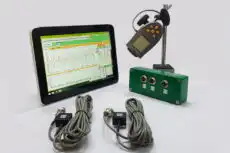
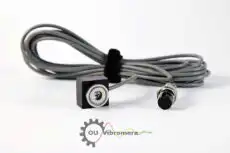
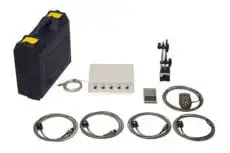
ತನ್ನ ಸ್ವಂತ ಬೇರಿಂಗ್ಗಳಲ್ಲಿ ಚಲಿಸುತ್ತಿರುವ ಸಂಯೋಜಿತ ಯಂತ್ರದಲ್ಲಿ, ಈ ಸಂಪೂರ್ಣ ಅನುಕ್ರಮವನ್ನು ಸೈಟ್ನಲ್ಲಿ ಪೋರ್ಟೆಬಲ್ ಎರಡು-ಚಾನೆಲ್ ಯಂತ್ರದೊಂದಿಗೆ ನಿರ್ವಹಿಸಲಾಗುತ್ತದೆ, ಇದರಂತೆ ಬ್ಯಾಲೆನ್ಸೆಟ್-1ಎ। ಇದು ಪ್ರತಿ ಬೇರಿಂಗ್ನಲ್ಲಿ 1× ವೈಶಾಲ್ಯ ಮತ್ತು ಹಂತವನ್ನು ಅಳೆಯುತ್ತದೆ, ಪ್ರಯೋಗಾತ್ಮಕ ರನ್ನಿಂದ ಪ್ರಭಾವ ಗುಣಾಂಕಗಳನ್ನು ಕಂಪ್ಯೂಟ್ ಮಾಡುತ್ತದೆ, ಮತ್ತು ಪ್ರತಿ ತಿದ್ದುವಿಕೆ ಸಮತಲಕ್ಕೆ ದ್ರವ್ಯರಾಶಿ ಮತ್ತು ಕೋನವನ್ನು ನೀಡುತ್ತದೆ — ಏಕ-ಮತ್ತು ಎರಡು-ಪ್ಲೇನ್ ತಿದ್ದುವಿಕೆಗಳನ್ನು ಸಮಾನವಾಗಿ ನಿರ್ವಹಿಸುತ್ತದೆ। ಕೆಲಸವು ನೈಜ ಸ್ಥಾಪನೆಯಲ್ಲಿ ಕಾರ್ಯಚಾಲನ ವೇಗದಲ್ಲಿ ಸಂಭವಿಸುವುದರಿಂದ, ನೀವು ಸ್ಥಾಪಿಸುವ ತೂಕವು ರೋಟರ್ನ ನೈಜ ಚಾಲನೆಯ ಸ್ಥಿತಿಯನ್ನು ಪ್ರತಿಬಿಂಬಿಸುತ್ತದೆ, ಅದು ಸಂಯೋಜನೆ ಮತ್ತು ಉಷ್ಣೀಯ ಪರಿಣಾಮಗಳನ್ನು ಸೇರಿಸಿ, ಒಂದು ಪೃಥಕ ಸಮತೋಲನ ಯಂತ್ರವು ಸೆರೆಹಿಡಿಯಲು ಸಾಧ್ಯವಾಗುವುದಿಲ್ಲ।
5. ತಿದ್ದುವಿಕೆ ಸುರಕ್ಷಿತ ಮಾಡುವುದು ಮತ್ತು ಪರಿಶೀಲಿಸುವುದು
ಒಂದು ತಿದ್ದುವಿಕೆ ತೂಕವು ಅದರ ಲಗತ್ತಿಕೆಯಷ್ಟೇ ಉತ್ತಮವಾಗಿರುತ್ತದೆ। ವಿಧಾನ ಯಾವುದೇ ಆಗಿರಲಿ, ತೂಕವು ರೋಟರ್ನ ಜೀವನ ಕಾಲಕ್ಕೆ ಸ್ಥಿತಿತ್ವದಲ್ಲಿ ಉಳಿಯಬೇಕು: ವೇಗದಲ್ಲಿ ಸುಸ್ತ ಬಿದ್ದ ದ್ರವ್ಯರಾಶಿ ಅಸಮತೋಲನದ ಹೊಸ ಮತ್ತು ಸಂಭವನೀಯ ಅಪಾಯಕರ ಮೂಲವಾಗುತ್ತದೆ। ತಿದ್ದುವಿಕೆ ಸ್ಥಾಪಿಸಿದ ನಂತರ, ಅಂತಿಮ ರನ್ ಖಚಿತಪಡಿಸುತ್ತದೆ ಕಂಪನ — ಮತ್ತು ಆದ್ದರಿಂದ ಉಳಿದ ಅಸಮತೋಲನ — ಆಯ್ದ ರೀತಿಯಲ್ಲಿ ಸಾಧನೆಯ ಗ್ರೇಡಿನೊಳಗೆ ಬಿದ್ದಿದೆ। ISO 21940-11 ಸಂಪೂರ್ಣ ಸಮತೋಲನ ವರದಿ ಆರಂಭಿಕ ಅಸಮತೋಲನ, ಬಳಸಿದ ಪ್ರಯೋಗಾತ್ಮಕ ತೂಕ, ಮತ್ತು ಪ್ರತಿ ತಿದ್ದುವಿಕೆ ಸಮತಲದಲ್ಲಿ ಸ್ಥಾಪಿತ ಅಂತಿಮ ತೂಕವನ್ನು ರೆಕಾರ್ಡ್ ಮಾಡುತ್ತದೆ, ಕೆಲಸದ ಹೆಚ್ಚುವರಿ ಖಾತೆಯನ್ನು ನೀಡುತ್ತದೆ।

