ನಾಚ್ ಫಿಲ್ಟರ್ಗಳನ್ನು ಅರ್ಥಮಾಡಿಕೊಳ್ಳುವುದು






A ನಾಚ್ ಫಿಲ್ಟರ್ — band-stop filter, band-reject filter, ಅಥವಾ frequency trap ಎಂದೂ ಕರೆಯಲಾಗುತ್ತದೆ — ಇದು ಆವೃತ್ತಿ-ಆಯ್ಕೆಮಾಡುವ signal-processing ಘಟಕವಾಗಿದ್ದು, vibration ಇಳುವರಿ ಆವೃತ್ತಿ ಪಟ್ಟಿಯೊಳಗಿನ ಘಟಕಗಳನ್ನು ಬಲವಾಗಿ ಕ್ಷೀಣಗೊಳಿಸಿ, ಅದರ ಹೊರಗಿನ ಎಲ್ಲವನ್ನೂ ಬಹುತೇಕ ಬದಲಾಗದೆ ಹಾದುಹೋಗಲು ಬಿಡುತ್ತದೆ. ಇದು ಬ್ಯಾಂಡ್-ಪಾಸ್ ಫಿಲ್ಟರ್ಗೆ ನಿಖರವಾದ ವಿರುದ್ಧ: ಒಂದೇ band ಅನ್ನು ಹಾದುಹೋಗಲು ಬಿಡುವ ಮತ್ತು ಉಳಿದನ್ನೆಲ್ಲ ತಡೆಯುವ ಬದಲು, ಇದು ಒಂದೇ band ಅನ್ನು ತಡೆಯುತ್ತದೆ ಮತ್ತು ಉಳಿದನ್ನೆಲ್ಲ ಹಾದುಹೋಗಲು ಬಿಡುತ್ತದೆ. ಸಂಕೇತ ಶೋಧನೆಸಾಧನಸಂಚಯದಲ್ಲಿ notch ಶಸ್ತ್ರಚಿಕಿತ್ಸೆಯಂತಿರುವ ನಿಖರ ಸಾಧನವಾಗಿದೆ.
ನಲ್ಲಿ vibration analysisನಲ್ಲಿ notch filterಗಳು 50/60 Hz ವಿದ್ಯುತ್ ಶಬ್ದದಂತಹ ಪ್ರಮುಖ ಅಡಚಣೆಯನ್ನು ತೆಗೆದುಹಾಕುತ್ತವೆ, ಅತಿಯಾಗಿ ದೊಡ್ಡ ಕಂಪನ ಘಟಕವನ್ನು (ತುಂಬಾ ದೊಡ್ಡ 1× unbalance ಇತರ ಎಲ್ಲವನ್ನೂ ಮುಚ್ಚಿಹಾಕುವ ಘಟಕ), ಅಥವಾ ನಿರ್ಣಾಯಕ ವಿವರವನ್ನು ಮಸುಕುಗೊಳಿಸುವ ಅನುರಣನವನ್ನು ತಗ್ಗಿಸುತ್ತವೆ. ಅಂದರೆ, ಅವು ವಿಶ್ಲೇಷಕರಿಗೆ ಪ್ರಮುಖ ಆವೃತ್ತಿಯನ್ನು “ಸುತ್ತುವರಿದು ನೋಡಲು” ಅವಕಾಶ ನೀಡಿ, spectrum.
1. ಫಿಲ್ಟರ್ ಗುಣಲಕ್ಷಣಗಳು
ಕೇಂದ್ರ (ನಾಚ್) ಆವೃತ್ತಿ
- ಗರಿಷ್ಠ attenuation ಇರುವ ಆವೃತ್ತಿ — ಅಂದರೆ “notch out” ಮಾಡುತ್ತಿರುವುದು.
- ನಿರ್ದಿಷ್ಟ ಅಡಚಣೆ ಅಥವಾ ಬೇಡದ ಆವೃತ್ತಿಗೆ tune ಮಾಡಲಾಗಿದೆ.
- ಮಧ್ಯದಲ್ಲಿ attenuation ಸಾಮಾನ್ಯವಾಗಿ 40–60 dB ಇರುತ್ತದೆ.
ನಾಚ್ ಬ್ಯಾಂಡ್ವಿಡ್ತ್
- ಇಳುವರಿ notch: ಬಹಳ ಆರಿಸಿಕೊಂಡ ಸಣ್ಣ ಆವೃತ್ತಿ ವ್ಯಾಪ್ತಿಯನ್ನು ತಿರಸ್ಕರಿಸುತ್ತದೆ (high Q).
- ವಿಶಾಲ notch: ಹೆಚ್ಚು ವಿಶಾಲವಾದ ಆವೃತ್ತಿ band ಅನ್ನು ತಿರಸ್ಕರಿಸುತ್ತದೆ (low Q).
- Q ಫ್ಯಾಕ್ಟರ್: ಕೇಂದ್ರ ಆವೃತ್ತಿಯನ್ನು bandwidth ನಿಂದ ಭಾಗಿಸಿದ ಮೌಲ್ಯ.
- ಸಾಮಾನ್ಯ: ಕಂಪನ ಅನ್ವಯಿಕೆಗಳಿಗಾಗಿ ಸಾಮಾನ್ಯವಾಗಿ Q = 10–50.
ಕುಗ್ಗಿಸುವಿಕೆಯ ಆಳ
- notch ಆವೃತ್ತಿಯನ್ನು ಎಷ್ಟು ಮಟ್ಟಿಗೆ ಕಡಿಮೆ ಮಾಡಲಾಗಿದೆ ಎಂಬುದು.
- ಸಾಮಾನ್ಯವಾಗಿ 40–60 dB, ಅಂದರೆ 100–1000× ಇಳಿಕೆ.
- ಹೆಚ್ಚು ಕ್ರಮದ filterಗಳು ಇನ್ನೂ ಆಳವಾದ notchಗಳನ್ನು ಒದಗಿಸುತ್ತವೆ.
- ವಿನ್ಯಾಸ ಉತ್ತಮವಾಗಿದ್ದರೆ ಪಕ್ಕದ ಆವೃತ್ತಿಗಳು ಬಹಳ ಕಡಿಮೆ ಮಾತ್ರ ಪ್ರಭಾವಿತವಾಗುತ್ತವೆ.
2. ಸಾಮಾನ್ಯ ಅನ್ವಯಿಕೆಗಳು
ವಿದ್ಯುತ್ ಅಡಚಣೆ ನಿವಾರಣೆ
power-line noise ತೆಗೆದುಹಾಕುವುದು ಇದರ ಶಾಸ್ತ್ರೀಯ ಬಳಕೆ:
- 60 Hz notch: ಉತ್ತರ ಅಮೆರಿಕಾದಲ್ಲಿ 60 Hz ವಿದ್ಯುತ್ pickup ತೆಗೆದುಹಾಕುತ್ತದೆ.
- 50 Hz notch: ಯೂರೋಪ್ ಮತ್ತು ಏಷ್ಯಾದಲ್ಲಿ 50 Hz ಅಡಚಣೆಯನ್ನು ತೆಗೆದುಹಾಕುತ್ತದೆ.
- ಹಾರ್ಮೋನಿಕ್ಗಳು: 120/180/240 Hz ಅಥವಾ 100/150/200 Hz ನಲ್ಲಿ ಹೆಚ್ಚುವರಿ notchಗಳು.
- ಪ್ರಯೋಜನ: ಅಡಿಗಡಿಯಲ್ಲಿ ಇರುವ ಯಾಂತ್ರಿಕ ಕಂಪನವನ್ನು ಬಹಿರಂಗಪಡಿಸುವ ಹೆಚ್ಚು ಸ್ವಚ್ಛವಾದ spectrum.
- ಎಚ್ಚರಿಕೆ: 2× line frequency (120 ಅಥವಾ 100 Hz) ನಿರ್ಣಾಯಕ ಮೌಲ್ಯ ಹೊಂದಿದ್ದರೆ ಇದನ್ನು ಬಳಸದಿರಿ — ಆ band ಮೋಟಾರ್ಗಳಲ್ಲಿ ವಿದ್ಯುತ್ ದೋಷಗಳ ಯ ಪ್ರಮುಖ ಸೂಚಕವಾಗಿದೆ.
ಪ್ರಮುಖ ಘಟಕವನ್ನು ನಿಗ್ರಹಿಸುವುದು
- ಗಂಭೀರ imbalance: ಇತರೆ ಘಟಕಗಳನ್ನು ತೋರಿಸಲು ಅತಿಯಾಗಿ ದೊಡ್ಡ 1× ಅನ್ನು notch out ಮಾಡಿ.
- ಹೆಚ್ಚಿನ gear mesh: ಪ್ರಾಬಲ್ಯ ಹೊಂದಿದ ಗೇರ್ ಮೆಶ್ ಆವೃತ್ತಿ ಅನ್ನು ತೆಗೆದುಹಾಕಿ ಬೇಯರಿಂಗ್ ಆವೃತ್ತಿಗಳನ್ನು.
- ಬಲವಾದ ಅನುರಣನ: ಸಂರಚನಾ resonance ಅನ್ನು ನಿಗ್ರಹಿಸಿ ಅದರ ಹಿಂದೆ ಇರುವ ಉತ್ತೇಜನವನ್ನು ನೋಡಿ.
- ಉದ್ದೇಶ: ಮುಚ್ಚಿಹೋಗಿರುವ ನಿರ್ಣಾಯಕ ಮಾಹಿತಿಯನ್ನು ಬಹಿರಂಗಪಡಿಸಿ.
ಸೆನ್ಸರ್ ಅನುರಣನ ನಿವಾರಣೆ
- ಇದರಿಂದ ಉಂಟಾಗುವ artifacts ತೆಗೆದುಹಾಕಿ sensor mounting resonance.
- notch ಅನ್ನು mounting-resonance ಆವೃತ್ತಿಯಲ್ಲಿ ಇರಿಸಿ; ಅದು mounting ವಿಧಾನಕ್ಕೆ ಅನುಗುಣವಾಗಿ ಬದಲಾಗುತ್ತದೆ.
- ಮಾಪನವು sensor ಅನ್ನು ಅಲ್ಲ, ಯಂತ್ರವನ್ನೇ ಪ್ರತಿನಿಧಿಸುವಂತೆ ಮಾಡುತ್ತದೆ.
Aliasing artifacts ತಪ್ಪಿಸುವುದು
- downsampling ಮೊದಲು ನಿರ್ದಿಷ್ಟ ಹೆಚ್ಚಿನ ಆವೃತ್ತಿಯನ್ನು notch out ಮಾಡಿ.
- ತಡೆಗಟ್ಟುತ್ತದೆ ಅಲಿಯಾಸಿಂಗ್ ಗೊತ್ತಿರುವ ಬಲವಾದ ಘಟಕದ.
- anti-aliasing ನಿಮ್ನ-ಪಾಸ್ ಫಿಲ್ಟರ್ ಅನ್ನು ಬದಲಿಸುವ ಬದಲು ಅದಕ್ಕೆ ಪೂರಕವಾಗುತ್ತದೆ.
3. ವಿನ್ಯಾಸ ಪರಿಗಣನೆಗಳು
ಕಿರಿದಾದ ನಾಚ್ (ಹೆಚ್ಚು Q)
- ಲಾಭ: ಪಕ್ಕದ ಆವೃತ್ತಿಗಳ ಮೇಲೆ ಕಡಿಮೆ ಪರಿಣಾಮದೊಂದಿಗೆ ಒಂದೇ ಆವೃತ್ತಿಯನ್ನು ಶಸ್ತ್ರಚಿಕಿತ್ಸೆಯಂತೆಯೇ ನಿಖರವಾಗಿ ತೆಗೆದುಹಾಕುವುದು.
- ನ್ಯೂನತೆ: ಗುರಿ ಆವೃತ್ತಿ ಅಚ್ಚುಕಟ್ಟಾಗಿ ತಿಳಿದಿದ್ದು ಸ್ಥಿರವಾಗಿರಬೇಕು.
- ಉದಾಹರಣೆ: ವಿದ್ಯುತ್ ಅಡಚಣೆಗೆ 60.0 Hz ± 0.5 Hz notch.
ವಿಶಾಲ ನಾಚ್ (ಕಡಿಮೆ Q)
- ಲಾಭ: ಆವೃತ್ತಿ ವ್ಯತ್ಯಾಸಗಳನ್ನು ಹಿಡಿಯುತ್ತದೆ; ಆದ್ದರಿಂದ tuning ಅಷ್ಟೊಂದು critical ಆಗುವುದಿಲ್ಲ.
- ನ್ಯೂನತೆ: ನೀವು ಉಳಿಸಬೇಕೆಂದಿದ್ದ ಆವೃತ್ತಿಗಳನ್ನೂ ಪ್ರಭಾವಿಸಬಹುದು.
- ಉದಾಹರಣೆ: ವೇಗದೊಂದಿಗೆ ಸರಿಯುವ ಅಸಮತೋಲನವನ್ನು ತೆಗೆದುಹಾಕಲು 1× ± 5 Hz notch ರನ್ನಿಂಗ್-ಸ್ಪೀಡ್ ಏರುಪೇರುಗಳಿಗೆ.
ಆಳ ಮತ್ತು ಅಗಲದ ನಡುವಿನ ಸಮತೋಲನ
- ಆಳವಾದ notchಗಳಿಗೆ (60 dB ಕ್ಕಿಂತ ಹೆಚ್ಚು) ಸಾಮಾನ್ಯವಾಗಿ ಅಗಲವಾದ bandwidth ಅಗತ್ಯವಿರುತ್ತದೆ.
- ಅತ್ಯಂತ ಇಳುವರಿ notchಗಳು ಆಳವಾದ attenuation ಸಾಧಿಸದಿರಬಹುದು.
- ಅನ್ವಯಿಕೆಗೆ ತಕ್ಕಂತೆ ಸಮತೋಲನಗೊಳಿಸಿ.
4. ಪ್ರಯೋಜನಗಳು ಮತ್ತು ಮಿತಿಗಳು
ಪ್ರಯೋಜನಗಳು
- ಪ್ರಮುಖ ಅಡಚಣೆ ಆವೃತ್ತಿಗಳನ್ನು ತೆಗೆದುಹಾಕುತ್ತದೆ.
- ಮುಚ್ಚಿಹೋಗಿರುವ ನಿರ್ಣಾಯಕ ಘಟಕಗಳನ್ನು ತೋರಿಸುತ್ತದೆ.
- ಲಭ್ಯವಿರುವ ಡೈನಾಮಿಕ್ ರೇಂಜ್.
- ಇವನ್ನು ಉತ್ತಮವಾಗಿ ಬಳಸಲು ಸಹಾಯಮಾಡುತ್ತದೆ.
ಮಿತಿಗಳು ಮತ್ತು ಎಚ್ಚರಿಕೆಗಳು
- ಮಾಹಿತಿಯನ್ನು ತೆಗೆದುಹಾಕುತ್ತದೆ: notch out ಮಾಡಲಾದ ವಿಷಯವು filtered ದಾಖಲೆಯಿಂದ ಶಾಶ್ವತವಾಗಿ ಕಳೆದುಹೋಗುತ್ತದೆ.
- ಸಮಸ್ಯೆಗಳನ್ನು ಮರೆಮಾಡಬಹುದು: notch ಮಾಡಲಾದ ಆವೃತ್ತಿಗೆ ನಿರ್ಣಾಯಕ ಮೌಲ್ಯವಿದ್ದರೆ ದೋಷ ತಪ್ಪಿಹೋಗುತ್ತದೆ.
- ಹಂತ ವಿಗ್ರಹಿಕರಣ: notch filterಗಳು ಗಮನಾರ್ಹವಾಗಿ ಪ್ರಭಾವಿಸುತ್ತವೆ phase notch ಆವೃತ್ತಿ ಸಮೀಪ.
- ರಿಂಗಿಂಗ್: ತೀಕ್ಷ್ಣ notchಗಳು time waveform.
- ಜಾಗರೂಕತೆಯಿಂದ ಬಳಸಿ: notch filter unfiltered ವಿಶ್ಲೇಷಣೆಗೆ ಪೂರಕವಾಗಬೇಕು; ಅದನ್ನು ಎಂದಿಗೂ ಬದಲಿಸಬಾರದು.
5. ಉತ್ತಮ ವಿಧಾನ
Notch filter ಅನ್ನು ಯಾವಾಗ ಬಳಸಬೇಕು
- ವಿದ್ಯುತ್ ಶಬ್ದದಂತಹ ಗೊತ್ತಿರುವ ಅಡಚಣೆ ಮಾಪನವನ್ನು ಮುಚ್ಚಿಹಾಕುತ್ತಿರುವಾಗ.
- ಪ್ರಮುಖ ಘಟಕ (ತೀವ್ರ ಅಸಮತೋಲನ) ಡೈನಾಮಿಕ್ ರೇಂಜ್ನ ಸಂಪೂರ್ಣ ಬಳಕೆಯನ್ನು ತಡೆಯುತ್ತಿರುವಾಗ.
- notch ಮಾಡಿದ ಆವೃತ್ತಿಗೆ ನಿರ್ಣಾಯಕ ಮೌಲ್ಯವಿಲ್ಲ ಎಂಬುದನ್ನು unfiltered ವಿಶ್ಲೇಷಣೆ ಈಗಾಗಲೇ ದೃಢಪಡಿಸಿರುವಾಗ.
- ವಿವರವಾದ ಪರಿಶೀಲನೆಗಾಗಿ ದುರ್ಬಲ signal ಅನ್ನು ಹೊರತೆಗೆಯಲು ಬಯಸುವಾಗ.
ಯಾವಾಗ ಬಳಸಬಾರದು
- ರೂಟಿನ್ screening ಮಾಪನಗಳು — ಸಾಮಾನ್ಯ ರೋಗನಿರ್ಣಯ.
- notch ಮಾಡಲಾದ ಆವೃತ್ತಿಗೆ ನಿರ್ಣಾಯಕ ಮೌಲ್ಯವಿದ್ದಾಗ.
- ಪೂರ್ಣ unfiltered spectrum ಅನ್ನು ಅರ್ಥಮಾಡಿಕೊಳ್ಳುವ ಮೊದಲು.
- ನೈಜ ಅಡಚಣೆ ಮೂಲವನ್ನು ಸರಿಪಡಿಸುವುದಕ್ಕೆ ಪರ್ಯಾಯವಾಗಿ.
ದಾಖಲೀಕರಣ
- notch filter ಬಳಸಿದಾಗ ಯಾವಾಗಲೂ ಅದನ್ನು ದಾಖಲಿಸಿ.
- notch ಆವೃತ್ತಿ ಮತ್ತು bandwidth ಅನ್ನು ದಾಖಲೆ ಮಾಡಿ.
- unfiltered ಡೇಟಾವನ್ನು ಉಲ್ಲೇಖಕ್ಕಾಗಿ ಉಳಿಸಿ.
- ನಲ್ಲಿ notch filteringನ ಕಾರಣವನ್ನು ನಮೂದಿಸಿ ರೋಗನಿರ್ಣಯ ವರದಿ.
6. ಅನುಷ್ಠಾನ
ಹಾರ್ಡ್ವೇರ್ ನಾಚ್ ಫಿಲ್ಟರ್ಗಳು
- ಸ್ಥಿರ ಆವೃತ್ತಿ; ಸಾಮಾನ್ಯವಾಗಿ 50 ಅಥವಾ 60 Hz.
- ಅಗತ್ಯವಿರುವಾಗ ಒಳಗೆ ಮತ್ತು ಹೊರಗೆ switched ಮಾಡಬಹುದು.
- ಸಾಧನದ ಒಳಗಿನ analog ವಲಯ.
- real time ನಲ್ಲಿ ಕಾರ್ಯನಿರ್ವಹಿಸುತ್ತದೆ.
ಸಾಫ್ಟ್ವೇರ್ ನಾಚ್ ಫಿಲ್ಟರ್ಗಳು
- ಡೇಟಾ ಸಂಗ್ರಹಿಸಿದ ನಂತರ digitized dataಗೆ ಅನ್ವಯಿಸಲಾಗುತ್ತದೆ.
- ಸರಿಹೊಂದಿಸಬಹುದಾದ center frequency ಮತ್ತು bandwidth.
- ವಿಭಿನ್ನ notch ಪರಿಮಾಣಗಳನ್ನು ಪ್ರಯತ್ನಿಸಿ ಹೋಲಿಸಬಹುದು.
- ಅವಿನಾಶಕಾರಿ — ಮೂಲ ಡೇಟಾ ಸಂರಕ್ಷಿತವಾಗಿರುತ್ತದೆ.
7. ಕ್ಷೇತ್ರ ಕಾರ್ಯಪ್ರವೃತ್ತಿಯಲ್ಲಿ notch filter
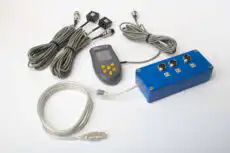
ದೈನಂದಿನ ಕ್ಷೇತ್ರ ಕಾರ್ಯದಲ್ಲಿ notch filter ಒಂದು ಆವೃತ್ತಿ ನೀವು ನೋಡಬೇಕಾದ ಎಲ್ಲವನ್ನೂ ಮುಚ್ಚಿಹಾಕಿದಾಗ ತನ್ನ ಮೌಲ್ಯವನ್ನು ತೋರಿಸುತ್ತದೆ. ಸಾಮಾನ್ಯ ಉದಾಹರಣೆಯೆಂದರೆ ದೊಡ್ಡ ಅಸಮತೋಲನ ಹೊಂದಿರುವ ರೋಟರ್: ಬ್ಯಾಲೆನ್ಸೆಟ್-1ಎ ಹಾಗಿನ portable analyser 1× ವೈಶಾಲ್ಯ ಮತ್ತು ಹಂತ ಅನ್ನು ನೇರವಾಗಿ ಅಳೆಯುತ್ತದೆ ಸಮತೋಲನಗಾಗಿ; ಮತ್ತು ಆ ಪ್ರಮುಖ 1× ಘಟಕವನ್ನು ತಿದ್ದಿದ ನಂತರ spectrum ತೆರೆದಂತೆ ಆಗಿ ಸಣ್ಣ bearing ಮತ್ತು gear signatureಗಳು ಯಾವುದೇ notch ಇಲ್ಲದೆ ಓದಲು ಸುಲಭವಾಗುತ್ತವೆ. ಇದೇ ಸುವರ್ಣ ನಿಯಮವನ್ನು ತೋರಿಸುತ್ತದೆ — ಸಾಧ್ಯವಾದಲ್ಲಿ ಮೂಲ ಕಾರಣವನ್ನು ಸರಿಪಡಿಸಿ, ಲಕ್ಷಣವನ್ನು ಮರೆಮಾಡಬೇಡಿ. ತಪ್ಪಿತಸ್ಥ ಆವೃತ್ತಿ ನಿಜವಾಗಿಯೂ ಬಾಹ್ಯವಾಗಿದ್ದು, ಉದಾಹರಣೆಗೆ ಕೇಬಲಿಂಗ್ ಮೇಲಿನ 50/60 Hz pickup ಆಗಿದ್ದು, ಯಾಂತ್ರಿಕ ಅರ್ಥವಿಲ್ಲ ಎಂದು ದೃಢಪಟ್ಟಾಗ notch ಸರಿಯಾದ ಸಾಧನವಾಗಿಯೇ ಉಳಿಯುತ್ತದೆ.
Notch filterಗಳು ಕಂಪನ signalನಿಂದ ಇಳುವರಿ ಆವೃತ್ತಿ bandಗಳನ್ನು ಆಯ್ಕೆಯಾಗಿ ತೆಗೆದುಹಾಕುವ ವಿಶೇಷ signal-processing ಸಾಧನಗಳಾಗಿವೆ. ಅವು ಅಡಚಣೆಯನ್ನು ನಿವಾರಿಸಿ ಮುಚ್ಚಿಹೋಗಿರುವ ಘಟಕಗಳನ್ನು ಹೊರತರುವುದು ಬಹಳ ಶಕ್ತಿಯುತವಾದರೂ, ಏನನ್ನು ತೆಗೆದುಹಾಕಲಾಗುತ್ತಿದೆ ಎಂಬ ಸಂಪೂರ್ಣ ಅರಿವಿನೊಂದಿಗೆ ಮಾತ್ರ ವಿವೇಕಪೂರ್ವಕವಾಗಿ ಬಳಸಬೇಕು — notch ಮಾಡಲಾದ ಆವೃತ್ತಿಗಳಲ್ಲಿ ಯಾವುದೇ ಮಹತ್ವದ ನಿರ್ಣಾಯಕ ವಿಷಯವಿಲ್ಲ ಎಂಬುದನ್ನು ಸದಾ ದೃಢಪಡಿಸುತ್ತಾ.

