ਦੌੜਨ ਦੀ ਗਤੀ (1X) ਨੂੰ ਸਮਝਣਾ




ਚੱਲਣ ਦੀ ਗਤੀ ਦੀ ਬੁਨਿਆਦੀ ਬਾਰੰਬਾਰਤਾ ਹੈ ਵਾਈਬ੍ਰੇਸ਼ਨ ਵਿਸ਼ਲੇਸ਼ਣ ਜੋ ਮਸ਼ੀਨ ਦੇ ਸ਼ਾਫ਼ਟ ਦੀ ਘੁੰਮਣ ਗਤੀ ਨਾਲ ਮੇਲ ਖਾਂਦੀ ਹੈ — ਉਹ ਫ੍ਰੀਕੁਐਂਸੀ ਜਿਸ ’ਤੇ ਸ਼ਾਫ਼ਟ ਇੱਕ ਪੂਰੀ ਘੁੰਮਣ ਪੂਰੀ ਕਰਦਾ ਹੈ। ਵਾਈਬ੍ਰੇਸ਼ਨ ਸ਼ਬਦਾਵਲੀ ਵਿੱਚ ਇਸਨੂੰ ਲਗਭਗ ਹਮੇਸ਼ਾ ਇਸ ਤਰ੍ਹਾਂ ਲਿਖਿਆ ਜਾਂਦਾ ਹੈ 1X। ਇਹ ਲਗਭਗ ਹਰ ਨਿਦਾਨ ਦਾ ਮੁੱਖ ਆਧਾਰ-ਬਿੰਦੂ ਹੈ: ਇੱਕ ਵਾਰ ਜਦੋਂ ਤੁਸੀਂ ਜਾਣ ਲੈਂਦੇ ਹੋ ਕਿ 1X ਕਿੱਥੇ ਸਥਿਤ ਹੈ ਸਪੈਕਟ੍ਰਮ ਵਿੱਚ, ਬਾਕੀ ਬਹੁਤੀਆਂ ਦਿਲਚਸਪ ਫ੍ਰੀਕੁਐਂਸੀਆਂ ਨੂੰ ਗੁਣਾਂਕਾਂ (ਹਾਰਮੋਨਿਕਸ) ਜਾਂ ਭਿੰਨਾਂ (ਸਬ-ਹਾਰਮੋਨਿਕਸ) ਦੇ ਰੂਪ ਵਿੱਚ ਪੜ੍ਹਿਆ ਜਾ ਸਕਦਾ ਹੈ।
1. ਪਰਿਭਾਸ਼ਾ: ਦੌੜਨ ਦੀ ਗਤੀ ਕੀ ਹੈ?
ਜੇ ਕੋਈ ਪੱਖਾ 1800 ਰੈਵੋਲਿਊਸ਼ਨ ਪ੍ਰਤੀ ਮਿੰਟ (RPM) 'ਤੇ ਚੱਲਦਾ ਹੈ, ਤਾਂ ਇਸਦੀ 1X ਰਨਿੰਗ-ਸਪੀਡ ਫ੍ਰੀਕੁਐਂਸੀ 1800 CPM (ਸਾਈਕਲ ਪ੍ਰਤੀ ਮਿੰਟ) ਹੁੰਦੀ ਹੈ, ਜੋ 30 ਦੇ ਬਰਾਬਰ ਹੈ Hz (1800 ÷ 60)। ਪਰਿਵਰਤਨ ਬਸ Hz = RPM ÷ 60 ਹੈ, ਅਤੇ ਦੋਵੇਂ ਯੂਨਿਟ ਯਾਦ ਰੱਖਣਾ ਲਾਭਦਾਇਕ ਹੈ ਕਿਉਂਕਿ ਸਪੈਕਟਰਾ ਕਦੇ CPM ਵਿੱਚ ਅਤੇ ਕਦੇ Hz ਵਿੱਚ ਸਕੇਲ ਕੀਤੇ ਜਾਂਦੇ ਹਨ।
1X ਫ੍ਰੀਕੁਐਂਸੀ ਲਗਭਗ ਸਾਰੇ ਡਾਇਗਨੌਸਟਿਕ ਕੰਮ ਵਿੱਚ ਮੁੱਖ ਸੰਦਰਭ-ਬਿੰਦੂ ਵਜੋਂ ਕੰਮ ਕਰਦੀ ਹੈ। ਇਕੱਲੇ ਵਿੱਚ ਕੋਈ ਮਾਪ ਘੱਟ ਹੀ ਅਰਥਪੂਰਨ ਹੁੰਦਾ ਹੈ; ਇਹ ਸ਼ਾਫ਼ਟ ਸਪੀਡ ਦੇ ਸਾਪੇਖ ਵਿਅਕਤ ਕੀਤੇ ਜਾਣ ਤੇ ਹੀ ਅਰਥ ਪ੍ਰਾਪਤ ਕਰਦਾ ਹੈ। ਇਸੇ ਲਈ 1X ਦਾ ਪਤਾ ਲਗਾਉਣਾ ਕਿਸੇ ਵੀ ਨਵੇਂ ਸਪੈਕਟਰਮ ਨਾਲ ਵਿਸ਼ਲੇਸ਼ਕ ਦੁਆਰਾ ਕੀਤਾ ਜਾਣ ਵਾਲਾ ਪਹਿਲਾ ਕੰਮ ਹੁੰਦਾ ਹੈ।
2. 1X ਇੰਨਾ ਮਹੱਤਵਪੂਰਨ ਕਿਉਂ ਹੈ?
1X ਫ੍ਰੀਕੁਐਂਸੀ ਇਸ ਲਈ ਮਹੱਤਵਪੂਰਨ ਹੈ ਕਿਉਂਕਿ ਮਸ਼ੀਨ ਦੀਆਂ ਸਭ ਤੋਂ ਆਮ ਅਤੇ ਸਭ ਤੋਂ ਮਹੱਤਵਪੂਰਨ ਖ਼ਰਾਬੀਆਂ ਵਿੱਚੋਂ ਬਹੁਤੀਆਂ ਬਿਲਕੁਲ ਇਸ ਫ੍ਰੀਕੁਐਂਸੀ 'ਤੇ ਵਾਈਬ੍ਰੇਸ਼ਨ ਪੈਦਾ ਕਰਦੀਆਂ ਹਨ। 1X 'ਤੇ ਉੱਚ ਪੱਧਰ, ਆਪਣੇ ਆਪ ਵਿੱਚ, ਇਸ ਗੱਲ ਦਾ ਇੱਕ ਮਜ਼ਬੂਤ ਸੰਕੇਤ ਹੈ ਕਿ ਕੁਝ ਗਲਤ ਹੈ — ਅਤੇ ਇਸ ਦੇ ਆਲੇ-ਦੁਆਲੇ ਦਾ ਪੈਟਰਨ ਆਮ ਤੌਰ 'ਤੇ ਦੱਸਦਾ ਹੈ ਕਿ ਕੀ।
1X 'ਤੇ ਪ੍ਰਗਟ ਹੋਣ ਵਾਲੀਆਂ ਆਮ ਖਰਾਬੀਆਂ ਵਿੱਚ ਸ਼ਾਮਲ ਹਨ:
- ਅਸੰਤੁਲਨ: ਉੱਚ 1X ਵਾਈਬ੍ਰੇਸ਼ਨ ਦਾ ਸਭ ਤੋਂ ਆਮ ਕਾਰਨ। ਅਸਮਾਨ ਪੁੰਜ ਵੰਡ ਇੱਕ ਕੇਂਦਰਾਪਸਾਰੀ ਬਲ ਬਣਾਉਂਦੀ ਹੈ ਜੋ ਸ਼ਾਫ਼ਟ ਸਪੀਡ 'ਤੇ ਘੁੰਮਦੀ ਹੈ, ਜਿਸ ਨਾਲ 1X 'ਤੇ ਇੱਕ ਸਾਫ਼ ਸਾਈਨਸੌਇਡਲ ਵਾਈਬ੍ਰੇਸ਼ਨ ਪੈਦਾ ਹੁੰਦੀ ਹੈ। ਸ਼ੁੱਧ ਅਨਬੈਲੰਸ ਵਿੱਚ ਬਹੁਤ ਘੱਟ ਜਾਂ ਕੋਈ ਹਾਰਮੋਨਿਕ ਸਮੱਗਰੀ ਨਹੀਂ ਹੁੰਦੀ।
- ਮਿਸਅਲਾਈਨਮੈਂਟ: ਅਕਸਰ ਇੱਕ ਮਜ਼ਬੂਤ 2X ਕੰਪੋਨੈਂਟ ਦਾ ਪ੍ਰਭਾਵ ਹੁੰਦਾ ਹੈ, ਪਰ ਐਂਗੂਲਰ ਅਤੇ ਪੈਰਲਲ ਮਿਸਅਲਾਈਨਮੈਂਟ ਵੀ 1X ਨੂੰ ਕਾਫ਼ੀ ਵਧਾ ਸਕਦੀ ਹੈ।
- ਝੁਕਿਆ ਹੋਇਆ ਸ਼ਾਫਟ: ਮਕੈਨੀਕਲ ਤੌਰ 'ਤੇ ਅਨਬੈਲੰਸ ਦੇ ਇੱਕ ਰੂਪ ਵਾਂਗ ਵਿਵਹਾਰ ਕਰਦਾ ਹੈ, ਜੋ ਇੱਕ ਉੱਚ 1X ਪੀਕ ਪੈਦਾ ਕਰਦਾ ਹੈ (ਅਕਸਰ ਇੱਕ ਮਜ਼ਬੂਤ ਐਕਸੀਅਲ (ਧੁਰੀ) ਕੰਪੋਨੈਂਟ ਦੇ ਨਾਲ ਜੋ ਇਸਨੂੰ ਵੱਖ ਕਰਨ ਵਿੱਚ ਮਦਦ ਕਰਦਾ ਹੈ)।
- ਐਕਸੈਂਟ੍ਰਿਸਿਟੀ (ਸੈਂਟਰ ਤੋਂ ਬਾਹਰ ਹੋਣਾ): ਇੱਕ ਸਨਕੀ (eccentric) ਪੁਲੀ, ਗੇਅਰ ਜਾਂ ਰੋਟਰ ਕੋਰ ਇੱਕ 1X ਪੀਕ ਬਣਾਉਂਦਾ ਹੈ ਕਿਉਂਕਿ ਇਸਦਾ ਘੁੰਮਦਾ ਉੱਚ ਸਥਾਨ ਹਰ ਵਾਰੀ ਸਿਸਟਮ 'ਤੇ ਦਬਾਅ ਪਾਉਂਦਾ ਹੈ।
- ਰੈਜ਼ੋਨੈਂਸ (ਗੂੰਜ): ਜੇ ਕਿਸੇ ਢਾਂਚੇ ਦੀ ਕੁਦਰਤੀ ਫ੍ਰੀਕੁਐਂਸੀ ਰਨਿੰਗ ਸਪੀਡ ਦੇ ਨੇੜੇ ਹੁੰਦੀ ਹੈ, ਤਾਂ ਥੋੜ੍ਹਾ ਜਿਹਾ ਫੋਰਸਿੰਗ ਇਨਪੁਟ ਵੀ — ਮੰਨ ਲਓ ਮਾਮੂਲੀ ਅਨਬੈਲੰਸ — ਬਹੁਤ ਵਧਾ ਦਿੱਤਾ ਜਾਂਦਾ ਹੈ, ਜੋ 1X 'ਤੇ ਬਹੁਤ ਉੱਚ ਵਾਈਬ੍ਰੇਸ਼ਨ ਪੈਦਾ ਕਰਦਾ ਹੈ। ਇਸੇ ਲਈ 1X ਅਤੇ ਕਿਸੇ ਵੀ ਨੇੜਲੀ ਕ੍ਰਿਟੀਕਲ ਸਪੀਡ ਵਿਚਕਾਰਲਾ ਸਬੰਧ ਇੰਨਾ ਮਹੱਤਵਪੂਰਨ ਹੁੰਦਾ ਹੈ।
ਕਿਉਂਕਿ 1X 'ਤੇ ਇੰਨੇ ਸਾਰੇ ਕਾਰਨ ਇਕੱਠੇ ਹੁੰਦੇ ਹਨ, ਇਕੱਲਾ ਐਂਪਲੀਟਿਊਡ ਕੋਈ ਨਿਦਾਨ ਨਹੀਂ ਹੈ। ਨਿਰਣਾਇਕ ਕਦਮ ਇਹ ਹੈ ਕਿ 1X ਨੂੰ ਵੀ ਮਾਪਿਆ ਜਾਵੇ ਫੇਜ਼ , ਜੋ ਅਨਬੈਲੰਸ ਨੂੰ ਝੁਕੇ ਹੋਏ ਸ਼ਾਫ਼ਟ, ਸੌਫਟ ਫੁੱਟ, ਜਾਂ ਰੈਜ਼ੋਨੈਂਸ ਤੋਂ ਵੱਖ ਕਰਦਾ ਹੈ।
3. ਦੌੜਨ ਦੀ ਗਤੀ ਦੇ ਹਾਰਮੋਨਿਕਸ ਅਤੇ ਸਬ-ਹਾਰਮੋਨਿਕਸ
ਇੱਕ ਵਾਰ 1X ਦੀ ਪਛਾਣ ਹੋਣ 'ਤੇ, ਬਾਕੀ ਸਪੈਕਟਰਮ ਨੂੰ ਇਸਦੇ ਸਬੰਧ ਵਿੱਚ ਸਮਝਿਆ ਜਾ ਸਕਦਾ ਹੈ:
- ਹਾਰਮੋਨਿਕਸ (2X, 3X, 4X, …): ਰਨਿੰਗ ਸਪੀਡ ਦੇ ਪੂਰਨ ਅੰਕ ਗੁਣਾਂਕ। ਇਹ ਆਮ ਤੌਰ 'ਤੇ ਸੰਕੇਤ ਕਰਦੇ ਹਨ ਮਿਸਅਲਾਈਨਮੈਂਟ (ਇੱਕ ਮਜ਼ਬੂਤ 2X), ਮਕੈਨੀਕਲ ਢਿੱਲਾਪਣ (ਹਾਰਮੋਨਿਕਸ ਦੀ ਇੱਕ ਲੰਬੀ ਲੜੀ), ਅਤੇ ਹੋਰ ਨੌਨ-ਲੀਨੀਅਰ ਪ੍ਰਭਾਵ। ਆਕਾਰ ਹਾਰਮੋਨਿਕ ਪਰਿਵਾਰ ਦਾ, ਅਕਸਰ ਇਕੱਲੇ 1X ਨਾਲੋਂ ਵਧੇਰੇ ਡਾਇਗਨੌਸਟਿਕ ਹੁੰਦਾ ਹੈ।
- ਸਬ-ਹਾਰਮੋਨਿਕਸ (0.5X, 1/3X, …): ਰਨਿੰਗ ਸਪੀਡ ਦੀਆਂ ਭਿੰਨਾਂ, ਜੋ ਆਮ ਤੌਰ 'ਤੇ ਤੇਲ-ਫਿਲਮ ਅਸਥਿਰਤਾ ਨਾਲ ਸਬੰਧਿਤ ਹੁੰਦੀਆਂ ਹਨ ਜਰਨਲ ਬੇਅਰਿੰਗਾਂ — ਕਲਾਸਿਕ ਤੇਲ ਭੌਂਰੀ (oil whirl) 0.4–0.48X ਦੇ ਨੇੜੇ ਦਿਖਾਈ ਦਿੰਦੀ ਹੈ — ਜਾਂ ਬੇਅਰਿੰਗ ਹਾਊਸਿੰਗ ਵਿੱਚ ਢਿੱਲੇਪਣ ਨਾਲ। ਇਹ ਵਿਸ਼ਾਲ ਸ਼੍ਰੇਣੀ ਵਿੱਚ ਆਉਂਦੀਆਂ ਹਨ ਸਬ-ਸਿੰਕ੍ਰੋਨਸ ਵਾਈਬ੍ਰੇਸ਼ਨ.
ਫ੍ਰੀਕੁਐਂਸੀਆਂ ਨੂੰ ਇੱਕ ਬੁਨਿਆਦੀ ਸਪੀਡ ਦੇ ਗੁਣਾਂਕਾਂ ਵਜੋਂ ਦਰਸਾਉਣਾ ਇਸਦਾ ਆਧਾਰ ਹੈ ਆਰਡਰ ਵਿਸ਼ਲੇਸ਼ਣ। ਵੇਰੀਏਬਲ-ਸਪੀਡ ਮਸ਼ੀਨਾਂ 'ਤੇ, ਸਥਿਰ Hz ਦੀ ਬਜਾਏ “ਆਰਡਰਾਂ” ਦੁਆਰਾ ਵਾਈਬ੍ਰੇਸ਼ਨ ਨੂੰ ਟਰੈਕ ਕਰਨਾ ਜ਼ਰੂਰੀ ਹੈ, ਕਿਉਂਕਿ ਹਰ ਸਪੀਡ-ਸਬੰਧਿਤ ਪੀਕ ਸ਼ਾਫ਼ਟ ਨਾਲ ਹਿਲਦਾ ਹੈ ਜਦਕਿ ਸਟ੍ਰਕਚਰਲ ਰੈਜ਼ੋਨੈਂਸ ਆਪਣੀ ਥਾਂ 'ਤੇ ਰਹਿੰਦੇ ਹਨ — ਅਤੇ ਇਹੀ ਫ਼ਰਕ ਹੈ ਜਿਸ ਨਾਲ ਤੁਸੀਂ ਉਨ੍ਹਾਂ ਨੂੰ ਵੱਖ ਕਰ ਸਕਦੇ ਹੋ। ਹਾਰਮੋਨਿਕ ਫ੍ਰੀਕੁਐਂਸੀ ਕੈਲਕੁਲੇਟਰ ਇੱਕ RPM ਨੂੰ ਇਸਦੀਆਂ 1×–10× ਆਰਡਰ ਫ੍ਰੀਕੁਐਂਸੀਆਂ ਵਿੱਚ ਬਦਲਦਾ ਹੈ, ਜਲਦੀ ਹਵਾਲੇ ਲਈ।
4. ਦੌੜਨ ਦੀ ਗਤੀ ਕਿਵੇਂ ਮਾਪੀ ਜਾਂਦੀ ਹੈ?
ਰਨਿੰਗ ਸਪੀਡ ਦੋ ਤਰੀਕਿਆਂ ਵਿੱਚੋਂ ਇੱਕ ਨਾਲ ਨਿਰਧਾਰਿਤ ਕੀਤੀ ਜਾਂਦੀ ਹੈ:
- ਵਾਈਬ੍ਰੇਸ਼ਨ ਸਪੈਕਟਰਮ ਤੋਂ: ਜ਼ਿਆਦਾਤਰ ਮਾਮਲਿਆਂ ਵਿੱਚ ਇੱਕ ਸਪਸ਼ਟ ਪੀਕ ਸ਼ਾਫ਼ਟ ਦੀ ਘੁੰਮਣ ਨਾਲ ਮੇਲ ਖਾਂਦਾ ਹੈ, ਅਤੇ ਇਹ ਆਮ ਤੌਰ 'ਤੇ ਵਿਸ਼ਲੇਸ਼ਕ ਦੁਆਰਾ ਪਛਾਣਿਆ ਗਿਆ ਪਹਿਲਾ ਮਹੱਤਵਪੂਰਨ ਪੀਕ ਹੁੰਦਾ ਹੈ। ਇਹ ਵਧੀਆ ਕੰਮ ਕਰਦਾ ਹੈ ਜਦੋਂ ਮਸ਼ੀਨ ਇੱਕ ਸਥਿਰ, ਜਾਣੀ-ਪਛਾਣੀ ਸਪੀਡ 'ਤੇ ਚੱਲਦੀ ਹੈ।
- ਦੀ ਵਰਤੋਂ ਕਰਕੇ ਟੈਕੋਮੀਟਰ: ਇੱਕ ਟੈਕੋਮੀਟਰ ਹਰ ਘੁੰਮਣ 'ਤੇ ਇੱਕ ਪਲਸ ਬਣਾ ਕੇ ਇੱਕ ਸਿੱਧਾ, ਸਪਸ਼ਟ ਸਪੀਡ ਮਾਪ ਦਿੰਦਾ ਹੈ, ਜੋ ਕਿ ਵਾਈਬ੍ਰੇਸ਼ਨ ਵਿਸ਼ਲੇਸ਼ਕ ਵਿੱਚ ਭੇਜਿਆ ਜਾਂਦਾ ਹੈ। ਇਹ ਨਾ ਸਿਰਫ਼ 1X ਫ੍ਰੀਕੁਐਂਸੀ ਦੀ ਪੁਸ਼ਟੀ ਕਰਦਾ ਹੈ ਸਗੋਂ ਫੇਜ਼ ਵਿਸ਼ਲੇਸ਼ਣ ਅਤੇ ਆਰਡਰ ਵਿਸ਼ਲੇਸ਼ਣ ਵਰਗੀਆਂ ਉੱਨਤ ਤਕਨੀਕਾਂ ਵੀ ਖੋਲ੍ਹਦਾ ਹੈ।
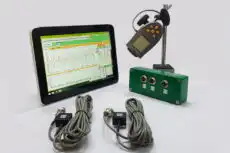
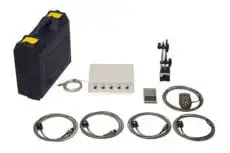
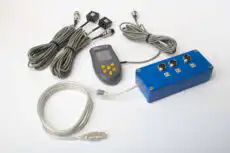
ਟੈਕੋਮੀਟਰ ਦਾ ਤਰੀਕਾ ਹੀ 1X ਨੂੰ ਸਿਰਫ਼ ਵੇਖਣਯੋਗ ਦੀ ਬਜਾਏ ਕਾਰਵਾਈਯੋਗ ਬਣਾਉਂਦਾ ਹੈ। ਇਸ ਵਰਗਾ ਇੱਕ ਪੋਰਟੇਬਲ ਦੋ-ਚੈਨਲ ਯੰਤਰ Balanset-1A ਆਪਣੀ ਸਪੀਡ ਪਲਸ ਇੱਕ ਆਪਟੀਕਲ ਟੈਕੋਮੀਟਰ ਤੋਂ ਲੈਂਦਾ ਹੈ ਜੋ ਇੱਕ ਪੱਟੀ 'ਤੇ ਟ੍ਰਿਗਰ ਹੁੰਦਾ ਹੈ ਪਰਾਵਰਤਕ ਟੇਪ, ਵਾਈਬ੍ਰੇਸ਼ਨ ਡਾਟਾ ਨੂੰ ਸ਼ਾਫਟ ਐਂਗਲ ਨਾਲ ਲੌਕ ਕਰਦਾ ਹੈ, ਅਤੇ ਸਿੰਕ੍ਰੋਨਸ 1× ਐਂਪਲੀਟਿਊਡ ਅਤੇ ਫੇਜ਼ ਦੀ ਰਿਪੋਰਟ ਦਿੰਦਾ ਹੈ। ਇਹ ਫੇਜ਼ ਰੈਫਰੈਂਸ ਹੀ ਉਹ ਚੀਜ਼ ਹੈ ਜੋ 1X ਅਨਬੈਲੈਂਸ ਪੀਕ ਨੂੰ ਇੱਕ ਦੁਹਰਾਉਣਯੋਗ ਐਂਪਲੀਟਿਊਡ-ਅਤੇ-ਫੇਜ਼ ਰੀਡਿੰਗ ਵਿੱਚ ਬਦਲ ਦਿੰਦਾ ਹੈ। ਮਾਪੀ ਗਈ ਫੇਜ਼ ਟੈਕੋ ਮਾਰਕ ਦੇ ਸਾਪੇਖ ਰਿਸਪਾਂਸ ਫੇਜ਼ ਹੈ — ਨਾ ਕਿ ਖੁਦ ਹੈਵੀ-ਸਪਾਟ ਐਂਗਲ, ਕਿਉਂਕਿ ਰਿਸਪਾਂਸ ਹੈਵੀ ਸਪਾਟ ਤੋਂ ਇੱਕ ਅਜਿਹੀ ਮਾਤਰਾ ਨਾਲ ਲੈਗ ਕਰਦਾ ਹੈ ਜੋ ਇਸ ਗੱਲ 'ਤੇ ਨਿਰਭਰ ਕਰਦੀ ਹੈ ਕਿ ਰਨਿੰਗ ਸਪੀਡ ਰੈਜ਼ੋਨੈਂਸ ਦੇ ਕਿੰਨੀ ਨੇੜੇ ਹੈ, ਨਾਲ ਹੀ ਇੰਸਟ੍ਰੂਮੈਂਟੇਸ਼ਨ ਦੇਰੀ — ਇਸ ਲਈ ਇਨਫਲੂਐਂਸ-ਕੋਐਫੀਸ਼ੀਐਂਟ (ਟ੍ਰਾਇਲ-ਵੇਟ) ਵਿਧੀ ਦੀ ਵਰਤੋਂ ਕਰਕੇ ਇਹਨਾਂ ਰੀਡਿੰਗਾਂ ਨੂੰ ਬਦਲਿਆ ਜਾਂਦਾ ਹੈ ਇੱਕ ਸੁਧਾਰ ਵਜ਼ਨ ਜਾਣੇ-ਪਛਾਣੇ ਆਕਾਰ ਅਤੇ ਸਥਾਨ ਦੇ ਦੌਰਾਨ ਸਾਈਟ ਬੈਲੇਂਸਿੰਗ (ਫੀਲਡ ਬੈਲੇਂਸਿੰਗ).

