ਸਾਊਂਡ ਪ੍ਰੈਸ਼ਰ ਲੈਵਲ ਨੂੰ ਸਮਝਣਾ

ਸਾਊਂਡ ਪ੍ਰੈਸ਼ਰ ਲੈਵਲ (SPL) ਇੱਕ ਸੰਦਰਭ ਦੇ ਸਾਪੇਖ ਧੁਨੀ ਦਬਾਅ ਦਾ ਲਘੂਗਣਕੀ ਮਾਪ ਹੈ, ਜੋ ਡੈਸੀਬਲ (dB) ਵਿੱਚ ਦਰਸਾਇਆ ਜਾਂਦਾ ਹੈ। ਮਸ਼ੀਨਰੀ ਲਈ ਇਹ ਸ਼ੋਰ-ਨਿਕਾਸ ਦੀ ਤੀਬਰਤਾ ਨੂੰ ਮਾਪਦਾ ਹੈ — ਮਸ਼ੀਨ ਦੁਆਰਾ ਫੈਲਾਈ ਗਈ ਉੱਚੀ ਆਵਾਜ਼ — ਜਿਸਨੂੰ ਇੱਕ ਨਿਸ਼ਚਿਤ ਦੂਰੀ 'ਤੇ ਮਾਈਕ੍ਰੋਫੋਨ ਜਾਂ ਸਾਊਂਡ-ਲੈਵਲ ਮੀਟਰ ਨਾਲ ਮਾਪਿਆ ਜਾਂਦਾ ਹੈ। SPL ਨਾਲ ਨੇੜਿਓਂ ਜੁੜਿਆ ਹੋਇਆ ਹੈ ਵਾਈਬ੍ਰੇਸ਼ਨ, ਕਿਉਂਕਿ ਥਰਥਰਾਉਂਦੀਆਂ ਸਤਹਾਂ ਆਵਾਜ਼ ਫੈਲਾਉਂਦੀਆਂ ਹਨ, ਜੋ ਧੁਨੀ ਮਾਪ ਨੂੰ ਇਸ ਦਾ ਇੱਕ ਸੁਭਾਵਿਕ ਪੂਰਕ ਬਣਾਉਂਦੀ ਹੈ ਵਾਈਬ੍ਰੇਸ਼ਨ ਵਿਸ਼ਲੇਸ਼ਣ ਮਸ਼ੀਨ ਦੀ ਸਥਿਤੀ ਦਾ ਮੁਲਾਂਕਣ ਕਰਨ ਲਈ — ਖਾਸ ਕਰਕੇ ਏਅਰੋਡਾਇਨਾਮਿਕ, ਗੀਅਰ ਅਤੇ ਬੇਅਰਿੰਗ ਦੋਸ਼ਾਂ ਲਈ ਜੋ ਵਿਸ਼ੇਸ਼ ਟੋਨਲ ਜਾਂ ਬ੍ਰੌਡਬੈਂਡ ਹਸਤਾਖਰ ਪੈਦਾ ਕਰਦੇ ਹਨ।
ਭਾਵੇਂ SPL ਮੁੱਖ ਤੌਰ 'ਤੇ ਇੱਕ ਕਿੱਤਾਮੁਖੀ-ਸਿਹਤ ਅਤੇ ਵਾਤਾਵਰਣ ਸੰਬੰਧੀ ਮਾਪਦੰਡ ਹੈ — ਸੁਣਨ ਸੁਰੱਖਿਆ, ਸ਼ੋਰ ਨਿਯਮ, ਭਾਈਚਾਰਕ ਸੀਮਾਵਾਂ — ਇਸ ਦਾ ਅਸਲ ਨਿਦਾਨਕ ਮਹੱਤਵ ਹੈ। ਸ਼ੋਰ ਵਿੱਚ ਤਬਦੀਲੀਆਂ ਅਕਸਰ ਮਕੈਨੀਕਲ ਗਿਰਾਵਟ ਤੋਂ ਪਹਿਲਾਂ ਹੁੰਦੀਆਂ ਹਨ ਜਾਂ ਨਾਲ-ਨਾਲ ਹੁੰਦੀਆਂ ਹਨ, ਅਤੇ ਇੱਕ ਧੁਨੀ ਸਪੈਕਟ੍ਰਮ ਫ੍ਰੀਕੁਐਂਸੀ ਪੈਟਰਨਾਂ ਰਾਹੀਂ ਵਿਸ਼ੇਸ਼ ਦੋਸ਼ਾਂ ਦੀ ਪਛਾਣ ਕਰ ਸਕਦਾ ਹੈ ਜੋ ਵਾਈਬ੍ਰੇਸ਼ਨ ਵਿੱਚ ਦੇਖੇ ਗਏ ਪੈਟਰਨਾਂ ਨੂੰ ਦਰਸਾਉਂਦੇ ਹਨ ਸਪੈਕਟ੍ਰਮ.
1. ਗਣਿਤ: ਡੈਸੀਬਲ ਕਿਉਂ?
SPL ਨੂੰ ਇਸ ਤਰ੍ਹਾਂ ਪਰਿਭਾਸ਼ਿਤ ਕੀਤਾ ਜਾਂਦਾ ਹੈ:
SPL (dB) = 20 × log₁₀(P / P₀), ਜਿੱਥੇ P ਪਾਸਕਲ ਵਿੱਚ ਮਾਪਿਆ ਗਿਆ ਧੁਨੀ ਦਬਾਅ ਹੈ ਅਤੇ P₀ = 20 µPa, ਮਨੁੱਖੀ ਸੁਣਨ ਦੀ ਸੀਮਾ ਦੇ ਅਨੁਸਾਰੀ ਸੰਦਰਭ ਦਬਾਅ ਹੈ।
ਲਘੂਗਣਕ ਇੱਕ ਵਿਹਾਰਕ ਕਾਰਨ ਕਰਕੇ ਮੌਜੂਦ ਹੈ: ਕੰਨ ਦਬਾਅ ਦੀ ਇੱਕ ਵਿਸ਼ਾਲ ਸੀਮਾ ਨਾਲ ਨਿਪਟਦਾ ਹੈ — ਸਭ ਤੋਂ ਧੀਮੀ ਸੁਣਨਯੋਗ ਆਵਾਜ਼ ਤੋਂ ਲੈ ਕੇ ਦਰਦ ਦੀ ਸੀਮਾ ਤੱਕ ਦਬਾਅ ਵਿੱਚ ਲਗਭਗ ਦਸ ਲੱਖ ਗੁਣਾ ਦਾ ਫਰਕ ਹੁੰਦਾ ਹੈ। ਇੱਕ ਲਘੂਗਣਕੀ ਪੈਮਾਨਾ ਉਸ ਸੀਮਾ ਨੂੰ ਇੱਕ ਸੰਭਾਲਣਯੋਗ 0–120+ dB ਵਿੱਚ ਸੰਕੁਚਿਤ ਕਰਦਾ ਹੈ। ਇਹ ਉਸ ਗਣਿਤ ਦੀ ਵੀ ਵਿਆਖਿਆ ਕਰਦਾ ਹੈ ਜੋ ਨਵੇਂ ਲੋਕਾਂ ਨੂੰ ਹੈਰਾਨ ਕਰਦਾ ਹੈ: ਕਿਉਂਕਿ ਪੈਮਾਨਾ ਲਘੂਗਣਕੀ ਹੈ, ਆਵਾਜ਼ ਨੂੰ ਦੁੱਗਣਾ ਕਰਨ ਨਾਲ ਪਾਵਰ ਸਿਰਫ਼ 3 dB ਜੁੜਦੇ ਹਨ, ਅਤੇ ਦੋ ਬਰਾਬਰ ਉੱਚੀਆਂ ਮਸ਼ੀਨਾਂ ਇਕੱਠੀਆਂ ਇੱਕ ਨਾਲੋਂ 3 dB ਉੱਚੀਆਂ ਹੁੰਦੀਆਂ ਹਨ — ਦੁੱਗਣੀਆਂ ਉੱਚੀਆਂ ਨਹੀਂ। ਸਰੋਤਾਂ ਨੂੰ ਜੋੜਨਾ ਇਸ ਲਈ ਇੱਕ ਲਘੂਗਣਕੀ ਜੋੜ ਹੈ, ਜਿਸਨੂੰ ਸਾਡੇ ਨਾਲ ਆਸਾਨੀ ਨਾਲ ਸੰਭਾਲਿਆ ਜਾ ਸਕਦਾ ਹੈ ਸ਼ੋਰ ਪੱਧਰ ਜੋੜ ਕੈਲਕੁਲੇਟਰ ਜਾਂ ਇਸ ਨਾਲ ਦਬਾਅ ਅਤੇ ਡੈਸੀਬਲ ਵਿਚਕਾਰ ਤਬਦੀਲ ਕੀਤਾ ਗਿਆ ਧੁਨੀ ਪੱਧਰ ਕਨਵਰਟਰ.
ਪੈਮਾਨੇ ਲਈ ਇੱਕ ਮੋਟੇ ਫੀਲਡ ਗਾਈਡ ਵਜੋਂ: 0 dB ਸੁਣਨ ਦੀ ਸੀਮਾ ਹੈ; 30–40 dB ਇੱਕ ਸ਼ਾਂਤ ਕਮਰਾ; 60–70 dB ਸਧਾਰਨ ਗੱਲਬਾਤ; 80–90 dB ਸ਼ੋਰ ਵਾਲੀ ਮਸ਼ੀਨਰੀ ਜਿੱਥੇ ਸੁਣਨ ਸੁਰੱਖਿਆ ਦੀ ਸਿਫ਼ਾਰਸ਼ ਕੀਤੀ ਜਾਂਦੀ ਹੈ; 100–110 dB ਬਹੁਤ ਉੱਚੀ ਮਸ਼ੀਨਰੀ ਜਿੱਥੇ ਇਹ ਲਾਜ਼ਮੀ ਹੈ; ਅਤੇ 120 dB ਅਤੇ ਇਸ ਤੋਂ ਵੱਧ ਦਰਦ ਦੀ ਸੀਮਾ ਹੈ, ਜਿਸ ਨਾਲ ਤੁਰੰਤ ਸੁਣਨ ਸ਼ਕਤੀ ਨੂੰ ਨੁਕਸਾਨ ਹੋਣ ਦਾ ਖਤਰਾ ਹੁੰਦਾ ਹੈ।
2. SPL ਕਿਵੇਂ ਮਾਪਿਆ ਜਾਂਦਾ ਹੈ
ਸਾਊਂਡ-ਲੈਵਲ ਮੀਟਰ
- ਇੱਕ ਸ਼ੁੱਧਤਾ ਮਾਈਕ੍ਰੋਫੋਨ ਜੋ ਇੱਕ ਮੀਟਰ ਨੂੰ ਸੰਕੇਤ ਦਿੰਦਾ ਹੈ ਜੋ ਫ੍ਰੀਕੁਐਂਸੀ ਵੇਟਿੰਗ ਅਤੇ ਟਾਈਮ ਵੇਟਿੰਗ ਲਾਗੂ ਕਰਦਾ ਹੈ ਅਤੇ ਨਤੀਜਾ dB SPL ਵਿੱਚ ਦਿਖਾਉਂਦਾ ਹੈ।
- ਯੰਤਰਾਂ ਨੂੰ ਕਲਾਸ 1 (ਸ਼ੁੱਧਤਾ) ਜਾਂ ਕਲਾਸ 2 (ਆਮ ਵਰਤੋਂ) ਵਿੱਚ ਦਰਜਾ ਦਿੱਤਾ ਜਾਂਦਾ ਹੈ IEC 61672.
ਮਾਪਣ ਦੀ ਦੂਰੀ
- ਨੇੜਲਾ ਖੇਤਰ: ਸਰੋਤ ਤੋਂ 1 ਮੀਟਰ ਤੋਂ ਘੱਟ, ਜੋ ਕਿਸੇ ਸ਼ੋਰ ਵਾਲੇ ਹਿੱਸੇ ਦੀ ਪਛਾਣ ਕਰਨ ਲਈ ਲਾਭਦਾਇਕ ਹੈ।
- ਦੂਰ ਖੇਤਰ: 1 ਮੀਟਰ ਤੋਂ ਵੱਧ, ਜਿੱਥੇ ਮੁਕਤ-ਖੇਤਰ ਦੀਆਂ ਸਥਿਤੀਆਂ ਲਾਗੂ ਹੁੰਦੀਆਂ ਹਨ; 1 ਮੀਟਰ ਮਸ਼ੀਨਰੀ ਲਈ ਇੱਕ ਆਮ ਮਿਆਰ ਹੈ।
- ਇੱਕ ਮੁਕਤ ਖੇਤਰ ਵਿੱਚ SPL ਲਗਭਗ ਘੱਟ ਜਾਂਦਾ ਹੈ ਦੂਰੀ ਦੇ ਹਰ ਦੁੱਗਣਾ ਹੋਣ 'ਤੇ 6 dB — ਦਾ ਆਧਾਰ ਸ਼ੋਰ ਦੂਰੀ ਘਟਾਅ ਕੈਲਕੁਲੇਟਰ.
ਫ੍ਰੀਕੁਐਂਸੀ ਵੇਟਿੰਗ
- A-ਵੇਟਿੰਗ (dBA): ਕੰਨ ਦੀ ਸੰਵੇਦਨਸ਼ੀਲਤਾ ਦੀ ਨਕਲ ਕਰਨ ਲਈ ਪ੍ਰਤੀਕਿਰਿਆ ਨੂੰ ਆਕਾਰ ਦਿੰਦਾ ਹੈ; ਸ਼ੋਰ ਮੁਲਾਂਕਣ ਲਈ ਹੁਣ ਤੱਕ ਸਭ ਤੋਂ ਆਮ।
- C-ਵੇਟਿੰਗ (dBC): ਮੁਕਾਬਲਤਨ ਸਮਤਲ, ਪੀਕ ਅਤੇ ਆਵੇਗੀ ਸ਼ੋਰ ਲਈ ਘੱਟ-ਫ੍ਰੀਕੁਐਂਸੀ ਸਮੱਗਰੀ ਨੂੰ ਬਰਕਰਾਰ ਰੱਖਦਾ ਹੈ।
- Z / ਲੀਨੀਅਰ (dBZ): ਕੋਈ ਵੇਟਿੰਗ ਨਹੀਂ; ਹਰ ਫ੍ਰੀਕੁਐਂਸੀ ਬਰਾਬਰ ਗਿਣੀ ਜਾਂਦੀ ਹੈ, ਇੰਜੀਨੀਅਰਿੰਗ ਵਿਸ਼ਲੇਸ਼ਣ ਲਈ ਤਰਜੀਹੀ।
3. ਵਾਈਬ੍ਰੇਸ਼ਨ ਨਾਲ ਸੰਬੰਧ
ਥਰਥਰਾਉਂਦੀ ਸਤਹ ਤੋਂ ਧੁਨੀ ਰੇਡੀਏਸ਼ਨ
- ਇੱਕ ਥਰਥਰਾਉਂਦੀ ਸਤਹ ਆਲੇ-ਦੁਆਲੇ ਦੀ ਹਵਾ 'ਤੇ ਦਬਾਅ ਪਾਉਂਦੀ ਹੈ ਅਤੇ ਧੁਨੀ ਤਰੰਗਾਂ ਫੈਲਾਉਂਦੀ ਹੈ।
- ਰੇਡੀਏਟਿਡ ਧੁਨੀ ਸ਼ਕਤੀ ਲਗਭਗ ਇਸ ਦੇ ਨਾਲ ਵਧਦੀ ਹੈ ਵੇਗ² × ਖੇਤਰਫਲ, ਇਸ ਲਈ ਵੱਧ ਸਤਹ ਵੇਗ ਆਮ ਤੌਰ 'ਤੇ ਵੱਧ SPL ਦਾ ਮਤਲਬ ਹੈ।
- ਹਾਲਾਂਕਿ, ਸੰਬੰਧ ਸਟੀਕ ਨਹੀਂ ਹੈ — ਰੇਡੀਏਸ਼ਨ ਕੁਸ਼ਲਤਾ ਫ੍ਰੀਕੁਐਂਸੀ ਅਤੇ ਪੈਨਲ ਜਿਓਮੈਟਰੀ ਨਾਲ ਬਹੁਤ ਬਦਲਦੀ ਹੈ, ਇਸ ਲਈ ਬਰਾਬਰ ਥਰਥਰਾਉਣ ਵਾਲੀਆਂ ਦੋ ਸਤਹਾਂ ਬਹੁਤ ਵੱਖਰੇ ਢੰਗ ਨਾਲ ਰੇਡੀਏਟ ਕਰ ਸਕਦੀਆਂ ਹਨ।
ਨਿਦਾਨਕ ਸੰਬੰਧ
- ਬੇਅਰਿੰਗ ਸਮੱਸਿਆਵਾਂ: ਉੱਚ-ਫ੍ਰੀਕੁਐਂਸੀ ਸੀਟੀ ਜਾਂ ਘਿਸਾਈ ਦੀ ਆਵਾਜ਼।
- ਗੇਅਰ ਸਮੱਸਿਆਵਾਂ: ਮੈਸ਼ ਫ੍ਰੀਕੁਐਂਸੀ 'ਤੇ ਇੱਕ ਵਿਸ਼ੇਸ਼ ਸੀਟੀ ਵਰਗੀ ਆਵਾਜ਼।
- ਅਸੰਤੁਲਨ: 1× 'ਤੇ ਇੱਕ ਘੱਟ-ਫ੍ਰੀਕੁਐਂਸੀ ਗੜਗੜਾਹਟ ਚੱਲਣ ਦੀ ਗਤੀ.
- ਕੈਵੀਟੇਸ਼ਨ: ਭਾਫ਼ ਦੇ ਬੁਲਬੁਲੇ ਟੁੱਟਣ ਨਾਲ ਬੇਤਰਤੀਬ ਕੜਕੜਾਹਟ ਜਾਂ ਪਟਾਕੇ ਦੀ ਆਵਾਜ਼।
4. ਧੁਨੀ ਸਪੈਕਟ੍ਰਮ ਵਿਸ਼ਲੇਸ਼ਣ
ਵਾਈਬ੍ਰੇਸ਼ਨ ਵਾਂਗ, ਧੁਨੀ ਸਿਗਨਲ ਨੂੰ ਇੱਕ ਫ੍ਰੀਕੁਐਂਸੀ ਸਪੈਕਟ੍ਰਮ ਵਿੱਚ ਬਦਲਣਾ ਇੱਕ ਗੁੰਝਲਦਾਰ ਸ਼ੋਰ ਨੂੰ ਨਿਦਾਨਯੋਗ ਹਿੱਸਿਆਂ ਵਿੱਚ ਵੱਖ ਕਰਦਾ ਹੈ।
ਧੁਨੀ ਭਾਗ (Tonal Components)
- ਗੀਅਰ ਮੈਸ਼: ਦੰਦ-ਜਾਲ (ਟੂਥ-ਏਂਗੇਜਮੈਂਟ) ਬਾਰੰਬਾਰਤਾ 'ਤੇ ਇੱਕ ਸ਼ੁੱਧ ਟੋਨ, ਅਕਸਰ ਸਾਈਡਬੈਂਡਸ.
- ਬਲੇਡ ਪਾਸਿੰਗ: ਪੱਖੇ ਜਾਂ ਕੰਪ੍ਰੈਸਰ ਦੀ ਬਲੇਡ-ਪਾਸ ਬਾਰੰਬਾਰਤਾ 'ਤੇ ਇੱਕ ਟੋਨ।
- ਇਲੈਕਟ੍ਰੀਕਲ: ਲਾਈਨ ਬਾਰੰਬਾਰਤਾ ਦੇ ਦੁੱਗਣੇ 'ਤੇ ਮੋਟਰਾਂ ਤੋਂ 120/100 Hz ਦੀ ਗੂੰਜ।
- ਬੇਅਰਿੰਗ ਟੋਨ: ਪਰਿਵਾਰ ਦਾ ਇੱਕ ਸਮੂਹ ਬੇਅਰਿੰਗ ਫਾਲਟ ਫ੍ਰੀਕੁਐਂਸੀ ਹਾਰਮੋਨਿਕਸ।
ਬ੍ਰੌਡਬੈਂਡ ਸ਼ੋਰ
- ਐਰੋਡਾਇਨਾਮਿਕ: ਟਰਬੂਲੈਂਸ ਅਤੇ ਪ੍ਰਵਾਹ ਸ਼ੋਰ।
- ਕੈਵੀਟੇਸ਼ਨ: ਵਾਸ਼ਪ ਬੁਲਬੁਲਿਆਂ ਦੇ ਢਹਿਣ ਕਾਰਨ ਇੱਕ ਵਿਸ਼ਾਲ ਬੈਂਡ ਵਿੱਚ ਬੇਤਰਤੀਬ ਬੁਲਬੁਲਾ ਢਹਿਣਾ।
- ਬੇਅਰਿੰਗ ਨੁਕਸਾਨ: ਸਤਹਾਂ ਦੇ ਖਰਾਬ ਹੋਣ ਨਾਲ ਇੱਕ ਬ੍ਰੌਡਬੈਂਡ ਵਾਧਾ।
- ਘ੍ਰਿਸ਼ਣ: ਲਗਾਤਾਰ ਬੇਤਰਤੀਬ ਨਿਕਾਸ।
5. ਵਰਤੋਂ
SPL ਮਾਪ ਚਾਰ ਵਿਵਹਾਰਕ ਖੇਤਰਾਂ ਵਿੱਚ ਆਪਣੀ ਥਾਂ ਬਣਾਉਂਦਾ ਹੈ:
- ਸਥਿਤੀ ਨਿਗਰਾਨੀ: ਵਾਈਬ੍ਰੇਸ਼ਨ ਡਾਟਾ ਦੀ ਪੂਰਤੀ ਕਰਦੇ ਹੋਏ, ਅਕਸਰ ਬੇਅਰਿੰਗ ਦੇ ਨੁਕਸ ਦਾ ਸਭ ਤੋਂ ਪਹਿਲਾਂ ਸੰਕੇਤ ਦਿੰਦਾ ਹੈ — ਸ਼ੋਰ, ਕੇਸਿੰਗ ਵਾਈਬ੍ਰੇਸ਼ਨ ਤੋਂ ਪਹਿਲਾਂ ਵੱਧ ਸਕਦਾ ਹੈ — ਅਤੇ ਸ਼ੋਰ ਦੀ ਗੁਣਵੱਤਾ ਵਿੱਚ ਬਦਲਾਅ ਰਾਹੀਂ ਗੀਅਰ ਦੇ ਘਸਾਓ ਨੂੰ ਟਰੈਕ ਕਰਦਾ ਹੈ।
- ਗੁਣਵੱਤਾ ਨਿਯੰਤਰਣ: ਸ਼ੋਰ ਸੀਮਾਵਾਂ ਦੇ ਵਿਰੁੱਧ ਨਵੇਂ ਉਪਕਰਣਾਂ ਦੀ ਸਵੀਕਾਰਤਾ ਜਾਂਚ, ਮੁਰੰਮਤ ਤੋਂ ਬਾਅਦ ਦੀ ਪੁਸ਼ਟੀ, ਅਤੇ ਨਿਰਮਾਣ ਵਿੱਚ ਉਤਪਾਦ-ਗੁਣਵੱਤਾ ਜਾਂਚਾਂ।
- ਰੈਗੂਲੇਟਰੀ ਪਾਲਣਾ: ਕਿੱਤਾਮੁਖੀ ਐਕਸਪੋਜ਼ਰ ਸੀਮਾਵਾਂ (OSHA, EU ਨਿਰਦੇਸ਼), ਭਾਈਚਾਰਕ ਸ਼ੋਰ ਸੀਮਾਵਾਂ ਅਤੇ ਉਪਕਰਣ ਵਿਸ਼ੇਸ਼ਤਾਵਾਂ, ਜਿਨ੍ਹਾਂ ਦਾ ਸਮਰਥਨ ਐਕਸਪੋਜ਼ਰ ਡੋਜ਼ ਟੂਲਸ ਜਿਵੇਂ ਕਿ ਸ਼ੋਰ ਐਕਸਪੋਜ਼ਰ ਕੈਲਕੁਲੇਟਰ.
- ਸਮੱਸਿਆ ਨਿਪਟਾਰਾ: ਸ਼ੋਰ ਸਰੋਤਾਂ ਦਾ ਪਤਾ ਲਗਾਉਣਾ, ਸਮੁੱਚੇ ਫੈਸਿਲਟੀ ਸ਼ੋਰ ਵਿੱਚ ਯੋਗਦਾਨ ਪਾਉਣ ਵਾਲਿਆਂ ਦੀ ਦਰਜਾਬੰਦੀ ਕਰਨਾ, ਅਤੇ ਸ਼ੋਰ-ਘਟਾਓ ਉਪਾਵਾਂ ਦੇ ਪ੍ਰਭਾਵ ਦੀ ਪੁਸ਼ਟੀ ਕਰਨਾ।
ਕੀ ਉਮੀਦ ਕਰਨੀ ਹੈ ਇਸ ਦੇ ਇੱਕ ਆਮ ਅੰਦਾਜ਼ੇ ਵਜੋਂ, 1 ਮੀਟਰ 'ਤੇ ਖਾਸ A-ਵੇਟਿਡ ਪੱਧਰ ਇਲੈਕਟ੍ਰਿਕ ਮੋਟਰਾਂ ਲਈ ਲਗਭਗ 70–85 dBA, ਸੈਂਟਰੀਫਿਊਗਲ ਪੰਪਾਂ ਲਈ 75–90 dBA, ਪੱਖਿਆਂ ਅਤੇ ਬਲੋਅਰਾਂ ਲਈ 80–100 dBA, ਗੀਅਰਬਾਕਸਾਂ ਲਈ 75–95 dBA, ਕੰਪ੍ਰੈਸਰਾਂ ਲਈ 85–105 dBA, ਅਤੇ ਡੀਜ਼ਲ ਇੰਜਣਾਂ ਲਈ 95–110 dBA ਹੁੰਦੇ ਹਨ।
6. ਇੱਕ ਡਾਇਗਨੌਸਟਿਕ ਸੂਚਕ ਵਜੋਂ ਸ਼ੋਰ
ਸਮੇਂ ਦੇ ਨਾਲ ਕਿਸੇ ਮਸ਼ੀਨ ਨੂੰ ਸੁਣਦੇ ਸਮੇਂ ਦੋ ਤਰ੍ਹਾਂ ਦੇ ਬਦਲਾਅ ਮਹੱਤਵਪੂਰਨ ਹੁੰਦੇ ਹਨ। ਇੱਕ ਵਧਦਾ ਪੱਧਰ ਬੇਅਰਿੰਗ ਦੇ ਖਰਾਬ ਹੋਣ (ਘਸਣਾ ਜਾਂ ਚੀਕਣਾ), ਗੀਅਰ ਦੇ ਘਸਾਓ (ਇੱਕ ਵਧਦੀ ਹੋਈ ਸੀਟੀ), ਲੁਬਰੀਕੇਸ਼ਨ ਸਮੱਸਿਆਵਾਂ (ਵਧਦਾ ਘਿਰਸ਼ਣ ਸ਼ੋਰ), ਜਾਂ ਢਿੱਲਾਪਣ (ਖੜਖੜਾਹਟ) ਵੱਲ ਸੰਕੇਤ ਕਰਦਾ ਹੈ। ਇੱਕ ਗੁਣ ਵਿੱਚ ਬਦਲਾਅ — ਨਵੇਂ ਟੋਨ ਦਿਖਾਈ ਦੇਣੇ, ਬਾਰੰਬਾਰਤਾ ਬਦਲਣੀ, ਰੁਕ-ਰੁਕ ਕੇ ਜਾਂ ਮੌਡਿਊਲੇਟ ਹੋਣ ਵਾਲੀਆਂ ਆਵਾਜ਼ਾਂ — ਵੀ ਓਨਾ ਹੀ ਮਹੱਤਵਪੂਰਨ ਹੈ, ਜੋ ਇੱਕ ਵਿਕਸਤ ਹੋ ਰਹੀ ਸਮੱਸਿਆ ਦਾ ਸੰਕੇਤ ਦਿੰਦਾ ਹੈ ਭਾਵੇਂ ਸਮੁੱਚੀ dBA ਰੀਡਿੰਗ ਸ਼ਾਇਦ ਹੀ ਬਦਲੀ ਹੋਵੇ।
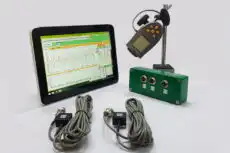
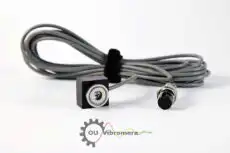
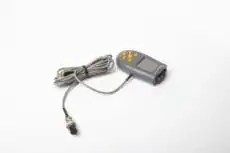
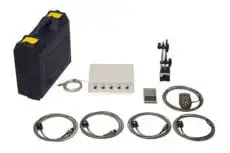
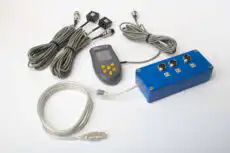
ਧੁਨੀ ਵਿਧੀਆਂ ਦੀਆਂ ਸੀਮਾਵਾਂ ਹਨ: ਇੱਕ SPL ਮੀਟਰ ਸੁਣਦਾ ਹੈ ਹਰ ਚੀਜ਼ ਖੇਤਰ ਵਿੱਚ, ਇਸ ਲਈ ਇੱਕ ਸ਼ੋਰ ਵਾਲੀ ਗੁਆਂਢੀ ਮਸ਼ੀਨ, ਦੀਵਾਰਾਂ ਤੋਂ ਪ੍ਰਤੀਬਿੰਬ ਅਤੇ ਪਲਾਂਟ ਦਾ ਪਿਛੋਕੜ ਸ਼ੋਰ ਸਾਰੇ ਰੀਡਿੰਗ ਨੂੰ ਉਸ ਤਰੀਕੇ ਨਾਲ ਦੂਸ਼ਿਤ ਕਰਦੇ ਹਨ ਜਿਸ ਤੋਂ ਇੱਕ ਸੰਪਰਕ ਸੈਂਸਰ ਬਚਦਾ ਹੈ। ਇਸੇ ਲਈ, ਇੱਕ ਮਕੈਨੀਕਲ ਨੁਕਸ ਦੀ ਪੁਸ਼ਟੀ ਕਰਨ ਲਈ ਅਤੇ ਖਾਸ ਕਰਕੇ ਇਸ ਨੂੰ ਠੀਕ ਕਰਨ ਲਈ, ਇੰਜੀਨੀਅਰ ਸਿੱਧੇ ਵਾਈਬ੍ਰੇਸ਼ਨ ਮਾਪ ਵੱਲ ਮੁੜਦੇ ਹਨ। ਜਦੋਂ ਇੱਕ ਸ਼ੋਰ ਸਰਵੇਖਣ ਅਸੰਤੁਲਨ (unbalance) ਦਾ ਸੰਕੇਤ ਦਿੰਦਾ ਹੈ, ਤਾਂ ਇੱਕ ਪੋਰਟੇਬਲ ਦੋ-ਚੈਨਲ ਵਿਸ਼ਲੇਸ਼ਕ ਜਿਵੇਂ ਕਿ Balanset-1A ਬੇਅਰਿੰਗ 'ਤੇ 1× ਐਪਲੀਟਿਊਡ ਅਤੇ ਫੇਜ਼ ਮਾਪ ਕੇ ਇਸ ਦੀ ਪੁਸ਼ਟੀ ਕਰ ਸਕਦਾ ਹੈ ਅਤੇ ਫਿਰ ਰੋਟਰ ਨੂੰ ਥਾਂ 'ਤੇ ਹੀ ਸੰਤੁਲਿਤ ਕਰ ਸਕਦਾ ਹੈ — ਅਸਲੀ ਮਕੈਨੀਕਲ ਸਰੋਤ ਨੂੰ ਅਲੱਗ ਕਰਕੇ ਜਿਸ ਦਾ ਮਾਈਕ੍ਰੋਫ਼ੋਨ ਸਿਰਫ਼ ਸੰਕੇਤ ਹੀ ਦੇ ਸਕਦਾ ਸੀ।
7. ਮਾਪ ਦੇ ਮਿਆਰ
- IEC 61672: ਧੁਨੀ-ਪੱਧਰ ਮੀਟਰਾਂ ਲਈ ਵਿਸ਼ੇਸ਼ਤਾ।
- ISO 3744: ਧੁਨੀ ਦਬਾਅ ਤੋਂ ਧੁਨੀ ਸ਼ਕਤੀ ਦਾ ਨਿਰਧਾਰਨ।
- ISO 1680: ਘੁੰਮਣ ਵਾਲੀਆਂ ਬਿਜਲਈ ਮਸ਼ੀਨਾਂ ਲਈ ਸ਼ੋਰ ਟੈਸਟ ਕੋਡ।
- ANSI S12.19: ਮਸ਼ੀਨਰੀ ਸ਼ੋਰ ਦਾ ਮਾਪ।
ਵਾਈਬ੍ਰੇਸ਼ਨ ਦੇ ਨਾਲ-ਨਾਲ ਵਰਤੇ ਜਾਣ 'ਤੇ, SPL ਮਸ਼ੀਨ ਦੀ ਸਿਹਤ ਦੀ ਪੂਰੀ ਤਸਵੀਰ ਨੂੰ ਪੂਰਾ ਕਰਦਾ ਹੈ: ਮਾਈਕ੍ਰੋਫ਼ੋਨ ਕਦੇ-ਕਦੇ ਪਹਿਲਾਂਹ ਚਿਤਾਵਨੀ ਦਿੰਦਾ ਹੈ, ਇਹ ਐਕਸੀਲਰੋਮੀਟਰ ਪੁਸ਼ਟੀ ਕਰਦਾ ਹੈ ਅਤੇ ਸਥਾਨੀਕਰਨ ਕਰਦਾ ਹੈ, ਅਤੇ ਇਕੱਠੇ ਮਿਲ ਕੇ ਉਹ ਇਕੱਲੇ ਨਾਲੋਂ ਕਿਤੇ ਵੱਧ ਸੰਪੂਰਨ ਮੁਲਾਂਕਣ ਦਿੰਦੇ ਹਨ।

