Czym są wibracje?





Drgania, w kontekście maszyn, to mechaniczne drgania — powtarzający się ruch wahadłowy — maszyny lub jej elementów wokół położenia równowagi. Pewien poziom drgań jest nieodłącznym zjawiskiem w każdym pracującym urządzeniu, jednak zmiana w obrazie drgań jest często pierwszym i najbardziej niezawodnym sygnałem rozwijającej się usterki. Z tego powodu analiza drgań stanowi fundament diagnostyka wibracji oraz konserwacja predykcyjna: pozwala inżynierowi “wsłuchać się” w maszynę i ocenić jej stan mechaniczny na długo przed tym, zanim usterka stanie się widoczna lub słyszalna.
1. Definicja: Istota wibracji
Każde drganie jest odpowiedzią na działającą siłę. Wirująca maszyna nieustannie generuje małe periodyczne siły, a konstrukcja reaguje na nie drganiami; na wielkość i charakter tych drgań wpływają siła wzbudzająca oraz sztywność, masa i tłumienie. Drgania nie są zatem samym problemem — są objawem, którego wzorzec koduje przyczynę źródłową; analiza drgań polega na rozszyfrowaniu tego wzorca.
2. Kluczowe cechy wibracji
Aby móc analizować drgania, należy je skwantyfikować. Cztery charakterystyki opisują je w sposób kompletny:
- Częstotliwość: jak często powtarza się ruch, mierzona w hercach (Hz) lub obrotach na minutę (CPM). Częstotliwość identyfikuje źródło drgań — niewyważenie, niewspółosiowość, uszkodzenie łożyska — ponieważ każda usterka generuje energię na charakterystycznych częstotliwościach względem prędkość obrotowa.
- Amplituda: jak poważny jest ruch, wskazując na poważność usterki. Amplituda może być wyrażona na trzy sposoby:
- Przemieszczenie: całkowita droga przebyta przez element (w mikrometrach lub milach), najbardziej użyteczna przy niskich częstotliwościach.
- Prędkość: prędkość ruchu (mm/s lub in/s) — parametr najczęściej stosowany do oceny ogólnego stanu technicznego maszyny.
- Przyspieszenie: tempo zmiany prędkości (w g), szczególnie czułe na zdarzenia wysokoczęstotliwościowe, takie jak usterki przekładni i łożysk.
- Faza: pomiar czasu opisujący, w którym miejscu cyklu znajduje się drgający element względem innego elementu lub stałego odniesienia, takiego jak Keyphasor impuls. Faza jest niezbędna do diagnozowania niewspółosiowości i wygięcia wału. Stanowi ona podstawę wyważania wirnika, znanego również jako równoważenie.
- Kierunek: drgania występują we wszystkich kierunkach, dlatego odczyty wykonuje się w poziomie, pionie i wzdłuż osi, aby uzyskać pełny obraz ruchu maszyny.
3. Źródła drgań maszyn
Kilka stanów mechanicznych odpowiada za zdecydowaną większość drgań w przemyśle, a większość z nich ujawnia się poprzez charakterystyczny wzorzec częstotliwości i fazy:
- Niewyważenie: nierównomierne rozłożenie masy względem osi obrotu — “ciężkie miejsce” — powodujące silną odpowiedź na częstotliwości 1×.
- Niewspółosiowość: osie dwóch sprzężonych wałów nie są współliniowe, co zwykle powoduje wzrost składowych 1× i 2×.
- Luz mechaniczny: zużyte lub obluzowane śruby, łożyska lub mocowania fundamentów, często generując wiele harmoniczne.
- Wady łożysk: uszkodzenia bieżni lub elementów tocznych, pojawiające się przy częstotliwości uszkodzeń łożysk.
- Uszkodzenia zębatek: zużyte, wyszczerbione lub źle ustawione zęby, wzbudzające częstotliwość zazębienia oraz jego pasma boczne.
- Rezonans: częstotliwość wymuszająca pokrywająca się z częstotliwością własną elementu’ częstotliwość drgań własnych, gwałtownie wzmacniając drgania.
- Problemy elektryczne: usterki silnika, takie jak pęknięte pręty wirnika lub ekscentryczna szczelina powietrzna.
4. Dlaczego pomiar drgań ma znaczenie
Systematyczny pomiar i analiza drgań przynoszą cztery konkretne korzyści w zakresie utrzymania ruchu maszyn przemysłowych:
- Wczesne wykrywanie usterek: problemy są wykrywane na długo przed tym, zanim staną się widoczne, słyszalne lub spowodują wtórne uszkodzenia.
- Analiza przyczyn źródłowych: zawartość widma częstotliwościowego precyzyjnie wskazuje konkretny mechanizm usterki, umożliwiając ukierunkowaną naprawę zamiast działania metodą prób i błędów.
- Bezpieczeństwo: Monitorowanie drgań pomaga zapobiegać poważnym awariom, które mogą zagrażać personelowi i środowisku.
- Efektywność: maszyny pracujące płynnie pobierają mniej energii i zapewniają wyższą jakość produkcji.
5. Pomiar i ocena drgań w warunkach eksploatacyjnych
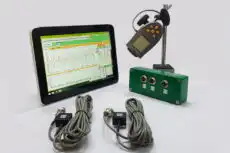
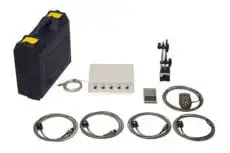
W warunkach eksploatacyjnych akcelerometr jest mocowany do obudowy łożyska, a jego sygnał jest przetwarzany przez FFT do widmo, rozdzielając odczyt wypadkowy na poszczególne częstotliwości ujawniające każdą usterkę. Zmierzona intensywność drgań jest następnie porównywana ze strefami dopuszczalności według normy ISO 20816 (następca normy ISO 10816). Gdy dominującym składnikiem jest niewyważenie 1×, ten sam przyrząd, który je mierzy, może je również skorygować: przenośny dwukanałowy analizator drgań, taki jak Balanset-1A rejestruje amplitudę i fazę w łożyskach własnych maszyny oraz prowadzi przez korektę wyważania na miejscu, a następnie ponownie mierzy, aby potwierdzić, że drgania obniżyły się do wartości mieszczących się w tolerancji — zamykając pętlę od diagnozy do potwierdzonej naprawy.

