Holospectrum ஐ புரிந்துகொள்ளுதல்
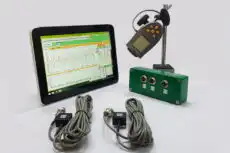




Holospectrum — முழு நிறமாலை என்றும் அழைக்கப்படுகிறது — சுழல் இயக்கம்ஐ அளவீடு செய்வதற்கான பூரணமான அதிர்வெண் பகுப்பாய்வு நுட்பம் ஆகும் rotor dynamics இது ஒரு சமயத்தில் X மற்றும் Y (கிடைமட்ட மற்றும் செங்குத்து) ஆகியவற்றை செயலாக்குகிறது vibration தண்ட இயக்கத்தை பிரிப்பதற்கான அளவீடுகள் forward முன்னேற்ற சுழற்சி (சுழற்சியின் அதே திசையில் சுற்றுகிறது) மற்றும் backward பின்நோக்கு சுழற்சி (சுழற்சிக்கு எதிரான திசையில் சுற்றுகிறது). வழக்கமான spectrumஇதுவும் அதிர்வின் அளவை மட்டுமே காட்டுகிறது, holospectrum நேர்மறை அதிர்வெண்கள் (முன்னேற்ற) மற்றும் எதிர்மறை அதிர்வெண்கள் (பின்நோக்கு) இரண்டையும் காட்டுகிறது. அந்த கூடுதல் பரிமாணம் ரோட்டரின் சுற்றுப்பயண இயக்கத்தின் திசை பற்றிய முழுமையான தகவலை வழங்குகிறது — இந்த தகவல் অস்திரத்தனத்தை கண்டறிய, கட்டாய அதிர்வனத்திலிருந்து தன்-உத்தেজக அதிர்வனத்தை பிரிப்பதற்கு, மற்றும் ரோட்டர்-গतिশীல வರத்தை வகைப்படுத்துவதற்கு தீர்க்கமாக உள்ளது.
இந்த நுட்பம் முக்கியமாக பயன்படுத்தப்படுகிறது 근접 탐침 அளவீடுகள் (XY இணைகள்) முக்கியமான தொழிற்சுழல் இயந்திரங்களில், அங்கு இது நிலையான ஒற்றை-அச்சு நிறமாலைகளে முற்றிலும் கண்ணுக்கு தெரியாத நிகழ்வுகளைக் காட்டுகிறது. இது விசையாழ்ச்சி, சுংக்ரியாகள் மற்றும் மின்னியங்கங்களில் சிக்கலான அதிர்வனத்தை பிரச்சனைகாளாய் செய்யும் ரோட்டர்-গতிசாস்திரம் நிபுணர்களுக்கான ஒரு வல்லுமை-நிலை கருவியாகும்.
1. கோட்பாட்டு அடிப்படை
முன்னேற்ற எதிர் பின்நோக்கு சுழற்சி
முழு நுட்பம் ஒரு ধারணையில் திரும்புகிறது: தண்ட மையம் ஒரு சுற்று வளைவை சுற்றுகிறது, orbitமற்றும் அந்த சுற்று பயணத்திற்கு ஒரு திசை உள்ளது.
- முன்னோக்கு பூர্வ சஞ்சரணம்: தண்ட மையம் தண்ட சுழற்சியின் அதே திசையில் சுற்றுகிறது — வெகு பொதுவாக இருக்கும் நிகழ்வு.
- பின்நோக்கு சுழற்சி: தண்ட சுழற்சி திசைக்கு எதிரான திசையில் சுற்றுகிறது, இது குறிப்பிட்ட, பெரும்பாலும் கடுமையான, பிரச்சனைகளை சமிக்ஞை செய்கிறது.
- Significance: சுழற்சি திசை நேரடியாக உத்தేજனங்கு வழிமுறையை சுட்டிக்காட்டுகிறது, மற்றும் எனவே பழுதின் வகையை.
நிலையான நிறமாலையின் வரம்பு
- ஒரு நிலைய FFT முன்னோக்கு மற்றும் பின்னோக்கு ப்ரிசெஷன் வேறுபடுத்த இயலாது.
- இரண்டும் தி ப்ளாட்டில் ஒரே அதிர்வெண் கூறு இருக்கும்.
- திசை தகவல் வெறுமனே இழக்கப்படுகிறது.
- அது விளக்கத்தில் ஒரு உண்மையான உறுப்புணர்வு விட்டுவிடுகிறது — இரண்டு மிகவும் வெவ்வேறு நிலைகள் ஒரே மாதிரி தோன்றும்.
ஹோலோ நிறமாலை அதை எவ்வாறு தீர்க்கிறது
- இது X மற்றும் Y அளவீடுகளை ஒருவர் பின்னொருவர் சிகரிக்காமல் ஒன்றாக செயல்படுத்துகிறது.
- இது கணித ரீதியாக திசை கூறுகளை பிரிக்கிறது.
- முன்னோக்கு ப்ரிசெஷன் நேர்மறை அதிர்வெண்ணாக மேப் செய்யப்படுகிறது.
- பின்னோக்கு ப்ரிசெஷன் எதிர்மறை அதிர்வெண்ணாக மேப் செய்யப்படுகிறது.
- ফলাফল ரோட்டারின் இயக்கத்தின் ஒரு முழுமையான வகைப்பாடு, எந்த திசை உறுப்புணர்வு ছাড়াই।
2. பயன்பாடுகள் மற்றும் நோயறிதல்
திசை வழிமுறையை குறிப்பதால், ஹோலோ நிறமாலை அதன் மிகவும் சக்திশாலி ஆக இருக்கிறது ஒரு குறை எவ்வளவு என்று நிலையிலிருந்து மாறாக சாஃப்ட் நகர்கிறது என்று வரையறுக்கப்பட்டபோது.
நிறுத்தத்தன்மை நோயறிதல்
- எண்ணெய் சுழல் மற்றும் சாட: எதிர்மறை அதிர்வெண்ணில் தோன்றும், ஆரம்ப অস্থिरता சிறப்பியல்பு பின்னோக்கு ப்ரিசெஷன் காட்டி.
- Steam whirl: shows as a sub-synchronous பின்னோக்கு கூறு.
- Identification: ஹோலோ நிறமாலை உடனடியாக ஒரு உறுப்புணர்வை சாதாரண மற்றும் பிரிக்கிறது unbalance — வேறு எந்த வழி மிகவும் மெதுவாக செய்ய முடியாத ஒரு வேறுபாடு.
கட்டாய மற்றும் சுய-உत்தேजित அதிர்வு
- சீரற்ற நிலை (கட்டாய): 1× இல் வலுவான முன்னோக்குக் கூறு, குறைந்தபட்ச பின்னோக்குக் கூறு.
- நிலையற்றுமை (சுய-தூண்டப்பட்ட): குறிப்பிடத்தக்க பின்னோக்குக் கூறு.
- Distinction: முழு-நிறமாலையில் தெளிவாக, நிலையான நிறமாலையில் தெளிவுபடுத்த முடியாது — பார்க்கவும் சுழலி অস্திரத்தன்மை அடிப்படையான இயக்கவியலுக்கு.
சுழலி உராய்வு সনাক்తকरण
- Rubbing பெரும்பாலும் பின்னோக்குக் கூறுகளை உருவாக்குகிறது.
- தொடর்புப் புள்ளியில் உள்ள உராய்வு விசைகள் தலைகீழ் முன்நோட்டத்தை இயக்குகின்றன.
- முழு-நிறமாலை உராய்வு-சம்பந்தமான பின்நோக்கு இயக்கத்தை நேரடியாக வெளிப்படுத்துகிறது.
சுழல் விளைவுகள்
- முன்னோக்கு மற்றும் பின்னோக்கு whirl பயனுறு பல்வேறு அதிர்வெண்களுக்கு பிரிந்து செல்கின்றன ஜைரோஸ்கோபிய விளைவு.
- முழு-நிறமாலை இரு பயனுறுப்பிரான்ப்புகளை தெளிவாகவும் தனித்தனியாகவும் காட்டுகிறது.
- இது ஒரு சுழலி-ஐதரவியக் மாதிரியை நাস்தியக்குப் பதிப்படுத்துவதற்கான ஒரு சக்திவாய்ந்த வழி.
3. தரவு தேவைகள்
XY அளவீட்டு இணையொளி
- இரண்டு செங்குத்தான அதிர்வு அளவீடுகள் தேவை — ஒரு ஒற்றை-சேனல் குறுக்குவழி இல்லை.
- அவை பொதுவாக XY근접-சோதனை ஜோடியிலிருந்து வருகின்றன.
- இரண்டு சோதனைகளும் 90° தொலைவாக இடத்தளவாக ஏற்றப்பட வேண்டும்.
- இரு சேனல்களின் ஒரிணைக் மாதிரியீடு அவசியம்.
Relative Phase
- X மற்றும் Y க்கு இடையிலான சதுரமுட்ட உறவுதான் திசையை தீர்மானிக்க உதவுவதாக உள்ளது.
- X ஆனது Y ஐக் காட்டிலும் 90° முன்னிலத்திலிருந்தால், பூர்வ நோக்குப் பரிசரணை ஆகும்.
- X ஆனது Y ஐக் காட்டிலும் 90° பின்னிலத்திலிருந்தால், பின்நோக்குப் பரிசரணை ஆகும்.
- Phase கண்மைத் தியுரை முக்கியமாக விளங்குகின்றது — இங்குள்ள பிழை ஹோலோ நோக்குப் பரம்பரை இருப்பது அளவிட விரும்பியதை பழுதுறுத்தக்கூடும்.
4. காட்சியைப் படிதல்
ஹோலோ நோக்குப் பரம்பரை அமைப்பு
- கிடைமட்ட அச்சு: நிறுவன — பூர்வ நோக்குக்கு நேர்மறை, பின்நோக்குக்கு எதிர்மறை।
- Vertical axis: amplitude.
- நடுவில் பூஜ்ஜியம்: பூஜ்ஜிய நிறுவனம் வரைபடத்தின் நடுவில் உள்ளது।
- Right side: முன்நோக்கிய முன்னோடி கூறுகள் (+1×, +2×, மற்றும் பல).
- Left side: பின்நோக்கிய முன்னோடி கூறுகள் (−1×, −2×, மற்றும் பல).
வழக்கமான பாங்குகள்
Healthy Rotor
- மீதமுள்ள சமநிலையின்மை இருந்து +1× இல் பெரிய பூர்வ கூறு।
- சிறிய அல்லது வெறும் பின்நோக்கு கூறுகள்।
- வழக்கமான, கட்டாய அதிர்வத்தின் கையெழுத்து।
Oil Whirl
- எதிர்மறை உப-ஒத்திசைவு நிறுவனத்தில் குறிப்பிடத்தக்க கூறு।
- உதாரணமாக −0.45× — பின்நோக்கு, சுழலி வேகத்தின் சுமார் 45% இல்।
- ஒரு தாங்கு-உணர்வளிப்பு உறுதிசெய்யுமின்மையின் நோயறிதல் கால்வடிப்பு இருக்கை தாங்கி.
Misalignment
- வலுவான +2× பூர்வ கூறு।
- குறைந்த பின்நோக்கு பொருள்।
- அது நிரூபிக்கிறது misalignment கட்டாய, சுயத்தூண்டிய அல்ல, அதிர்வத்தைக் கூறுகின்றது।
5. Advantages
தரக்குறிப்பு தெளிவுநிலை
- நிலைமாற்றத்தை சமநிலையின்மையிலிருந்து ஒரேயடியாக வேறுபடுத்துகிறது.
- சுழலிக்கோப்பு நிலைமைகளை கண்டறிகிறது.
- ஒற்றை அச்சு பகுப்பாய்வைத் தோற்கடிக்கும் சிக்கலான சுழலி இயக்கத்தை வகைப்படுத்துகிறது.
- தரக்குறிப்பு உறுதியின்மையை வெறுமனே குறைப்பதற்குப் பதிலாக நீக்குகிறது.
Completeness
- சுற்றுப்பாதை இயக்கம் பற்றிய முழுமையான தகவல் வழங்குகிறது.
- ஒற்றை அச்சு பகுப்பாய்வில் போல் எந்த தகவலும் நீக்கப்படுவதில்லை.
- இதன் ফলம் முழுமையான சுழலி-இயக்கவியல் படமாகும்.
6. Limitations
இதற்கு XY அளவீடுகள் தேவை
- இதை ஒற்றை அச்சு தரவுக்குப் பயன்படுத்த முடியாது.
- இதற்கு근접-অনুভূতி ஜோடிகள் அல்லது ஒருங்கிணைந்த accelerometers.
- இது மேலும் கருவிகள் மற்றும் அதிக செலவு என்று பொருள்.
Complexity
- இது ஒரு நிலையான நிறமாலை பகுப்பாய்விற்கு விட அதிக சிக்கலானது.
- இது முன்னணியின் செயல்பாட்டு புரிதலை கோருகிறது.
- இதன் விளக்கத்திற்கு உண்மையான நிபுணத்வம் தேவை.
- இது ஒரு வழக்கமான, நாளாந்த பகுப்பாய்வு நுட்பம் அல்ல.
பயன்பாட்டின் வரம்பிற்குட்பட்ட களம்
- இது முதன்மையாக சுழலி-இயக்கவியல் பிரச்சினைகளை குறிக்கிறது.
- இது குறைவாக பயனுள்ளதாக இருக்கிறது தாங்கு குறைபாடுகள் அல்லது gear faults.
- இது ஒரு சிறப்பு கருவியாக இருக்கிறது, ஒரு பொது-நோக்க கருவி அல்ல.
7. Holospectrum எப்போது பயன்படுத்த வேண்டும் — மற்றும் எப்போது பயன்படுத்த கூடாது
பொருந்தக்கூடிய சந்தர்ப்பங்கள்
- சந்தேகத்துக்குரிய ரோட்டர் உறுதিப்பற்றாமை.
- சப்-சிங்க்ரோனஸ் அதிர்வনம் விசாரணை.
- சந்தேகத்துக்குரிய ஒன்றும் மோதுவதற்கான (rub) நির்ணயம்.
- முக்கியமான turbo machinery வின் சிக்கலறிவு.
- ரோட்டர்-இயக்க மாதிரிகளை அளக்கப்பட்ட நடத்தைக்கு எதிராக சரிசெய்தல்.
Not Needed For
- வழக்கமான சமநிலையற்றது அல்லது misalignment, இது நிலையான முறைகள் நன்றாக கையாளும்.
- தாங்கி-குறைபாடு பகுப்பாய்வு.
- ஒற்றை-அச்சு அளவீடுகள், இதை கணக்கிட முடியாது.
- பொதுவான machinery ஆய்வுகள்.
8. Holospectrum மற்றும் வழக்கமான இல்-situ சமநிலைப்படுத்தல்
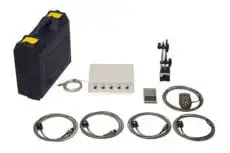
holospectrum தினசரி வேலைகளுடன் தொடர்புடைய இடத்தைப் பற்றி স্পष்டமாக இருக்க வேண்டும். ஒரு பொறியாளர் சந்திக்கும் பெரும்பாலான ரோட்டர் சிக்கல்கள் சாதாரண சமநிலையற்றது, இல-situ இல் Balanset போன்ற போர்டபுல் டூ-சேனல் கருவி மூலம் சரிசெய்யக்கூடியது Balanset-1A, இது 1× அலைவீச்சு மற்றும் கட்ட வாசிப்பு கணினியின் சொந்த தாங்கியில் மற்றும் சரிசெய்கிறது மீதமுள்ள ஏற்றத்தாழ்வு against the ISO 21940-11 தரங்கள். Holospectrum சமநிலைப்படுத்தல் சிக்கலை தீர்க்க தோல்வியடையும் போது மட்டுமே நுழைகிறது — ஒரு பிடிப்புள்ள சப்-சிங்க்ரோனஸ் அல்லது பின்னோக்கு கூறு ஒரு உறுதிப்பற்றாமை அல்லது ஒரு மோதுவதற்கான (rub) ஐ பரிந்துரைக்கிறது, விட ஒரு கனமான புள்ளி பதிலாக. அந்த பொருளில் இரண்டு பরிপূரணமாக உள்ளன: வழக்கமான சமநிலைப்படுத்தல் பொதுவான குறைபாடுகளை அனுப்புகிறது, மற்றும் holospectrum உண்மையான ரோட்டர்-இயக்க puzzles பதிவுசெய்யப்பட்ட நீதிபதி அல்லது விடப்பட்டுள்ளன.
சுருக்கமாக, holospectrum பகுப்பாய்வு ஒரு மேம்பட்ட ரோட்டர்-இயக்க நுட்பம் சமர்ப்பணை மற்றும் பின்னோக்கு சங்கீர்த்தனம் பிரிப்பதன் மூலம் orbital இயக்கம் ஒரு முழுமையான பிரமாணத்தை கொடுக்கிறது. இது XY instrumentation மற்றும் உண்மையான দক்ষতை கோரப்பட்டது, ஆனால் பதிலாக இது நির்ணয়ம் நுண்ணறிவு crunching ஒற்றை-அச்சு spectral பகுப்பாய்வு unobtainable இருப்பது —அதாவது instabilities மற்றும் rubs வை குறிப்பாக — vital பொறி சிக்கல் ரோட்டர்-இயக்க specialist வேலை சிறப்பு turbomachinery மாற்றும்.

