ISO 14694 — 動平衡品質與振動 工業風機專用
工業風機葉輪動平衡校正(BV 類別)與運轉振動接受限值(振動限值)的專屬標準 — 針對離心式、軸流式與混流式風機,量身調整 ISO 1940 與 ISO 10816。

風機葉輪平衡公差 (BV)
根據 ISO 14694 BV 類別計算允許的殘餘不平衡
結果 — ISO 14694
葉輪平衡公差及各平面數值
以查看平衡公差
BV 類別 — 葉輪平衡品質
ISO 14694 透過五個 BV(平衡振動)類別,將風機應用對應至 ISO 1940 G 級別
| BV 類別 | 平衡等級 | 方向 | 實際意義 |
|---|---|---|---|
| BV-1 | G 16 | 要求最低 | 最寬鬆的平衡公差 |
| BV-2 | G 16 | 基本/一般 | 與 BV-1 相同的平衡等級;依應用情境選用 |
| BV-3 | G 6.3 | 標準工業 | 工業風機常見的合約預設值 |
| BV-4 | G 2.5 | 高品質 | 更嚴格的平衡公差 |
| BV-5 | G 1.0 | 最嚴格 | 精密風機應用;最嚴格的平衡公差 |
| 主題 | 正確解讀 | 現場使用 |
|---|---|---|
| 類別方向 | BV-1 要求最低;BV-5 最嚴格 | 切勿將 BV-1 描述為精密級,或將 BV-5 描述為非關鍵級 |
| 平衡計算 | 使用上述 BV 對應關係中的 G 值 | 依最大運轉速度計算,而非平衡機速度 |
| 振動驗收 | ISO 14694 限值取決於 BV 類別、剛性/彈性支撐,以及廠內測試與現場測試的差異 | 在採購規範中明確標示 BV 類別與驗收條件 |
什麼是 ISO 14694?
ISO 14694 (工業風機 — 平衡品質與振動等級規範)是針對 ISO 1940 G 級別 與 ISO 10816 振動分區 工業風機量身訂做的標準。它定義了 BV 風機應用類別 (BV-1 至 BV-5)。這些類別同時用於平衡等級的選擇與振動限值的選擇。標準預設值為 BV-3 (G 6.3) 用於平衡,以及 規範限值(≤ 4.5 mm/s RMS) 用於振動驗收。
風機是工業中最常見的旋轉機械,但具有獨特的特性——大直徑葉輪、顯著的空氣動力、常為懸臂式轉子配置,以及高度多變的運轉環境——因此需要專屬標準。ISO 14694 透過提供應用專屬的 BV 類別與振動限值表,消除了將通用標準套用於風機時的歧義,可直接用於採購規範與驗收測試。
該標準涵蓋所有類型:離心式(徑流式)、軸流式、混流式及橫流式風機,適用於所有尺寸的固定式陸上用途。排除航空器、氣墊船及類似之特殊應用。
兩部分結構
ISO 14694 在邏輯上分為兩個互補的部分,對應其兩個類別系統:
- 第一部分 — BV(平衡品質): 規定 風機葉輪單獨在組裝前,允許的剩餘不平衡量。在 動平衡機.
- 第二部分 — 振動驗收(振動限值): 規定 完整組裝風機的最大運轉振動。根據 ISO 10816 方法論,在運轉期間透過軸承座測量進行驗證。
平衡品質要求(BV 類別)
BV 類別規定風機葉輪作為獨立組件時的最大允許剩餘 不平衡 不平衡量。每個 BV 類別直接對應一個 ISO 1940-1 G 級別。此對應關係是 ISO 14694 的關鍵貢獻:它透過提供針對風機的具體指導,消除了選擇正確 G 級別的猜測。
選擇正確的 BV 類別
- BV-1 (G 16): ISO 14694 要求最低的類別。切勿將其簡稱為精密風機。
- BV-2 (G 16): 一般/基本類別,與 BV-1 具有相同的平衡品質等級,但應用/振動情境不同。
- BV-3 (G 6.3): 工業風機的 絕大多數 的標準 — 離心式與軸流式、HVAC 送風/回風、製程通風。若合約未指定 BV 類別,則以此為預設值。
- BV-4 (G 2.5): 高品質/關鍵風機類別,平衡公差比 BV-3 更嚴格。
- BV-5 (G 1.0): 適用於精密應用的最嚴格類別。這是 ISO 14694 中最嚴格的平衡公差。
公差必須在 最大運轉速度。許多葉輪是在低速機上以 300–600 RPM 進行動平衡校正,但公差計算必須使用實際運轉速度(例如 1 480 RPM)。使用動平衡機的速度會產生危險地寬鬆的公差。
單平面與雙平面動平衡校正
ISO 14694 遵循 ISO 21940-12 的指引:窄葉輪(寬度/直徑 L/D < 0.5,大多數離心風機皆屬此類)需要 單平面 動平衡校正 — 完整 Uper 適用於單一平面。寬葉輪或長軸流風機轉子(L/D ≥ 0.5)需要 雙平面動平衡校正 — Uper 分配於各校正平面(對稱轉子均等分配,非對稱轉子按比例分配)。
運轉振動限值
振動限值定義了最大容許寬頻 RMS 振動速度 (mm/s),在設計速度與負荷下,於完整風機的軸承座上測得,頻率範圍為 10–1 000 Hz,依據 ISO 10816-1 方法論,在運轉期間透過軸承座測量進行驗證。
剛性與彈性基礎
與 ISO 10816 相同,ISO 14694 承認支撐結構對測得振動有關鍵影響:
- 剛性: 風機安裝於大型混凝土或重型鋼結構上。風機-基礎系統的第一 自然頻率 高於 1× RPM。振動讀數較低。
- 柔性: 風機安裝於彈簧隔振器、橡膠墊或輕型鋼平台。第一自然頻率低於 1× RPM。振動讀數較高 — 但傳遞至建築物的力較低。
部分規範允許彈性安裝風機採用高一級的BV振動類別(例如同一應用中,由剛性安裝規定限值→彈性安裝規定限值)。
完美動平衡校正的葉輪(符合 BV-3)並 不 保證組裝完成的風扇符合指定限值。運轉振動取決於葉輪平衡以外的許多因素:軸 不對心, 軸承狀況、基礎 共振、氣動力(進氣畸變、風門位置)、皮帶張力以及聯軸器狀況。BV 是振動驗收的必要條件,但並非充分條件。
風機振動的空氣動力來源
與大多數旋轉機械不同,風機與氣流動態互動,產生風機特有的振動來源:
- 葉片通過頻率(BPF): 每臺風機都會在 BPF = 葉片數 × RPM ÷ 60 產生振動。過高的 BPF 振幅表示間隙問題、入口扭曲或導葉互動。
- 入口扭曲: 靠近入口的彎頭、風門或障礙物會造成非均勻氣流 → 週期性葉片負載 → 諧波 軸速度的倍頻。
- 失速與喘振: 遠離設計工況點運轉會導致空氣動力不穩定——葉片失速或系統喘振,產生寬頻振動與噪音。
- 物料堆積: 在除塵器與水泥廠中,葉片上不均勻的積垢會造成漸進性的不平衡。一台在調試時符合BV-3標準的風機,可能在數週內就超出規定的振動限值。
驗收測試 — 兩階段驗證
第一階段:葉輪動平衡驗證(BV)
葉輪在經校準的動平衡機上 組裝前進行動平衡校正。程序如下:
- 將葉輪安裝於動平衡機心軸或其自身軸承上
- 執行單平面或雙平面動平衡校正(取決於 L/D 比值)
- 將殘餘不平衡降至 Uper 以下,以符合指定 BV 類別
- 記錄:初始不平衡、所加校正配重、最終殘餘不平衡
- 通過標準: 最終殘餘 ≤ Uper (指定 BV)
階段 2:運轉振動測試(振動驗收)
組裝與安裝後,在運轉條件下測試風機:
- 在軸承座上安裝振動感測器 — 每個軸承三個正交方向(V、H、A)
- 以設計速度與工況點運轉風機;等待熱穩定(15–30 分鐘)
- 記錄 10–1 000 Hz 範圍內的寬頻 RMS 速度(mm/s)
- 通過標準: 任一軸承、任一方向的最高單一讀數 ≤ BV振動類別限值
雖然驗收是基於整體 RMS,但始終要記錄 FFT 頻譜 在調試期間。如果風機日後出現問題,與基線頻譜的比較對於診斷極具價值。 Balanset-1A 會自動記錄整體 RMS 和完整頻譜。
風機葉輪的現場動平衡
許多工業風機必須就地平衡——原因可能是葉輪太大而難以拆卸,也可能是由於積垢、腐蝕或葉片損傷而在運行中失去平衡。ISO 14694間接支持將現場動平衡作為維持BV值與振動驗收合規性的實務方法,貫穿風機整個運行壽命。
何時需要現場動平衡
- 風扇振動超過指定振動限值,且 FFT 頻譜顯示主導性 1×(不平衡)分量
- 物料堆積已改變葉輪自調試以來的平衡狀態
- 進行了葉片修復、葉片更換或防磨襯板更換
- 葉輪無法在不進行重大拆卸的情況下拆除(渦殼內的離心風機)
- 生產排程無法配合長時間停機以進行車間平衡
使用 Balanset-1A 的程序
- 設定: 將振動感測器安裝於軸承座(徑向),雷射測速儀對準軸。選擇單平面(F2)或雙平面(F3)模式。
- 初始運轉: 記錄基線振動——1× 軸速下的振幅與相位。範例:135° 時 8.2 mm/s。
- 試重: 在可及的葉片或輪轂上安裝已知質量(例如 20 g)。再次運轉,記錄新向量。例如:5.5 mm/s,角度 210°。
- 校正: 軟體計算所需質量與角度。範例:「於 285° 添加 35 g。」提供葉片安裝用的配重分割功能。
- 驗證: 最終運轉確認殘餘振動低於規定振動限值。典型結果:經一次校正循環後為 1.0–2.0 mm/s。
大多數離心風機葉輪足夠窄,適合 單平面 平衡(Balanset F2 模式)。寬葉輪、多級風機和長軸流風機需要 雙平面 (Balanset F3 搭配兩個感測器)。快速測試:測量兩個軸承——如果振幅或相位有顯著差異,請使用雙平面。
案例研究 — ISO 14694 的實務應用
風機: 離心式 HVAC 送風機,22 kW,1 460 RPM,葉輪質量 38 kg,剛性混凝土基座上的直驅式。
規格: BV-3(G 6.3),規定限值(≤4.5 mm/s)。
BV 公差: Uper = 9 549 × 6.3 × 38 / 1 460 = 1 566 g·mm 總計 → 每平面 783 g·mm。
平衡檢查: 工廠證書:殘餘不平衡 420 g·mm — 遠低於 1 566 g·mm 限值。✅
振動驗收測試: 最高讀數:3.8 mm/s(水平方向,驅動端軸承)。符合4.5 mm/s的規定限值。✅
基線頻譜: 24.3 Hz 處有清晰的 1×,170 Hz 處有微小的 BPF(7 片葉片)。風機狀況良好。
風機: 徑向葉片集塵風機,30 kW,1 750 RPM,葉輪 40 kg,剛性基座。
問題: 振動從調試時的3.5 mm/s,於6個月後增長至9.8 mm/s。規定的BV-3振動限值→ 超過.
診斷: Balanset-1A FFT:29.2 Hz 處有主導的 1× 峰值 = 軸轉速。2× 或其他諧波極小。根本原因:葉片上粉塵堆積不均。
處置: 清潔葉片,使用 Balanset-1A進行現場動平衡。試重 15 g,計算出的校正配重為 195° 處的 28 g。平衡後: 1.3 mm/s。✅
建議: 為物料處理風機安排季度清潔與重新平衡。
風機: 離心式屋頂排風機,15 kW,2 940 RPM,葉輪 8 kg,彈簧隔振器(柔性)。
問題: 整體振動 12.5 mm/s。現場動平衡將 1× 從 7.0 降至 1.5 mm/s,但整體僅降至 10.8 mm/s。
診斷: FFT 顯示 343 Hz 處有強烈的 7× 峰值 = 8.5 mm/s(BPF,7 片葉片 × 49 Hz)。風機機殼 自然頻率 在約 340 Hz 處 — 共振。
根本原因: 進氣口前緊接著 90° 彎頭 → 進氣速度不均 → BPF 激振 → 機殼共振放大。
解決方案: 安裝進氣導葉並將彎頭移至更上游。BPF 降至 2.1 mm/s。整體: 3.2 mm/s。✅
此案例說明了為何僅符合 BV 並不能保證符合振動驗收 — 空氣動力因素會獨立於平衡品質產生振動。
與其他標準的關係
ISO 14694 並非孤立存在——它引用並建立在多項國際標準之上:
- ISO 1940-1 / ISO 21940-11: BV 類別所引用的 G 等級系統。ISO 14694 為每種風機類型選擇適當的 G 等級。
- ISO 10816-1 / ISO 20816-1: 通用振動測量方法論。振動限值源自ISO 10816分區,並與其相容。
- ISO 10816-3: 15–300 kW 工業機械。此範圍內的風機可使用任一標準,但 ISO 14694 提供更具體的風機指導。
- ISO 5801: 風機性能測試。振動驗收測試所參照的運行條件,即來自本標準。
- ISO 13347: 風機聲學(噪音)。相關但獨立——降低振動通常會減少噪音傳播。
- AMCA 204: 北美風機振動標準。範圍相似;符合其中一項者通常也符合另一項。
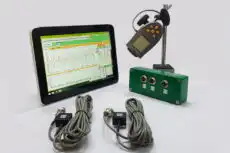
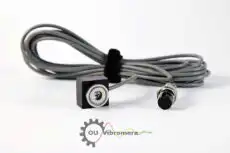
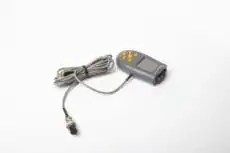
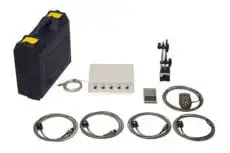
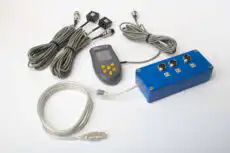
Balanset-1A 便攜式平衡儀提供:雙通道振動測量(同時測量兩個軸承)、內建 ISO 1940 / ISO 14694 公差計算器、單平面與雙平面 動平衡校正 模式、葉片安裝配重的校正配重分割, FFT 頻譜分析 用於故障診斷,以及測振儀模式用於振動驗收測量。該 Balanset-4 將此擴展至四通道,適用於複雜的多軸承風機組件。
官方標準: ISO 14694 於 ISO Store →
本頁內容
BV 公差計算器 BV 類別卡片 振動驗收 振動限值 什麼是 ISO 14694? 平衡品質 (BV) BV 選擇指南 公差公式 單平面與雙平面 振動限值(振動驗收) 振動限值 氣動來源 測試程序 現場動平衡 案例研究 (3) 相關標準 常見問題 (7 個問題)常見問題 — ISO 14694
關於風扇平衡品質(BV)與振動驗收(vibration acceptance)的常見問題

