Razumevanje Postamenata Ležajeva





A postament ležaja — poznat i kao nosač ležaja, standard ležaja ili potporni blok — je strukturni element koji podržava i pozicionira ležaj, podiždući ga na ispravnu visinu i pružajući krut, stabilan montažni punkt. Postament povezuje kućište ležaja sa baznom pločom mašine ili temeljom, prenosećidao u temelj statičke opterećenje iz težine rotora zajedno sa dinamičkim opterećenjima proizvedenim od vibracija i neuravnoteženost u temelj. Iako se retko pomera i lako može prevideti, postament je jedan od najuticajnijih delova svake sistema rotor-ležaja: njegova krutost i strukturna integrnost direktno upravlja poravnanjem ležaja, kritične brzine, prenosom vibracija i ukupnom pouzdanošću mašine. Slabi, labavi ili naprsli postamenti su među najčešćim izvorima vibracija mašina i perzistentnih problema sa poravnanjem.
1. Definicija i Uloga u Mašini
Funkcionalno, postament se nalazi u putanji opterećenja između rotirajućeg vratila i tla. Težina rotora prolazi kroz čunivni ležaj ili ležaj sa kugličnim telima u kućište, zatim u postament, i konačno u baznu ploču, malter i betonski temelj. Bilo koja fleksibilnost, labavost ili pukotina bilo gde duž te lanaca pojavljuje se na ležaju kao dodatno kretanje — što je razlog što je dijagnostika visokih vibracija tako često završava na postamentu umesto na rotoru.
Pošto postament takođe fiksira gdje ležaj se nalazi u prostoru, ono ujedno služi i kao primarna referenca za centriranje cijele mašine. Postolje koje se pomjerilo, slegnulo ili deformisalo izbaciće vratilo iz linije jednako sigurno kao loše izrađena spojnica, proizvodeći klasične simptome 1× i 2× kod neporavnanje.
2. Tipična Konstrukcija i Materijali
Komponente
- Vertikalni stub za podršku: glavni strukturni element koji obezbeđuje podizanje.
- Montažna površina kućišta ležaja: gornja površina ili platforma na koju se ležajno kućište vijčuje.
- Površina za montažu baze: donja strana pričvršćena na baznu ploču ili temelj.
- Ojačanja ili zagrade: strukturno ojačanje koje povećava krutost bez dodavanja pretjerane mase.
- Rupe za vijke: za pričvršćivanje kućišta ležaja na vrhu i učvršćivanje postolja na bazi.
- Mogućnosti podešavanja: šimse, vijci za podizanje ili utori koji omogućavaju pomicanje ležaja tijekom poravnanja.
Materijali
- Sivi liveno gvožđe: najčešći izbor — dobar svojstveni prigušenje, dimenzionalno stabilan i ekonomičan.
- Čelik (proizvedeni ili lijevani): veća čvrstoća za teške opterećenja i prilagođene geometrije.
- Nodularno liveno gvožđe: bolja otpornost na udarce od sivog lijevanog željeza.
- Beton: masivna postolja lijevana za velike turbine i slična teška oprema.
3. Zašto je krutost postolja bitna
Postolje nije beskonačno kruto; ono je opruga u nizu s ležajem. Njegovo krutost stoga čini dio ukupne efektivne krutosti podpore, a ta ukupna krutost je ono što određuje prirodne frekvencije.
- Meko postolje snižava ukupnu krutost podrške.
- Niža krutost snižava prirodne frekvencije i kritične brzine.
- Ta promjena može spustiti kritičnu brzinu u normalno područje rada, pozivajući rezonancija.
- Također pojačava amplitudu vibracija koju rotor proizvodi kao odgovor na danu nebalansiranjenost.
Tipične vrijednosti krutosti
- Kruta postoljna konstrucija: > 100 000 N/mm, sa minimalnom deformacijom pod opterećenjem.
- Srednje fleksibilna postoljna konstrucija: 10 000–100 000 N/mm, tipično za opću industrijsku mašineriju.
- Fleksibilna postoljna konstrucija: < 10 000 N/mm, gdje sama postoljna konstrucija može dominirati fleksibilnošću sistema.
- Cilj dizajna: težite za krutost postoljnog nosača otprilike 3–10× veću od krutosti ležaja, tako da nosač ima mali doprinos ukupnoj fleksibilnosti.
Kada se sumnja u strukturnu vlastitu frekvenciju, test udara ili formalna modalna analiza na nepomičnoj postolnoj konstrukciji će pokazati da li rezonira blizu brzine okretanja — provjera koja je vrijedna antes nego što se krene u istraživanje samog rotora.
4. Česti problemi i kako se pojavljuju
Labavost postolja
Labavi vijci za pričvršćenje ili pukotine u strukturi kreiraju tešku, često zbunjujuću vibraciju. Ovo je usko povezano sa labavošću postolja i općenito mehanička labavost:
- Simptomi: visokom vibracijom sa Multiple harmonici (1×, 2×, 3× i dalje).
- Nepredvidivo ponašanje: vrijednosti se nepredvidivo mijenjaju od serije do serije.
- Nelinearan odgovor: vibracija koja nije jednostavno proporcionalna brzini.
- Detekcija: testiranje tapanjem, vizuelna kontrola, i prekomjerno faza varijacije između točaka mjerenja.
- Korekcija: pritegnite sidrene vijke na pravi moment, popravite pukotine i ojačajte strukturu.
Neadekvatna krutost
- Simptomi: rezonancija niske frekvencije i pretjerano izvijanje pod opterećenjem.
- Uzroci: neadekvatna originalna konstrukcija, korozija ili trošenje, i razvijajuće pukotine.
- Efekti: kritične brzine snižene previše, visoke vibracije i uporna neslaganja pri poravnanju.
- Rješenja: ojačajte pjedestal, dodajte ukrepljenja, ili ga zamijenite krutijom konstrukcijom.
Pukotine na pjedestalu
- Uzroci: zamor od stalne vibracije, preopterećenja, korozije ili loše konstrukcijske detalje.
- Simptomi: stalno rastući vibracije, pomicanja faze, i vidljive pukotine.
- Detekcija: inspekcija obojenim probama, magnetnom česticama, ili ultrazvukom.
- Rizik: pukotina na pjedestalu može iznenada otkazati, što vodi katastrofalnom kolapsu.
- Radnja: hitna popravka ili zamjena.
Korozija i propadanje
- Hrđa, korozija i ljuštenje betona koja smanjuju nosivost.
- Slijeganje temelja ili degradacija žbuke ispod baze.
- Rasširenje otvora za vijke uzrokovano godinama mikropokretanja.
- Postupna, lako propuštena gubitak krutosti koja se nakuplja tijekom mnogih godina.
5. Razmatranja pri poravnanju
Pjedestal kao referenca za poravnanje
- Položaj ležaja — i shodno tome i srednja linija vratila — određen je lokacijom postolja.
- Pogrešno pozicionirano postolje direktno stvara neporavnanje vratila.
- Vertikalno poravnanje zavisi od visine postolja; horizontalno poravnanje od njegove bočne pozicije.
Meki oslonac na postolje
- Meka noga javljase kada noga postolja ne leži ravno na bazi.
- Zatezanje vijaka tada deformira strukturu umjesto što je čisto hvatistibi.
- Ta deformacija izaziva neporavnanje ležaja.
- Mora biti pronađena i ispravljena prije nego što se pokuša bilo kakvo precizno poravnanje.
Načini podešavanja
- Podmetači: tanke metalne pločice za fino podešavanje visine.
- Zavrtnji za podešavanje (jack bolts): navojne regulatore za precizno bočno pozicioniranje.
- Izduženi (montažni) otvori: omogućavaju bočno kretanje tokom poravnanja.
- Klinovi za poravnanje (dowel pins): fiksiraju finalnu poziciju kada je poravnanje završeno.
6. Dizajn, inspekcija i dijagnostika na terenu
Razmatranja dizajna
- Obezbijediti odgovarajući presjek kako bi se odolilo savijanju i progibu.
- Koristiti rebra ili ojačanja kako bi se dodala krutost bez nepotrebne težine.
- Pravilno dimenzionirati i razmakiti rupe za vijke, te usklađiti toplinsku ekspanziju sa baznom pločom.
- Izbjeći koncentracije naprezanja kao što su ošta ugla i nagle promjene presjeka, te održavati ravne, paralelne površine za montažu gore i dolje s dovoljno mjesta za instalaciju i održavanje.
Periodična inspekcija
- Vizualno: provjerite da li postoje pukotine, korozija i oštećenja od udara.
- Moment pritezanja vijaka: provjerite da li su vijci usidrenja pravilno učvršćeni.
- Temelj: potražite znakove deterioracije betona i ispiranja cementnog maltera.
- Centriranje: potvrdi da se pozicije ležajeva nisu promijenile tokom vremena.
Dijagnostika vibracija
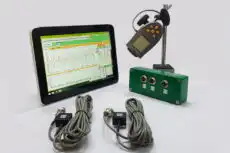
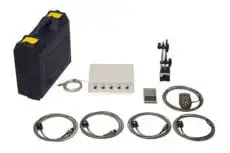
Otkrivajući terenske pregled je usporedba vibracija izmjerenih na kućištu ležaja s vibracijama na podnožju pjedestala. Visoka transmisibilnost — slične amplitude gore i dolje — ukazuje na krut pedestal koji obavlja svoju funkciju, dok veliki pad suggerira fleksibilnost ili labavost, a uočena fazna razlika između dvaju mjesta pokazuje na rezonanciu pjedestala. Prijenosni instrument s dva kanala poput Balanset-1A čini ovo jednostavnim: sa akcelerometar na kućištu i drugom na podnožju, hvata sinhroniziranu amplitudu i fazu na obje točke, tako da inženjer može brzo odrediti je li struktura kruta, labava ili rezonantna prije nego što odluči treba li ojačati pedestal ili uravnotežiti rotor. Postukivanje strukture tijekom promatranja odgovora potvrđuje labave ili pukle oslonce.
Pjedestali ležajeva, iako se često zanemaruju, bitni su strukturni elementi čija stanja i karakteristike značajno oblikuju rad rotacijskih strojeva. Dobar dizajn, pažljiva instalacija i disciplinirana održavanja osiguravaju stabilan oslonac ležaja, točnu geometriju i pouzdan rad oslobođen izbjegavnih vibracija.

