Razumijevanje uravnjavanja na mjestu
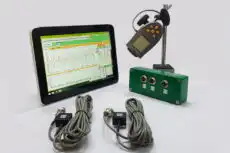


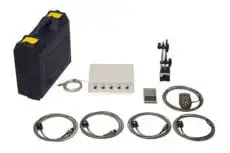



Balansiranje na mjestu — od latinske in situ, “na mjestu” — je praksa balansiranje a rotor dok ostaje instaliran u vlastitoj mašini, na svom normalnom mjestu rada i pod stvarnim radnim uvjetima. To je ista aktivnost koju inženjeri nazivaju terensko balansiranje, balansiranje na mjestu, ili balansiranje u situ. Umjesto da se rotor skida i transportuje u radionicu mašina za balansiranje, tehničar donosi prenosivi vibracijski i fazni mjerni instrument na mjesto i koriguje neuravnoteženost bez rastavljanja.
1. Definicija: Šta znači balansiranje u situ
Karakteristika balansiranja u situ je što se rotor nikada ne odvaja od realnih uslova u kojima radi. Mašina za balansiranje u radionaciji vrti rotor bez opterećenja u mekim, kalibriranim ležajima; rad u situ vrti isti rotor u njegovoj stvarnoj sistem ležajeva, na stvarnoj osnovi, pogonjen njegovim stvarnim pogonskim mehanizmom. Korekcijske težine se izračunavaju i montiraju na samontu mašinu, a rezultat se provjerava pri radnoj brzini. Zato je balansiranje u situ postalo standardna metoda za veliku većinu instaliranih industrijskih mašina — ventilatori, puhači, pumpe, motori, drobilice i slična rotacijska oprema.
2. Prednosti balansiranja u situ
Metoda dominira u praksi jer ima praktične i tehničke prednosti.
Nije potrebno rastavljanje
Budući da rotor ostaje na mjestu, poslao eliminira rad rastavljanja i ponovnog sastavljanja mašine, rizik od oštećenja tijekom uklanjanja, transporta i ponovne montaže, dane ili sedmice izgubljene slanjem rotora u radionicu, i mogućnost unošenja novih grešaka — neporavnanje, pogrešan moment zatezanja, poremećeni nagazni spojevi — tijekom ponovnog montiranja.
Balansiranje pod stvarnim radnim uslovima
Ovo je najvažnija tehnička prednost, i nešto što mašina u radionci ne može reproducirati:
- Stvarna krutost ležaja: pravi ležajevi i njihova instalirana krutost određuju kako se rotor odziva na neravnotežu, i taj odziv može se značajno razlikovati od idealiziranih radionica podržavanja.
- Efekti osnove i podršte: fleksibilnost baze, okvira i strukture montaže oblikuju vibraciju, i ti efekti se automatski uključuju u rezultat u situ.
- Radna temperatura: toplinski rast i njegov utjecaj na zazore ležaja su prisutni tokom rada ali odsutni u hladnoj radionci, i mogu promijeniti stanje ravnotežnosi rotora.
- Opterećenja u procesu: na pumpama i ventilatorima, hidraulički i aerodinamičke sile koji postoje samo pod opterećenjem utječu kako se rotor giba.
- Nagazni spojevi i zazori: način na koji se spojnice, klinovi i komponente nastave u konačnoj montaži utječe na balans, a metode in-situ to direktno hvataju.
Ukratko, in-situ balansiranje ispravlja rotor upravo u uvjetima u kojima će raditi, uključujući efekte slijepi za uređaj za balansiranje.
Smanjena zastoja, niži troškovi, trenutna provjera
Posao u in-situ se često završi u nekoliko sati, gdje balansiranje u radnji — uklanjanje, transport, balansiranje, ponovno postavljanje — može trajati dane ili sedmice. Za kritičnu proizvodnu opremu taj vremenski uštak direktno se prevodi u proizvodnju i prihod. Eliminiranje transporta, radnog rada u radionici i rastavljanja čini ga značajno jeftinijom za većinu primjena. A budući da se stroj može ponovno pokrenuti u trenutku tegovi za korekciju su montirani, rezultati se provjeravaju u stvarnim uvjetima na mjestu; ako je potrebna dodatna korekcija, ona se provodi odmah, bez ponovnog rastavljanja.
3. Kada je In-Situ balansiranje najodgovarajuće
Tehnika je široko primjenjiva, ali je posebno privlačna za:
- Velika mehanizacija: veliki ventilatori, puhači i drobilice koje je teško ili skupo rastaviti i premještati.
- Trajno montirani rotori: sklopovi izgrađeni na mjestu i nikada zamišljeni za lako uklanjanje.
- Terenska oprema: strojevi na udaljenim lokacijama gdje je transport do radionice nepraktičan.
- Hitne popravke: situacije gdje je brz povratak kritičan za nastavak proizvodnje.
- Redovito održavanje: periodičko ponovno balansiranje da se ispravlja neuravnoteženost od habanje, akumulacija proizvoda ili erozija.
- Proizvoljna ili nestandardna oprema: rotori koji jednostavno neće stati u standardne radioničke strojeve.
4. Proces balansiranja in-situ
Procedura slijedi standard metoda koeficijenata utjecaja, prilagođena poljskom okruženju. To je iterativna petlja mjere-ispravka-provjera.
- Korak 1 — Početna procjena: potvrdi da je neubalansiradnost stvarno dominantan problem. Isključi greške koje je oponašaju, kao što su neusmjerenja, labavost i greške u ležajima; čista neubalansiradnost pokazuje snažnu, stabilnu 1× brzina vrtnje komponentu sa stabilnom faza.
- Korak 2 — Instalacija senzora: montirati akcelerometri na kućištima ležaja sa magnetima, zavojnicama ili ljepilom, i prilagoditi tahometar ili keyphasor za dobijanje reference faze jednom po okretaju.
- Korak 3 — Početni rad: pokrenite stroj pri normalnoj radnoj brzini i zabilježite polaznu liniju 1× amplituda i vektore faze.
- Korak 4 — Pokusi sa pokušajnim težinama: izvršite jedan ili više probna masa pokretanja kako metoda zahtijeva — jedan za jednoravninski, više za dvije ravnine rad.
- Korak 5 — Izračunaj i prilagodi ispravke: instrument izračunava potrebne korekcijske mase i kutove; oni se zatim trajno instaliraju dodavanjem materijala (zavarivanjem, vijčanim masama, vijčanim težinama) ili uklanjanjem (bušenjem, brušenjem).
- Korak 6 — Verifikacija: izvršiti finalno verifikacijsko mjerenje da se potvrdi da rezidualna vibracija ostaje u granici dozvoljene tolerancije.
5. Oprema za Balansiranje na Mjestu
Savremeni prenosivi instrumenti su učinili balansiranje na mjestu rutinskim i dostupnim. Kompletan terenski komplet sadrži prenosiv instrument za balansiranje koji spaja mjerenje vibracija, detekciju faze i proračun balansiranja u jedan baterijski napajan paket; akcelerometre sa magnetnom bazom za brzo prikačinjavanje i uklanjanje; optički ili magnetni tahometar za faznu referencu; te komplet tegova sa sveskom, navojima i adhezivnim masama za pokusne i trajne korekcije.
Balanset-1A je reprezentativan primjer: dvokanalnog uređaja koji čita amplitudu i fazu 1× na oba ležaja, proračunava koeficijenti utjecaja rotora, rješava korekcije sa jednom i dvije ravnine, i provjerava konačnu rezidualnu neuravnoteženost prema ISO 21940-11 klasi — sve u sopstvenim ležajima mašine na radnoj brzini. Za planiranje posla, besplatni Kalkulator probne mase određuje sigurnu prvu pokusnu masu, Dekompozicija korekcijske mase alat raspodjeljuje izračunatu korekciju na fiksne otvore ili lopatice sa kojima zaista trebate raditi.
6. Izazovi i Razmatranja
Unatoč svojim prednostima, balansiranje na mjestu donosi komplikacije specifične za teren:
- Pristup korekcijskim ravninama: ravnine moraju biti dostižne sa sklopljenom mašinom; zaštitni poklopci ponekad moraju biti uklonjeni da bi se dosegnula površina za balansiranje.
- Faktori okruženja: ekstremne temperature, prljavština, buka i vibracije prenesene s bliske opreme čine terenska mjerenja težim nego ona u kontroliranoj radionici.
- Sigurnost: rad sa mašinama u pogonu zahtijeva stroge protokole — pokusne težine moraju biti pouzdano osigurane, i svi moraju ostati van dosega rotirajućih dijelova.
- Podlegle mehaničke greške: meka noga, neusklađenost ili labava oslanjanja moraju biti popravljena prije balansiranja, a terenske prlike mogu učiniti takve greške težim za uočavanje.
- Ograničenja za krajnju preciznost: za najtešnje tolerancije — precizni brusilci, vretena visokih brzina — posvećene radioničke mašine mogu biti i dalje poželjnije, ili korištene u kombinaciji sa terenskom dopunom.
7. Balansiranje na Mjestu vs. Balansiranje u Radionici
Kompromis između ova dva pristupa najbolje se vidi jedan pored drugog:
| Aspekt | Balansiranje na licu mjesta | Balansiranje u radionici |
|---|---|---|
| Potrebna demontaža | Ne | Da |
| Radni uslovi | Stvarni uslovi | Idealizovani uslovi |
| Vrijeme obrade | Sati | Dani do sedmica |
| Trošak | Niža | Veće |
| Preciznost | Dobro | Odlično |
| Primjenjivost | Većina mašina | Mali do srednji rotori |
Ova dva pristupa se međusobno dopunjuju umjesto da se nadmećuju: novi rotor se često balansira u radionici sa uskim stepenom kvalitete, a zatim se dotura na mjestu instalacije kako bi se apsorbirali efekti montaže, temelja i toplotnih uticaja koje radionica nije mogla vidjeti.
8. Industrijski standardi i najbolje prakse
In-situ balansiranje je formalno priznatno međunarodnim standardima. ISO 21940-13 postavlja kriterijume i sigurnosne mjere za in-situ balansiranje srednje i velike rotore, dok roditeljski ISO 21940-11 (suvremeni nasljeđnik poznatog ISO 1940-1) definiše stepene kvalitete balansa i dozvoljene tolerancije rad se ocjenjuje u odnosu na. Prihvatanje se često unakrsno provjerava u odnosu na limite vibracijskog intenziteta u ISO 20816 seriji. Rad prema ovim standardima je ono što čuva in-situ balansiranje bezbjednim, efikasnim i konzistentnim od jednog posla do drugog.

