ISO 13374: Monitoring stanja i dijagnostika mašina — Obrada podataka, komunikacija i prikaz



ISO 13374 je jedan od najuticajnijih standarda u industrijskom IoT-u i praćenje stanja stroja softveru. Umjesto da definiše kako izvršiti mjerenje, on rješava potpuno drugačiji problem: interoperabilnost — kako podaci iz različitih senzora, akvizicijske opreme i platforme analize mogu zajedno funkcijsati bez vlasničkih ograničenja. On specifira standardizovanu, otvorenu arhitekturu kako bi se podaci o monitoringu stanja obradili, pohranili i razmjenjivali, i blisko je povezan sa MIMOSA arhitekturom (Machinery Information Management Open Systems Alliance) na kojoj je izgrađen. Cilj je “plug-and-play” okruženje za tehnologiju monitoringa stanja, a srce standarda je šestoblokni funkcionalni model koji prati putanju od sirovog signala senzora do jasne preporuke održavanja.
1. Sažetak: Šta ISO 13374 propisuje
Gdje standardi orijentirani na mjerenja vam govore šta šta mjeriti i prema kojem limitu, ISO 13374 određuje kako se informacija prenosi i strukturira nakon što je uhvaćena. On nadopunjava standarde mjerenja i procedure umjesto da se natječe s njima: standard vibracijske ozbiljnosti kao što je ISO 20816-1 (moderni nasljednik ISO 10816) daje alarme pragove, opći standard za monitoring ISO 13373-1 opisuje proceduru za monitoring vibracija, i sveobuhvatni ISO 17359 postavljaju opću strategiju za monitoring stanja — dok ISO 13374 definiše otvorenu arhitekturu podataka koja prenosi rezultate između sistema. Standard je objavljen u nekoliko dijelova i opisuje slojevitu arhitekturu informacija; njegova suština je funkcionalni blok-dijagram sa šest ključnih slojeva koji reprezentuju tok podataka u bilo kojem sistemu za monitoring stanja.
2. Šest funkcionalnih blokova
Model se najbolje čita kao vodovod. Svaki blok konzumira izlaz onog prije njega i proizvodi nešto usavršenije — od sirovih volti na dnu do akcijske odluke na vrhu.
-
1. DA — Blok za prikupljanje podataka:
Ovo je temeljni sloj, most između fizičke mašine i digitalnog sistema monitoringa. Blok DA se direktno povezuje sa senzorima — kao što su akcelerometri, senzora blizine, senzori temperature, ili pretvarači tlaka — i prikuplja sirove, neobrađene analogne ili digitalne signale koje proizvode. Odgovoran je za sve niskonivoske hardverske interakcije: napajanje senzora (primjerice IEPE napajanje za akcelerometre), obrada signala kao što su pojačanje i filtriranje kako bi se uklonio neželjen šum, i izvršavanje analogno-digitalne konverzije (ADC). Njegov izlaz je digitalizirani tok sirovih podataka — obično vremenski oblik signala — proslijeđen do sljedećeg sloja.
-
2. DM — Blok za manipulaciju podataka:
Ovo je računski motor sistema monitoringa. Primjenjuje sirovi, digitalizirani tok (na primjer vremenski oblik valnog oblika) od DA bloka i transformira ga u smislennije tipove podataka pogodne za analizu. Njegova osnovna funkcija je standardizirana obrada signala — posebno Brze Furijeove transformacije (FFT), koja pretvara vremenski signal u frekvencijski spektar. Ostali zadaci definirani unutar ovog bloka uključuju izračunavanje širokopojasnih metrika kao što su ukupne RMS vrijednosti, izvršavanje digitalne integracije kako bi se akceleracija pretvorila u brzina ili radna zapremina, i pokretanje naprednijih procesa kao što su demodulacija ili analiza omotača za detekciju karakterističnih udaraca visokih frekvencija greški valjkavih ležajeva.
-
3. SD — Blok za Detektovanje Stanja (State Detection Block):
Ovaj blok označava kritičan prelaz od obrade podataka do automatizovane detekcije stanja. Primjenjuje se na obrađene podatke iz DM bloka (RMS vrijednosti, amplitude specifičnih frekvencija, spektralne trake) i primjenjuje logička pravila kako bi se utvrdilo operativno stanje mašine — ovdje se problem prvi put "detektuje." Njegova primarna funkcija je provjera pragova (threshold checking): poredi izmjerene vrijednosti s unaprijed definiranim alarmnim setpointima, kao što su granice zona definirane u ISO 20816 (prije ISO 10816) ili korisničkim definisanim procentualnim promjenama od osnovna vrijednost. Na osnovu toga dodjeljuje diskretno stanje podacima — "Normalno," "Prihvatljivo," "Upozorenje," ili "Opasnost" — pretvarajući sirove brojeve u akcijska obavještenja koja mogu biti proslijeđena za dijagnozu ili korištena za pokretanje neposrednog alarm.
-
4. HA — Blok za Procjenu Zdravlja Mašine (Health Assessment Block):
Ovaj blok funkcioniše kao “mozak” dijagnostičkog sistema, odgovarajući na pitanje: “U čemu je problem?” On prima informaciju o stanju (recimo, status “Upozorenje”) iz SD bloka, zajedno sa obrađenim podacima iz DM bloka, i primjenjuje analitičku inteligenciju kako bi pronašao konkretan uzrok anomalije. Ovdje se odvija dijagnostička logika — od jednostavnih sistema zasnovanih na pravilima do složenih algoritama vještačke inteligencije. Na primjer, ako SD blok označi visoku vibraciju na frekvenciji tačno dvostruko većoj od radne brzine vratila (2X), logika zasnovana na pravilima bi povezala taj obrazac i dala dijagnozu “vjerovatan neporavnanje." Ako je upozorenje na nesinhronoj, visokofrekventnoj vrh sa karakterističnim bočne trake, dijagnostificira specifičan kvar ležaja. Izlaz je konkretna procjena zdravlja komponente mašine.
-
5. PA — Blok za Prognostičku Procjenu (Prognostic Assessment Block):
Ovaj blok predstavlja vrhunac prediktivno održavanje, ciljanog odgovoru na odlučujuće pitanje, "Koliko duže može sigurno raditi?" Prima specifičnu dijagnozu neispravnosti iz HA bloka i kombinira je sa istorijskim trend podacima kako bi se predvidjelo kako će se neispravnost razvijati. Ovo je najtačnija sloj, često primjenjujući modele mašinskog učenja ili modele fizike kvarova kako bi se ekstrapolirala trenutna stopa degradacije i procijena Preostala Korisna Životna Vijek (RUL) komponente. Ako HA blok identifikuje neispravnost ležaja, PA blok analizira kako brzo su se frekvencije neispravnosti povećale tijekom nedavnih mjeseci kako bi predvidio kada će dosegnuti kritičan nivo. Izlaz nije samo dijagnoza već vremenski okvir za akciju — domena prognoza.
-
6. AG — Blok za Generisanje Savjeta (Advisory Generation Block):
Ovo je konačan sloj i, sa korisnikove perspektive, najozbiljniji sloj, jer prevodi sve osnovne podatke i analizu u akcijska obavještenja. AG blok komunicira nalazi donjih slojeva operaterima, inženjerima pouzdanosti i planerima održavanja — predstavljajući čini informacije pravoj osobi u pravom formatu. To može značiti intuitivne kontrolne table sa kodiranim bojama pokazatelja zdravlja, automatski generisane e-pošte ili tekstualna upozorenja, ili detaljne dijagnostičke izvještaje sa spektralnim i talasom plotacima, i, iznad svega, jasne preporuke održavanja. Efektivan AG blok ne samo da navodi da ležaj ima neispravnost; pruža potpunu preporuku, kao što je: "Detektovana neispravnost unutarnje trke na izlaznom ležaju motora. Preostala korisna životna vijek procijena na 45 dana. Preporuka: zakazati zamjenu ležaja pri sledećem planiranom isključivanju."
3. Ključne Koncepcije
- Interoperabilnost: primarni cilj ISO 13374. Definisanjem zajedničkog okvira i modela podataka, omogućava kompaniji da koristi senzore od Prodavača A, sistem prikupljanja podataka od Prodavača B, i softver za analizu od Prodavača C, i da oni svi rade zajedno.
- Otvorena arhitektura: standard promovira otvorene, nezavisne protokole i formate podataka, sprečavajući zaključanost dobavljača (vendor lock-in) i podstiču inovaciju u čitavoj industriji monitoring stanja.
- MIMOSA: standard je u velikoj mjeri zasnovan na radu MIMOSA organizacije. Razumijevanje MIMOSA’s C-COM (Common Conceptual Object Model) ključno je za razumijevanje detaljne implementacije ISO 13374.
- Od podataka do odluka: model sa šest blokova pruža logičan put od sirovih mjerenja senzora (Prikupljanje podataka) do praktičnih savjeta za održavanje (Generisanje savjeta), formirajući digitalnu osnovu modernog programa prediktivnog održavanja i prirodne osnove za održavanje na bazi stanja.
4. Gdje se standard koristi u praksi
ISO 13374 je namjerno ćutljiv o instrumentima i pragovima, što je upravo ono što ga čini moćnim: omogućava ostatku lanaca alata da se razvija nezavisno. U tipičnom programu pouzdanosti nalazi se pored standarda koji definišu šta se mjeri i koliko je ozbiljno rezultat je. Vrijednosti pragova koje se upisuju u SD blok dolaze iz standarda ozbiljnosti (severity) i iz vaših vlastitih baseline-a; prognostički modeli u PA bloku oslanjaju se na podatke koje je arhitektura vjerno očuvala. Praktični alati uklanjaju se uredno u ovu sliku — kalkulator parametara monitoring stanja pomaže postaviti pragove alarma i opasnosti koje će SD blok primijeniti, selektor metode monitoring stanja pomaže odabrati tehnike koje će DA i DM blokovi primijeniti, i kalkulator RUL prognostike ogledala rad PA bloka u procjeni preostale životne dobi. Za online implementacije, isti tok sa šest blokova leži u osnovi praćenje u realnom vremenu (online monitoring) sistemi i telemetrija koji nosi njihove podatke.
5. Instrument za terenske primjene na dnu slaganja (stack)
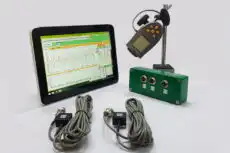
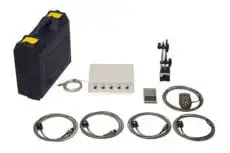
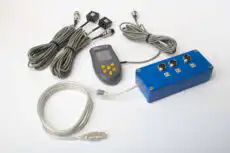
Svaki sloj standarda ISO 13374 u konačnici zavisi od pouzdanih sirovih podataka iz DA i DM blokova — ako je akvizicija ili obrada loša, nikakva pametna prognostika neće spasiti zaključak. Upravo tu kvalitetan terenski instrument opravdava svoju vrijednost. Prijenosni dvokanalni analizator poput Balanset-1A obavlja uloge DA i DM u jednom ručnom uređaju: napaja i očitava svoje akcelerometre, snima vremenski oblik signala, izračunava FFT spektar i ukupni RMS, te prikazuje rezultat za detekciju stanja. Kada se ispostavi da mašina označena na SD ili HA sloju pati od neuravnoteženost, isti uređaj zatvara povratnu spregu dijeljenjem terensko balansiranje rotor u vlastitim ležajima — podsjećanje da arhitektura podataka postoji kako bi pokrenula stvarnu korektivnu akciju na pogonu, ne samo da popuni nadzornu ploču.
6. Službeni Standard
ISO 13374 objavljuje Međunarodna organizacija za normizaciju u više dijelova, gdje dio s općim smjernicama utvrđuje funkcionalne blokove, a kasniji dijelovi obrađuju obradu podataka i prikaz obrađenih podataka. Autoritativni, potpuni tekst — uključujući formalne definicije svakog bloka i povezanog modela podataka — dostupan je na prodaju kroz službenu ISO trgovinu, gdje je standard naveden pod svojom ISO referentnom oznakom. Sažetak gore je namenjen biti samosadržan za svakodnevnu inženjersku upotrebu, ali objavljeni standard ostaje definitivni izvor za usklađenost i detaljnu primjenu.

