Šta je RMS (korijenjski kvadratni prosjek) u analizi vibracija?



RMS — Korijenjski kvadratni prosjek — je industrijska standardna statističke metoda za kvantifikovanje sadržaja energije i destruktivne sposobnosti mehaničkih vibracija kod rotacijskih mašina. Izračunavanje kvadrira svaku vrijednost uzorka signala vibracija, uzima prosjek tih kvadriranih vrijednosti, a zatim uzima kvadratni korijen, što daje jedan broj koji predstavlja pravi ekvivalent energije signala i direktno je koreliran sa zamorom i istrošenošću komponenti. U praktičnom analizu vibracija, RMS brzina u mm/s je ključni broj koji upoređujete sa međunarodnim limitima ozbiljnosti — što je upravo razloga zašto je to prvi broj koji većina inženjera pogledava na mašini.
1. Što je analiza RMS vibracija i zašto je važna?
Analiza RMS vibracija je standardan način da se kompleksan, stalno mijenjajući talasni oblik vibracija pretvori u jedan fizički smislen broj. RMS kvadrira svaku vrijednost uzorka signala, izračunava prosjek tih kvadriranih vrijednosti, a zatim uzima kvadratni korijen, dajući vrijednost koja predstavlja pravi ekvivalent energije signala i direktno je korelirana sa zamorom i istrošenošću komponenti.
Matematički, izračunavanje RMS slijedi tri diskretna koraka. Prvo, svaka trenutna vrijednost uzorka talasnog oblika vibracija je kvadrirana — ovo eliminiše negativne vrijednosti i daje veću težinu većim amplitudama. Drugo, aritmetički prosjek svih kvadriranih vrijednosti se izračunava tokom razdoblja mjerenja. Treće, uzima se kvadratni korijen tog prosjeka. Rezultat je analogan DC vrijednosti koja bi dala istu toplotu ili disipaciju energije — što čini RMS najfiziski smislen jednobrojan deskriptor ozbiljnosti vibracija dostupan inženjerima održavanja.
Za diskretni signal N uzoraka x1, x2 … xN, RMS vrijednost je:
xRMS = √[ ( x1² + x2² + … + xN² ) / N ]
Za kontinuirani talasni oblik x(t) tokom perioda T, to je kvadratni korijen prosjeka x(t)² integrirano tokom T — "korijen prosjeka kvadrata," što je odakle potiče naziv.
Ova interpretacija bazirana na energiji je ono što razlikuje RMS od jednostavnijih metrika kao što su Vršna vrijednost ili ispravljeni prosjek. Prema ISO 20816-1, RMS brzina vibracija izražena u mm/s je primarni parametar za procjenu ozbiljnosti vibracija mašina gotovo svih klasa rotacijske opreme. Objekti koji primijene RMS-baziranu trend kao dio strukturiranog prediktivno održavanje programa obično prijave 25–30% smanjenje neplanirane zastojnosti, prema studiji Deloitte-a iz 2022. godine o povratima ulaganja u prediktivno održavanje.
2. Zašto je RMS preferirani oblik mjerenja vibracija umjesto vrha ili prosječne vrijednosti?
RMS analiza vibracija je poželjnija jer je jedina pokazana vrijednost koja direktno predstavlja ukupan energetski sadržaj signala vibracija, čineći je najpouzdanijim indikatorom kontinuiranog rada stroja i temeljom svih velikih međunarodnih standarda ozbiljnosti — uključujući savremene ISO 20816 serije i naslijeđene ISO 10816 koju je zamijenio.
Postoje četiri glavne razloge zbog kojih se profesionalci za monitoring stanja oslanjaju na RMS umjesto alternativnih metrika amplitude:
- Direktna korelacija energije. Destruktivna moć vibracija proporcionalna je energiji, a ne trenutnim vrhovim. RMS bilježi ukupnu energiju kroz cijeli valni oblik, što se korelira s proračunima vijeka trajanja ležaja (prema ISO 281) i s krivuljama strukturne zamora.
- Razmatranje cijelog valnog oblika. Mjerenje vrha hvata samo jednu maksimalnu točku. RMS obrađuje svaki uzorak u prozoru mjerenja, proizvodeći stabilnu, ponovljivu vrijednost s tipičnom varijabilnošću ponovljenog testiranja ispod ±2% pri konzistentnim uvjetima rada.
- Otpornost na slučajne udare. Prijelazni šok — primjerice čestice detrita prolaze kroz pumpu — može povećati očitanje vrha za 300% ili više bez da odražava bilo kakvu stvarnu promjenu u zdravlju stroja. RMS vrijednost, budući da je statistički prosjek, apsorbiruje takve događaje s minimalnom distorzijom, smanjujući brzinu lažnih alarma za procijenjenih 40–60% u usporedbi sa vrhom zasnovanim alarmima.
- Usklađenost s međunarodnim standardima. ISO 20816-1 do 20816-9, API 670, i VDI 2056 svi definiraju alarm i isključenje pragove u RMS brzini (mm/s ili in/s). Korištenje RMS-a omogućava direktnu usporedbu sa ovim globalno prihvaćenim ograničenjima.
3. Razlika između RMS, vrha i vršnih vrijednosti vibracija od vrha do vrha
Za čist sinusni talas, RMS vrijednost jednaka je vršnoj vrijednosti podijeljenoj sa √2 (približno 0,707 × vršna vrijednost), i Vršna vrijednost od vrha do vrha jednako je 2 × Vršna vrijednost. Međutim, vibracije stvarnog stroja nikada nisu čista sinusoida; odnos vrha i RMS-a — nazvan Faktor kresta (Crest Factor) — varira ovisno o kompleksnosti signala i služi kao neovisan dijagnostički indikator impulsivnih nedostataka kao što je ljuskanje ležaja. Čista sinusoida nosi svoju energiju ravnomjerno, tako da njeni vrhovi ostaju blizu njenog RMS-a; signal pun oštrih udaraca skače daleko iznad svog RMS-a, i taj višak je upravo ono što Krest Faktor mjeri.
| Metrički | Definicija | Odnos prema vrhu sinusnog talasa | Najbolja primjena | Standardna referenca |
|---|---|---|---|---|
| RMS | Kvadratni korijen srednje vrijednosti kvadriranih vrijednosti | 0,707 × vršna vrijednost | Ukupno treniranje zdravlja stroja, klasifikacija ozbiljnosti | ISO 20816 (ranije ISO 10816) |
| Peak (0-do-Peak) | Maksimalna apsolutna amplituda | 1,0 × vršna vrijednost | Detektovanje kratkotrajnog udara, provjere zazora | API 670 (pomjeranje vratila) |
| Vršna vrijednost od vrha do vrha | Ukupan zamah od negativnog do pozitivnog maksimuma | 2,0 × vršna vrijednost | Pomjeranje vratila, analiza orbite | API 670, ISO 7919 |
| Prosječna (rektificirana) | Srednja vrijednost rektificiranog signala | 0,637 × vršna vrijednost | Samo stariji instrumenti — rijetko se koristi danas | Historijski / zastarjelo |
Izbor metrike nije akademski: granice alarma, dijagrami trenda i izvještaji o prihvatanju su samo usporedivi kada svi koriste isti deskriptor. Očitavanje navedeno kao “5 mm/s” znači vrlo različite stvari kao RMS, Peak ili Peak-to-Peak, pa uvijek navedite koje mislite. Za poređenje sva tri deskriptora, pogledajte unos u rječniku o amplituda vibracije, i kada trebate brzo preći između njih Pretvarač jedinica vibracija obavlja konverzije mm/s ↔ µm ↔ g umjesto vas.
3.1 Što je faktor vrha (Crest Factor) i zašto je važan?
Faktor krestera je odnos vršne amplitude i RMS amplitude. Za čist sinusni talas, faktor krestera je tačno √2 ≈ 1,414. Faktor krestera veći od 3,0 u mjerenju vibracija snažno ukazuje na prisustvo ponavljajućih udara — obilježje ranog stadija oštećenja kotrljajućih ležajeva greške u ležajima, oštećenja zuba zupčanika, ili kavitacije. Praćenje faktora vrha pored RMS-a dodaje moćnu dijagnostičku dimenziju:
- Rastući faktor vrha sa stabilnim RMS-om ukazuje na nastanak lokaliziranog oštećenja — oštri impulsi se pojavljuju iznad inače nepromijenjenoj razine energije (tipičan rani ljuštenje).
- Rastući RMS sa stabilnim faktorom vrha ukazuje na distribuirano ili progresivno trošenje — cijela razina energije raste dok oblik valnog oblika ostaje isti.
4. Trebam li koristiti RMS brzinu, akceleraciju ili pomak?
Za nadzor opće namjene stanja mašine u frekvencijskom opsegu 10 Hz–1.000 Hz — koji pokriva vast većinu kvarova rotirajućih mašina — RMS brzina u mm/s je industrijski standardni parametar, kao što je navedeno u ISO 20816. RMS ubrzanje je poželjno iznad 1.000 Hz (na primjer, detekcija oštećenja ležajeva na visokim frekvencijama), dok je RMS radna zapremina se koristi ispod 10 Hz za mašine niske brzine.
| Parametar | Optimalan frekvencijski opseg | Jedinica (SI / imperijalna) | Tipična primjena |
|---|---|---|---|
| RMS pomjeranje | < 10 Hz | µm / mils | Mašine niske brzine (< 600 RPM), sonde blizine vratila |
| RMS brzina | 10 Hz – 1.000 Hz | mm/s / in/s | Zdravlje mašine u općem slučaju, težina vibracija prema ISO 20816, većina rotirajuće opreme |
| RMS ubrzanje | > 1.000 Hz | g / m/s² | Obavijanje ležajeva na visokim frekvencijama, analiza zupčanika, ultrazvučna detekcija |
Razlog što RMS brzina dominira frekvencijskom trakom srednje frekvencije je fizički: brzina je proporcionalna energiji vibracija u širokom frekvencijskom opsegu, dajući otprilike jednaku težinu komponentama kvarova niske i visoke frekvencije. Pomjeranje prenatječe niske frekvencije, dok ubrzanje prenatječe visoke frekvencije. Robusnija strategija je da trendujete RMS brzinu za sveukupnu težinu i dodate tehnike visoke frekvencije — kao što su analiza omotača ili mjerenje ultrazvukom iznad 20 kHz — da uhvatite najranije stadije degradacije ležajeva, često 3–6 mjeseci prije nego što se promjene pojave u konvencionalnim spektrima vibracija. Ako već radite s jednom jedinicom i trebate drugu, mm/s-u-m/s² pretvarač ubrzanja povezuje brzinu i ubrzanje direktno.
5. Kako se RMS primjenjuje u programima prediktivnog održavanja?
RMS analiza vibracija čini temelj praćenje stanja i programa prediktivnog održavanja (PdM) pružanjem trendabilnih, prema standardima referencirajućih vrijednosti ozbiljnosti koja omogućava odluke o održavanju na osnovu stanja. Kada se RMS mjerenja brzine prikupe u redovitim intervalima i usporede s pragovima alarma prema ISO 20816, timovi održavanja mogu otkriti pogoršanje tjedne ili mjesece prije otkaza i zakazati popravke tijekom planiranih zastoja.
Tipična primjena slijedi sljedeće korake:
- Uspostavljanje referentne vrijednosti. Prikupite RMS mjerenja brzine na svim nadziranim ležajima i kućištima odmah nakon puštanja u pogon ili nakon poznatog dobrog servisa, te ih pohranite kao osnovna vrijednost. Zabilježite brzinu pogona, opterećenje i temperaturu.
- Dodjela praga. Primijenite zone ozbiljnosti vibracija prema ISO 20816 (A do D) prikladne za klasu mašine, ili uspostavite statističke bazne vrijednosti koristeći 3× baznu RMS vrijednost kao prag upozorenja i 6× kao prag opasnosti.
- Trendni nadzor. Prikupljajte mjerenja prema rasporedu rute — obično svakih 28–30 dana za kritične dijelove opreme, tromjesečno za nekritične. Nacrtajte RMS vrijednosti tijekom vremena.
- Odgovor alarma. Kada očitavanje pređe prag upozorenja, povećajte učestalost mjerenja i izvršite detaljnu dijagnostiku. spektralne analize da biste identificirali tip greške.
- Analiza uzroka. Koristite spektralne podatke, faza analiza, i komplementarne tehnologije (ultrazvuk, termografija, analiza ulja) da potvrdite grešku — razlikujući neuravnoteženost, neporavnanje, i labavost — i da procijente preostali vijek trajanja.
Prema izvještaju McKinseya iz 2023. o industrijskoj analitici, organizacije s zrelim PdM programima izgrađenim na standardiziranim metrikama vibracija kao što je RMS brzina postižu 10–20% smanjenja ukupnih troškova održavanja i 50–70% manje neočekivanihOtkaza.
5.1 Mjerenje RMS brzine vibracija na terenu
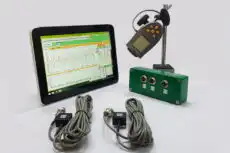
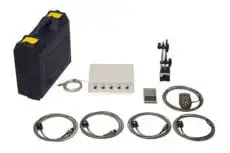
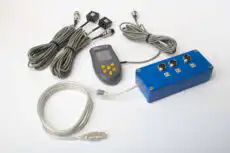
Na montiranim strojevima, ukupna RMS brzina vibracija očitava se direktno sa senzora postavljenog na kućištu ležaja, a isti instrument koji pokazuje ozbiljnost može obično i uravnotežiti rotor koji uzrokuje vibracije. Prijenosni analizator sa dva kanala kao što je Balanset-1A mjeri RMS brzinu vibracija na svakom ležaju, prikazuje spektar vibracija tako da možete vidjeti koja frekvencija doprinos energiji, te izvještava vrijednost u čitavom spektru koju uspoređujete sa ISO 20816 zonama. Jer radi u vlastitim ležajima stroja pri brzini rada — u FFT rasponu od otprilike 5 Hz do 1000 Hz — hvata pravi radni uvjet, zatim omogućava vam korekciju neuravnoteženosti na mjestu i potvrđuje da je RMS brzina vibracija pala natrag u zonu A ili B. To zatvara krug od "broj je prevelik" na "broj je ispravljen" bez putovanja do balansne mašine.
6. ISO 20816 zone ozbiljnosti vibracija za RMS brzinu
ISO 20816 — moderni standard koji je zamijenio ISO 10816 i dugo povučen ISO 2372 — klasificira strojeve severiteta vibracija u četiri zone: A (dobro), B (prihvatljivo), C (upozorenje) i D (opasnost), na osnovu RMS brzine vibracija u cijelom spektru u mm/s. Točne granice ovise o klasi stroja, vrsti temelja i snazi, ali sljedeća tablica prikazuje reprezentativne vrijednosti za grupu 1 velikih strojeva (klase III/IV) kao praktičnu referencu.
| Zona | Stanje | RMS brzina (mm/s) — kruti temelj | RMS brzina (mm/s) — fleksibilan temelj | Preporučena akcija |
|---|---|---|---|---|
| A | Dobro | 0 – 2,3 | 0 – 3,5 | Normalan rad |
| B | Prihvatljivo | 2,3 – 4,5 | 3,5 – 7,1 | Prihvatljivo za dugoročnu operaciju |
| C | Upozorenje | 4,5 – 7,1 | 7,1 – 11,2 | Ograničena eksploatacija; planirajte održavanje |
| D | Opasnost | > 7.1 | > 11,2 | Rizik od neposrednog gašenja; hitna akcija |
Granice zona procjenjuju se prema najvećoj RMS brzini vibracija u cijelom spektru mjernoj na bilo kojoj točki nadzora, pa je jedan loš ležaj dovoljan da pomakne stroj u lošiju zonu. Za dodjelu izmjerene vrijednosti svojoj zoni za specifičnu grupu strojeva i montažu, ISO 20816-1 alat za procjenu zona automatski primjenjuje točne granice, ISO 10816 / 20816 dijagram ozbiljnosti pruža brzi pregled na prvi pogled.
7. Rađeni primjer: Kako se izračunava RMS iz vibracijskog signala?
Za izračunavanje RMS vrijednosti diskretnog signala vibracija, kvadrirajte svaki uzorak, izračunajte prosjek tih kvadrata i izvucite kvadratni korijen. Na primjer, s pet trenutnih očitanja brzine od 3,0, −4,0, 2,5, −1,0 i 5,0 mm/s, RMS brzina je približno 3,39 mm/s — što bi smjestilo ovaj stroj u Zonu B (Prihvatljivo) prema ISO 20816 na krutoj osnovi.
Izračun korak po korak:
- Kvadrirajte svaki uzorak: 9.0, 16.0, 6.25, 1.0, 25.0
- Izračunajte prosjek kvadrata: (9.0 + 16.0 + 6.25 + 1.0 + 25.0) / 5 = 57.25 / 5 = 11.45
- Izvucite kvadratni korijen: √11,45 ≈ 3,385 mm/s RMS
Primijetite da je obični aritmetički prosjek pet neobrađenih očitanja samo (3,0 − 4,0 + 2,5 − 1,0 + 5,0) / 5 = 1,1 mm/s — daleko niži, jer negativne oscilacije otkazuju pozitivne. Kvadriranje prvo je upravo ono što sprječava to otkazivanje i čini da RMS predstavlja stvarnu energiju. U praksi, prijenosni prikupljači podataka i sustavi online nadzora izvode ovaj izračun automatski na tisućama uzoraka u sekundi, dajući RMS vrijednosti s visokom statističkom sigurnošću. Kada je ulaz frekvencija spektar umjesto neobrađene vremenski oblik signala, ukupni RMS se pronalazi kombiniranjem RMS svakog spektralnog reda u kvadraturi (kvadratni korijen zbroja kvadrata) — zadatak koji obavlja Kalkulator ukupne razine vibracija (RMS iz spektra).
8. Najčešće greške u mjerenju RMS vibracija
Najčešće greške u analizi RMS vibracija su greške u montaži senzora, izbor pogrešnog frekventnog opsega, nedovoljna vremenska prosječenja i usporedba RMS vrijednosti izmjerenih u različitim radnim uvjetima. Bilo koja od tih grešaka može proizvesti zavaravajuće trendove koji ili maskira stvarne kvarove ili izaziva lažne alarme, narušavajući povjerenje u program predvidljivog održavanja.
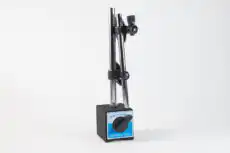
- Loša montaža senzora. Slabo pričvršćen akcelerometar može oslabiti visokofrekventne signale za 50% ili više iznad 2 kHz, što proizvodi vještački niske očitane RMS akceleracije. Uvijek koristite stezaljke ili magnetske nosače visokog kvaliteta na čistim, ravnim površinama — pogledajte smjernice o ispravljanju montaža senzora.
- Pogrešan frekventni opseg. Mjerenje RMS brzine u opsegu 2 Hz–100 Hz kada standard zahtijeva 10 Hz–1.000 Hz proizvodi rezultate koji nisu usporedivi. Uvijek provjerite da postavke filtar propusnog pojasa odgovaraju primjenjivom standardu.
- Nedovoljno vrijeme prosječenja. RMS vrijednosti izračunate iz vrlo kratkih vremenskih zapisnika (< 1 sekunda) statički su nestabilne. Za strojeve koji rade na 1.500 o/min (25 Hz), potreban je minimalno 4–8 kompletnih okretaja vratila — približno 0,16–0,32 sekunde — iako se 1–2 sekunde preferira za višu sigurnost.
- Neslagani radni uslovi. RMS vibracija se menja sa brzinom i opterećenjem. Poređenje merenja pri 80% opterećenja sa baznom vrednošću pri 100% opterećenja može pokazati lažnu poboljšanja. Uvek dokumentujte i normalizujte prema radnim uslovima.
- Mešanje ukupnog RMS-a sa RMS-om uskog opsega. Ukupan (širokopojasni) RMS uključuje energiju iz svih frekvencija, dok RMS uskog opsega izoluje određeni opseg frekvencija. Oba su korisna, ali se ne smeju mešati pri trendu ili alarmu.
9. Često postavljana pitanja o analizi RMS vibracija
9.1 Što RMS znači u analizi vibracija?
RMS znači Root Mean Square. To je statističko izračunavanje koje proizvodi jednu vrednost koja predstavlja efektivnu energiju signala vibracije kvadriranjem svih uzoraka, usrednjavanjem tih kvadrata i uzimanjem kvadratnog korena. RMS je najčešće korišćena metrika amplitude u analizi vibracija mašina jer direktno korelira sa energetskim sadržajem signala i njegovim destruktivnim potencijalom.
9.2 Kako konvertovati RMS u vrh vibracija?
Samo za čist sinusni talas, vršna vrijednost = RMS × √2 ≈ RMS × 1,414. Za signale sa stvarnih mašina koji sadrže više frekvencija i udara, ova jednostavna konverzija je netačna. Stvarni odnos (faktor krestera) zavisi od složenosti signala i može se kretati od 1,4 do preko 5,0. Uvijek mjerite obje vrijednosti direktno umjesto konverzije — i nikada ne miješajte izračunatu vršnu vrijednost sa izmjerenom stvarna vršna vrijednost.
9.3 Koji je dobar nivo RMS vibracija za motor?
Prema ISO 20816, RMS brzina vibracija ispod 2,3 mm/s (0,09 in/s) na krutom postavu velikog industrrijskog motora stavlja ga u Zonu A (dobar status). Vrijednosti između 2,3 i 4,5 mm/s su prihvatljive za dugoročnu eksploataciju (Zona B). Iznad 4,5 mm/s trebaju se planirati korektivne mjere. Specifični pragovi variraju u zavisnosti od klase mašine i vrste postava.
9.4 Zašto je RMS brzina vibracija preferirana u odnosu na RMS akceleraciju za opšte nadziranje?
RMS brzina vibracija daje približno jednaku težinu frekvencijama kvarova u rasponu od 10 Hz–1.000 Hz, što pokriva većinu čestih kvarova mašina — uključujući nebalansirajućost, neusmjerenost, labavost i istrošenost ležaja. RMS akceleracija daje pretjeranu težinu visokim frekvencijama, što može maskirovati kvarove na niskim frekvencijama. ISO 20816 navodi RMS brzinu vibracija kao primarni parametar ozbiljnosti iz tog razloga.
9.5 Može li analiza RMS vibracija detektovati greške ležaja?
Da, ali sa ograničenjima. Ukupna RMS brzina vibracije detektuje umereno napredna oštećenja ležaja koja povećavaju širokopojasnu energiju. Rana oštećenja ležaja — kao što su mikro-rupotine — proizvode impulsivne signale na visokim frekvencijama koji mogu značajno ne promeniti ukupan RMS. Za rano otkrivanje, kombinujte trend RMS brzine sa tehnikom visokih frekvencija kao što su omotavanje (demodulacija), metod šoka-impulsa ili ultrazvučni nadzor, i pratite Faktor vrha za prvi znak uticaja.
9.6 Koja je razlika između ISO 10816 i ISO 20816?
ISO 20816 je moderni zamena za ISO 10816. Oba standarda definišu zone težine vibracija na osnovu RMS brzine. Ključna razlika je što ISO 20816 konsoliduje i ažurira nekoliko delova starijeg standarda, uključuje iskustva iz više od 20 godina rada na terenu, i uvodi preciznija granice zone za određene tipove mašina. ISO 20816-1:2016 je zamenio ISO 10816-1:1995, a stariji ISO 2372 je povučen mnogo ranije; migracija kroz sve delove porodice je u toku.
9.7 Kako često treba uzimati RMS merenja vibracija?
Za kritičnu rotacionu opremu, najbolja praksa u industriji je najmanje mjesečno mjerenje RMS vrijednosti po unaprijed definisanoj ruti. Mašine visoke kritičnosti imaju koristi od kontinuiranog online praćenja sa intervalima mjerenja od nekoliko sekundi do nekoliko minuta. Nekritična oprema može se mjeriti kvartalno. Učestalost mjerenja treba odmah povećati kad god očitavanje pređe prag upozorenja ili kada se radni uslovi značajno promijene.
9.8 Koji alati su potrebni za analizu RMS vibracija?
Minimalno, trebate kalibrisani akselerometar, prikupljač podataka ili analizator vibracija sposoban da izračuna RMS u ispravnom opsegu frekvencija, i softver za trendovanje. Prenosivi dvokanalski instrument koji kombinuje merenje RMS brzine sa jednoravnskom i dvoplanskom balansom — kao što je Balanset-1A — omogućava istom inženjeru da proceni težinu prema ISO 20816 i da ispravi osnovnu nebalansu, što je razlog zašto se terenski timovi odlučuju za analizator sve-u-jednom umesto odvojenih uređaja samo za merenje i samo za balansiranje.

