A forgógépek tömítési hibáinak megértése






Tömítési hibák azok a károk, kopások vagy teljes meghibásodások, amelyek azokat a tömítőelemeket érintik, amelyeknek feladata, hogy a kenőanyagot bent, a szennyeződéseket pedig a forgógépeken kívül tartsák. A leggyakoribb családok az ajaktömítések (radiális tengelytömítések), a mechanikus csúszógyűrűs tömítések, a labirinttömítések és az O-gyűrűk, hibáik pedig olaj- vagy zsírszivárgásként, szennyeződés és nedvesség behatolásaként, megnövekedett súrlódásként és felmelegedésként jelentkeznek, és — bizonyos esetekben — hozzájárulnak a rezgés dörzsölődés vagy folyadék okozta instabilitások révén. A tömítések jelentéktelen alkatrésznek tűnhetnek, de meghibásodásuk súlyos következményekkel jár: a kenés elvesztése gyors csapágyhiba, a szennyeződés felgyorsítja kopás, a folyamatszivattyúkon pedig egy meghibásodott tömítés termékveszteséget, környezeti kibocsátást vagy valós biztonsági kockázatot jelenthet.
1. Miért fontosabbak a tömítések, mint amilyennek látszanak
A tömítés a kenőrendszer határa, a folyamatgépeknél pedig a zárt térfogat határa. Mivel az általa védett rotorhoz vagy csapágyakhoz képest kicsi és olcsó, könnyű figyelmen kívül hagyni — pedig számos csapágy-meghibásodás nem is magával a csapággyal kezdődik, hanem a tömítéssel, amelynek azt védenie kellett volna. Ha a tömítés állapotát szerves részeként kezeljük a állapotfelügyelet, ahelyett hogy szivárgás után cserélendő fogyóeszközként tekintenénk rá, az az egyik legolcsóbb elérhető megbízhatósági előny.
2. Gyakori tömítéstípusok és hibáik
Ajakos tömítések (radiális tengelytömítések)
Rugalmas ajakkal rendelkező elasztomer tömítések, amelyek a forgó tengelyhez érnek.
Gyakori hibák:
- Rongykopás: a súrlódás fokozatosan koptatja az ajak anyagát, amíg a tömítő érintkezés meg nem szűnik.
- Edzés: a hő vagy az öregedés keményíti az elasztomert, megfosztva az ajkat a rugalmasságától és illeszkedőképességétől.
- Repedés: repedések alakulnak ki az ajkon az öregedés, vegyi hatás vagy túlzott tengely kifutása.
- Ajak szakadása: a szakszerűtlen beszerelésből, a tengelyhibákból vagy a túlzott rezgésből eredő károsodás.
- A köracélrugó elvesztése: az ajak érintkezését fenntartó kis rugó eltörik vagy leesik.
Tünetek: olaj- vagy zsírszivárgás a tengely kilépésénél, látható szennyeződés a csapágy környékén, a csapágy hőmérsékletének emelkedése a kenőanyag elvesztése miatt, valamint a csapágy rezgésének növekedése, ahogy a szennyeződés elhatalmasodik.
Mechanikus homloktömítések
Szivattyúkban és nagynyomású alkalmazásokban használják, két precíziósan csiszolt felülettel, amelyek egymáson futnak.
Gyakori hibák:
- Zárlap-kopás: az illeszkedő felületek elkopnak, és a szivárgás növekszik.
- Felület károsodása: karcolások, kicsorbulások vagy hőrepedések a tömítőfelületeken.
- O-gyűrű meghibásodása: a másodlagos tömítések elöregszenek.
- Rugóhiba: a felületi nyomást biztosító rugók eltörnek vagy meggyengülnek.
- Kokszosodás és lerakódások: az anyaglerakódás megakadályozza a megfelelő felületi érintkezést.
Tünetek: látható szivárgás a tömítésnél, gőz- vagy páraképződés forró közegek tömítésekor, sivító zaj a felületi érintkezésből, magas tömítési hőmérséklet, valamint a felületi érintkezés instabilitásából eredő rezgés.
Labirinttömítések
Turbinákban és kompresszorokban széles körben használt érintkezésmentes tömítések.
Gyakori hibák:
- Fogkiosztás-kopás: a labirintfogak súrlódás miatt elkoptak vagy letörtek.
- A szabad magasság növelése: a kopás vagy a hőtágulás megnyitja a hézagot, és rontja a tömítés hatékonyságát.
- Dörzsölések: a túlzott rezgésből vagy tengelymozgásból eredő érintkezés károsítja a fogakat.
- Betétek: a szén- vagy vízkőlerakódás megváltoztatja a hézagokat.
Tünetek: megnövekedett szivárgás, amely áramlás- vagy nyomásveszteségként mérhető, a belső szivárgásból eredő hatásfokcsökkenés, a súrlódásból eredő rezgés, amely bizonyos esetekben kiválthat gőzörvény, valamint az érintkezés fizikai bizonyítékai, például kopásnyomok vagy hő okozta elszíneződés.
O-gyűrűk és statikus tömítések
- Nyomódási maradás: tartós összenyomás okozta maradandó alakváltozás.
- Kémiai támadás: az inkompatibilis folyadékok károsítják az elasztomert.
- Extrudálás: az O-gyűrűt nyomás hatására kipréseli a horonyból.
- Hőkárosodás: hőöregedés, keményedés és repedezés.
3. A tömítés meghibásodásának okai
Normál kopás
- Az érintkező tömítések élettartama véges, amelyet a súrlódásos kopás határoz meg.
- A tengelytömítő gyűrűk jellemző élettartama nagyjából 5 000–20 000 üzemóra.
- A csúszógyűrűs tömítések élettartama az alkalmazástól függően nagyjából 10 000–50 000 óra.
- A kopás mértéke a tengely felületi minőségétől, a fordulatszámtól és a kenéstől függ.
Telepítési kár
- A tömítőajak beszerelés közben elvágódik vagy megsérül.
- A tömítés nincs megfelelően a házban ülve.
- A tengely felületi hibái felszakítják a tömítőajkat.
- Az összeszerelés során szennyeződés kerül a rendszerbe.
Üzemeltetési feltételek
- Túlzott tengelyütés: excentricitás vagy a tömítés tűréshatárát meghaladó rezgés.
- Magas hőmérséklet: károsítja az elasztomer anyagokat.
- Kémiai inkompatibilitás: a folyamatban lévő közegek megtámadják a tömítés anyagát.
- Abrazív környezet: a részecskék károsítják a tömítőfelületeket.
- Szárazon járás: a tömítés kenésének elvesztése gyors kopást okoz.
Mechanikai problémák
- Túlzott rezgés a kiegyensúlyozatlanság vagy tengelyeltolódás.
- Tengelyhibák például karcolások vagy bemaródások, amelyek tönkremarják a tömítőajkat.
- Csapágyhiba, amely túlzott tengelymozgást tesz lehetővé.
- Hőtágulás, amely megzavarja a tömítés illesztését.
4. Tömítéshibák felismerése
Vizuális jelzők
- Szivárgás: olaj, zsír vagy folyamatközeg látható a tömítésnél.
- Elszíneződés: elszíneződés a tömítés körül a szivárgás miatt.
- Csepegés: aktív szivárgás, amely a berendezés alatt összegyűlik.
- Párásodás: finom permet a nagynyomású tömítés szivárgásából.
Működési mutatók
- Kenőanyag-veszteség: az olaj vagy a zsír ismétlődő utántöltésének szükségessége.
- Szennyeződés: szennyeződés vagy nedvesség az olaj-elemzés minták.
- Csapágyproblémák: Korai csapágykopás szennyeződés vagy kenőanyag-veszteség miatt
- Hőmérséklet-emelkedés: a csapágy felmelegedése az elégtelen kenés miatt.
Rezgéshatások
- A tömítés súrlódása súrlódás okozta rezgést kelthet.
- A tömítés érintkezéséből nagyfrekvenciás összetevők keletkeznek.
- Súlyos esetekben szubszinkron a rezgés a tömítés instabilitásából alakul ki.
- A másodlagos hatások közé tartozik a szennyeződésből vagy a kenés elvesztéséből eredő csapágyrezgés.
A rezgéses tünetek finomak és széles sávúak, nem pedig egyetlen éles vonalhoz köthetők, ezért leginkább egy egészséges állapothoz viszonyítva értelmezhetők alapvonal egy spektrum: a nagyfrekvenciás vagy szubszinkron tartomány lassan kúszó emelkedése, nem pedig az 1×-nél jelentkező ugrás a tipikus tömítéssel összefüggő jellemző.
5. A tömítés meghibásodásának következményei
Azonnali hatások
- Kenőanyag-veszteség, amely gyakori utántöltést igényel.
- A szennyeződés bejutása rontja a megmaradó kenőanyagot.
- Termékveszteség vagy környezeti kibocsátás a folyamattömítéseknél.
- Biztonsági veszélyek csúszós padlók vagy mérgező anyagok kiszabadulása miatt
Másodlagos kár
- Csapágy meghibásodása: A nem megfelelő kenés vagy szennyeződés tönkreteszi a csapágyakat
- Gyorsított kopás: az abrazív szennyeződés mindenütt felgyorsítja a kopást.
- Korrózió: a nedvesség bejutása rozsdát és korróziót okoz.
- Tengelykapcsoló károsodás: A kenőanyag spray szennyezi az elasztomer tengelykapcsoló elemeket
6. Megelőzés és karbantartás
Megfelelő kiválasztás
- Válasszon az alkalmazáshoz illő tömítéstípust — annak nyomása, hőmérséklete, sebessége és kémiai környezete szerint.
- Használjon megfelelő méretű és specifikációjú tömítést.
- Tartsa be a tengelyfelület-érdesség követelményét, amely ajaktömítések esetén jellemzően 0,8 µm Ra alatt van.
- Az elasztomert a közeghez és a hőmérséklethez illessze (nitril, Viton, PTFE és így tovább).
Telepítési gyakorlatok
- Összeszerelés előtt tisztítson meg minden felületet.
- Használjon megfelelő szerelőszerszámokat — tömítésbeütő tüskét, soha ne kalapácsot.
- A behelyezés előtt kenje meg a tömítőajkakat.
- A tengelyre való felcsúsztatáskor szerelőhüvely segítségével védje a tömítőajkat.
- Ellenőrizze a merőlegességet és a helyes illeszkedést.
Üzemeltetési gyakorlatok
- Tartson fenn jó egyensúly és igazítás a tengely mozgásának és rezgésének csökkentése érdekében.
- Tartsa az üzemi hőmérsékletet a tömítés névleges tartományán belül.
- Gondoskodjon arról, hogy a kenőanyag ténylegesen eljusson a tömítéshez.
- Kerülje a tömítési terület szennyeződését inkompatibilis anyagokkal
Megelőző csere
- A tömítéseket a tervezett karbantartás során cserélje, ne várja meg a meghibásodást.
- A jellemző cseregyakoriság két-öt év, illetve a gyártó ajánlása szerint.
- Csapágyház felnyitásakor mindig új tömítéseket szereljen be.
- Tartson tömítéskészleteket a pótalkatrész-raktárban.
7. Különleges szempontok
Nagy rezgésű berendezések
- A túlzott tengelymozgás gyorsan tönkreteszi a tömítéseket.
- Az elfogadható tömítés-élettartam eléréséhez a rezgés alapvető okát meg kell szüntetni.
- A nagy igénybevételű vagy rugóterheléses tömítések segítenek a magas rezgésű alkalmazásokban.
Extrém környezetek
- Magas hőmérséklet: Használjon magas hőmérsékletű elasztomereket vagy mechanikus tömítéseket
- Csiszoló: szereljen fel védő tengelyhüvelyeket és kivető tömítéseket a részecskék kizárására.
- Maró hatású: használjon vegyszerálló anyagokat és bevonatos felületeket.
- Vákuum: használjon speciális, alacsony kigázosodású tömítéseket.
8. Tömítési problémák hibaelhárítása
Korai tömítéshiba
Vizsgálati területek:
- Ellenőrizze a tengelyfelület állapotát - érdesség, karcolások, korrózió.
- Ellenőrizze a tengely ütését, mivel a túlzott ütés gyorsan tönkreteszi a tömítéseket.
- Mérje meg a rezgésszinteket, mivel a nagy rezgés lerövidíti a tömítések élettartamát.
- Győződjön meg arról, hogy az üzemi hőmérséklet a tömítés névleges tartományán belül van.
- Ellenőrizze a kémiai összeférhetetlenséget.
- Vizsgálja meg az alkalmazott beszerelési gyakorlatot.
- Ellenőrizze, hogy a tömítés típusa és mérete megfelel-e az adott alkalmazásnak.
Állandó szivárgás
Lehetséges okok és megoldások:
- Tengelykárosodás: a tömítés helyén kikopott horony → javítsa meg a tengelyt, vagy szereljen fel javítóhüvelyt.
- Túlzott ütés: Tengely excentricitása → korrigálja a futást, vagy használjon nagyobb kapacitású tömítést
- Helytelen tájolás: a tömítést fordítva szerelték be → szerelje be helyesen.
- Sérült ajak: Telepítési sérülés → cserélje ki és alkalmazza a megfelelő technikát
- Helytelen nyomás: a tömítés névleges értékét meghaladó nyomás → használjon nyomásálló tömítést, vagy csökkentse a nyomást.
9. Tömítéssel kapcsolatos rezgési problémák
Tömítés súrlódása és instabilitása
- Az érintkező tömítések tapadásos-csúszásos (stick-slip) súrlódást okozhatnak.
- Alacsony frekvenciájú rezgést vagy zörgést okozhat
- A szárazon futó tömítések különösen hajlamosak a súrlódásból eredő rezgésre.
- Az érintkezésmentes tömítések (labirintus) aerodinamikai instabilitást okozhatnak
Tömítő dörzsölés
- A tengely túlzott mozgása a tömítést erősen a tengelyhez szorítja.
- Az érintkezés hőt termel, és gyorsan károsítja a tömítést.
- Az aszimmetrikus felmelegedés a következőt okozhatja: hőgörbület a tengelyben.
- Az eredmény gyakran nagyfrekvenciás rezgés és zaj — amely közeli rokona a teljes rotor dörzsölés.
10. Hatás a gép megbízhatóságára
A kenőrendszer épsége
- A tömítések a kenőrendszer kritikus határfelületét jelentik.
- A tömítés meghibásodása kenőanyag-veszteséghez és szennyeződés bejutásához vezet
- Ennek eredménye a csapágy gyors állapotromlása.
- Ez akár teljes géphibához is vezethet.
Környezetvédelem
- A tömítések megakadályozzák a folyamatközeg szivárgását a szivattyúkból és kompresszorokból.
- A meghibásodás környezetszennyezést okozhat.
- A mérgező vagy gyúlékony anyagok komoly biztonsági kockázatot jelentenek.
- A szivárgás megfelelőségi, szabályozási problémákat okozhat.
11. Korszerű tömítéstechnológiák
Fejlett tervek
- Többajakos tömítések: több tömítőajak a redundancia érdekében.
- Expeller tömítések: a centrifugális hatás eltávolítja a szennyeződéseket a tömítéstől.
- Mágneses tömítések: mágneses tér által a helyén tartott mágneses folyadék.
- Szárazgáz-tömítések: érintésmentes tömítések nagy fordulatszámú kompresszorokhoz.
- Kazettás tömítések: előre összeszerelt egységek, amelyek leegyszerűsítik a beépítést.
Állapotfelügyelet
- Tömítésszivárgás-érzékelő rendszerek.
- Az öblítőfolyadék áramlásának felügyelete mechanikus tömítéseken.
- Hőmérséklet-felügyelet a tömítés helyén.
- Rezgésfelügyelet a tömítéssel kapcsolatos problémák korai jelzésére.
12. A rezgéssel való összefüggés a gyakorlatban — és a Balanset-1A
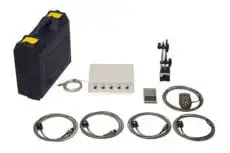
A leghatékonyabb intézkedés, amelyet egy karbantartó csapat a tömítés élettartamának meghosszabbítása érdekében tehet, az a tengely nyugodt járásának biztosítása. Mivel a legtöbb idő előtti tömítéshiba a túlzott tengelymozgásra vezethető vissza, amely a kiegyensúlyozatlanság, tengelyeltolódás vagy elhasználódott csapágyak okozta, ezeknek a kiváltó okoknak a kézben tartása sokkal megbízhatóbban védi a tömítést, mint magának a tömítésnek a korszerűsítése. Egy hordozható, kétcsatornás analizátor, mint amilyen a Balanset-1A lehetővé teszi a technikus számára, hogy a helyszínen ellenőrizze, a rezgés egy elfogadható súlyosság tartományon belül van-e, és ha kiegyensúlyozatlanságot talál, azt a helyszínen kijavítsa a helyszíni kiegyensúlyozás rotor saját csapágyaiban történő kiegyensúlyozásával — megszüntetve ezzel azt a gerjesztést, amely a tömítést tönkretette. Az olajelemzés és a tömítés-hőmérséklet felügyelete mellett értelmezve a rezgésmérés zárja a kört a szivárgó tömítés és az azt okozó mechanikai hiba között.
A tömítéshibák, bár a csapágy- vagy rotorproblémák mellett gyakran figyelmen kívül maradnak, döntő hatással vannak a gépek megbízhatóságára. A megfelelő kiválasztás, a gondos beépítés és a megelőző csere — az idő előtti meghibásodás kiváltó okainak, például a rezgésnek, a kifutásnak és a szennyeződésnek a felszámolásával együtt — lehetővé teszi, hogy a tömítések a tervezett élettartamuk során végig ellássák alapvető feladataikat: a kenőanyag megtartását és a szennyeződések kizárását.

