მბრუნავ მექანიზმებში დალუქვის დეფექტების გაგება


დალუქვის დეფექტები არის ზიანი, ცვეთა ან სრული აპოთეოზი, რომელიც აკიდეგებს დალუქვის კომპონენტებს, რომელთა სამუშაო ლუბრიკანტი შიგნით გაუჭირდეს და დაბინძურება გარკვეული ობიექტიდან მოძრაობის მანქანა. საერთო ოჯახი არეებია ტუჩი დალუქვა (რადიალური ლილი დალუქვა), მექანიკური სახე დალუქვა, ლაბირინთი დალუქვა და O-რინგი, და მათი დეფექტი თარჯიმნობა საღებავი ან ღია გაჟონვა, შემოდინება ჭუჭუტი და ტენიანობა, გაზრდილი ხახუნი და გათბობა, და — ზოგიერთ შემთხვევაში — წვლილი ვიბრაცია ხახუნის ან სითხეში გადაცემული არასტაბილურობის გამო. დალუქვები შეიძლება მცირე ნაწილებად გამოჩნდეს, მაგრამ მათი უკმარობა სერიოზული შედეგებს ატარებს: საპოხი მასალის დაკარგვა იწვევს სწრაფ საკისრების უკმარისობა, დაბინძურება აჩქარებს ცვეთა, ხოლო პროცესის ტუმბოებზე დაზიანებული დალუქვა შეიძლება მნიშვნელოვანი ნივხის დაკარგვა, გარემოს გაბინძურება ან ნამდვილი უსაფრთხოების საფრთხე იყოს.
1. რატომ აქვს დალუქვებს აზრი უფრო დიდი, ვიდრე ხელმისაწვდომი
დალუქვი არის საპოხი სისტემის საზღვარი და, პროცესის აპარატებში, შემკვრელობის საზღვარი. რადგან ის მცირე და იაფია როტორის ან მის მიერ დაცული საკისრების მიმართ, ადვილია გამოტოვება — თუმცა დიდი რაოდენობით საკისრის უკმარობა იწყება არა თავად საკისრით, არამედ დალუქვით, რომელიც უნდა დაცვის. დალუქვის მდგომარეობას პირველადი ნაწილის რეჟიმში განხილვა მდგომარეობის მონიტორინგი, ვიდრე მოხმელების ქვესახეობა, რომელიც უნდა შეიცვალოს გაჟონვის შემდეგ, ერთი ყველაზე იაფი საიმედოობის მოგება.
2. საერთო დალუქვის ტიპები და მათი ხარვეზები
ლიპის დალუქვები (ღერძის რადიალური დალუქვები)
ელასტომერული დალუქვები მოქნილი ლიპით, რომელიც ბრუნვის ღერძთან კონტაქტშია.
საერთო ხარვეზები:
- კაუჩუკის კიდეების ცვეთა: ხახუნი თანდათანობით აწილკვეთს ლიპის მასალას სანამ დალუქვის კონტაქტი დაიკარგება.
- გამკვრივება: სითბო ან ასაკი გამკრთალებს ელასტომერს, ლიპის სახიფათობა და კონფორმაბილურობა სახელმძღვანელო.
- ბზარვა: ბზარი ჩამოყალიბდება ლიპში ასაკის, ქიმიური თავდასხმის ან ზედმეტი გამო ლილვის რბიობა.
- კაუჩუკის კიდეების გაწყვეტა: დაზიანება უხეში ინსტალაციიდან, ღერძის ხარვეზებიდან ან ზედმეტი ვიბრაციისგან.
- გარტერის გაზაფხულის დაკარგვა: მცირე გაზაფხული, რომელიც ინარჩუნებს ლიპის კონტაქტს, ხდება ან ვარდება.
სიმპტომები: საპოხი მასალა ან ფხვნილი გაჟონვა ღერძის გამოსავალზე, ხილული დაბინძურება საკისრის ზონაში, საკისრის ტემპერატურის მატება საპოხი მასალის დაკარგვის დროს, და საკისრის ვიბრაციის ზრდა დაბინძურების დაჭერის დროს.
მექანიკური სახე დალუქვები
გამოიყენება ტუმბოებში და მაღალი წნევის გამოყენებაში, ორი სიზუსტის დაფცული სახე ერთმანეთის წინააღმდეგ გარბის.
საერთო ხარვეზები:
- საკონტაქტო ზედაპირის ცვეთა: შესაბამისი სახეები ტარდება და გაჟონვა იზრდება.
- საკონტაქტო ზედაპირის დაზიანება: ნაკაწრები, ნაფხვენები ან თერმული ბზარები დალუქვის ზედაპირებზე.
- ო-რგოლის უკმარი: მეორადი დალუქვები დეტერიორირდება.
- გაზაფხულის უკმარი: მუშაობის წნევა უზრუნველმყოფი გაზაფხულები აბჯენენ ან სუსტდებიან.
- კოკინგი და ნაკრები: მასალის დაგროვება ხელს უშლის სწორ პირის კონტაქტს.
სიმპტომები: ხილული ღაჟავი დალუქვისას, ორთქლი ან ორთქლი გამოყოფა ცხელი სითხეების დალუქვისას, ხრემლემა ხმა პირის კონტაქტიდან, მაღალი დალუქვის ტემპერატურა და ვიბრაცია პირის კონტაქტის არასტაბილურობიდან.
ლაბირინთის დალუქვები
არაკონტაქტო დალუქვები ფართოდ გამოიყენება თურბინებში და კომპრესორებში.
საერთო ხარვეზები:
- კბილების ცვეთა: ლაბირინთის კბილები გამოჭრილი ან გატეხილი წაბლისაგან.
- ღიობის გაზრდა: ცდა ან თერმული ზრდა ღიობს ხსნის და აასკრებს დალუქვის ეფექტიანობას.
- ხახუნი: კონტაქტი ზემეტი ვიბრაციის ან ღერძის მოძრაობის შედეგად აზიანებს კბილებს.
- დეპოზიტები: ნახშირბადი ან სკალა დაგროვება იცვლება ღიობებს.
სიმპტომები: გაზრდილი ღაჟავი გაზომვადი როგორც ნაკადი ან წნევის დანაკარგი, ეფექტიანობის დაცემა შიგნითური ღაჟავიდან, ვიბრაცია წაბლისაგან, რომელიც ზოგიერთ შემთხვევაში შეიძლება ტრიგერი ორთქლის ტრიალი, და ფიზიკური მტკიცებულება კონტაქტის სახით, როგორიცაა ცდის ნიშნები ან სითბოს დეკოლორაცია.
ო-რგოლები და სტატიკური დალუქვები
- შეკუმშვის დაკომპოზიცია: მუდმივი დეფორმაცია გრძელვადიანი შეკუმშვიდან.
- ქიმიური თავდასხმა: თავსებადი სითხეები ნგრევენ ელასტომერის მასალას.
- ექსტრუზია: O-რგოლი გამწევს ხარვეზიდან წნევის გავლენით.
- თერმული დაზიანება: თერმული დაბერება, გამკრთალება და ბზარი.
3. დალუქვის მარცხის მიზეზები
ნორმალური ცვეთა
- კონტაქტ დალუქვებს აქვთ სასრული მუშაობის ხანგრძლივობა, რომელიც განისაზღვრება ხახუნით გაცვეთით.
- ტიპიური ლიპიანი დალუქვის ხანგრძლივობა დაახლოებით 5,000–20,000 სამუშაო საათია.
- მექანიკური დალუქვის ხანგრძლივობა დაახლოებით 10,000–50,000 საათია, რაც დამოკიდებულია გამოყენების სფეროზე.
- გაცვეთის სიჩქარე დამოკიდებულია ღეროს ზედაპირის დასრულებაზე, სიჩქარეზე და ღეროს დალუქვაზე.
ინსტალაციის დაზიანება
- დალუქვის ლიპი გაწყვეტილია ან დაზიანებულია მიერთებისას.
- დალუქვა სათანადოდ არ არის მოსახლებული მის გაზაფხულში.
- ღეროს ზედაპირის დეფექტები ხახუნოვენ დალუქვის ლიპს.
- დაბინძურება შემოსულია აწყობის დროს.
ოპერაციული პირობები
- ღეროს ზედმეტი გაშემოვლება: ექსცენტრულობა ან ვიბრაცია, რომელიც აღემატება დალუქვის საზღვრებს.
- მაღალი ტემპერატურა: ნგრევს ელასტომერული მასალებს.
- ქიმიური თავსებადობის ნაკლებობა: ტექნოლოგიური სითხეები თავს დაესხმევა დალუქვის მასალას.
- აბრაზიული გარემო: ნაწილაკები აზიანებს ბეჭდის ზედაპირებს.
- შეუშვებელი მუშაობა: ბეჭდის საკიდი ზეთის დაკარგვა იწვევს სწრაფ ცვეთას.
მექანიკური პრობლემები
- ზედმეტი ვიბრაცია დისბალანსი ან არასწორი განლაგება.
- ლილვის დეფექტები როგორიცაა ნაკაწრები ან შედარი, რომელიც ბეჭდის ტუჩს აჭმევს.
- ტარების უკმარობა, რომელიც იძლევა ღერძის ზედმეტ მოძრაობას.
- თერმული ზრდა, რომელიც აშლის ბეჭდის შესაბამობას.
4. ბეჭდის დეფექტების დადგენა
ვიზუალური ინდიკატორები
- გაჟონვა: ზეთი, საკიდი ან პროცესის სითხე, რომელიც ხილული ბეჭდშია.
- შეღებვა: გაღრმავებული ფერი ბეჭდის გარშემო გაჟონვისგან.
- წვეთოვანი: აქტიური გაჟონვა, რომელიც იკრიბება აღჭურვილობის ქვეშ.
- დაბინდვა: წვრილი აფეთქება მაღალი წნევის ბეჭდის გაჟონვიდან.
ოპერაციული ინდიკატორები
- საკიდის დაკარგვა: ზეთის ან საკიდის დამატების განმეორებული საჭიროება.
- დაბინძურება: ღრმა თავსართი ან ტენიანობა ზეთის ანალიზი ნიმუშები.
- ტარების პრობლემები: საკისრების ნაადრევი ცვეთა დაბინძურების ან საპოხი მასალის დაკარგვის გამო
- ტემპერატურის მატება: ტარების გაცხელება არასაკმარისი საკიდიდან.
ვიბრაციის ეფექტები
- ბეჭდის ხახუნი შეიძლება სახელმძღვანელო ხახუნის სიძლიერეს შეუქმნას.
- მაღალი სიხშირის კომპონენტები წარმოიქმნება ბეჭდის კონტაქტიდან.
- მძიმე შემთხვევებში, სუბსინქრონული ვიბრაცია წარმოიქმნება ბეჭდის არასტაბილურობიდან.
- მეორადი ეფექტები მოიცავს ტარების ვიბრაციას დაბინძურებით ან საკიდის დაკარგვით.
ვიბრაციის სიმპტომები დელიკატური და ფართო სპექტრის სახელმძღვანელო, ვიდრე ერთ კრიტიკულ ხაზზე დაკავშირებული, ამიტომ ისინი ყველაზე სასარგებლოა დაკავშირებული ჯანმრთელ საბაზისო ზემოთ სპექტრი: მე-1X-ზე ხტომის ნაცვლად, მე მაღალი სიხშირის ან ქვე-სინქრონული რეგიონის ნელი მატება არის სიპტომის ტიპური ხელმოსაჭერი-კავშირი.
5. სიტიანის წარუმატებლობის შედეგები
მყისიერი ეფექტები
- ლუბრიკანტის დაკარგვა, რომელიც ხშირ შევსებას მოითხოვს.
- დაბინძურებული შემოდინება, რომელიც დარჩენილი ლუბრიკანტის ხარისხს უარყოფს.
- პროდუქტის დაკარგვა ან გარემოს გაქცევა პროცესის სიტიანებზე.
- უსაფრთხოების საფრთხეები მოლიპულ იატაკთან ან ტოქსიკური მასალების გამოყოფასთან დაკავშირებით
მეორადი დაზიანება
- მძღოლის წარუმატებლობა: არასაკმარისი შეზეთვა ან დაბინძურება აზიანებს საკისრებს
- დაჩქარებული ცვეთა: აბრაზიული დაბინძურება სიჩქარეს აჩქარებს ღრმა დაცვის ყველგან.
- კოროზია: ტენიანობის შემოდინება იწვევს ჟანგს და კოროზიას.
- შეერთება დაზიანება: საპოხი მასალის სპრეი აბინძურებს ელასტომერულ შემაერთებელ ელემენტებს
6. პროფილაქტიკა და ტექნიკური მოვლა
სათანადო შერჩევა
- აირჩიეთ სიტიანის ტიპი, რომელიც შესაფერი აპლიკაციისთვის — მისი წნევა, ტემპერატურა, სიჩქარე და ქიმიური გარემო.
- გამოიყენეთ სწორი სიტიანის ზომა და მახასიათებელი.
- დაიცავით ლილვის ზედაპირის დასრულების მოთხოვნა, ჩვეულებრივი 0.8 µm Ra-ის ქვემოთ ნიჟარის სიტიანებისთვის.
- დაემთხვა elastomer-ი თხევადი და ტემპერატურამდე (nitrile, Viton, PTFE და ა.შ.).
ინსტალაციის პრაქტიკა
- გაწმენდეთ ყველა ზედაპირი მონტაჟამდე.
- გამოიყენეთ სწორი მონტაჟის ხელსაწყოები — ხელმოსაჭერი ხელმოწერები, არასოდეს ჩაქუჩი.
- ზეთი ხელმოსაჭერი ნიჟარა მონტაჟამდე.
- დაიცავით ნიჟარა ლილვის უკან სრიალის დროს, მონტაჟის რკინის ჯაკეტის გამოყენებით.
- გადამოწმეთ კვადრატი და სწორი ჯდომა.
ოპერაციული პრაქტიკა
- კარგი მდგომარეობის შენარჩუნება ბალანსი და გასწორება ლილვის მოძრაობა და ვიბრაცია შესამჩნევად შემცირდეს.
- შეინარჩუნეთ მუშაობის ტემპერატურა ბეჭდის რეიტინგის ფარგლებში.
- დარწმუნდით, რომ წამალი ნამდვილად აღწევს ბეჭდამდე.
- მოერიდეთ დალუქვის არეალის დაბინძურებას შეუთავსებელი მასალებით
პრევენციული ჩანაცვლება
- ბეჭდები ჩაანაცვლეთ დაგეგმილი მეთვალიერების დროს, ვიდრე უარყოფას ელოდოთ.
- ტიპიური ჩანაცვლების ინტერვალი ორი-ხუთი წელი, ან მწარმოებლის რეკომენდაციის მიხედვით.
- აუცილებლად დაამონტაჟეთ ახალი ბეჭდები, როდესაც ტარების ჯამი იხსნება.
- ბეჭდების კომპლექტი შეინარჩუნეთ რეზერვული ნაწილების სინვენტარში.
7. სპეციალური გათვალისწინებები
მაღალი ვიბრაციის აღჭურვილობა
- გავლების ჭარბი მოძრაობა სწრაფად ანადგურებს ბეჭდებს.
- ვიბრაციის ძირეული მიზეზი უნდა იქნას აღმოფხვრილი, რათა მივაღწიოთ ბეჭდის მისაღები სიცოცხლე.
- მძიმე-კლასის ან გაზაფხულის დაძაბული ბეჭდები დეტალებს ხელმძღვანელობენ მაღალი ვიბრაციის აპლიკაციებში.
ექსტრემალური გარემო
- მაღალი ტემპერატურა: გამოიყენეთ მაღალი ტემპერატურის ელასტომერები ან მექანიკური ბეჭდები
- აბრაზიული: დაამონტაჟეთ დამცავი გავლის გარსები და განდევნელი ბეჭდები, რათა გამორიცხოთ ნაწილაკები.
- კოროზიული: გამოიყენეთ ქიმიურად წინააღმდეგმდგომი მასალები და დაფარული ზედაპირები.
- ვაკუუმი: გამოიყენეთ განსაკუთრებული დაბალი გამოფხვნილი ბეჭდები.
8. ბეჭდის პრობლემების აღმოფხვნა
ნაადრევი ბეჭდის უკმარისობა
გამოკვლევის არეები:
- დაადასტურეთ გავლის ზედაპირის მდგომარეობა — სიმხრუტე, ხეთხოები, კოროზია.
- შეამოწმეთ გავლის გადახრა, რადგან ჭარბი გადახრა სწრაფად ბეჭდებს სიკვდილს უტანებს.
- გაზომეთ ვიბრაციის დონეები, რადგან მაღალი ვიბრაცია ბეჭდის სიცოცხლეს შეამცირებს.
- დაადასტურეთ, რომ მუშაობის ტემპერატურა ბეჭდის რეიტინგის ფარგლებში არის.
- შეამოწმეთ ქიმიური შეუთავსებლობა.
- ინსტალაციის პრაქტიკის შემოწმება.
- დაასტუმრეთ, რომ შტამპის ტიპი და ზომა სწორია მოცემული პირობებისთვის.
მუდმივი გაჟონვა
შესაძლო მიზეზები და გადაწყვეტილებები:
- ლილვის დაზიანება: ღრმა ხვრელი შტამპის ადგილას → შეაკეთეთ ლილვი ან მოათავსეთ შემოსწორების ხელ袖.
- ზედმეტი ტრიალი: ლილვის ექსცენტრულობა → შეასწორეთ გადინება ან გამოიყენეთ უფრო მაღალი ტევადობის დალუქვა
- არასწორი ორიენტაცია: შტამპი დამონტაჟდა უკან → ხელახლა დაამონტაჟეთ იგი სწორად.
- დაზიანებული კაუჩუკის კიდე: ინსტალაციის დაზიანება → შეცვალეთ და გამოიყენეთ შესაბამისი ტექნიკა
- არასწორი წნევა: წნევა აღემატება შტამპის შეფასებას → გამოიყენეთ წნევის შესაფერი შტამპი ან შეამცირეთ წნევა.
9. შტამპის გამომწვევილი ვიბრაციის პრობლემები
დალუქვის ხახუნი და არასტაბილურობა
- კონტაქტური შტამპები შეიძლება გამოიწვიოს სიდეგ-სიდეგი ხახუნი.
- შეიძლება ხელი შეუწყოს დაბალი სიხშირის ვიბრაციას ან ხმაურს
- მშრალი შტამპები განსაკუთრებით მიდრეკილი არიან ხახუნის ვიბრაციისადმი.
- უკონტაქტო დალუქვის საშუალებებს (ლაბირინთს) შეუძლიათ აეროდინამიკური არასტაბილურობის შექმნა
დალუქვის ხახუნი/კონტაქტი
- ლილვის ზედმეტი მოძრაობა შტამპს ღრმა კონტაქტში აბრუნებს ლილვთან.
- კონტაქტი ციცხვის და ზიანს აყენებს შტამპს სწრაფად.
- ასიმეტრიული გათბობა შეიძლება აწარმოებინოს თერმული გაღუნვა ლილვში.
- შედეგი ხშირად მაღალი სიხშირის ვიბრაცია და ხმაა — სრული ხის ახლო ნათესავი როტორის ხახუნი.
10. გავლენა მანქანის საიმედოობაზე
შეთხზვის სისტემის მთლიანობა
- შტამპები არის შეთხზვის სისტემის კრიტიკული საზღვარი.
- დალუქვის უკმარისობა იწვევს საპოხი მასალის დაკარგვას და დაბინძურების შეღწევას
- შედეგი არის ბერკეტის სწრაფი გაუარესება.
- ეს შეიძლება გამოწვიოს მანქანის სრული უკმარობა.
გარემოს დაცვა
- დალუქვები აკავებენ პროცესის თხევადის გაჟონვას ტუმბოებიდან და კომპრესორებიდან.
- უკმარობამ შეიძლება გამოწვიოს გარემოს დაბინძურება.
- ტოქსიკური ან აალებადი მასალები ზოგადად უსაფრთხოდან ეჭვს აჩენენ.
- გაჟონვამ შეიძლება შექმნას რეგულაციული დაკმაყოფილების პრობლემები.
11. თანამედროვე დალუქვის ტექნოლოგიები
მოწინავე დიზაინები
- მრავალ-ვიბრაციო დალუქვები: რამდენიმე დალუქვის ვიბრაცია რეზერვისთვის.
- განსახლების დალუქვები: ცენტრიდანული მოქმედება ააკიდებს უცხო ნივრებს დალუქვიდან.
- მაგნიტური დალუქვები: მაგნიტური თხევადი, რომელიც დამაგრებულია მაგნიტური ველის მიერ.
- შრობადი აირის საკეტი: უკონტაქტო დალუქვები მაღალი სიჩქარის კომპრესორებისთვის.
- კარტრიჯის დალუქვები: წინასწარ აწყობილი ერთეულები, რომლებიც ამარტივებენ ინსტალაციას.
მდგომარეობის მონიტორინგი
- დალუქვის ღაჟონვის აღმოჩენის სისტემები.
- ფლაშ-სითხის ნაკადის მონიტორინგი მექანიკურ დალუქვებზე.
- ტემპერატურის მონიტორინგი დალუქვის ადგილას.
- ვიბრაციის მონიტორინგი დალუქვასთან დაკავშირებული პრობლემების ადრეული გამოვლენისთვის.
12. ვიბრაციის კავშირი პრაქტიკაში — და Balanset-1A
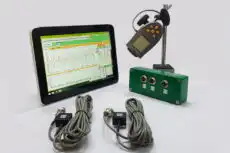
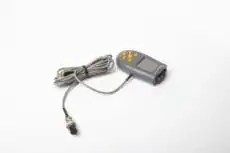
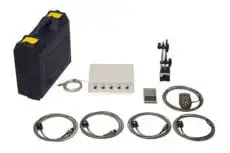
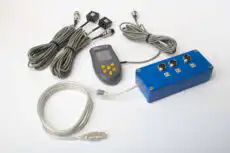
დაცვის სიცოცხლის გაწელვის ერთადერთი ყველაზე ეფექტური საშუალო, რომელიც შენარჩუნების გუნდმა შეიძლება გააკეთოს, არის ვალის მშვიდობად შენახვა. რადგან დაცვის უმეტესი აადრეული უკმარობა გამოწვეულია ზედმეტი ვალის მოძრაობით დისბალანსი, არასწორი განლაგება ან გამოცდილი საკისრებიდან, ამ ძირეული მიზეზების კონტროლი შეიძლება დაცვას ბევრად უფრო საიმედოდ დაიცვას, ვიდრე თავად დაცვის ამაღლება. პორტატული ორ-არხიანი ანალიზატორი, როგორიცაა ბალანსეტი-1ა საშუალებას აძლევს ტექნიკოსს დაადასტუროს ველზე, განთავსდება თუ არა ვიბრაცია დამადასთან სიმძაფრე ხელს შორის, და როდესაც უთანაბრობა აღმოჩნდება, გამოსწორება იგი ადგილზე ველის ბალანსირება როტორი მის საკუთარ საკისრებში — მოხსნით ზუსტი აღგზნება, რომელიც დაცვას ანადგურებდა. თეთრეულის ანალიზის და დაცვის-ტემპერატურის მონიტორინგის სიახლოვეს, ვიბრაციის გაზომვა იკეტება მოსახლეობის დაჭერილი დაცვასა და მექანიკურ ხარვეზს შორის, რომელმაც იგი გამოიწვია.
შუასადების დეფექტები, თუმცა ხშირად უგულებელყოფილია საკისრის ან როტორის პრობლემებთან შედარებით, გადამწყვეტ გავლენას ახდენს დანადგარის სანდოობაზე. სწორი შერჩევა, ფრთხილი მონტაჟი და პრევენციული შეცვლა — ვიბრაციის, რადიალური ცემისა და დაბინძურების მსგავსი ნაადრევი მარცხის ძირეული მიზეზების აღმოფხვრასთან ერთად — საშუალებას აძლევს შუასადებებს, შეასრულონ ლუბრიკანტის შეკავებისა და დაბინძურების გამორიცხვის თავიანთი არსებითი ფუნქციები მთელი გათვლილი რესურსის განმავლობაში.

