ISO 13373-1: Машиналардың техникалық жай-күйін бақылау және диагностикалау — Діріл жай-күйін бақылау, 1-бөлім: Жалпы рәсімдер

ISO 13373-1 жүйелі, қайталанатын рәсімді орындауды белгілейді vibration өлшемдер мен талдаулар техникалық жай-күйді бақылау бағдарламасының бөлігі ретінде. Бұл өлшеудің практикалық механикасына арналған “нұсқаулық” — өлшеу нүктелері мен параметрлерін қалай таңдауға, деректерді қалай алуға және бағалаудың бірінші деңгейін қалай жүзеге асыруға болатыны туралы. Оның мақсаты — жинаған діріл деректеріңіздің уақыт өте машинаның техникалық жай-күйіндегі өзгерістерді анықтауға сәйкес, сенімді және тұрақты болуын қамтамасыз ету. Мұнда ISO 17359 бақылау бағдарламасының жалпы стратегиясын белгілейді, ISO 13373-1 тербеліс арнасы бойынша рәсімдік егжей-тегжейді толтырады және артындағы үздік тәжірибелерді ресімдейді маршрутқа негізделген деректер жинау.
1. Қолдану аясы және мақсаттары
Бұл негіздеуші тарау стандарттың мақсатын анықтайды: тербеліс күйін бақылаудың бүкіл процесін қамтитын жалпы, жүйелі және қайталанатын рәсімдер жиынын белгілеу. Негізгі мақсат — деректердің тұрақты және сенімді түрде алынуын қамтамасыз ету, сонда олар өзінің мақсатты пайдалануға жарамды болады — машинаның динамикалық мінез-құлқындағы өзгерістерді олардың дамуы барысында анықтау. Бұл құжат жаңа бағдарлама орнату немесе бар бағдарламаны тексеру үшін рәсімдік негіз болуға арналған.
Негізгі хабарлама мынада: осы рәсімдерді орындау ұйымға машинаның тербеліс тарихының жоғары сапалы деректер базасын қалыптастыруға мүмкіндік береді. Бұл тарих тиімді ақаулықты анықтау, trend analysis and diagnosticsүшін қажетті алғышарт болып табылады. Стандартта 1-бөлім жалпы әдіснаманы қамтитыны, ал кейінгі бөлімдер — атап айтқанда ISO 13373-2 — деректер дұрыс жиналғаннан кейін оларды түсіндіретін толығырақ диагностикалық әдістемелерді ұсынатыны нақты көрсетілген.
2. Өлшеу және сенсорды таңдау
Бұл тарау кез келген өлшеудің негізін қалайтын шешімдерді реттейді. Онда өлшеу нүктелерін таңдауға құрылымдық тәсіл талап етіледі; өлшеу нүктелері ротордан берілетін күштерді дәл тіркеу үшін машинаның мойынтіректеріне мүмкіндігінше жақын орналасуы тиіс екені баса айтылады. Машинаның қозғалысын толық үш өлшемді бейнелеу үшін өлшеу бағдары — көлденең, тік және axial — бойынша егжей-тегжейлі нұсқаулар берілген.
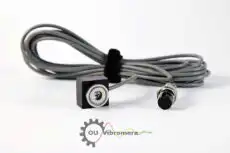
Бөлімнің маңызды бөлігі сенсор таңдауына және түрлендіргіш түрлері арасындағы ымыраға арналған. accelerometer кең жиілік ауқымы мен сенімділігіне байланысты ең кең таралған таңдау ретінде анықталды, бірақ стандартта сондай-ақ жылдамдық түрлендіргіштер және контактісіз жуықтау сенсорлары сұйықтық үйкелісті мойынтіректі машиналар сияқты арнайы қолданбалар үшін де қарастырылған. Ең бастысы, деректер сапасы сенсордың бекіту тәсіліне тікелей байланысты екені атап өтіледі; ең жоғары қайталанатын нәтижелер алу үшін тұрақты шпилькалық бекіту берік ұсынылады және ISO 5348.
3. Өлшеу параметрлері
Бұл, дау жоқ, ең техникалық бөлім, себебі онда спектрлік және толқындық деректердің сапасы мен пайдалылығын анықтайтын data collector ішіндегі параметрлер реттелінеді. Онда осы параметрлерді нақты машина мен бақыланатын ақауларға байланысты таңдауға арналған әдіснама ұсынылады:
- Жиілік ауқымы (Fmax): өлшеу үшін ең жоғары жиілік қызығушылық туғызатын сигналдарды — жоғары жиілікті тонды төлеген сәтсіздіктер or gear mesh — тіркеуге жеткілікті жоғары болуы тиіс, бірақ кері жағдайда ажыратымдылықты қажетсіз шуылмен сұйылтып жіберетіндей жоғары болмауы керек.
- Resolution: спектрдегі жолдар саны. FFT спектр. Жақын орналасқан компоненттерді бөлу үшін жеткілікті ажыратымдылық қажет, бұл sidebands берілісті торап жиілігі маңайында немесе көп біліктік машинадағы бір-біріне жақын жұмыс жылдамдықтарын ажырату кезінде.
- Averaging: сигналдарды орташалау сигнал/шу қатынасын жақсартады және тұрақты, қайталанатын өлшем береді. Стандарт әртүрлі нысандарды — СКО-ны орташалау және peak hold солардың ішіндегілерін — және әрқайсысының қашан қолайлы екенін сипаттайды.
- Windowing: онда неліктен терезелеу функциясы such as a Hanning window ДФТ орындалуы алдында уақыт деректеріне қолданылуы тиіс, себебі ол спектрлік ағып кету.
Choosing Fmax деп аталатын спектрлік тілімшенің жиілік диапазонын бірлесіп анықтайды, сондықтан бұл екі параметр жұп ретінде таңдалғаны тиімді; арнайы FFT ажырату қабілеті есептеуіші бұл компромисті маршрут конфигурацияланғанға дейін нақты айқындайды.
4. Деректерді жинау рәсімдері
Бұл тарау баптаудан орындауға көшіп, жинаудың өзіне арналған қатаң рәсімді ұсынады. Басты мәселе — салыстырымдылық: әрбір өлшем бір нүктедегі барлық өткен және болашақ өлшемдермен тікелей салыстырылуы тиіс. Стандарт сынақ сәтінде машинаның жұмыс жағдайларын — айналу жылдамдығын, жүктемені, температураны және басқа да тиісті процестік айнымалыларды — тіркеуге ерекше мән береді. Бұл контекст маңызды, өйткені жұмыс жағдайларының өзгеруі машинаның тербеліс сипатнамасын айтарлықтай өзгерте алады, ал онсыз зиянсыз өзгеріс дамып келе жатқан ақаулық ретінде дұрыс емес оқылуы мүмкін. Тарау сондай-ақ жазбаны бастаудан бұрын өлшеу тізбегінің жұмысқа жарамдылығын тексеруге арналған тізімді қамтиды: датчиктің дұрыс орнатылғанын, кабельдің ақаусыз екенін және жинағыштың параметрлері дұрыс екенін растауды.
5. Деректерді талдау және бағалау
Жоғары сапалы деректер болған соң, бұл тарау оны түсіндіру шеңберін белгілейді және алғаш рет мынадай стандарттарда енгізілген екі жақты тәсілді ресімдейді: ISO 20816-1 (ISO 10816-1-дің заманауи мұрагері):
- Абсолютті шек мәндерімен салыстыру: өлшенген кең жолақты мән алдын ала белгіленген severity кестелерімен салыстырылады — мысалы, ISO 20816 сериясының аймақтары — машинаны «Жақсы», «Қанағаттанарлық» немесе «Қанағаттанарлықсыз» деп жіктеу үшін.
- Трендтік талдау: тұрақты базалық деңгейді орнату үшін мәндерді уақыт бойынша бейнелейтін неғұрлым қуатты әдіс baseline содан кейін одан айтарлықтай ауытқуды бақылайды. Стандарт мынаны анықтаудың маңыздылығын атап өтеді: change абсолютті мәннен жиі маңыздырақ болады.
Ол деректерге негізделген дабыл шектерін белгілеу әдіснамасын қамтамасыз етеді: Alert тербеліс екі есе артқанда (базалық деңгейден 100% өсу) дабыл берілуі мүмкін, ал Trip бес есе артқанда (400% өсу) дабыл берілуі мүмкін — абсолютті мәндер қабылданатын шек шеңберінде қалса да. Өзгерістерге негізделген бұл логика тек қатаң шекпен ұзаққа дейін анықталмайтын ақауларды уақытылы байқайды.
6. Негізгі Ақауларды Анықтау
Соңғы тарау диагностикалық процеске кіріспе болып табылады. 1-бөлім деректерді жинауға және анықтауға шоғырланса, бұл бөлім диагностикаға қарай көпір болады: әртүрлі механикалық және электрлік ақаулар тербеліс деректерінде бірегей, танылатын үлгілер тудыратынын негізгі принцип ретінде түсіндіреді. Ол FFT spectrum дағы нақты жиіліктерді машинадағы физикалық көздерімен байланыстыру тәжірибесін таныстырады. Жұмыс жылдамдығының бір еселі мәніндегі (1X) үстем шың әдетте unbalanceкөрсетеді; 2X мәніндегі қуатты шың жиі misalignmentнұсқайды; ал жоғары жиілікті, синхронды емес шыңдар жиі төлеген сәтсіздіктербайланысты болады. Бұл негіз аналитикке ISO 13373 сериясының жетілдірілген стандарттарында қарастырылған терең түбірлі себептерді талдауға кіріспес бұрын қажет.
7. Процедураны Тәжірибеде Қолдану
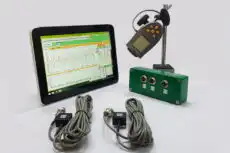
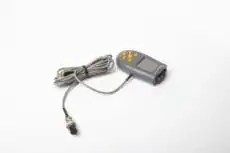
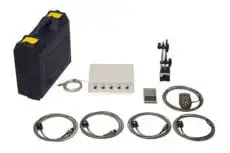
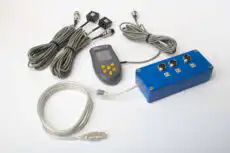
ISO 13373-1 стандартын тәжірибеде қолдану стандарт параметрлеріне сай спектрлерді жинай алатын және әр өлшеммен бірге жұмыс жағдайларын тіркей алатын аспапты пайдалануды білдіреді. Мысалы, Балансет-1А сияқты портативті екі арналы анализатор стандарт талап ететін кеңжолақты деңгейлер мен FFT спектрлерін өлшейді, теңгерімсіздікті дұрыс орнатпаудан ажырататын синхронды 1X амплитудасы мен phase тіркейді, сондай-ақ техникке әр нүктемен бірге жылдамдық пен жүктемені жазып алуға мүмкіндік береді — кейінгі салыстырулар дұрыс болу үшін. 5-бөлімдегі талдау теңгерімсіздік ақауын растаса, сол аспаппен field balancing орнында түзету жүргізіледі, анықтау мен түзету циклі бір жерде сақталады.
8. Есте Сақтауға Тиісті Негізгі Ұғымдар
- Тұрақтылық және қайталанымдылық: стандарттың орталық тақырыбы — деректер бірізсіз жиналса, мониторинг бағдарламасы құнсыз болады, ал ISO 13373-1 оны бірізді ететін ережелерді ұсынады.
- Data quality: стандарт сапаны анықтайтын факторларға, ең алдымен датчикті бекіту тәсіліне және жиілік диапазоны мен ажыратымдылық сияқты өлшем параметрлерін дұрыс таңдауға ерекше назар аударады.
- Бағдарлама негізі, диагностикалық нұсқаулық емес: ол сізге әр нақты ақауды қалай анықтауды айтпайды; бұл сізге қалай жасау керектігін айтатын маңызды бірінші қадам collect ISO 13373-2 және -3 стандарттарында қамтылған диагностика кейін талдайтын деректер.
Толық ресми мәтін ISO ұйымы тарапынан 21831 нормативтік сілтемесі ретінде жарияланған және ISO дүкенінен сатып алынуы мүмкін. Жоғарыдағы қысқаша мазмұн оның рәсімдік логикасын қамтиды; толық нормативтік мәліметтерге, нақты құзыреттілік өлшемшарттарына және барлық техникалық сипаттамаларға мұқтаж ұйымдар стандарттың өзін алуы тиіс.