ISO 17359: Машиналардың жағдайының мониторингі және диагностикасы — Жалпы ұстанымдар


ISO 17359 машина жағдайының мониторингі барлық саласын қамтитын жоғары деңгейдегі “сүйегінің” стандарты болып табылады техникалық жай-күйді бақылау. Ол бір өлшеу әдісін ұсынудың орнына, төлқұжатқа ұсақ-түйін жоспарындан бастап рутинды операция және қайта қарауға дейін мониторинг бағдарламасын орнату және жүргізу үшін стратегиялық ұрамасын — жол картасын — орнатады. Ол әдетте технология-бейтарап: ол сізге how and why бағдарламасын құрастыру, сосын әрбір жеке технологиясы реттейтін арнайы стандартқа сілтеме жасайды, оның ішінде ISO 13373-1 for vibration analysis, oil analysis трибология және инфрақызыл thermography термалды сәндеу үшін. Қысқа айтқанда, ISO 17359 бүтін дисциплинасы біріккен басталу нүктесі болып табылады.
1. Сүйегінің стандартының рөлі
Көп жағдайда мониторинг стандартлары тар сұрақтарға жауап беріңіз: қай датчик, қай жиілік диапазоны, қай сигнал диаграммасы. ISO 17359 бұған өндіктірек, стратегиялық сұраққа жауап беріңіз — бағдарламасының барлығы қандай болуы керек және оның құрамдары қалай өлшемелес? Ол инвестициялық ісін негіздейтін және ынамдылықты маңызды машиналарға назар аударатын іскерлік және инженерлік логиканы түгендейді.
Екі идея бүтін ұрамасын негіз деген болады. Алғашқысы дамып барған бұзылуды іс жүргісек орындай түсінігінде ала білу: ISO 17359 мұны ота істесінің уақыт ажырымасы — бұзылу алғашқы рет табылған уақыт пен машина енді жұмыс істей алмайтын уақыт аралығы — ынамдылық-орталықты ұстынаудағы P-F аралығы ретінде білінген бір ойлау — бүтін мәні жағдайға байланысты техническалық қызмет is to detect the fault within that window and act before functional failure arrives, converting an unplanned breakdown into a planned, proactive repair. The second idea is integration: бірнеше технологиялардан алынған деректер — вибрация, май, термография, электрдвигатель ағымының талдауы — біргіге бірлестіріле отырып кез келген бір әдіс жеке құра алатындай сенімді диагностика ұсына алады.
2. The Cyclical Process — Six Core Steps (a Simplified View)
ISO 17359 lays out the programme as a continuous cycle in which the output of the final stage feeds back into the first, creating a process of continuous improvement. The standard’s own flowchart (Figure 1, developed in Clauses 5–11) is more detailed than any short list: it opens with an explicit business cost-benefit analysis, then proceeds through an equipment audit, a reliability and criticality audit (FMEA/FMECA), selection of the monitoring method and alert/alarm criteria, measurement and trending, diagnosis and prognosis, determination of the maintenance action, and finally a review of the programme’s effectiveness. The six steps below are a practical condensation of that fuller workflow — grouped for readability, not a literal ISO step count.
1-қадам — машинасы туралы білім және ақпарат (аудит)
This foundational step is the strategic core of the entire programme. In the standard itself the ground-work begins even earlier, with a business cost-benefit analysis that confirms monitoring is worth the investment before any technology is chosen. The step then mandates a thorough audit to identify which machines are most important to the operation and therefore warrant monitoring — a criticality және активтер рейтингісінің сәтсіздігінің салдарына сәйкес тәулеу. Түпке қойса сыны машиналар анықталғаннан кейін, стандарт барлық сәйкес ақпаратты жинау қажет етеді: дизайны спецификациялары, әрекетті параметрлері, техникалық құжмет қүндіңі өтінісінің өтінісінің өтінісін өтінісінің өтінісін өтінісінің өтінісін және — ең бәріде — дәлі сәтсіздік режімі және әсерінің талдамасы (FMEA).
FMEA машинаның немесе оның компоненттерінің сәтсіздік болуы мүмкін барлық тәсілдерінің анықтауына үшін жүйелі әдіс. Әрбір сәтсіздік режімі үшін — айталық “тіс жамсалығы” немесе “вал unbalance” — топ ықтима себептерінің, оның болашақтайтын белгілерін немесе әсерін (мысалы “жоғары жиілік соққы түғызады” немесе “жоғары 1X вибрациясына әкеледі”), және сәтсіздіктің салдарын есептейді. Нәтиже әрбір сыны машинасының сенімді сәтсіздіктердің толық каталогы, және бұл каталог барлық келесі қадамдарды бағыттайды.
2-қадам — байқалау стратегиясын таңдау
Бұл қадам FMEA-дан тіпелей негізделеді. Анықталған әрбір сәтсіздік режімі үшін, топ оның пайда болуын көрсету үшін ең тиімді және экономикалық технологияны таңдайды; еріктелік бір өлшемді-барлық жауап жоқ. Егер FMEA көрсетсе, редуктордың басты сәтсіздік режімі тіс wear, стратегия болуы мүмкін тозу-бөлшектерінің oil analysis, ол вибрация қайта сәйкестеген бұрын ұзақ уақыт нәтиже хабарлайды. Вал misalignment, анық таңдау вибрациялық талдау болып табылады, себебі ол 2X қайта сәйкес орындалағанның сипаттамалық суретін тіке оқиды. Бұл жердегі іс-әрекет әрбір қол жетімді ШБМ технологиясы қарау және әрбі OneToMany ан FMEA болжамдарының сипаттау белгілерінің салыстырмалық болып табылады, нысан және тиімді жоспарды құру болып табылады.
3-қадам — байқалау бағдарламасын орнату
Бұл тактикалық жоспарлау кезегі, 2-қадамдың стратегиясы құжатталған іс-әрекет жоспарына айналады. Ол әрбір машинада дәл өлшеу орындарының, жазылатын дәл параметрлерді (RMS жылдамдығы, пик-үдеулігі, температурасы, тозу-бөлшектерінің концентрациясы), мәліметтерді жинау жиілігінің (ең аз сыны емес активтер үшін айс сайын, ең сыны үшін үздіксіз), және басталғы алдарда немесе ескерту шектерінің анықтайды. Стандарт бұл біріншінше alarm levels: жалпы ықтимал диаграммалары сияқты ISO 10816 / ISO 7919 (қазір біріктіре отырып ISO 20816), référence құрал сатушысының ұсынымдары немесе сау жүйеден өзгеріс пайызы baseline оқуы. Нәтижесі әрбір машина үшін толық, жазбалық мониторингтеу жоспары.
4-қадам — Деректер жинау
Бұл қадам жоспарының тәртіптік, физикалық орындалуы: техникер немесе автоматтандырылған жүйені жіберіп, белгіленген деректерді белгіленген аралықта жинау. Стандарт деректердің келсе де, келуі де сақталады дегенге ерекше назар аударады және әрбір келсе де, келуі де деректерді жинау технологиясы үшін детальды әдісті ұстану — вибрациялық үшін сәйкес келу ISO 13373-1 — және машина әрбір рет салыстырмалы жағдайда жұмыс істеуін қамтамасыз ету (бір адам жүк және жылдамдық), әрбір жазба датамен, уақытымен, машина идентификаторы және өлшеу нүктесі идентификаторы сөзі сенімді trending.
5-қадам — Деректер талдауы және диагностика
Мұнда ішінара деректер ақпарат болып айналады. Analysis алдыңғы жағдайдың: жаңа оқу 3-қадамда қойылған сигнал шектеріне қарсы салыстырылады. Егер ешнәрсе ұтылмаса, машина сау деп тіркелген. Егер сигнал істеп қалса, жұмыс diagnostics — тәлімдеу бір аналитигі түбегейлі себебін табу үшін іздестіру. Бұл вибрациялық өлшеу жинақты spectrum, немесе мұнай іріктемесіндегі бөлшектердің өлшемі мен пішімін зерттеу. Стандарт жүйелі әдістеме ұсынады: байқалған ептігі 1-қадамда жүргіздірілген ойын табуында орындалған істіміңен тек белгісіз, diagnosis — and, where the data allow, a prognosis of how long the machine can safely run before the fault must be corrected.
6-қадам — Ынамдастыру шешімі және іс-әрекет
Соңғы, қозғақы қадам диагностиканы іс-әрекетке айналдырады — дегенмен “тікелей жөндеу” кейбір нұсқа ғана болып табылады. Шешімі сотпадіңіз міндеттіліг бір балл және пайдалану ресурстарының сипаттамасын өлшеген болып табылады. Құрылымдағы көз көрсімі болуы мүмкін түнділіктіңіз бар мониторингтік жиілігінің көрсімі, немесе ынамдыларының соңына сметалау біреу (тағдыр жұмысы, төлеген өзгерткілі) сеніміңіз іс-әрекетіне немесе әлуде ұстанымдарын ұсынуы мүмкін shutdown to head off catastrophic failure. Once the work is done and the fault verified as cleared, the result is fed back into the machine’s history (Step 1), closing the loop and improving the next cycle. ISO 17359 also closes the loop at programme level: it calls for a periodic review that measures the effectiveness of the monitoring effort itself and revisits the original cost-benefit case, so the programme — not just the machines — keeps improving.
3. Вибрациялық талдау қайда сәйкес келеді — және Balanset-1A
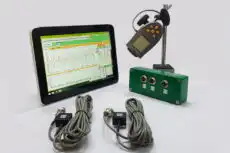
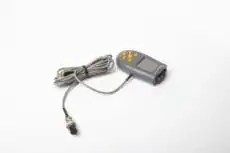
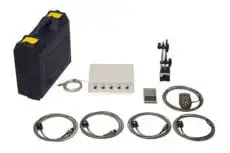
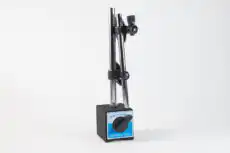
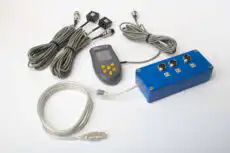
ISO 17359 технологияда бәйтеңсіз болса да, вибрациялық ең негіз болатын мониторингтіңіз шалағысы себебі ол сәтсіздіктердің өте төмен санын көрсетеді — дағдысы, looseness, төлеген сәтсіздіктер and gear defects біршей ғана теңдіктіңіз байланысты. 4-қадамы итеге портативті, ептігі арақатты құрылымын арахалықтағы болып табылады. Екі сыныбы құрылысы сияқты Балансет-1А екеу рөлдерді бір құрылымға жинайды: осы FFT spectrum және барлық вибрациялық деңгейлер 5-қадамына ISO 20816 шектері қарсы салыстыруға қажет болып табылады, және — диагностиканың unbalance — ол түзеу орындайды field balancing машинаның өз подшипниктерінде ротордың ығысуы ілеспей. Анықтау сатысынан түзету сатысына тура ауысу мүмкіндігі, стандарт ынамдаған тиімді, жабық циклдік түрдегі іс-әрекеттің орталықты ойы.
4. Есте сақтау керек басты ұғымдар
- Стратегиялық негіз, өлшеу рецепті емес: стандарт бағдарламасы құру әдісінің және сөзсіздігінің туралы болып табылады, өлшем іс-әрекетін «RMS жылдамдығын өлшеңіз» деп айтпай, инженерлік және іскери логикасын береді.
- Technology-agnostic: бағдарлама тербеліс, майдың анализі, инфрақызыл термография негізінде болсын да бірдей негіз қолданылады, акустикалық нәмұсқа немесе электрдік тізбек талдауы.
- Істегін аяқтауға дейінгі уақыт: a developing fault can be caught well before functional failure, enabling planned, proactive maintenance instead of reactive repair.
- Integration: бірнеше технологияның мәліметтерін біріктіру бір құрылықтың ғана қарамағында машина құйынының өзіндік болмысын дәлірек және анықтырақ суреттерін береді.
- Үзіліссіз жетілдіру: the cycle feeds verified outcomes back into machine history, and the standard’s dedicated review stage measures the programme’s own effectiveness, so the effort learns and sharpens over time.
5. ISO 17359-тың серіктес стандарттарымен байланысы
ISO 17359 құжаттар отбасының төбесінде тұр және оны оларға кіру нүктесі ретінде оқу өте пайдалы болады. Ол аудандарын ағынға салады ISO 13373-1 тербеліс мәліметтерін жинаудың ұсақ механикасы үшін, ISO 13374 мәліметтік өңдеу және байланыс архитектурасы үшін және ISO 20816-3 сатысы 5 бағалау үшін абсолюттік тербеліс шектері қажет болған сәтте құлпы стандарттары сияқты. Персонал құзыреттілігін өзінен бөлектей реттейді ISO 18436-2, ол 5 және 6 қадамдарын жүзеге асыратын талдаушылар үшін квалификация санаттарын белгілейді. ISO 17359-ты алғашқы оқу барлық ағындарды аулақта түрінде оңай айырмалауын істей алады, өйткені ол әр ұсақ стандарт жалпы циклдік сыяпты орында түсіндіреді. Толық ресімі стандартты анықталамасы ISO 71194 сияқты жарыққа түсіргенді және толық нормативтік сөзбендіктері қажет ұйымдар үшін ISO сатылығынан сатып алынуы мүмкін.

