ಸಮತೋಲನ ಸೇವೆಗಳು › ಸೆಪರೇಟರ್ಗಳು & ಸೆಂಟ್ರಿಫ್ಯೂಜ್ಗಳು
ಸೆಪರೇಟರ್ & ಸೆಂಟ್ರಿಫ್ಯೂಜ್ ಬ್ಯಾಲನ್ಸಿಂಗ್ — ಇನ್-ಸಿಟು, ಕಾರ್ಯರತ ವೇಗದಲ್ಲಿ
ಡಿಸ್ಕ್-ಸ್ಟ್ಯಾಕ್ ಸೆಪರೇಟರ್ಗಳು, ಡಿಕಾಂಟರ್ ಸೆಂಟ್ರಿಫ್ಯೂಜ್ಗಳು ಮತ್ತು ಬ್ಯಾಸ್ಕೆಟ್ ಸೆಂಟ್ರಿಫ್ಯೂಜ್ಗಳು ಹೆಚ್ಚಿನ ವೇಗದಲ್ಲಿ ತಿರುಗುತ್ತವೆ — ಕೆಲವೇ ಗ್ರಾಂಗಳ ಅಸಮತೋಲನವು ಸಾಮಾನ್ಯವಾಗಿ ವಿನಾಶಕಾರಿ ಬಲವನ್ನು ಉಂಟುಮಾಡುತ್ತದೆ. ಉತ್ಪನ್ನ ನಿರ್ಮಾಣ, ಸವೆತ ಮತ್ತು ದುರಸ್ತಿ ವೆಲ್ಡ್ ಗಳು ನಿರಂತರವಾಗಿ ಅವುಗಳನ್ನು ಅಸಮತೋಲಿತ ಮಾಡುತ್ತವೆ. ನಾವು ಬೌಲ್ ಅಥವಾ ಬ್ಯಾಸ್ಕೆಟ್ ಅನ್ನು ಸಮತೋಲಿತ ಮಾಡುತ್ತೇವೆ ಸ್ಥಳದಲ್ಲಿ, ಕಾರ್ಯಾಚರಣೆ ವೇಗದಲ್ಲಿ, ಯಾವುದೇ ವಿಘ್ನ ಇಲ್ಲದೆ ಮತ್ತು ಯಾವುದೇ ಪ್ರಕ್ರಿಯೆ ಅಡಚಣೆ ಇಲ್ಲದೆ — ಒಂದೇ ಆನ್-ಸೈಟ್ ಸೆಷನ್ನಲ್ಲಿ ಬೇರಿಂಗ್ ವೈಫಲ್ಯ, ಸೀಲ್ ಸವೆತ ಮತ್ತು ವೈಬ್ರೇಶನ್ ಟ್ರಿಪ್ಗಳ ಮೂಲ ಕಾರಣವನ್ನು ತೊಡೆದುಹಾಕುತ್ತದೆ.
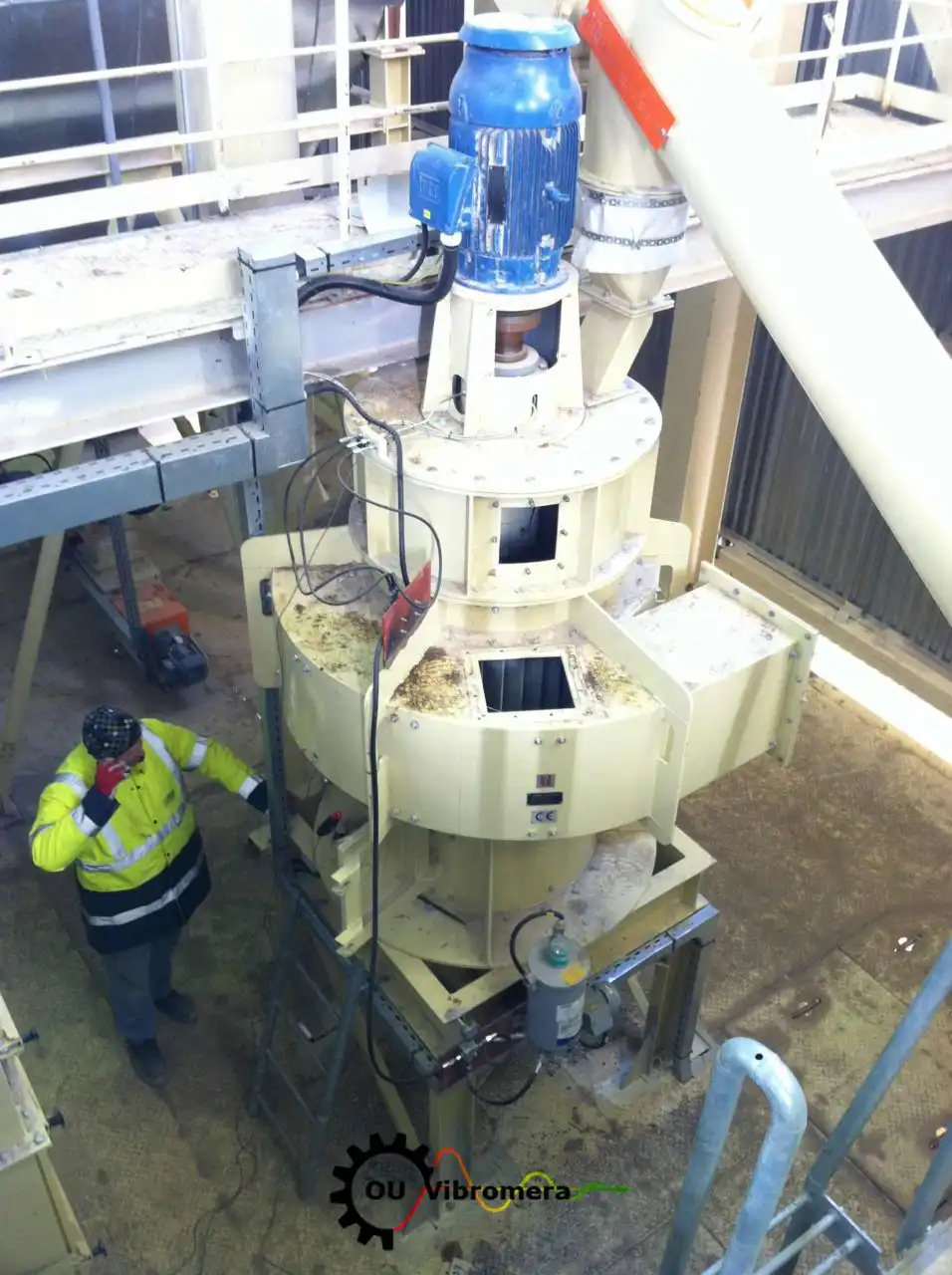
ಸಂಕ್ಷಿಪ್ತವಾಗಿ: ಸೆಪರೇಟರ್ ಮತ್ತು ಸೆಂಟ್ರಿಫ್ಯೂಜ್ ಬ್ಯಾಲನ್ಸಿಂಗ್ ಇನ್-ಸಿಟುವಿನಲ್ಲಿ, ಸಾಮಾನ್ಯ ಕಾರ್ಯರತ ವೇಗದಲ್ಲಿ, ಇನ್ಫ್ಲುವೆನ್ಸ್-ಕೋಎಫಿಶಿಯೆಂಟ್ ವಿಧಾನವನ್ನು ಬಳಸಿ ನಿರ್ವಹಿಸಲಾಗುತ್ತದೆ. ಬೇರಿಂಗ್ ಹೌಸಿಂಗ್ನ ಮೇಲಿನ ಭೌತಿಕ ವೈಬ್ರೇಶನ್ ಆಕೆಲೆರೊಮೀಟರ್ ಮತ್ತು ಶಾಫ್ಟ್ನ ಮೇಲಿನ ಲೇಸರ್ ಟಾಚೋಮೀಟರ್ ಅಸಮತೋಲನ ಸ್ಥಿತಿಯನ್ನು ಅಳೆಯುತ್ತವೆ; Balanset-1A ನಿಖರ ತಿದ್ದುಪಡಿ ದ್ರವ್ಯರಾಶಿ ಮತ್ತು ಸ್ಥಾನ ಕೋನವನ್ನು ಲೆಕ್ಕಹಾಕುತ್ತದೆ. ಯಾವುದೇ ವಿಘ್ನ, ಯಾವುದೇ ಪೈಪ್ ಕಾರ್ಯ, ಯಾವುದೇ ಪ್ರತ್ಯೇಕ ಬ್ಯಾಲನ್ಸಿಂಗ್ ಯಂತ್ರ — ಒಂದು ವಿಶಿಷ್ಟ ಏಕ-ಪೃಷ್ಠ ಕೆಲಸ ಒಂದು ಘಂಟೆಗಿಂತ ಕಡಿಮೆ ಸಮಯದಲ್ಲಿ ಪೂರ್ಣಗೊಳ್ಳುತ್ತದೆ, ವೈಬ್ರೇಶನ್ನನ್ನು 70 % ಅಥವಾ ಅದಕ್ಕಿಂತ ಹೆಚ್ಚು ಕಡಿಮೆ ಮಾಡುತ್ತದೆ ಮತ್ತು ಬೇರಿಂಗ್ ಜೀವನವನ್ನು ಎಂಟು ಅಥವಾ ಅದಕ್ಕಿಂತ ಹೆಚ್ಚು ಗುಣಕದಿಂದ ವಿಸ್ತರಿಸುತ್ತದೆ.
ನಿಮ್ಮ ಸೆಪರೇಟರ್ ಅಥವಾ ಸೆಂಟ್ರಿಫ್ಯೂಜ್ ಅಸಮತೋಲಿತವಾಗಿದೆ ಎಂಬ ಲಕ್ಷಣಗಳು
ಹೆಚ್ಚಿನ ವೇಗದ ಬೌಲ್ಗಳು ಮತ್ತು ಬ್ಯಾಸ್ಕೆಟ್ಗಳು ಕ್ಷಮಾಪ್ರಾರ್ಥಿಗಳಿಲ್ಲ — ಅಸಮತೋಲನ ತ್ವರಿತವಾಗಿ ಮತ್ತು ಅಸಮರ್ಥಿತವಾಗಿ ಬಿಡಿದರೆ ದುಬಾರಿ ವೈಫಲ್ಯಗಳಾಗಿ ಸಂಯೋಜಿತವಾಗುವ ರೀತಿಯಲ್ಲಿ ಘೋಷಿಸಿಕೊಳ್ಳುತ್ತದೆ:
ಪೃಥಕ್ಕರಕ ಬೌಲ್ಗಳು ಮತ್ತು ಕೇಂದ್ರೀಯ ಬಾಸ್ಕೆಟ್ಗಳು ಸಮತೋಲನ ಹೇಗೆ ಕಳೆದುಕೊಳ್ಳುತ್ತವೆ — ಮತ್ತು ಇದು ಎಷ್ಟು ವೆಚ್ಚವಾಗುತ್ತದೆ
ಒಂದು ಹೊಸ ಪೃಥಕ್ಕರಕ ಕಾರ್ಖಾನೆಯಿಂದ ಸೂಕ್ಷ್ಮ ಗ್ರೇಡ್ಗೆ ಸಮತೋಲಿತ ಸ್ಥಿತಿಯಲ್ಲಿ ಬಿಡುಗಡೆ ಆಗುತ್ತದೆ, ಆದರೆ ಸೇವಾ ಜೀವನ ಸತತ ಆ ಸ್ಥಿತಿಯನ್ನು ಕ್ಷಯ ಮಾಡುತ್ತದೆ. ಅಸಮ ಉತ್ಪನ್ನ ಮತ್ತು ತೂರುಖಂಡ ಸಂಚಯ ಬೌಲ್ ಒಳಗೆ ಶಾಟ್ ಬಿ ಶಾಟ್ ಅಸಿಮೆಟ್ರಿಕ್ ದ್ರವ್ಯರಾಶಿ ಸೇರಿಸುತ್ತದೆ; ಅಪಘರ್ಷಕ ಫೀಡ್ಗಳು ಬಾಸ್ಕೆಟ್ನ ಒಂದು ಬದಿಯನ್ನು ಅಥವಾ ಡಿಸ್ಕ್ ಸ್ಟ್ಯಾಕ್ಕೆ ಬೇರೆ ಬದಿಗಿಂತ ವೇಗವಾಗಿ ಕ್ಷಯ ಮಾಡುತ್ತದೆ; ಜಗುಬು ಕ್ಷತಿ ವಸ್ತುವನ್ನು ಅಸಮವಾಗಿ ತೆಗೆದುಹಾಕುತ್ತದೆ; ವೆಲ್ಡ್ ಮರುಸ್ಥಾಪನೆಗಳು ಮತ್ತು ಬದಲಾವಣೆ ಧರಣಿ ಕಂಗಳು ಸ್ಥಳೀಯ ತೂಕವನ್ನು ಸೇರಿಸುತ್ತವೆ. ಕೇಂದ್ರೀಯ ಬಲ ತಿರುಗುತ್ತಿರುವ ವೇಗದೊಂದಿಗೆ ಅನುಪಾತದಲ್ಲಿ ಬದಲಾಗುವುದರಿಂದ, a 5 g ಆಫ್ಸೆಟ್ 1,500 rpm ನಲ್ಲಿ ವರ್ಗ ತಿರುಗುತ್ತಿರುವ ವೇಗದಿಂದ 3,000 rpm ನಲ್ಲಿ 20 g-ಸಮಾನ ಲೋಡ್ಗೆ ಮತ್ತು 4,500 rpm ನಲ್ಲಿ 45 g-ಸಮಾನ ಲೋಡ್ಗೆ ಬದಲಾಗುತ್ತದೆ.
ಆರ್ಥಿಕ ಪರಿಣಾಮಗಳು ಬೇಗನೆ ಸಂಚಯ ಆಗುತ್ತವೆ: ಪ್ರತಿ ಕೆಲವು ತಿಂಗಳುಗಳಿಗೆ ಬೇರಿಂಗ್ ಬದಲಾವಣೆ, ಯಾಂತ್ರಿಕ-ಸೀಲ್ ಪುನಃ ಸ್ಥಾಪನೆ, ಸಂಚರಣ ಕಡಿತ-ಆಫ್ ನಿಂದ ಪ್ರಕೋಪನ ಉಂಟಾಗುವ ಯೋಜನೆಯತ್ತಿರುವ ವಿರಾಮ, ಮತ್ತು — ಕೆಟ್ಟ ಸನ್ನಿವೇಶದಲ್ಲಿ — ಒಂದು ಬೌಲ್ ಸ್ಫೋಟ ಅದು ಹೌಸಿಂಗ್ ಅನ್ನು ಹಾನಿ ಮಾಡುತ್ತದೆ ಮತ್ತು ನಿಕಟ ಸಿಬ್ಬಂದಿಗಳಿಗೆ ಗಾಯ ಒಂದು ವಿಶಿಷ್ಟ ಕ್ಷೇತ್ರ-ಸಮತೋಲನ ಜೋಪತ್ತು ಸಾಮಾನ್ಯವಾಗಿ ಒಂದು ಬೇರಿಂಗ್ ಬದಲಾವಣೆಯ ಭಾಗದ ಭಾಗದ ತೆಗೆದುಕೊಳ್ಳುತ್ತದೆ ಮತ್ತು ಸಮಸ್ತ ಹಾನಿಕುಗಳನ್ನು ಕಾರಣವಾಗಿದ್ದ ಲೋಡ್ ತೆಗೆದುಹಾಕುತ್ತದೆ.
ಕಂಪನವನ್ನು ಅರ್ಧೇಕ ಮಾಡುವುದು ಬೀರಿಂಗ್ ಆಯುಶ್ಯನನ್ನು ಗುಣಿಸುವುದು ಏಕೆ
ನಾವು ಪೃಥಕ್ಕರಕ ಅಥವಾ ಕೇಂದ್ರೀಯ ಹೇಗೆ ಸಮತೋಲನ ಮಾಡುತ್ತೇವೆ — ಹಂತ ಹಂತವಾಗಿ
Balanset-1A ನೊಂದಿಗೆ ಭೂಸ್ಥಿತ ಸಮತೋಲನ ಪ್ರಭಾವ-ಗುಣಾಂಕ ವಿಧಾನವನ್ನು ಅನುಸರಿಸುತ್ತದೆ — ಒಂದು ವ್ಯವಸ್ಥಿತ ನಾಲ್ಕು-ಐದು ಹಂತದ ವಿಧಾನ ನೀವು ಯಂತ್ರ ಪೂರ್ಣ ಕಾರ್ಯಚಾಲನ ಪ್ರಶಸ್ತಿಯಲ್ಲಿ ಭೂಸ್ಥಿತವಾಗಿ ನಿಜಗೀಕರಿಸಬಹುದು:
- ಸಂವೇದಕಗಳನ್ನು ಮೌಂಟ್ ಮಾಡಿ. ಒಂದು ಸಂಚರಣ ಪ್ರವೇಗಮಾಪಕ ಮುಖ್ಯ ಬೇರಿಂಗ್ ಹೌಸಿಂಗ್ (ಅಥವಾ ಸ್ಪಿಂಡಲ್ ಫ್ರೇಮ್) ಗೆ ನಿಗದಿತ ಆಗುತ್ತದೆ; ಒಂದು ಲೇಸರ್ ರಿಪಿಎಮ್ ಮಾಪಕ ತಿರುಗುತ್ತಿರುವ ಶಾಫ್ಟ್ ಅಥವಾ ಬೌಲ್ ಫ್ಲ್ಯಾಂಜ್ ಮೇಲೆ ಒಂದು ಪ್ರತಿಫಲಿತ ಪಟ್ಟಿ ಗಮನ ಹೊಂದಾಯಿಸಲಾಗುತ್ತದೆ. ಯಾವುದೇ ವಿಸಂಘಟನ ಅಗತ್ಯವಿಲ್ಲ — ಪೃಥಕ್ಕರಕ ಸಮಸ್ತ ಸಾಮಾನ್ಯ ಕಾರ್ಯಾಚರಣ ಪರಿಸ್ಥಿತಿಗಳನ್ನು ಸುಲಭಗೊಳಿಸುತ್ತದೆ.
- ಮೂಲ ಅಳತೆಯನ್ನು ಪಡೆಯಿರಿ. ಒಂದು ಪೂರ್ಣ-ವೇಗದ ರನ್ ಕಂಪನ ವೈಪ್ಲುತಿಕೆ ಮತ್ತು ಹಂತದ ಕೋನವನ್ನು ರೆಕಾರ್ಡ್ ಮಾಡುತ್ತದೆ, ಪ್ರಸ್ತುತ ಅಸಮತೋಲನ ವೆಕ್ಟರ್ ಅನ್ನು ಪರಿಮಾಣ ಮತ್ತು ದಿಕ್ಕು ಎರಡರಲ್ಲೂ ಸ್ಥಾಪಿಸುತ್ತದೆ.
- ಪರೀಕ್ಷೆಯ ತೂಕವನ್ನು ಸೇರಿಸಿ. ತಿಳಿದಿರುವ ಪರೀಕ್ಷಾ ದ್ರವ್ಯರಾಶಿಯನ್ನು ಬೌಲ್ ರಿಂ, ಬಾಸ್ಕೆಟ್ ಫ್ಲ್ಯಾಂಜ್ ಅಥವಾ ಸಮತೋಲನ ರಿಂಗ್ನ ಅನುಕೂಲಕರ ಬಿಂದುವಿಗೆ ಅಳವಡಿಸಲಾಗುತ್ತದೆ. ಎರಡನೇ ರನ್ ಪ್ರಭಾವ ಗುಣಾಂಕವನ್ನು ತೋರಿಸುತ್ತದೆ — ತಿಳಿದಿರುವ ಕೋನೀಯ ಸ್ಥಾನದಲ್ಲಿ ಒಂದು ನಿರ್ದಿಷ್ಟ ದ್ರವ್ಯರಾಶಿಗೆ ರೋಟರ್ ಎಲ್ಲಿ ಪ್ರತಿಕ್ರಿಯಿಸುತ್ತದೆ.
- ಸಾಧನವನ್ನು ಗಣನೆ ಮಾಡುವ ಅವಕಾಶ ನೀಡಿ. Balanset-1A ನಿಖರ ಸಮತೋಲನ ದ್ರವ್ಯರಾಶಿ ಮತ್ತು ಕೋನೀಯ ನೆಲೆಸಿಕೆವನ್ನು ಲೆಕ್ಕಹಾಕಲು ಪ್ರಭಾವ-ಗುಣಾಂಕ ಅಲ್ಗಾರಿದಮ್ ಅನ್ನು ಅನ್ವಯ ಮಾಡುತ್ತದೆ — ಸಂಕುಚಿತ ಡಿಸ್ಕ್-ಸ್ಟ್ಯಾಕ್ ಬೌಲ್ಗಳಿಗೆ ಒಂದು ಸಿದ್ಧತೆ, ದೀರ್ಘ ಡಿಕ್ಯಾಂಟರ್ ಡ್ರಮ್ಗಳು ಅಥವಾ ಗಣನೀಯ ಅಕ್ಷೀಯ ದ್ರವ್ಯರಾಶಿ ವಿತರಣೆ ಹೊಂದಿರುವ ಸಮೆತುಕೂಲಿತ ರೋಟರ್ಗಳಿಗೆ ಎರಡು ಸಿದ್ಧತೆಗಳು.
- ಸಮತೋಲನ ತೂಕವನ್ನು ಅಳವಡಿಸಿ ಮತ್ತು ಪರಿಶೀಲನೆ ಮಾಡಿ. ಲೆಕ್ಕಹಾಕಿದ ದ್ರವ್ಯರಾಶಿಯನ್ನು ಸೂಚಿತ ಕೋನದಲ್ಲಿ ಸೇರಿಸಿ ಅಥವಾ ತೆಗೆದುಹಾಕಿ. ಅಂತಿಮ ಮಾಪನ ರನ್ ಅವಶೇಷ ಅಸಮತೋಲನವು ರೋಟರ್ನ ಸಮತೋಲನ ದರ್ಜೆಗಾಗಿ ISO 21940-11 ಸಹಿಷ್ಣುತೆ ಬ್ಯಾಂಡ್ನೊಳಗೆ ಉಳಿದಿರುವುದನ್ನು ದೃಢೀಕರಿಸುತ್ತದೆ. ಸಾಧನವು ನಿಮ್ಮ ನಿರ್ವಹಣೆ ದಾಖಲೆಗಳಿಗೆ ಸಮತೋಲನ ವರದಿಯನ್ನು ಉಳಿಸುತ್ತದೆ.
ನಾವು ಸಮತೋಲಿತ ಮಾಡುವುದು
- ಡಿಸ್ಕ್-ಸ್ಟ್ಯಾಕ್ ವಿಭಾಜಕಗಳು (ಕ್ರೀಮ್, ಹಾಲು, ಎಣ್ಣೆ)
- ಸಮತಲ ಡಿಕ್ಯಾಂಟರ್ ಅಪಕೇಂದ್ರಗಳು
- ಘನ-ಬೌಲ್ ಅಪಕೇಂದ್ರಗಳು
- ಬಾಸ್ಕೆಟ್ (ಪೀಲರ್) ಅಪಕೇಂದ್ರಗಳು
- ಕೈಗಾರಿಕ ತೊಳೆಯುವ-ಯಂತ್ರ ಡ್ರಮ್ಗಳು
- ಸೈಕ್ಲೋನ್ ಮತ್ತು ವರ್ಗೀಕರಣಕಾರಿ ರೋಟರ್ಗಳು
- ಕ್ರೀಮ್ ಮತ್ತು ತೈಲ ಬೀಜ ವಿಭಾಜಕಗಳು
- ಔಷಧೀಯ ಮತ್ತು ರಾಸಾಯನಿಕ ಅಪಕೇಂದ್ರಗಳು
- ಕೆಸರು ಮತ್ತು ತ್ಯಾಜ್ಯ ನೀರು ಡಿಕ್ಯಾಂಟರ್ಗಳು
- ಉচ್ಚ-ವೇಗದ ಸಮೆತುಕೂಲಿತ ರೋಟರ್ ವ್ಯವಸ್ಥೆಗಳು
ಸಹನಶೀಲತೆ ಮತ್ತು ಮಾನದಂಡಗಳು
ISO 21940-11 (ಹಿಂದೆ ISO 1940-1) G0.4 ರಿಂದ G4000 ವರೆಗೆ ಕಠಿಣ-ರೋಟರ್ ಸಮತೋಲನ ಗುಣಮಾನ ದರ್ಜೆಗಳನ್ನು ಹೊಂದಿಸುತ್ತದೆ. ಉಚ್ಚ-ವೇಗದ ವಿಭಾಜಕ ಬೌಲ್ಗಳು ಮತ್ತು ಅಪಕೇಂದ್ರ ಬಾಸ್ಕೆಟ್ಗಳು ಸಾಮಾನ್ಯವಾಗಿ ಅಗತ್ಯವಿದೆ G1.0 ಅಥವಾ G0.4 — ಸಾಕಷ್ಟುವಾದ ಕೆಳಮಟ್ಟದ ದರ್ಜೆಗಳು — ಅವಶೇಷ ಅಸಮತೋಲನವು ತಿರುಗುವಿಕೆ ವೇಗದ ವರ್ಗದಿಂದ ವರ್ಧನೆಯಾಗುವುದರಿಂದ. ಅನುಮತಿಸಿದ ಅವಶೇಷ ಅಸಮತೋಲನ Uಪ್ರತಿ = G × m × 9550/n (g·mm), ಇಲ್ಲಿ m ಎಂಬುದು kg ನಲ್ಲಿ ರೋಟರ್ ದ್ರವ್ಯರಾಶಿ ಮತ್ತು n ಎಂಬುದು rpm ನಲ್ಲಿ ಗರಿಷ್ಠ ವೇಗವಾಗಿದೆ.
ಆಹಾರ-ದರ್ಜೆಯ ಡೈರಿ ಮತ್ತು ಪಾನೀಯ ವಿಭಾಜಕಗಳಿಗೆ, ಪ್ರাসಂಗಿಕ ನೈರ್ಮಲ್ಯ-ವಿನ್ಯಾಸ ಮಾನದಂಡಗಳು (EHEDG, 3-A) ಸಹ ಉತ್ಪನ್ನ ವಲಯಗಳನ್ನು ಸಂಪರ್ಕಿಸುವ ಬಾಹ್ಯ ಸಮತೋಲನ ತೂಕದ ಬಳಕೆಯನ್ನು ನಿರ್ಬಂಧಿಸುತ್ತದೆ; ತುಟಿಪೆನೆಚ್ಚಿ (ಅರ್ಸೂಕ್ರಿಯೆ) ಅಥವಾ ಸಮರ್ಪಿತ ಸಮತೋಲನ-ರಿಂಗ್ ತೋಡುಗಳ ಒಳಗೆ ಸುರಕ್ಷಿತ ತೂಕದ ಮೂಲಕ ಸಮತೋಲನ ಹೋ ಸಕುತ್ತದೆ. ನಿಮ್ಮ ಅನ್ವಯನ್ನು ಒಂದು ನಿರ್ದಿಷ್ಟ ದರ್ಜೆಗೆ ಸಮತೋಲನ ಮಾಡುತ್ತೇವೆ ಮತ್ತು ಸಾಧಿತ ಅವಶೇಷ-ಅಸಮತೋಲನ ಅಂಕಿಗಳನ್ನು ದಾಖಲಿಸುತ್ತೇವೆ. ನಮ್ಮ ಬಳಸಿ ಶೇಷ-ಅಸಮತೋಲನ ಕ್ಯಾಲ್ಕುಲೇಟರ್ ನೀವು ಪ್ರಾರಂಭಿಸುವ ಮೊದಲು ಸೇವಯೋಗ್ಯ ಸಹನೀಯತೆಯನ್ನು ಕಂಡುಹಿಡಿಯಲು.
Balanset-1A — ನಿಮ್ಮ ಸಂಪೂರ್ಣ ಪ್ರಾಂಗಣ-ಸಮತೋಲನ ಸಾಧನ ಪೆಟ್ಟಿಗೆ
ಈ ಪುಟದಲ್ಲಿ ಎಲ್ಲವೂ ಒಂದು ಪೋರ್ಟೇಬಲ್ ಯಂತ್ರದೊಂದಿಗೆ ಮಾಡಲಾಗುತ್ತದೆ: ಬ್ಯಾಲೆನ್ಸೆಟ್-1ಎ. ಇದು ಒಂದು ದ್ವಿ-ಚಾನೆಲ್ ಕೋಚು ವಾಂಛಿತ ಎಬಿ ಮತ್ತು ಕಂಪನ ವಿಶ್ಲೇಷಕವಾಗಿದ್ದು, ವಿಭಾಜಕ ಬೌಲ್ಗಳು ಮತ್ತು ಅಪಕೇಂದ್ರ ಬಾಸ್ಕೆಟ್ಗಳನ್ನು ಸಮತೋಲನ ಮಾಡುತ್ತದೆ ಅವುಗಳ ಸ್ವಂತ ಬೆಲ್ಲಾಣಿಗಳಲ್ಲಿ, ಕಾರ್ಯಾಚರಣ ವೇಗದಲ್ಲಿ, 3-ರನ್ ಪ್ರಭಾವ-ಗುಣಾಂಕ ವಿಧಾನವನ್ನು ಬಳಸಿ — ತಂತ್ರಾಂಶವು ನಿಖರ ತಿದ್ದುಪಡಿ ದ್ರವ್ಯರಾಶಿ ಮತ್ತು ಕೋನವನ್ನು ಲೆಕ್ಕಿಸುತ್ತದೆ ಮತ್ತು ವರದಿಯನ್ನು ಉಳಿಸುತ್ತದೆ.
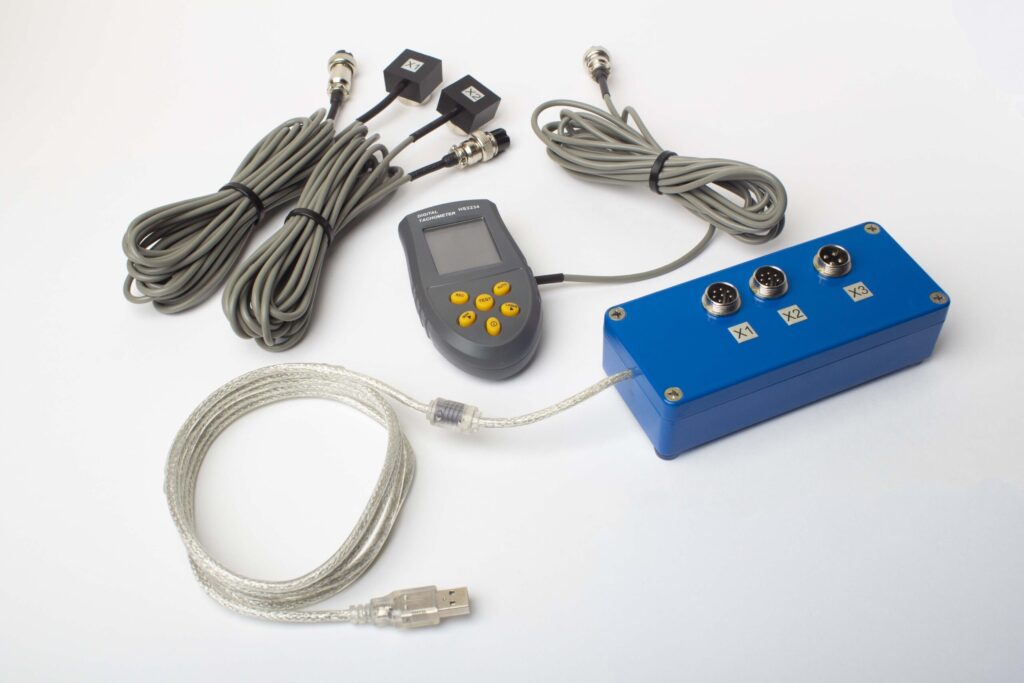
ಪೂರ್ಣ ಸಾಧನ ಪೆಟ್ಟಿಗೆಯಲ್ಲಿ ಏನಿದೆ
€1,975 · ಸಂಪೂರ್ಣ ಕಿಟ್, ಸ್ಟಾಕ್ನಲ್ಲಿ, VAT ಸರಕುಪತ್ರೆ
- ಇಂಟರ್ಫೇಸ್ ಮಾಪನ ಘಟಕ (USB, 2 ಚಾನೆಲ್ಗಳು)
- ಎರಡು ವೈಬ್ರೇಶನ್ ಆಕ್ಸೆಲೆರೋಮೀಟರ್ಗಳು (4 ಮೀ ಕೇಬಲ್, 10 ಮೀ ಐಚ್ಛಿಕ)
- ಲೇಜರ್ ಟ್ಯಾಕೋಮೀಟರ್ / ಆಪ್ಟಿಕಲ್ ಹಂತ ಸಂವೇದಕ (50–500 ಮಿಮೀ)
- ಸಂವೇದಕದ ಮ್ಯಾಗ್ನೆಟಿಕ್ ಸ್ಟ್ಯಾಂಡ್
- ಪರೀಕ್ಷಾ ಮತ್ತು ತಿದ್ದುಪಡಿ ತೂಕಗಳಿಗೆ ಡಿಜಿಟಲ್ ಸ್ಕೇಲ್
- ವಿಂಡೋಸ್ ಬ್ಯಾಲೆನ್ಸಿಂಗ್ ಮತ್ತು ವಿಶ್ಲೇಷಣ ಸಾಫ್ಟ್ವೇರ್
- ಪ್ಲಾಸ್ಟಿಕ್ ಟ್ರಾನ್ಸ್ಪೋರ್ಟ್ ಕೇಸ್
ಸಂಪೂರ್ಣ ಕಿಟ್
ಯೂನಿಟ್ · 2 ಸೆನ್ಸರ್ಗಳು · ಲೇಜರ್ ಟ್ಯಾಕೋಮೀಟರ್ · ಮ್ಯಾಗ್ನೆಟಿಕ್ ಸ್ಟ್ಯಾಂಡ್ · ಡಿಜಿಟಲ್ ಸ್ಕೇಲ್ · ಸಾಫ್ಟ್ವೇರ್ · ಟ್ರಾನ್ಸ್ಪೋರ್ಟ್ ಕೇಸ್. ಬಾಕ್ಸ್ನಿಂದ ಬ್ಯಾಲೆನ್ಸಿಂಗ್ ಪ್ರಾರಂಭಿಸಲು ಅಗತ್ಯವಾದ ಎಲ್ಲವೂ ಸೇರಿದೆ.
OEM ಸೆಟ್
ಯೂನಿಟ್ · 2 ಸೆನ್ಸರ್ಗಳು · ಲೇಜರ್ ಟ್ಯಾಕೋಮೀಟರ್ · ಸಾಫ್ಟ್ವೇರ್. ಈಗಾಗಲೇ ಸ್ಟ್ಯಾಂಡ್, ಸ್ಕೇಲ್ ಮತ್ತು ಕೇಸ್ ಹೊಂದಿದ ಅಥವಾ ಯೂನಿಟ್ ಅನ್ನು ಬ್ಯಾಲೆನ್ಸಿಂಗ್ ಮೆಶಿನ್ಗೆ ಅಂತರ್ಗತಗೊಳಿಸುವ ಇಂಟಿಗ್ರೇಟರ್ಗಳಿಗೆ.
| ಪ್ಯಾರಾಮೀಟರ್ | ಮೌಲ್ಯ |
|---|---|
| ಮಾಪನ ಚ್ಯಾನೆಲ್ಗಳು | 2 (ಏಕ- & ದ್ವಿ-ತಲಾ ಬ್ಯಾಲೆನ್ಸಿಂಗ್) |
| ವೈಬ್ರೇಶನ್ ವೇಗ ಶ್ರೇಣಿ | 0.2–80 mm/s RMS |
| ಆವೃತ್ತಿ ವ್ಯಾಪ್ತಿ | 5–1000 Hz (≤10% amplitude error above 550 Hz) |
| ಮಾಪನ ನಿಖುರತೆ | ±5% ಪೂರ್ಣ ಸ್ಕೇಲ್ನ |
| ವಿಧಾನ | 3-ರನ್ ಪ್ರಭಾವ-ಗುಣಾಂಕ (1 ಅಥವಾ 2 ತಲಾಗಳು) |
| ವಿಶ್ಲೇಷಣೆ | 1× ನಲ್ಲಿ ವೈಶಾಲ್ಯ & ಹಂತ, FFT ಸ್ಪೆಕ್ಟ್ರಮ್ & ತರಂಗರೂಪ, ಉಳಿಸಿದ ವರದಿಗಳು |
| ಲ್ಯಾಪ್ಟಾಪ್ | ಸೇರಿಲ್ಲ (ವಿಂಡೋಸ್ PC, ವಿನಂತಿಯ ಮೇರೆಗೆ ಲಭ್ಯವಿದೆ) |
ಕ್ಷೇತ್ರ ಸಮತೋಲನ ವಿರುದ್ಧ ಸಮತೋಲನ ಯಂತ್ರ — ನಿಮ್ಮ ಅಪಕೇಂದ್ರಿತ ಪ್ರಕೋಷ್ಠಕ್ಕೆ ಯಾವುದು ಸರಿ?
| ಘಟಕ | ಕ್ಷೇತ್ರ ಸಮತೋಲನ (Balanset-1A) | ಸಮತೋಲನ ಯಂತ್ರ (ಕಾರ್ಯಾಲಯ) |
|---|---|---|
| ರೋಟರ್ ಯಂತ್ರದಿಂದ ತೆಗೆದುಹಾಕಲಾಗಿದೆಯೇ? | ಇಲ್ಲ — ಸ್ಥಳದಲ್ಲಿ ಚಲಿಸುತ್ತದೆ | ಹೌದು — ಸಂಪೂರ್ಣ ವಿಘಟನ ಅಗತ್ಯ |
| ಉತ್ಪಾದನ ನಿಶ್ಚಲತೆ | ಸಂವೇದಕ ಅಳವಡಿಕೆ ಮಾತ್ರ (<15 ನಿಮಿಷ) | ಘಂಟೆಗಳು ದಿನಗಳವರೆಗೆ (ವಿಘ್ನಕಾರಿ ಪಡೆ, ಪರಿವಹನ, ಸಮತೋಲನ, ಮರುಸಂಯೋಜನೆ) |
| ಸಮತೋಲನ ವೇಗ | ನಿಜವಾದ ಕಾರ್ಯನಿರ್ವಹಣ ವೇಗ ಮತ್ತು ಪರಿಸ್ಥಿತಿಗಳು | ಪ್ರತ್ಯೇಕ ಕಡಿಮೆ-ವೇಗ ಸ್ಪಿಂಡಲ್ |
| ಸಮಾವೇಶ ನಮ್ರತೆ ಮತ್ತು ಸರಿಹೊಂದಿಸುವಿಕೆಯನ್ನು ಗಣನೆಗೆ ತೆಗೆದುಕೊಳ್ಳುತ್ತದೆ | ಹೌದು — ಸಂಪೂರ್ಣ ಸಮಾವೇಶ ನಿರ್ಮಿತ ಸಮತೋಲಿತ | ಸ್ವಚ್ಛಚೆ ಅಥವಾ ತುರಿಕೆ |
| ನೈರ್ಯೋಗ್ಯತೆ ಅಪಾಯ (ಆಹಾರ-ಗ್ರೇಡ್) | ಕಡಿಮೆ — ಉತ್ಪನ್ನ-ಸಂಪರ್ಕ ಭಾಗಗಳನ್ನು ತೆಗೆದುಹಾಕುವುದು ಇಲ್ಲ | ಹೆಚ್ಚಿನ — ಮರುಸಂಯೋಜನೆ ಮಾಲಿನ್ಯತೆಯನ್ನು ಪರಿಚಯ ಮಾಡಿಕೊಳ್ಳಬಹುದು |
| ಮಾನದಂಡಗಳು ಪೂರೈಸಲಾಗಿದೆ | ISO 21940-11 (G1.0 / G0.4) | ISO 21940-11 |
| ಉಪಕರಣ ವೆಚ್ಚ | €1,975 (ಪೂರ್ಣ ಕಿಟ್) | €15,000 – €80,000+ |
| ವಿಶಿಷ್ಟ ಕೆಲಸ ಸಮಯ | <ಸ್ಥಳದಲ್ಲಿ 1 ಘಂಟೆ | 1–4 ದಿನಗಳ ಒಟ್ಟು |
ಕ್ಷೇತ್ರ ಸಮತೋಲನವು ಅಂತರ್ಧರ್ಮಕ ಆಯ್ಕೆಯಾಗಿದೆ ಯಾವಾಗ ವಿಭಜಕ ಅಥವಾ ಅಪಕೇಂದ್ರಿತ ಪ್ರಕೋಷ್ಠವನ್ನು ಸುರಕ್ಷಿತವಾಗಿ ಚಾಲನೆ ಮಾಡಬಹುದು ಮತ್ತು ರೋಟರ್ ಕಠಿಣ-ರೋಟರ್ ಮಾನದಂಡವನ್ನು ಪೂರೈಸುತ್ತದೆ. ಕೆಲಸಗಾರಿಕೆ ಯಂತ್ರವು ಅಗತ್ಯವಿಲ್ಲದೇ ಹೊಸ ತಟ್ಟೆಗಳಿಗೆ ಸೂಕ್ತವಾಗಿ ನೀವು ಪೂರೈಸುತ್ತದೆ ಜೊತೆ ಶೂನ್ಯ ಹೊರತೆಯ ಸಮಯ, ಅಥವಾ ಇತರ ಕಾರಣಗಳಿಗಾಗಿ ವಿಭಜಿಸಬೇಕಾದ ರೋಟರ್ಗಳು (ಡಿಸ್ಕ್-ಸ್ಟಾಕ್ ಪುನರ್ನಿರ್ಮಾಣ, ತುರಿಕೆ ಮರುಬುಣ್ಣೆ).
ನೈಜ ವಿಭಜಕ ಮತ್ತು ಅಪಕೇಂದ್ರಿತ ಪ್ರಕೋಷ್ಠ ಪ್ರಕರಣಗಳು
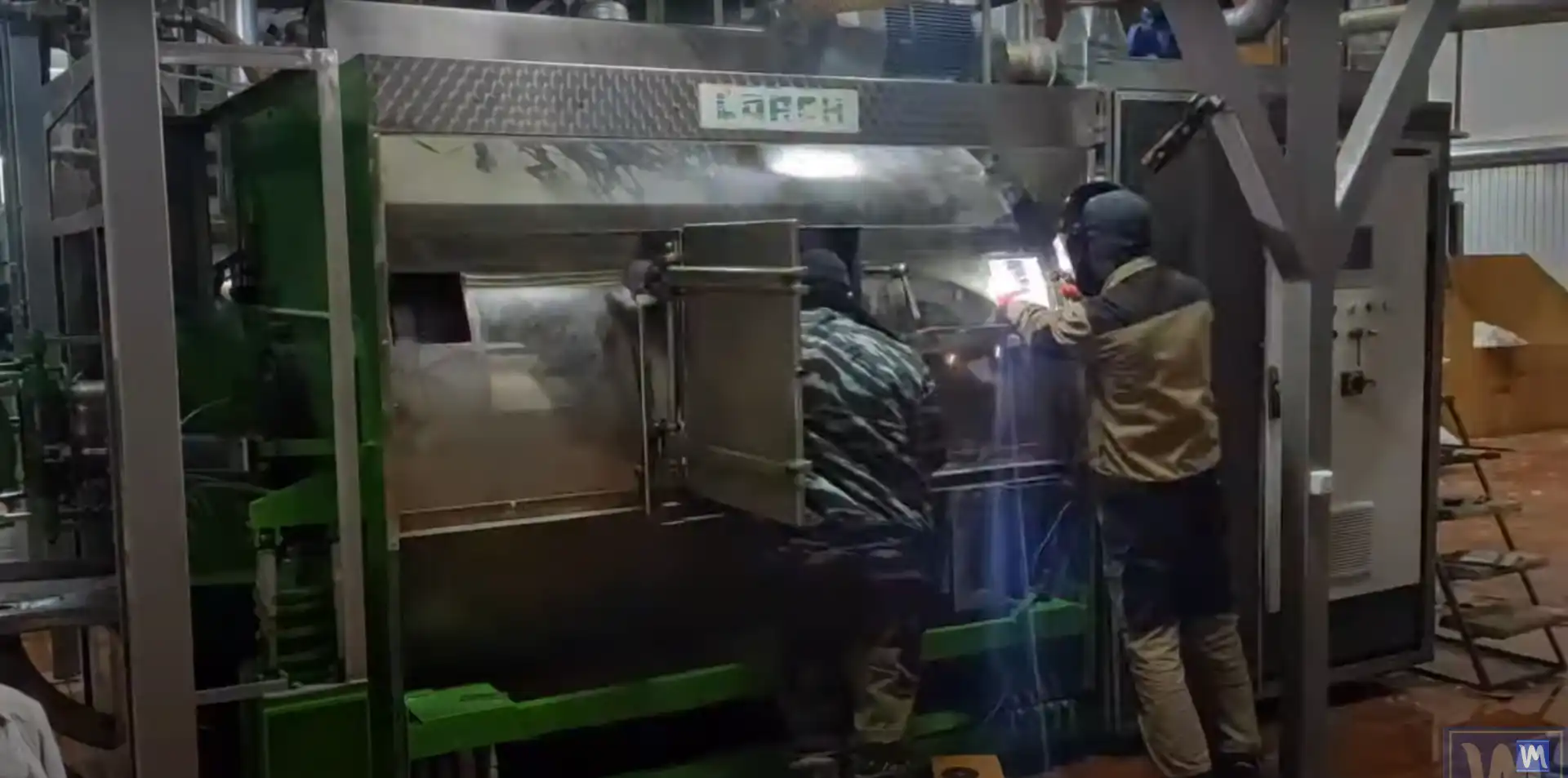
Assembled separator balancing
ಡಿಸ್ಕ್-ಸ್ಟಾಕ್ ವಿಭಜಕದ ಸಂಪೂರ್ಣ-ಸಮಾವೇಶ ನೆರೆಯಲ್ಲಿ ಸಮತೋಲನ G1.0 ಗೆ.
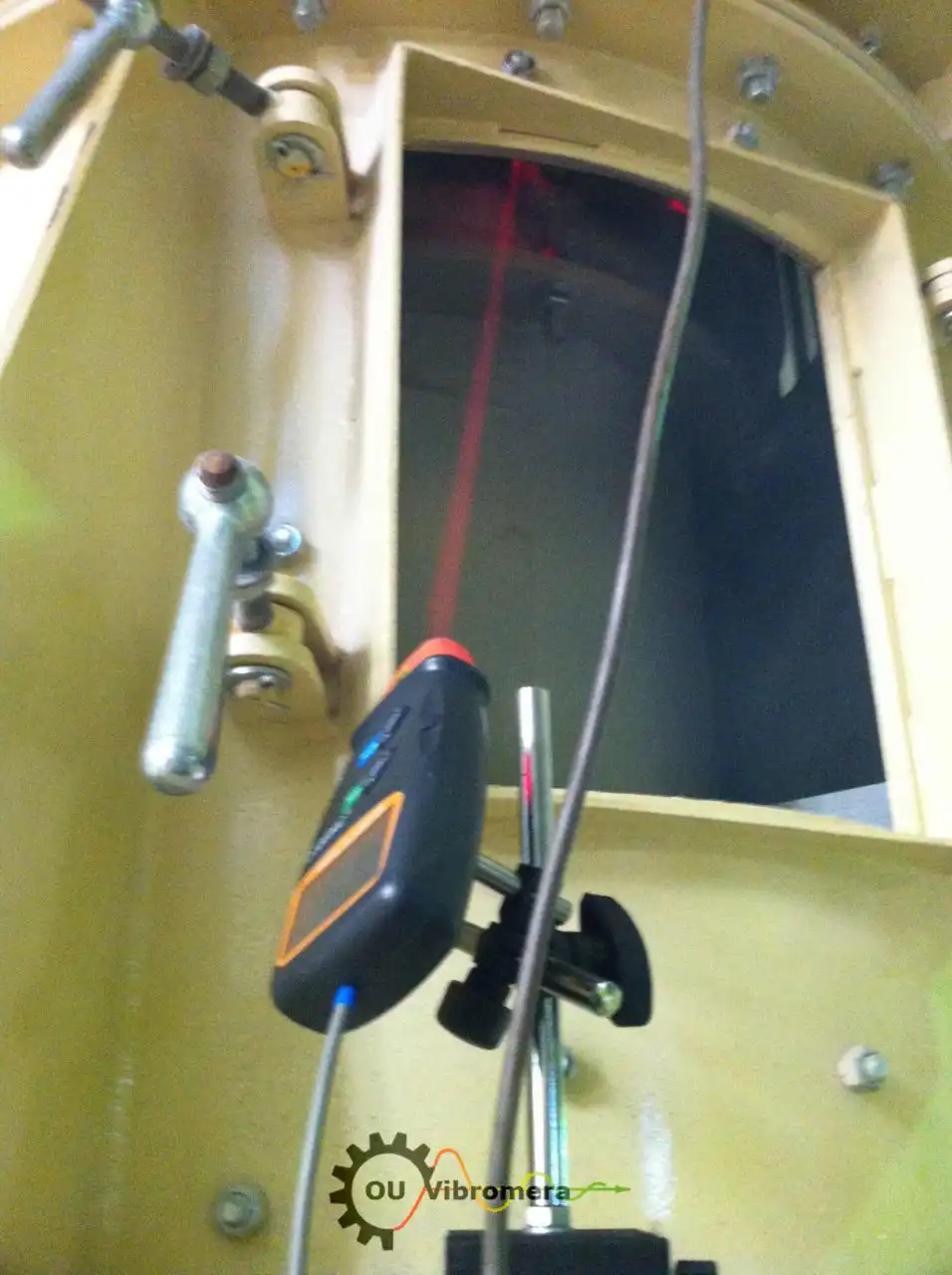
ವಿಭಜಕ ರೋಟರ್ ಕ್ಷೇತ್ರ ಸಮತೋಲನ
ಆಪರೇಟಿಂಗ್ ವೇಗದಲ್ಲಿ ಸೆಪರೇಟರ್ ರೋಟರ್ನ ಹಂತ-ಹಂತ ಕ್ಷೇತ್ರ ಸಮತೋಲನ.
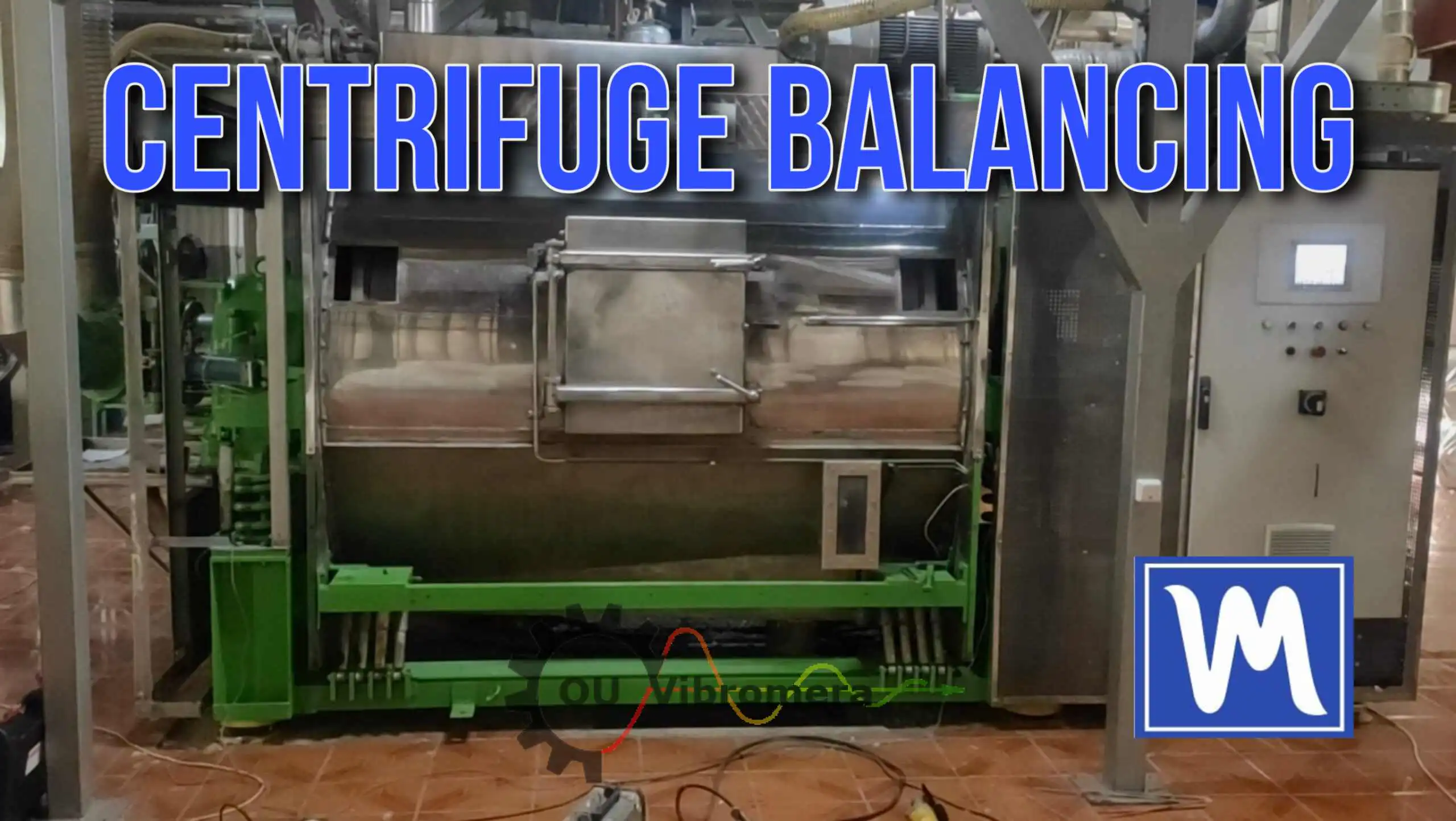
ಶಿಲ್ಪ ಪ್ರಕ್ಷಾಳನ-ಯಂತ್ರ ರೋಟರ್
ಶಿಲ್ಪ ಪ್ರಕ್ಷಾಳನ ಯಂತ್ರದಲ್ಲಿ ಅಪಕೇಂದ್ರ ಡ್ರಮ್ ಅನ್ನು ಸಮತೋಲನ ಮಾಡುವುದು ಹೇಗೆ.
ತಡೆಯುವುದು ಅವನತಿಗಿಂತ ಉತ್ತಮ
ನಿಯಮಿತ ಸಮತೋಲನ ವೇಳಾಸೂಚಿ ಸ್ವತಃ ಅನೇಕ ಬಾರಿ ವಹಿವಾಟು ನೀಡುವುದು ಇಲ್ಲದೆ.
ಅಪಕೇಂದ್ರ ಸಮತೋಲನದ ಪ್ರಕರಣ
ಶಿಲ್ಪ ಕಾರ್ಯಾಚರಣೆಗಳಲ್ಲಿ ನಿಯಮಿತ ಸಮತೋಲನ ಯಂತ್ರ ಜೀವನ ಉದ್ದನೆ ಕೆಲಸ ಮಾಡುವುದು ಹೇಗೆ.
ಮುಕ್ತ ಸೆಪರೇಟರ್ & ಅಪಕೇಂದ್ರ ಕ್ಯಾಲ್ಕುಲೇಟರ್ಗಳು
ಸಿದ್ಧಾಂತ ಕಲಿಯಿರಿ
ಸೆಪರೇಟರ್ & ಅಪಕೇಂದ್ರ ಸಮತೋಲನ ಪ್ರಶ್ನೋತ್ತರ
ಸೆಪರೇಟರ್ ಅನ್ನು ಸಮತೋಲನ ಮಾಡಲು ಅದನ್ನು ವಿಘಟಿಸುವ ಅವಶ್ಯಕತೆ ಇದೆಯೇ?
ಉচ್ಚ-ವೇಗ ಸೆಪರೇಟರ್ಗಳು ಅಸಮತೋಲನಕ್ಕೆ ಅತ್ಯಂತ ಸೂಕ್ಷ್ಮವಾಗಿರುವುದು ಏಕೆ?
ಸೆಪರೇಟರ್ ಡ್ರಮ್ ಅಥವಾ ಅಪಕೇಂದ್ರ ಡ್ರಮ್ಗೆ ಒಂದು ಸಮತೋಲನ ತೃತೀಯ ಅಥವಾ ಎರಡು?
ನನ್ನ ಅಪಕೇಂದ್ರ ಶುದ್ಧೀಕರಣದ ನಂತರ ಕಂಪನಗೊಳ್ಳುತ್ತದೆ — ಅದು ಇನ್ನೂ ಅಸಮತೋಲನವೇ?
ಗುದಾಮ ತಂತ್ರಜ್ಞರು ಆಬಾಲನ್ಸೆಟ್-1A ಜೊತೆಗೆ ಆಜ್ಞೆ ತಿರುಗಿಸಿ ಮಾಡಬಹುದೇ?
ಪ್ರತ್ಯೇಕಕಾರಕಗಳು ಮತ್ತು ಸೆಂಟ್ರಿಫ್ಯೂಜ್ಗಳು ಯಾವ ಸಮತೋಲನ ಶ್ರೇಣಿಯನ್ನು ಪೂರೈಸಬೇಕು?
ನಿಮ್ಮ ಪ್ರತ್ಯೇಕಕಾರಕ ಬೌಲ್ ಅಥವಾ ಸೆಂಟ್ರಿಫ್ಯೂಜ್ ಬುಟ್ಟಿ ಸಮತೋಲನ ಮಾಡಿ — ಸ್ಥಾನದಲ್ಲಿ, ಇಂದು
Balanset-1A ನೀವು ಚಾಲನ ವೇಗದಲ್ಲಿ ಪ್ರತ್ಯೇಕಕಾರಕ ಮತ್ತು ಸೆಂಟ್ರಿಫ್ಯೂಜ್ ರೋಟರ್ಗಳ ಏಕ-ಸಮತಲ ಮತ್ತು ದ್ವಿ-ಸಮತಲ ಸಮತೋಲನದ ಮೂಲಕ ಮಾರ್ಗದರ್ಶನ ಮಾಡುತ್ತದೆ, ನಿಖುರ ತಿದ್ದುಪಡಿ ತೂಕ ಮತ್ತು ಕೋನವನ್ನು ಲೆಕ್ಕಹಾಕುತ್ತದೆ ಮತ್ತು ISO 21940-11 ಶ್ರೇಣಿ G1.0 ಅಥವಾ G0.4 ಗೆ ಫಲಿತಾಂಶವನ್ನು ದಾಖಲಿಸುತ್ತದೆ. ಅವಿಭಕ್ತತೆ ಇಲ್ಲ, ಉತ್ಪಾದನ ನಷ್ಟ ಇಲ್ಲ — ಕೇವಲ ಶಾಂತವಾದ, ಸುರಕ್ಷಿತ, ದೀರ್ಘಸ್ಥಾಯಿ ಯಂತ್ರ.

