ಬೆಲ್ಟ್ ಡ್ರೈವ್ ದೋಷಗಳನ್ನು ಅರ್ಥಮಾಡಿಕೊಳ್ಳುವುದು
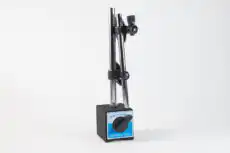

ಬೆಲ್ಟ್ ಡ್ರೈವ್ ದೋಷಗಳು ಬೆಲ್ಟ್-ಚಾಲಿತ ಶಕ್ತಿ-ಪ್ರಸರಣ ವ್ಯವಸ್ಥೆಗಳಲ್ಲಿ ಉಂಟಾಗುವ ಸಮಸ್ಯೆಗಳು: ಬೆಲ್ಟ್ ಧರಣ, ಹಾನಿ ಅಥವಾ ಕ್ষಯ; ತಪ್ಪಾದ ಬೆಲ್ಟ್ ಒತ್ತಡ; ಪುಲೀ ತಪ್ಪಾದ ಜೋಡಣೆ; ಪುಲೀ ಧರಣ ಅಥವಾ ವಿಕೇಂದ್ರಿತತೆ; ಮತ್ತು ಗುಣಾತ್ಮಕ ಪ್ರತಿಕ್ರಿಯೆ. ಪ್ರತಿಯೊಂದೂ ಯಂತ್ರದ ಮೇಲೆ ವಿಶಿಷ್ಟವಾದ vibration ಸಹಿ ಹೊಂದಿರುತ್ತದೆ ಆವರ್ತನಗಳಲ್ಲಿ ಬೆಲ್ಟ್ ವೇಗ, ಪುಲೀ ತಿರುಗುವಿಕೆಯ ವೇಗ, ಮತ್ತು ಬೆಲ್ಟ್ಗಳ ಸಂಖ್ಯೆಗೆ ಬಂಧಿಸಲಾದ — ಇದು ಅವುಗಳನ್ನು ಗುರುತಿಸಲು ಸಾಧ್ಯವಾಗಿಸುತ್ತದೆ vibration analysis.
ಬೆಲ್ಟ್ ಡ್ರೈವ್ಗಳು ನೇರ ಸಂಯೋಜನೆ ಅಥವಾ ಗಿಯರ್ಗೆ ಹೋಲಿಸಿದರೆ ಸರಳ ಮತ್ತು ಆರ್ಥಿಕ, ಆದರೆ ಆ ಸರಳತೆ ತನ್ನದೇ ಆದ ವೈಬ್ರೇಶನ್ ಆಕರಗಳ ಮತ್ತು ವೈಫಲ್ಯ ವಿಧಾನಗಳ ಪೂರ್ಣ ಸೂಚಿ ಹೊಂದಿಸುತ್ತದೆ. ಪರಿಣಾಮಕಾರಿ ಯಂತ್ರ ರೋಗನಿರ್ಣಯದ ಸಾಧ್ಯತೆಗಾಗಿ ಅವುಗಳನ್ನು ಅರ್ಥಮಾಡಿಕೊಳ್ಳುವುದು ಅತ್ಯಾವಶ್ಯಕ — ವಿಶೇಷವಾಗಿ ಏಕೆಂದರೆ ಮೋಟಾರ್-ಚಾಲಿತ ವ್ಯವಸ್ಥೆಯಲ್ಲಿ ಬೆಲ್ಟ್ ದೋಷವನ್ನು ಸುಲಭವಾಗಿ ಮೋಟಾರ್ ಅಥವಾ ಚಾಲಿತ ಯಂತ್ರದಲ್ಲಿನ ಸಮಸ್ಯೆಯೆಂದು ತಪ್ಪಾಗಿ ತೆಗೆದುಕೊಳ್ಳಬಹುದು ವಿಶ್ಲೇಷಕನು ಬೆಲ್ಟ್ನ ಸ್ವಂತ ಆವರ್ತನಗಳನ್ನು ತಿಳಿದಿರದಿದ್ದರೆ.
1. ಸಾಮಾನ್ಯ ಬೆಲ್ಟ್ ಡ್ರೈವ್ ದೋಷಗಳು
ಬೆಲ್ಟ್ ತಪ್ಪಾದ ಜೋಡಣೆ
ಪುಲೀಗಳು ಸಮಾನಾಂತರವಲ್ಲದೆ, ಅಥವಾ ಬೆಲ್ಟ್ ತನ್ನ ಚಡ್ಡಿಯಲ್ಲಿ ಕೇಂದ್ರೀಕೃತವಲ್ಲದೆ:
- ಲಕ್ಷಣ: high ಅಕ್ಷೀಯ ಕಂಪನ, ಶಾಫ್ಟ್ಗೆ ಸಮಾನಾಂತರ.
- Frequency: ಮುಖ್ಯತಃ ಪುಲೀಗಳ ಶಾಫ್ಟ್ ವೇಗದ 1×.
- ದೃಶ್ಯ: ಬೆಲ್ಟ್ ಪುಲೀಗಳ ಒಂದು ಬದಿಗೆ ಸವಾರಿ ಮಾಡುತ್ತದೆ, ಅಸಮ ಧರಣದೊಂದಿಗೆ.
- ಕಾರಣಗಳು: ತಪ್ಪಾದ ಜೋಡಣೆಯ ಪುಲೀಗಳು, ಎ ಬಾಗಿದ ಶಾಫ್ಟ್, ಅಥವಾ ಚೌಕಟ್ಟಿನ ವಿರೂಪತೆ.
- ಪರಿಣಾಮಗಳು: ವರ್ಧಿತ ಬೆಲ್ಟ್ ಧರಣ, ಬೆರಿಂಗ್ ಅಡ್ಡ ಲೋಡ್ಗಳು, ಮತ್ತು ಕಡಿಮೆ ಬೆಲ್ಟ್ ಜೀವನ.
ತಪ್ಪಾದ ಬೆಲ್ಟ್ ಒತ್ತಡ
ಕಡಿಮೆ ಮತ್ತು ಹೆಚ್ಚುವರಿ ಒತ್ತಡ ಎರಡೂ ವಿರುದ್ಧ ರೀತಿಯಲ್ಲಿ ತೊಂದರೆಗಳನ್ನು ಉಂಟುಮಾಡುತ್ತವೆ।
- ಅಸಾಕಷ್ಟ (ತುಂಬಾ ಸಡಿಲ): ಬೆಲ್ಟ್ ಜಾರುವಿಕೆ, ಕಡಿಮೆ ಆವೃತ್ತಿ ಕಂಪನ ಮತ್ತು ಸೀತುವಿಕೆ. ಜಾರುವಿಕೆ ವೇರಿಯೇಬಲ್ ಆಗಿ ಗೋಚರವಾಗುತ್ತದೆ, ಸಬ್-ಸಿಂಕ್ರೋನಸ್ ಘಟಕಗಳು, ವಿದ್ಯುತ್ ನಷ್ಟ, ಬೆಲ್ಟ್ ತಾಪನ ಮತ್ತು ಮೆರುಗೆರೆ, ವೇಗ ವ್ಯತ್ಯಾಸ, ಮತ್ತು ಪುಲ್ಲಿಗಳ ನಡುವೆ ಗೋಚರ ತೊಗುದುವಿಕೆ।
- ಅತಿರೇಕ (ತುಂಬಾ ಬಿಗಿ): ಹೆಚ್ಚಿನ ಬೇರಿಂಗ್ ಲೋಡ್ ಮತ್ತು ಶಾಫ್ಟ್ ಆವೃತ್ತಿಗಳಲ್ಲಿ ಹೆಚ್ಚಿದ ಕಂಪನ, ವರ್ಧಿತ ಬೇರಿಂಗ್ ಧರಿಸುವಿಕೆ, ಶಾಫ್ಟ್ ಚಿತ್ರಲೋಪನ ಮತ್ತು ಬೆಲ್ಟ್-ತಂತು ಮುರಿತೆ. ಪರೀಕ್ಷೆಯ ನಿರ್ದೇಶಸೂಚಕವು ಬೆಲ್ಟ್ ಒತ್ತಲಾದಾಗ ತುಂಬಾ ಕಮ್ಮಿ ಚಿತ್ರಲೋಪನ.
ಬೆಲ್ಟ್ ಧರಿಸುವಿಕೆ ಮತ್ತು ಶೋಷಣ
- Surface wear: ನಟ್ಟುಸುಮಾರು, ಮೆರುಗೆರೆ ಬೆಲ್ಟ್ ಮುಖಗಳು ಇನ್ನು ಹೆಚ್ಚು ಹಿಡಿತ ನೀಡುವುದಿಲ್ಲ.
- ಬಿರುಕು: ವಯಸ್ಸು, ಬಾಗುವಿಕೆ ಮತ್ತು ಪರಿಸರ ಒಡ್ಡುವಿಕೆಯಿಂದ ಮೇಲ್ಮೈ ಬಿರುಕುಗಳು.
- ತಂತು ಶೋಷಣ: ಆಂತರಿಕ ಬಲಪ್ರಿೆತನೆಯ ಶೋಷಣ.
- ಪಾರ್ಶ್ವ ಗೋಡೆ ಹಾನಿ: ದುರ್ವಿನ್ಯಾಸ ಅಥವಾ ಪುಲ್ಲಿ ಅಂಚಿನೊಂದಿಗೆ ಸಂಪರ್ಕದಿಂದ ಪರಬೆಳೆಯುವಿಕೆ.
- ಕಂಪನ: ಅನಿಯಮಿತ, ರನ್-ಟು-ರನ್ ವರ್ತನೆ ಹೊಂದಿರುವ ಒಟ್ಟಾರೆ ಮಟ್ಟಗಳ ಕ್ರಮಾನುಗತ ಏರಿಕೆ.
Belt Resonance
- ಬೆಲ್ಟ್ ಮಧ್ಯಾಂತರವು ತನ್ನದೇ ಆದ ನೈಸರ್ಗಿಕ ಆವೃತ್ತಿಗಳನ್ನು ಹೊಂದಿರುವ ಕಂಪಿಸುವ ತಂತುವಿನಂತೆ ನಡೆಯುತ್ತದೆ.
- ಚಾಲನೆ ವೇಗದಲ್ಲಿ ಕ್ಷೋಭೆ ಅದನ್ನು ಚಾಲನೆ ಮಾಡಬಹುದು resonance.
- ಫಲಿತಾಂಶವು ದೃಶ್ಯಮಾನ ಬೆಲ್ಟ್ ಆಂದೋಲನ ಅಥವಾ ತರಂಗಣೆ.
- ಬೆಲ್ಟ್ನ ನೈಸರ್ಗಿಕ ಆವೃತ್ತಿಯಲ್ಲಿ ಶಬ್ದ ಮತ್ತು ಕಂಪನ ಕಾಣಿಸುತ್ತದೆ, ಸಾಮಾನ್ಯವಾಗಿ 5–50 Hz.
- ಪರಿಹಾರವು ಬೆಲ್ಟ್ ಒತ್ತಡವನ್ನು ಬದಲಾಯಿಸುವುದು (ಇದು ನೈಸರ್ಗಿಕ ಆವೃತ್ತಿಯನ್ನು ಬದಲಾಯಿಸುತ್ತದೆ) ಅಥವಾ ನಿಷ್ಕ್ರಿಯನನ್ನು ಸೇರಿಸುವುದು.
Pulley Defects
- ವಿಕೇಂದ್ರೀಯ ತುಂಡೆ: ಬೆಲ್ಟಿನ ಚಕ್ರೀಯ ತನಿಖೆ ವೈಷಮ್ಯದಿಂದ 1× ಕಂಪನ ಉತ್ಪಾದಿಸುತ್ತದೆ.
- Worn grooves: ಬೆಲ್ಟಿನ ಮೇಲ್ಮೈ ಅಸಮವಾಗಿ ಚರ್ಮಸಂಪರ್ಕಿಸುತ್ತದೆ.
- ಹಾನಿಗ್ರಸ್ತ ತುಂಡೆ: ಕೆಲಸದ ಮೇಲ್ಮೈಯಲ್ಲಿ ಚೀರುಕೆ, ತೊಗಟೆ ಅಥವಾ ಸುಕ್ಕುಶೀರ್ಣತೆ.
- ಬಾಗಿದ ಪುಲ್ಲಿ: ತಿರುಚುತ್ತಿತ್ತು, ಚಕ್ರೀಯ ಬೆಲ್ಟ್-ತನಿಖೆ ವೈಷಮ್ಯ ಸೃಷ್ಟಿ ಮಾಡುತ್ತದೆ.
2. ವಿಶಿಷ್ಟ ಕಂಪನ ಆವರ್ತನಗಳು
ಬೆಲ್ಟ್ ಡ್ರೈವ್ಗಳಿಗೆ ರೋಗನಿರ್ಣಯಾತ್ಮಕ ಕೀ ಎಂದರೆ ಅವುಗಳ ಅಪೂರ್ಣತೆಗಳು ಜ್ಯಾಮಿತೀಯ ಗುಣಲಕ್ಷಣಗಳಿಂದ ಊಹಿಸುವ ಆವರ್ತನಗಳಲ್ಲಿ ಕಾಣಿಸಿಕೊಳ್ಳುತ್ತವೆ — ಮತ್ತು ಪ್ರಮುಖವಾಗಿ, ಬೆಲ್ಟ್-ಪಾಸ್ ಆವರ್ತನವು ಸಾಮಾನ್ಯವಾಗಿ ಉಪ-ಸಮನ್ವಯ, ಶಾಫ್ಟ್ ವೇಗಗಳಿಗಿಂತ ಕೆಳಗಾಗಿರುತ್ತದೆ.
ಬೆಲ್ಟ್ ಪಾಸ್ ಆವರ್ತನ (BPF)
ಬೆಲ್ಟಿನಲ್ಲಿ ನಿರ್ದಿಷ್ಟ ಬಿಂದುವು ಸ್ಥಿರ ಸ್ಥಾನವನ್ನು ಕಳೆದುಕೊಳ್ಳುವ ಆವರ್ತನ:
- ಲೆಕ್ಕಾಚಾರ: BPF = ಬೆಲ್ಟ್ ವೇಗ (m/s) ÷ ಬೆಲ್ಟ್ ಉದ್ದ (m).
- ಪರ್ಯಾಯ ರೂಪ: BPF = (π × D × RPM) ÷ (60 × belt length).
- ವಿಶಿಷ್ಟ ಮೌಲ್ಯಗಳು: ಹೆಚ್ಚಿನ ಕೈಗಾರಿಕ ಬೆಲ್ಟ್ ಡ್ರೈವ್ಗಳಿಗೆ 1–20 Hz.
- ರೋಗನಿರ್ಣಯಾತ್ಮಕ ಬಳಕೆ: ಬೆಲ್ಟ್ ಅಪೂರ್ಣತೆಗಳು BPF ಮತ್ತು ಅದರಲ್ಲಿ ಶಿಖರಗಳನ್ನು ಹೆಚ್ಚಿಸುತ್ತವೆ harmonics. ಬೆಲ್ಟ್ ಅಪೂರ್ಣತೆವು ಪ್ರತಿ ಬೆಲ್ಟ್ ಕ್ರಾಂತಿಗೆ ಒಮ್ಮೆ ಪ್ರತಿ ತುಂಡೆಯ ಮೂಲಕ ಹೋಗುವುದರಿಂದ, 2× BPF ಸುಸಂವಾದವು ಸಾಮಾನ್ಯವಾಗಿ ಪ್ರಬಲವಾಗಿರುತ್ತದೆ.
ಈ ಆವರ್ತನಗಳನ್ನು ಕೈಯಿಂದ ಕೆಲಸ ಮಾಡುವುದು ದೋಷ-ಪ್ರವಣವಾಗಿರುತ್ತದೆ; ನಮ್ಮ ಬೆಲ್ಟ್ ಡ್ರೈವ್ ನೈಜ ಆವೃತ್ತಿ ಕ್ಯಾಲ್ಕುಲೇಟರ್ ತುಂಡೆ ವ್ಯಾಸಗಳು, ವೇಗ ಮತ್ತು ಬೆಲ್ಟ್ ಉದ್ದವನ್ನು BPF ಮತ್ತು ತುಂಡೆ ಆವರ್ತನಗಳಾಗಿ ತಕ್ಷಣ ಪರಿವರ್ತಿಸುತ್ತದೆ spectrum.
ಬಹು ಬೆಲ್ಟ್ ಆವರ್ತನಗಳು
ಮಲ್ಟಿ-ಬೆಲ್ಟ್ ಡ್ರೈವ್ಗಳಿಗೆ, V-ಬೆಲ್ಟ್ ವ್ಯವಸ್ಥೆಗಳಲ್ಲಿ ಸಾಮಾನ್ಯ:
- ಪ್ರತಿಯೊಂದು ಬೆಲ್ಟ್ ಸ್ವಲ್ಪ ವಿಭಿನ್ನವಾದ ಪರಿಣಾಮಕಾರಿ ಉದ್ದವನ್ನು ಹೊಂದಿದೆ.
- ಸಣ್ಣ ವೇಗ ವ್ಯತ್ಯಾಸಗಳು ಸೃಷ್ಟಿ ಮಾಡುತ್ತವೆ ಬೀಟ್ ಫ್ರೀಕ್ವೆನ್ಸಿಗಳು.
- ಇದು ನಿಮ್ನ-ಆವರ್ತನ ವೈಸಾಮ್ಯ ಮಾಡುಲೇಶನ್ ಆಗಿ ಕಾಣಿಸಿಕೊಳ್ಳುತ್ತದೆ, ಸುಮಾರು 1–5 Hz ನಲ್ಲಿ ಬೀಟ್ಗಳೊಂದಿಗೆ.
- ಬಹು-ಬೆಲ್ಟ್ ಡ್ರೈವ್ಗಳಿಗೆ ಬೀಟ್ನ ಒಂದು ಮಟ್ಟವು ಸಾಮಾನ್ಯವಾಗಿದೆ, ಆದರೆ ಉಚ್ಚಾರಿತ ಬೀಟ್ಗಳು ಹೊಂದಾಣಿಕೆಯಾಗದ ಬೆಲ್ಟ್ಗಳನ್ನು ಸೂಚಿಸುತ್ತವೆ.
ಪುಲ್ಲೆ ಆವರ್ತನಗಳು
- ಪುಲ್ಲೆ ತಿರುಗುವಿಕೆ ವೇಗ: ಪ್ರತಿಯೊಂದು ಪುಲ್ಲೆಗೆ 1× ಘಟಕ.
- ಚರಿತ್ರೆಗಳ ಸಂಖ್ಯೆ: ಕೆಲವು ವಿನ್ಯಾಸಗಳು ಚರಿತ್ರೆಗಳು × RPM ನಲ್ಲಿ ಶಿಖರವನ್ನು ತೋರಿಸುತ್ತವೆ.
- ವಿಕೇಂದ್ರೀಯ ತುಂಡೆ: ಆ ಪುಲ್ಲೆ’ನ ಸ್ವಂತ ಶಾಫ್ಟ್ ವೇಗದಲ್ಲಿ 1× ಘಟಕ.
3. ಪತ್ತೆಬಿಡುವಿಕೆ ಮತ್ತು ರೋಗನಿರ್ಣಯ
ಕಂಪನ ವಿಶ್ಲೇಷಣೆ
- ವರ್ಣಪಟ ವಿಶ್ಲೇಷಣೆ: BPF, ಶಾಫ್ಟ್ ವೇಗಗಳು, ಮತ್ತು ಅವುಗಳ ಹಾರ್ಮೋನಿಕ್ಸ್ನಲ್ಲಿ ಶಿಖರಗಳನ್ನು ನೋಡಿ.
- ಅಕ್ಷೀಯ ಮಾಪನಗಳು: ಉನ್ನತ ಅಕ್ಷೀಯ ಕಂಪನ ವಿಕೃತಿ ತೋರಿಸುತ್ತದೆ.
- ಬೇರಿಂಗ್ ಕಂಪನ: ಮೋಟಾರು ಮತ್ತು ಚಾಲಿತ-ಸಾಧನ ಬೇರಿಂಗ್ಗಳನ್ನು ಹೋಲಿಸಿ ಮೂಲವನ್ನು ಸ್ಥಳೀಯಗೊಳಿಸಿ.
- ಬೀಟ್ ಆವರ್ತನಗಳು: ನಿಮ್ನ-ಆವರ್ತನ ಮಾಡುಲೇಶನ್ ಬಹು-ಬೆಲ್ಟ್ ಸೆಟ್ನಲ್ಲಿ ಹೊಂದಾಣಿಕೆಯಾಗದ ಬೆಲ್ಟ್ಗಳನ್ನು ಬಹಿರಂಗಪಡಿಸುತ್ತದೆ.
ದೃಶ್ಯ ಸಮೀಕ್ಷೆ
- ಬೆಲ್ಟ್ ಸ್ಥಿತಿ: ಬಿರುಕುಗಳು, ಗ್ಲೇಜಿಂಗ್, ಸ್ಫೂರ್ತಿ, ಮತ್ತು ಕಾಣೆಯಾದ ಭಾಗಗಳನ್ನು ಪರಿಶೀಲಿಸಿ.
- Wear patterns: ಅಸಮ ಉಡುಗೆ ಇಂಗಾಲ ಮತ್ತು ಒತ್ತಡದ ಸಮಸ್ಯೆಯನ್ನು ಸೂಚಿಸುತ್ತದೆ.
- ಬೆಲ್ಟ್ ಟ್ರ್ಯಾಕಿಂಗ್: ಪರಿಧಿ ತನ್ನ ತೊಡಿಗಳಲ್ಲಿ ಕೇಂದ್ರೀಕೃತವಾಗಿ ಉಳಿಯುತ್ತದೆಯೇ ಎಂದು ನೋಡಿ.
- ತಿರುಳಿನ ಸ್ಥಿತಿ: ತೊಡಿಗಳನ್ನು ಉಡುಗೆ, ಹಾನಿ ಮತ್ತು ಸಂಗ್ರಹದ ಜೊತೆಗೆ ಪರಿಶೀಲಿಸಿ.
- Alignment: ನೇರ ಅಂಚು ಅಥವಾ ಲೇಜರ್ ಸಾಧನವನ್ನು ಬಳಸಿಕೊಂಡು ತಿರುಳಿನ ಇಂಗಾಲವನ್ನು ಪರಿಶೀಲಿಸಿ.
ಒತ್ತಡ ಮಾಪನ
- ವಿಚಲನ ವಿಧಾನ: ಮಧ್ಯ-ವ್ಯಾಪ್ತಿಯಲ್ಲಿ ಪರಿಧಿಯನ್ನು ಒತ್ತಿ ವಿಚಲನವನ್ನು ಅಳೆಯಿರಿ (ಅಂಗೈ ನಿಯಮವೆಂದರೆ ಪ್ರತಿ ಇಂಚಿ ವ್ಯಾಪ್ತಿಗೆ 1/64 ಇಂಚು).
- Tension meter: ಪರಿಧಿಯ ಆವೃತ್ತಿ ಅಥವಾ ಶಕ್ತಿಯನ್ನು ಅಳೆಯುವ ವಿಶೇಷ ಸಾಧನ.
- ಉತ್ಪಾದಕರ ವಿಶೇಷತೆ: ಫಲಿತಾಂಶವನ್ನು ಶಿಫಾರಸು ಮಾಡಿದ ಒತ್ತಡದ ವಿರುದ್ಧ ಹೋಲಿಸಿ.
4. Balanset-1A ಎಲ್ಲಿ ಕನ್ನಡಿಸುತ್ತದೆ
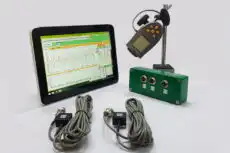
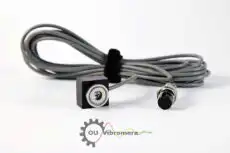
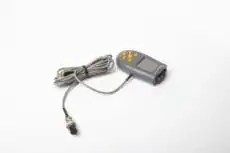
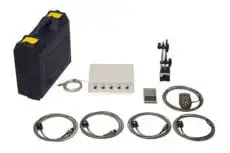
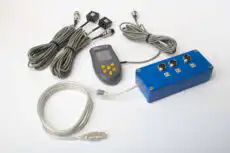
ಪರಿಧಿ ಚಾಲನೆಗಳು ಪೋರ್ಟೇಬಲ್ ವಿಶ್ಲೇಷಕವನ್ನು ಬಳಸಿ ಕಟ್ಟೆ ಹಚ್ಚಲಾಗುವ ವೈದ್ಯ ಸಮಸ್ಯೆಗಳ ಪಕ್ಕವಾಗಿ ಕೂತಿವೆ, ಮತ್ತು ಅವುಗಳನ್ನು ಪ್ರತ್ಯೇಕಿಸುವುದು ರೋಗನಿದಾನ ಲಡಾಯಿಯ ಅರ್ಧ ಭಾಗವಾಗಿದೆ. ಎರಡು-ಚಾನೆಲ್ ಸೈಟ್ ಸಾಧನದಂತೆ ಬ್ಯಾಲೆನ್ಸೆಟ್-1ಎ ಪತ್ತೆಹಿಡಿಯುತ್ತದೆ amplitude and phase ಪ್ರತಿ ಘಟಕದ ಮತ್ತು FFT ವರ್ಣಪಟಲ, ಆದ್ದರಿಂದ ಉಪ-ಸಿಂಕ್ರೋನಸ್ ಪರಿಧಿ-ಬಾಸ್ತೆ ಶಿಖರಗಳನ್ನು 1× ನಿಂದ ಸ್ವಚ್ಛವಾಗಿ ಬೇರ್ಪಡಿಸಬಹುದು unbalance ತಿರುಳುಗಳ ಮತ್ತು 2× ಯಾವುದೇ misalignment. ಪರಿಧಿ ಅಥವಾ ತಿರುಳು ಸಮಸ್ಯೆಯನ್ನು ಹೊರಹಾಕಿದ ನಂತರ, ಅದೇ ಸಾಧನವನ್ನು ಫೀಲ್ಡ್-ಬ್ಯಾಲೆನ್ಸ್ ಸ್ಥಾನದಲ್ಲಿ ವಿಕೇಂದ್ರೀಯ ಅಥವಾ ಅಸಮತೋಲಿತ ತಿರುಳು - ಮಾಪನ, ತಿದ್ದುವುದು, ಮತ್ತು ಉಳಿದ ಅಸಮತೋಲನ ಪ್ರಭಾವದಿಂದ ತೆಗೆದು ಹಾಕದೆ ಪರಿವೆರಿಫೈ ಮಾಡುವುದು.
5. ಸಾಮಾನ್ಯ ಸಮಸ್ಯೆಗಳು ಮತ್ತು ಪರಿಹಾರಗಳು
- Belt slippage: ಕರ್ಕರೆ, ವೇಗ ಬದಲಾವಣೆ, ತಾಪನ ಮತ್ತು ಪಾಲಿಶಿಂಗ — ಕಡಿಮೆ ತಿರುವು, ಧರಿಸಿದ ಬೆಲ್ಟ್, ತೈಲ ಮಾಲಿನ್ಯ, ಅಥವಾ ಅಧಿಕ ಲೋಡ್ನಿಂದ ಉಂಟಾಗುತ್ತದೆ. ತಿರುವು ಹೆಚ್ಚಿಸುವುದು, ಬೆಲ್ಟ್ ಬದಲಾಯಿಸುವುದು, ಪುಲಿಗಳನ್ನು ಸ್ವಚ್ಛಗೊಳಿಸುವುದು ಅಥವಾ ಲೋಡ್ ಕಡಿಮೆ ಮಾಡುವುದರ ಮೂಲಕ ಪರಿಹರಿಸಿ.
- ಪ್ರಿಮ್ಯಾಚ್ಯೋರ್ ಬೆಲ್ಟ್ ಧರಿಸುವಿಕೆ: ತಪ್ಪಿಸುವಿಕೆ, ಅಸಮರ್ಥ ತಿರುವು, ಪರಿಸರ ಅಂಶ ಅಥವಾ ಪುಲಿ ಧರಿಸುವಿಕೆಯಿಂದ ಪ್ರೇರಿತವಾಗುತ್ತದೆ. ನಿಖುಂದ ಜೋಡಣೆ, ಸರಿಯಾದ ತಿರುವು, ಪುಲಿ ಬದಲಾವಣೆ ಮತ್ತು ಪರಿಸರ ರಕ್ಷಣೆಯೊಂದಿಗೆ ಸಂಬೋಧಿಸಿ.
- Excessive vibration: ಬೆಲ್ಟ್ ಅನುರಣನ, ವಿಕೇಂದ್ರೀಯ ಪುಲಿಗಳು, ಧರಿಸಿದ ಬೆಲ್ಟ್ಗಳು ಅಥವಾ ತಪ್ಪಿಸುವಿಕೆಯಿಂದ. ಬೆಲ್ಟ್ ಗೈಡ್ಗಳು ಅಥವಾ ಐಡ್ಲರ್ಗಳನ್ನು ಸೇರಿಸಿ, ಪುಲಿಗಳನ್ನು ಬದಲಾಯಿಸಿ, ಮರುಜೋಡಿಸಿ ಅಥವಾ ಬೆಲ್ಟ್ಗಳನ್ನು ಬದಲಾಯಿಸಿ.
- ಸದ್ದುವಾದ ಕಾರ್ಯಾಚರಣೆ: ಧರಿಸಿದ ಅಥವಾ ನೋಂದಾಯಿತ ಬೆಲ್ಟ್ಗಳು, ತಪ್ಪಿಸುವಿಕೆ ಅಥವಾ ಅನುರಣನದಿಂದ ಉಂಟಾಗುತ್ತದೆ — ಬೆಲ್ಟ್ ಬದಲಾಯಿಸುವುದು, ಪುಲಿಗಳನ್ನು ಜೋಡಿಸುವುದು, ತಿರುವು ಸಮನ್ವಯ ಮಾಡುವುದು ಅಥವಾ ನೆರೆಸುವಿಕೆ ಸೇರಿಸುವುದರ ಮೂಲಕ ಪರಿಹರಿಸಿ.
6. ತಡೆಗಟ್ಟುವ ನಿರ್ವಾಹಣೆ
ಸಾಮಾನ್ಯ ತಪಾಸಣೆ
- ವಿಜ್ಞಾನ ಬೆಲ್ಟ್-ಸ್ಥಿತಿ ಪರಿಶೀಲನೆ, ಮಾಸಿಕ.
- ತಿರುವು ಪರಿಶೀಲನೆ, ತ್ರೈಮಾಸಿಕ ಅಥವಾ ತಯಾರಕರ ಕೋಷ್ಟಕ ಅನುಸಾರ.
- ಜೋಡಣೆ ಪರಿಶೀಲನೆ, ವಾರ್ಷಿಕ ಅಥವಾ ಯಾವುದೇ ಬೆಲ್ಟ್ ಬದಲಾವಣೆಯ ನಂತರ.
- ಬೆಲ್ಟ್ ಬದಲಾವಣೆಯ ಸಮಯದಲ್ಲಿ ಪುಲಿ-ಧರಿಸುವಿಕೆ ತಪಾಸಣೆ.
ಬೆಲ್ಟ್ ಬದಲಾವಣೆ ವಿಧಾನ
- Matched sets: ಬಹು-ಬೆಲ್ಟ್ ಡ್ರೈವ್ನಲ್ಲಿ ಎಲ್ಲಾ ಬೆಲ್ಟ್ಗಳನ್ನು ಒಟ್ಟಿಗೆ ಬದಲಾಯಿಸಿ.
- ಸರಿಯಾದ ಆಯ್ಕೆ: ಅನ್ವಯಕ್ಕೆ ಸರಿಯಾದ ಬೆಲ್ಟ್ ಪ್ರಕಾರ ಮತ್ತು ಗಾತ್ರ ಬಳಸಿ.
- Align first: ಹೊಸ ಬೆಲ್ಟ್ಗಳನ್ನು ಅಳವಡಿಸುವ ಮೊದಲು ಪುಲಿ ಜೋಡಣೆ ಪರಿಶೀಲಿಸಿ.
- ಸರಿಯಾದ ತಿರುವು: ತಯಾರಕರ ವಿವರಣೆ ಅನುಸರಿಸಿ.
- ರನ್-ಇನ್ ಅವಧಿ: ಕಾರ್ಯಾಚರಣೆಯ ಮೊದಲ 24–48 ಗಂಟೆಗಳ ನಂತರ ತಿರುವು ಪುನಃ ಪರಿಶೀಲಿಸಿ ಮತ್ತು ಸಮನ್ವಯ ಮಾಡಿ.
7. ಪ್ರಯೋಜನಗಳು ಮತ್ತು ಸೀಮಾವನೆಗಳು
ಬೆಲ್ಟ್ ಡ್ರೈವ್ನ ಅನುಕೂಲ ಮತ್ತು ಅನುಕೂಲವಲ್ಲದ ಗುಣಲಕ್ಷಣಗಳನ್ನು ಅರ್ಥಮಾಡಿಕೊಳ್ಳುವುದರಿಂದ ಅದರ ದೋಷಗಳು ಸ್ಪಷ್ಟವಾಗುತ್ತವೆ.
- ಪ್ರಯೋಜನಗಳು: ಕಂಪನ ನಿರೋಧನ (ಬೆಲ್ಟ್ನ ಸಂಯೋಜಕತೆ ಆಘಾತವನ್ನು ಹೀರಿಕೊಳ್ಳುತ್ತದೆ), ಅತಿಯಾದ ಹೊರೆ ರಕ್ಷಣೆ (ಬೆಲ್ಟ್ ಘಟಕಗಳನ್ನು ಮುರಿಯುವ ಬದಲಿಗೆ ಜಾರುತ್ತದೆ), ಸಮಾಯೋಜ್ಯ ವೇಗ ಅನುಪಾತಗಳು (ತಾಲಿ ಗಾತ್ರ ಬದಲಾಯಿಸುವ ಮೂಲಕ), ಆರ್ಥಿಕತೆ ಮತ್ತು ಸರಳತೆ, ಮತ್ತು ಸುಸ್ಥ ಸ್ಥಿತಿಯಲ್ಲಿ ನಿರಮ್ಮ ಕಾರ್ಯಾಚರಣೆ.
- ಮಿತಿಗಳು: ನಿಯಮಿತ ಬದಲಾವಣೆ ಅಗತ್ಯವಿರುವ ಸೀಮಿತ ಆಯುಷ್ಯ, ಜಾರುವಿಕೆಯಿಂದ ದಕ್ಷತಾ ನಷ್ಟ (ಸಾಮಾನ್ಯವಾಗಿ 2–5%), ಬೇರಿಂಗ್ ಬದಿಯ ಲೋಡ್ಗಳನ್ನು ಸೃಷ್ಟಿಸುವ ತಾಣ, ಮಧ್ಯಮ ಶಕ್ತಿಗೆ ಸೂಕ್ತತೆ, ಮತ್ತು ಜಮೀನಿನ ನಿರೂಪಣೆ ಮತ್ತು ಪರಿಸರಕ್ಕೆ ಸಂವೇದನಶೀಲತೆ.
ಬೆಲ್ಟ್ ಡ್ರೈವ್ ದೋಷಗಳು, ಸಾಮಾನ್ಯವಾಗಿ ಕಡಿಮೆ ತೀವ್ರವಾಗಿದ್ದರೂ ಬೇರಿಂಗ್ ಅಥವಾ gear failures, ಇನ್ನೂ ಸಾಧನ ವಿಶ್ವಾಸಾರ್ಹತೆ, ದಕ್ಷತೆ ಮತ್ತು ಶಬ್ದದ ಮೇಲೆ ನೈಜ ಪ್ರಭಾವ ಬೀರುತ್ತವೆ. ಬೆಲ್ಟ್-ನಿರ್ದಿಷ್ಟ ಆವರ್ತನಗಳು ಮತ್ತು ವಿಫಲತೆ ಕ್ರಮವಿಧಿಗಳನ್ನು ತಿಳಿದುಕೊಳ್ಳುವುದರಿಂದ ನಿರ್ವಹಣೆ ತಂಡವು ಪರಿಣಾಮಕಾರಿಯಾಗಿ ಮೇಲ್ವಿಚಾರಣೆ ಮಾಡಲು ಮತ್ತು ಸಮಯಕ್ಕೆ ಹಸ್ತಕ್ಷೇಪ ಮಾಡಲು ಸಾಧ್ಯವಾಗುತ್ತದೆ — ಬೆಲ್ಟ್ ಜೀವನ ವರ್ಧಿಸುತ್ತದೆ ಮತ್ತು ಅನಿರೀಕ್ಷಿತ ವಿಫಲತೆಗಳನ್ನು ತಪ್ಪಿಸುತ್ತದೆ ಬೆಲ್ಟ್-ಚಾಲಿತ ಯಂತ್ರಗಳನ್ನು ಬುಡಗೆರೆ ಮಾಡುತ್ತದೆ.

