Kubaini Shimba Iliyobenguka





A bent shaft ni hali ambapo rota ya mashine imebenguzwa kabisa — plastiki — ili mkondo wake wa kijiometri usitembee tulia. Inazalisha vibration dalili inayoonekana kama unbalance or misalignment, lakini ina alama moja ya kutambua ambayo inaitenganisha: vibration ya axial kubwa kwa kasi ya uendeshaji. Kugundua muonekano huo — na kuukubali kwa phase analysis — ndio kinachosimamisha injini kutoweza kupoteza masaa kwa kujaribu kusawazisha hitilafu ambayo kusawazisha hakiwezi kamwe kukamatia.
1. Asili ya Shaft Iliyoinama
Shaft iliyoinama ni matokeo ya nyenzo ya shaft kusumbuliwa zaidi ya kiwango chake cha elastiki, kwa hiyo mwendeleko hauzii nyuma wakati mzigo unapotiwa. Njia kadhaa husababisha hii:
- Dhiki ya joto: rotor ya moto — kwa mfano rotor ya turbine iliyoachwa kubaridi bila usawa, au ile isiyozungushwa kwa chuma cha kuzungusha — inaweza kuchukua curvature ya kudumu inaposahau. Hii tofauti na thermal bow ambayo inapotea mara joto linaposawa.
- Ndhalifu ya mitambo: rotor iliyoanguka, athari kubwa, au upangaji mbovu wakati wa usafiri au upya wa serikali.
- Kushindwa kusaidiana: operesheni ya kudumu chini ya kutokuwa na usawa au misalignment kubwa inaweza kuzamia shaft mpaka itajifanya, kubadilisha hitilafu moja kuwa nyingine.
Inastahili kuweka tofauti kati ya bend halisi ya plastiki na ya kurudi nyuma: shaft bow: bend ya joto au uzani inaweza kunyooka katika huduma au baada ya kupumzika, ilhali shaft iliyoinama inabaki ikiwa imepigwa na lazima ibashirwe kimwili au ibadiliswe.
2. Saini ya Vibration ya Shaft Iliyoinama
Sifa inayoongoza ni kilele cha amplitude kubwa kwa 1× the running speed. Bend hufanya kama eneo lenye uzani kubwa, kwa hiyo shaft inapozunguka inatupa mara moja kwa mapinduzi nguvu ya kituo sawa sana na ile ya kutokuwa na usawa. Viashiria vya kupambana ni:
- Vibration ya axial juu: ishara muhimu zaidi ya mtu mmoja. Wakati shaft iliyoinama ikiwa inazunguka, ina nguvu za sehemu zilizounganishwa nayo — couplings, maberu, mwili wa rotor — kusonga mbele na nyuma kando ya mhimili wa shaft. Wakati mitetemo ya upande inazidi takriban 50% ya kiwango cha radial (kingo au wima), shaft iliyoinama au misalignment kubwa inaonyeshwa kwa nguvu.
- Mitetemo ya radial inayofanana: kama ilivyo na ukosefu wa usawa, 1× mitetemo ya radial is high.
- Masafa ya 1× yenye nguvu: the spectrum is usually dominated by the 1× peak, though a 2× component can also appear — particularly when the bend is near the centre of the shaft.
Kwa sababu picha ya radial inaiga ukosefu wa usawa kwa karibu sana, kusoma kwa upande wa axial na mahusiano ya awamu iliyoelezewa hapa chini ndilo linaloamua jibu sahihi.
3. Kutofautiana Shimoni Iliyopinda na Kukosa Usawa
Shimoni iliyopinda na kukosa unaendelea kwa shimoni inaweza kuonekana karibu sawia kwa habari za amplitude, kwa sababu zote mbili zinaongeza mitetemo ya axial. Jinsi ya kuzisanganya ni phase analysis, kwa kutumia mahusiano ya muda ambayo tachometer kumbukumbu inayofanya iwezekanavyo.
- Procedure: chukua radial na axial phase vipimo katika bearing zote za ndani na nje — kusoma nne kwa jumla.
- Dalili ya shimoni iliyopinda: ikiwa shimoni imepinda, kusoma kwa awamu ya axial kuchukuliwa katika nafasi sawa ya radial (kwa mfano, juu ya kila bearing) itakuwa takriban °180 nje ya awamu kwa kila mmoja. Wakati mwisho mmoja wa rotor unasongezwa mbele na upinde, mwisho mwingine unakokotwa nyuma.
- Dalili ya kukosa usawa: katika kukosa usawa kwa angular klasiki, kusoma kwa awamu ya axial sawa hiyo huwa karibu in phase (karibu 0° kamili).
Kuchukua kusoma kwa awamu kote kwa mitaani inatoa ushahidi zaidi, mara nyingi mahali pa kuamua, kukamatia ubaguzi wa matatizo haya mawili. A kikokotoo cha pembe ya awamu ni muhimu kwa kuchanganya na kulinganisha usomaji huu wa vekta wakati wa tathmini.
4. Kutofautiana kwa Shimoni Iliyovimba na Kutokuwa na Mizani
Hali zote mbili zinaunda vibration kubwa ya radial ya 1×, lakini tu unbalance inahasilisha vibration chache sana ya axial. Kwa hiyo kilele cha juu cha 1× combined with mwendo mkubwa wa axial unaoashiria ni mbali na kutokuwa na mizani tu na kuelekea shimoni iliyovimba au misalignment.
Kuna pia tabia ya vitendo, karibu tabia ya utambuzi, wakati wa urekebishaji. Shimoni iliyovimba haiwezi kukamatia kwa kusawazisha: adding uzani wa marekebisho inaweza kupunguza vibration kwa kuzamisheni mmojawapo wakati kukuliza katika kingine, kwa sababu vimba ni deformation iliyosambazwa badala ya massa moja iliyojilimbikiza. Ikiwa rotor ikita kuwa ngumu au haiwezi kukamatia — usomaji ukikataa kugeuka kuwa mkubali kutokuwa na usawa maalum — tabia hiyo inayosumbua ndiyo ushahidi wenye nguvu wa shimoni iliyovimba badala ya kutokuwa na mizani rahisi tu.
5. Uthibitisho na Kipimo cha Vitendo
Uthibitisho kamili ni wa mitambo: peana rotor kwenye V-blocks au kati ya lathe centres na isukume shimoni na kiashiria cha kibao kupima runout (usomaji kamili wa kiashiria). Runout inayokamatika na inayorudia inayolingo kwenye nafasi moja ya angular inakubaliana na vimba halisi, baada ya hapo shimoni lazima isangaziwe au ibadilishwe. A kikokotoo cha runout radial cha shimoni husaidia kuangania TIR iliyopimwa kwa eccentricity ya kweli ya mstari wa katikati.
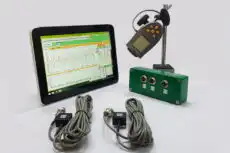
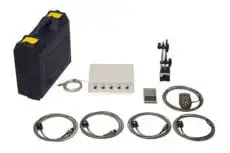
Kabla halijambuliwa mashine, hata hivyo, hitilafu kwa kawaida hutambuliwa kwanza kwenye vifaa vya vitendo. Kiashiria cha taradhimali cha njia mbili kama vile Balancet-1A lets the technician capture 1× amplitude and phase simultaneously in the radial and axial directions at both bearings, in the machine’s own bearings at operating speed — exactly the four-point phase set needed to separate a bent shaft from misalignment, and to confirm that the rotor genuinely will not balance. That on-site reading turns an ambiguous high-1× symptom into a confident diagnosis before any disassembly begins.

