Kuelewa Kasoro za Ukanda wa V


V-belt defects ni matatizo maalum na hali za kushindwa zinazotokea katika mifumo ya kuendesha ukanda wa V (inayoitwa pia mifumo ya ukanda wa pembe), ambapo ukanda wenye sehemu ya msalaba ya umbo la trapezoidi huzunguka katika mifereji ya V inayolingana iliyokatwa kwenye pulii. Kasoro hizi ni pamoja na uchakavu wa ukuta wa pembeni kutokana na mgusano na pulii, kupasuka kutokana na uchovu wa kuinamika, uharibifu wa kamba ya ndani, uchafu wa mafuta, tofauti ya urefu wa ukanda katika mifumo yenye ukanda mwingi, na matatizo yanayohusiana na tendo la kufanya kama kabari linalopeleka nguvu katika mfumo wa ukanda wa V. Kwa sababu ukanda wa V ni moja ya njia za kawaida zaidi za uhamishaji wa nguvu katika mashine za viwandani — mashabiki, pampu, vifaa vya kusukuma hewa na vifaa vya kusafirisha mzigo vyote vitegemea — kuelewa hali zake maalum za kushindwa ni muhimu kwa matengenezo bora na vibration uchunguzi wa hitilafu. Zinaunda darasa moja muhimu ndogo ndani ya familia pana ya hitilafu za hema za ukanda.
1. Ufafanuzi: Hitilafu za Ukanda wa V ni Nini?
Kipengele kinachobainisha ukanda wa V ni umbo la kabari. Ukanda haukai chini ya mfereji; badala yake kuta zake za pembeni zinazoingia pembe zinaingizwa ndani ya pembe za mfereji, na hatua hiyo ya kabari huongeza nguvu ya kawaida ili msongo wa wastani upitishe torque kubwa. Karibu kila hitilafu ya kawaida ya ukanda wa V inatokana na jiometri hii: kuta za pembeni ndizo nyuso zinazofanya kazi, kwa hivyo zinachakaa; ukanda hubonyezwa sana kuzunguka koromeo, kwa hivyo unapasuka; na chochote kinachobadilisha msuguano kwenye kuta za pembeni — mafuta, kung'aa, uchakao — husababisha mtelezi. Kuhifadhi kabari hiyo safi, ikiwa na msongo sahihi na imepangwa vizuri ndiko kiini cha uaminifu wa ukanda wa V.
2. Hitilafu za Kawaida za Ukanda wa V
Sidewall Wear
Nyuso za kabari zinazopitisha nguvu huchakaa polepole:
- Cause: uendeshaji wa kawaida — kuta za pembeni husuguana na nyuso za mfereji wa koromeo.
- Appearance: kuta za pembeni zenye kung'aa na laini; ukanda unashuka zaidi ndani ya mfereji unapochakaa.
- Progression: mchakato wa polepole unaochukua miezi hadi miaka.
- Effect: ukanda hukaa zaidi ndani ya mfereji, ukibadilisha kidogo kipenyo chake cha hatua chenye ufanisi na kwa hivyo kasi ya inayoendeshwa.
- Indicator: ukanda uko kwenye kiwango cha ukingo wa koromeo au chini yake, ambapo ukanda mpya ungekuwa juu yake.
Kupasuka kwa Chini (Kupasuka kwa Joto)
- Appearance: nyufa zinazokwenda perpendicular kwa urefu wa ukanda kwenye uso wa chini (tambarare).
- Cause: kuinama mara kwa mara kuzunguka koromeo ndogo, halijoto iliyoinuka na kuzeeka.
- Severity: nyufa ndogo zinakubalika; nyufa nzito — zaidi ya theluthi moja ya unene wa ukanda — zinahitaji uingizwaji.
- Progression: nyufa zinazozidi kwa muda na hatimaye zinaweza kudhihirisha au kukata nyaya za ndani.
Kupasuka kwa Ukuta wa Pembeni
- Appearance: nyufa kwenye nyuso za ukuta wa pembeni wenye pembe.
- Causes: kuzeeka, mfiduo wa ozoni, kuzorota kwa mazingira na uhifadhi usiofaa.
- Effect: hupunguza uwezo wa kupitisha nguvu na inaweza kuendelea hadi kuvunjika kwa ukanda.
- Prevention: uhifadhi sahihi, ulinzi wa mazingira na ubadilishaji wa wakati unaofaa.
Cord Damage
- Broken cords: nyuzi za uimarishaji wa ndani — viungo vinavyobeba mzigo — zinakata.
- Causes: mzigo kupita kiasi, mshtuko wa mzigo, uharibifu wa pulley na fatigue.
- Detection: mkanda unanyooshwa kupita kiasi na unaweza kuonyesha uvimbe au maeneo laini ya ndani.
- Vibration: sehemu ya nyuzi iliyokatika inasababisha mshtuko kila inapopita juu ya pulley.
- Action: ubadilishaji wa haraka unahitajika.
Uchafu wa Mafuta au Grisi
- Effect: hufanya mpira kuvimba na kupunguza mgawo wa msuguano kwenye kuta za pembeni.
- Symptoms: mkanda kuteleza, kupiga kelele na kuchakaa haraka.
- Appearance: mkanda wenye kung'aa, uliovimba, laini.
- Correction: badilisha mkanda, safisha pulley, na uondoe chanzo cha uchafu.
Matatizo ya Seti Zinazofanana (Mifumo ya Mikanda Mingi)
- Urefu usiolingana: mikanda katika seti ina urefu tofauti kidogo wa ufanisi.
- Effect: mzigo unagawanywa bila usawa — mikanda michache inabeba mzigo mwingi na kuchakaa haraka zaidi.
- Symptoms: mikanda mingine imekaza wakati mingine imelegea; kuchakaa bila usawa; na mtetemo masikitizo ya kupiga.
- Prevention: daima weka seti za mikanda zinazofanana — mtengenezaji mmoja, kundi na nambari ya urefu.
3. Alama za Mtetemo
Mfumo wa Kawaida wa Mkanda wa V
- Mtetemo wa jumla wa chini — kwa kawaida chini ya takriban 2 mm/s RMS.
- Nishati imejilimbikizia kwa kasi za mhimili wa 1× za koleo inayoendesha na inayoendeshwa.
- Mwamko mdogo kwa masafa ya upitishaji wa mkanda.
- Maudhui ya mzingo wa juu yaliyopunguzwa.
Mfumo wa Mkanda wa V Wenye Hitilafu
Kila hali ya hitilafu huacha alama inayotambulika katika wigo wa mitetemo:
- Misalignment: high axial vibration, with 1× and 2× components.
- Worn belts: mtetemo mkubwa wa jumla unaokua na tabia isiyokuwa thabiti.
- Cord damage: vilele kwa masafa ya upitishaji wa mkanda pamoja na harmonics, na migongano wazi katika time waveform.
- Matatizo ya mvutano: mtetemeko wa masafa ya chini chini ya Hz 10 takriban na sub-synchronous components.
- Kutofautiana kwa mikanda mingi: masafa ya mpigo katika kiwango cha Hz 1–5 pamoja na urekebishaji wa mwamko.
Kwa sababu masafa ya upitishaji wa mkanda kwa kawaida ni chini ya usawazishaji na yanaweza kuchanganyikiwa na vyanzo vingine vya masafa ya chini, inafaa kuyahesabu wazi; zana yetu ya Kikokotoo cha Masafa ya Hitilafu ya Mfumo wa Mkanda hutoa masafa ya upitishaji wa mkanda na masafa yanayohusiana kutoka kwa jiometri ya koleo na kasi.
4. Ukaguzi na Upimaji
Tathmini ya Hali ya Mkanda
Viashiria vya Kuona vya Ubadilishaji
- Nyufa zenye kina zaidi ya theluthi moja ya unene wa mkanda.
- Kitambaa cha ukuta wa pembeni kinachoonekana kupitia mpira.
- Kando za mkanda zilizochafuka au kuharibika.
- Uso wa mkanda wenye mng'ao au ulaini, unaoashiria uharibifu wa joto.
- Vipande vilivyopotea kwenye mkanda.
- Mkanda kupanda sawa na ukingo wa pulia au chini yake — ishara ya uchakavu mkubwa.
- Kunyooshwa dhahiri au mabadiliko yanayopimika ya urefu.
Uthibitisho wa Mvutano
- Jaribio la kupinda: tumia nguvu iliyobainishwa katikati ya sehemu na upime kupinda kunakotokea.
- Target: kwa kawaida inchi 1/64 ya kupinda kwa kila inchi ya sehemu chini ya shinikizo la wastani la kidole.
- Mikanda mingi: mikanda yote inapaswa kuonyesha mvutano sawa, yaani kupinda kwa kiwango sawa.
- Tools: kipimo cha mvutano wa mkanda kwa upimaji sahihi.
Badala ya kutegemea hisia, weka mvutano kulingana na thamani iliyohesabiwa — kisehesabu cha Mvutano wa Mkanda kinashughulikia mbinu za kupinda, mzunguko na nguvu, na kisehesabu cha Kuchagua Mkanda wa V (ISO 5288) husaidia kuthibitisha mkanda sahihi kwa msukumo tangu mwanzo.
Ukaguzi wa Pulia
- Groove wear: pima kina cha mfereji na pembe ya ndani; mfereji uliozeeka au kuwa na umbo la bakuli humfanya mkanda ashuke chini na kuteleza.
- Wear limits: badilisha pulia mara kina cha mfereji kitakapoongezeka kwa inchi 1/32 au zaidi.
- Hali ya uso: angalia kutu, uharibifu na mkusanyiko wa bidhaa.
- Runout: angalia kisukari cha mkanda (pulley) kwa upotevu wa mzunguko au mtetemo wa upande — angalia shaft runout.
5. Mazoea Bora ya Matengenezo
Ufungaji wa Mkanda
- Usitumie nguvu ya kunyanyua mikanda juu ya mipaka ya kisukari — hii inaweza kuvunja nyuzi za ndani.
- Punguza umbali wa katikati ili mikanda iweze kuteleza bila nguvu.
- Tumia seti zilizoanana kwenye mifumo ya mikanda mingi.
- Thibitisha usawa wa msongo (alignment) kabla ya kukazisha.
- Kazisha kwa kipimo kilichoainishwa, kamwe kwa hisi tu.
Mwongozo wa Kukaza Mkanda
- Fuata kipimo cha mtengenezaji’, kwa njia ya nguvu au njia ya kupima kupinda.
- Mikanda mipya: weka mvutano wa awali, kisha kazisha tena baada ya masaa 24–48 ya uendeshaji baada ya upanuzi wa awali kusimama.
- Mikanda mingi: hakikisha kila mkanda una mvutano sawa.
- Fanya ukaguzi wa mara kwa mara — kila robo mwaka, au kulingana na masaa ya uendeshaji.
Alignment
- Tumia rula ya mnyoofu kwenye nyuso za visukari kwa ukaguzi wa haraka.
- Use kulinganisha kwa laser zana kwa usahihi.
- Nyuso za visukari lazima ziwe sambamba.
- Mistari ya katikati ya mikanda lazima ilingane.
- Kukosea kwa mwelekeo (angular misalignment) chini ya takriban 0.5° kawaida hukubalika.
Vipindi vya Ubadilishaji
- Muda wa kawaida wa maisha ya mkanda wa V ni masaa 12,000–24,000 ya uendeshaji, au takriban miaka 1.5–3 ya uendeshaji unaoendelea.
- Badilisha mkanda unapokuwepo viashiria vya uchakavu.
- Usisubiri kuharibika kabisa — panga ubadilishaji kwa mpango.
- Weka seti zinazolingana za akiba kwenye hifadhi.
6. Kutambua Hitilafu za Mfumo wa Mikanda Eneo la Kazi
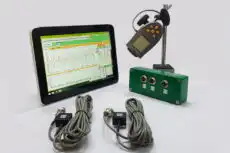
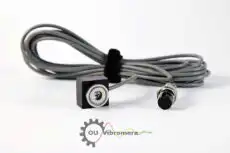
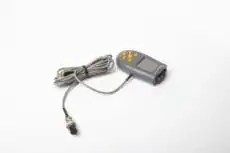
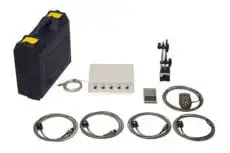
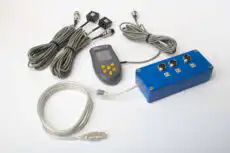
Hitilafu za mkanda mara chache huja peke yao — mfumo uliochakaa au wenye mvutano mbaya mara nyingi uko kwenye mashine ambayo pia ina misalignment or residual unbalance kwenye puli zenyewe, na wigo wa mzunguko unaingiliana katika eneo la masafa ya chini. Kipima mtetemo cha mwanzo chenye njia mbili kama vile Balancet-1A husaidia kutofautisha sababu hizi: inachukua wigo na mawimbi ya muda ili kuonyesha athari za kupita kwa mkanda na masafa ya mzunguko, na, pale ambapo puli au shabehe isiyo na usawa ndiyo chanzo halisi, inapima ukubwa na awamu ya 1× ili rota iweze kusawazishwa mahali inapofanya kazi. Kuchunguza tatizo la mkanda kutoka tatizo la rota kabla ya kutafuta mikanda mipya kunaokoa vipande na muda wa kusimama.
Kasoro za mkanda wa V ni za kawaida katika mashine za viwandani, lakini zinaweza kuzuiwa na kutambuliwa kwa urahisi kupitia usakinishaji sahihi, ukaguzi wa mara kwa mara na ufuatiliaji wa hali. Ujuzi wa kina wa njia za kushindwa na mahitaji ya matengenezo ya mkanda wa V ndiyo unaowezesha uendeshaji wa kuaminika, wa maisha marefu wa vifaa vinavyofanyakazi kwa mikanda huku ukidumisha mtetemo na kelele kuwa ndogo.

