ਵੀ-ਬੈਲਟ ਨੁਕਸਾਂ ਨੂੰ ਸਮਝਣਾ

ਵੀ-ਬੈਲਟ ਨੁਕਸ V-ਬੈਲਟ ਡਰਾਈਵਾਂ (ਜਿਨ੍ਹਾਂ ਨੂੰ ਵੈੱਜ-ਬੈਲਟ ਡਰਾਈਵਾਂ ਵੀ ਕਿਹਾ ਜਾਂਦਾ ਹੈ) ਵਿੱਚ ਪੈਦਾ ਹੋਣ ਵਾਲੀਆਂ ਖਾਸ ਸਮੱਸਿਆਵਾਂ ਅਤੇ ਫੇਲ੍ਹ ਹੋਣ ਦੇ ਢੰਗ ਹਨ, ਜਿੱਥੇ ਟ੍ਰੈਪੀਜ਼ੋਇਡਲ ਕਰਾਸ-ਸੈਕਸ਼ਨ ਵਾਲੀ ਬੈਲਟ ਪੁਲੀਆਂ ਵਿੱਚ ਕੱਟੀਆਂ ਮਿਲਦੀਆਂ V-ਖੰਡੀਆਂ ਵਿੱਚ ਚੱਲਦੀ ਹੈ। ਇਹਨਾਂ ਦੋਸ਼ਾਂ ਵਿੱਚ ਪੁਲੀ ਸੰਪਰਕ ਤੋਂ ਸਾਈਡਵਾਲ ਘਸਾਈ, ਮੋੜ ਦੀ ਥਕਾਵਟ ਤੋਂ ਦਰਾੜਾਂ, ਅੰਦਰੂਨੀ ਕੋਰਡ ਨੁਕਸਾਨ, ਤੇਲ ਦਾ ਦੂਸ਼ਿਤ ਹੋਣਾ, ਕਈ-ਬੈਲਟ ਡਰਾਈਵਾਂ ਵਿੱਚ ਬੇਮੇਲ ਬੈਲਟ ਲੰਬਾਈਆਂ, ਅਤੇ V-ਬੈਲਟ ਪ੍ਰਣਾਲੀ ਵਿੱਚ ਪਾਵਰ ਟ੍ਰਾਂਸਮਿਟ ਕਰਨ ਵਾਲੀ ਵੈੱਜਿੰਗ ਕਿਰਿਆ ਨਾਲ ਸੰਬੰਧਿਤ ਖਾਸ ਸਮੱਸਿਆਵਾਂ ਸ਼ਾਮਲ ਹਨ। ਕਿਉਂਕਿ ਉਦਯੋਗਿਕ ਮਸ਼ੀਨਰੀ ਵਿੱਚ V-ਬੈਲਟਾਂ ਸਭ ਤੋਂ ਆਮ ਪਾਵਰ-ਟ੍ਰਾਂਸਮਿਸ਼ਨ ਢੰਗਾਂ ਵਿੱਚੋਂ ਹਨ — ਪੱਖੇ, ਪੰਪ, ਕੰਪ੍ਰੈਸਰ ਅਤੇ ਕਨਵੇਅਰ ਸਭ ਇਹਨਾਂ ਉੱਤੇ ਨਿਰਭਰ ਕਰਦੇ ਹਨ — ਇਸ ਲਈ ਇਹਨਾਂ ਦੇ ਖਾਸ ਫੇਲ੍ਹ ਹੋਣ ਦੇ ਢੰਗਾਂ ਨੂੰ ਸਮਝਣਾ ਪ੍ਰਭਾਵਸ਼ਾਲੀ ਰੱਖ-ਰਖਾਵ ਅਤੇ ਵਾਈਬ੍ਰੇਸ਼ਨ ਡਾਇਗਨੌਸਟਿਕਸ ਲਈ ਕੇਂਦਰੀ ਹੈ। ਇਹ ਵਿਸ਼ਾਲ ਪਰਿਵਾਰ ਦੀ ਇੱਕ ਮਹੱਤਵਪੂਰਨ ਉਪ-ਸ਼੍ਰੇਣੀ ਬਣਾਉਂਦੇ ਹਨ ਬੈਲਟ-ਡਰਾਈਵ ਨੁਕਸ.
1. ਪਰਿਭਾਸ਼ਾ: V-ਬੈਲਟ ਦੋਸ਼ ਕੀ ਹਨ?
V-ਬੈਲਟ ਦੀ ਪਰਿਭਾਸ਼ਿਤ ਵਿਸ਼ੇਸ਼ਤਾ ਵੈੱਜ ਹੈ। ਬੈਲਟ ਖੰਡੀ ਦੇ ਹੇਠਾਂ ਨਹੀਂ ਬੈਠਦੀ; ਇਸ ਦੀ ਬਜਾਏ ਇਸ ਦੀਆਂ ਕੋਣਦਾਰ ਸਾਈਡਵਾਲਾਂ ਖੰਡੀ ਦੇ ਕਿਨਾਰਿਆਂ ਵਿੱਚ ਜਾਮ ਹੋ ਜਾਂਦੀਆਂ ਹਨ, ਅਤੇ ਨਤੀਜੇ ਵਜੋਂ ਹੋਣ ਵਾਲੀ ਵੈੱਜਿੰਗ ਕਿਰਿਆ ਨਾਰਮਲ ਫੋਰਸ ਨੂੰ ਗੁਣਾ ਕਰਦੀ ਹੈ ਤਾਂ ਜੋ ਇੱਕ ਮੁਕਾਬਲਤਨ ਮਾਮੂਲੀ ਟੈਂਸ਼ਨ ਵੱਡਾ ਟਾਰਕ ਟ੍ਰਾਂਸਮਿਟ ਕਰ ਸਕੇ। ਲਗਭਗ ਹਰ ਖਾਸ V-ਬੈਲਟ ਨੁਕਸ ਇਸ ਜਿਓਮੈਟਰੀ ਤੋਂ ਪੈਦਾ ਹੁੰਦਾ ਹੈ: ਸਾਈਡਵਾਲਾਂ ਕਾਰਜਸ਼ੀਲ ਸਤਹਾਂ ਹਨ, ਇਸ ਲਈ ਇਹ ਘਸਦੀਆਂ ਹਨ; ਬੈਲਟ ਪੁਲੀਆਂ ਦੁਆਲੇ ਤੇਜ਼ੀ ਨਾਲ ਮੁੜਦੀ ਹੈ, ਇਸ ਲਈ ਇਹ ਦਰਾੜਦੀ ਹੈ; ਅਤੇ ਜੋ ਵੀ ਸਾਈਡਵਾਲਾਂ 'ਤੇ ਘਸਾਈ ਨੂੰ ਬਦਲਦਾ ਹੈ — ਤੇਲ, ਚਮਕ, ਘਸਾਈ — ਸਲਿੱਪ ਦਾ ਕਾਰਨ ਬਣਦਾ ਹੈ। ਉਸ ਵੈੱਜ ਨੂੰ ਸਾਫ਼, ਸਹੀ ਢੰਗ ਨਾਲ ਟੈਂਸ਼ਨ ਕੀਤਾ ਅਤੇ ਸਹੀ ਢੰਗ ਨਾਲ ਅਲਾਈਨ ਕੀਤਾ ਰੱਖਣਾ V-ਬੈਲਟ ਭਰੋਸੇਯੋਗਤਾ ਦਾ ਸਾਰ ਹੈ।
2. ਆਮ V-ਬੈਲਟ ਦੋਸ਼
ਸਾਈਡਵਾਲ ਘਸਾਈ
ਪਾਵਰ ਟ੍ਰਾਂਸਮਿਟ ਕਰਨ ਵਾਲੀਆਂ ਵੈੱਜਿੰਗ ਸਤਹਾਂ ਹੌਲੀ-ਹੌਲੀ ਘਸ ਜਾਂਦੀਆਂ ਹਨ:
- ਕਾਰਨ: ਸਧਾਰਨ ਸੰਚਾਲਨ — ਸਾਈਡਵਾਲਾਂ ਪੁਲੀ ਖੰਡੀ ਦੇ ਚਿਹਰਿਆਂ ਨਾਲ ਰਗੜਦੀਆਂ ਹਨ।
- ਦਿੱਖ: ਚਮਕਦਾਰ, ਨਿਰਵਾਣ ਸਾਈਡਵਾਲਾਂ; ਘਸਣ ਦੇ ਨਾਲ ਬੈਲਟ ਖੰਡੀ ਵਿੱਚ ਹੌਲੀ-ਹੌਲੀ ਹੇਠਾਂ ਬੈਠਦੀ ਜਾਂਦੀ ਹੈ।
- ਵਿਕਾਸ: ਮਹੀਨਿਆਂ ਤੋਂ ਸਾਲਾਂ ਵਿੱਚ ਹੌਲੀ-ਹੌਲੀ ਹੋਣ ਵਾਲੀ ਪ੍ਰਕਿਰਿਆ।
- ਪ੍ਰਭਾਵ: ਬੈਲਟ ਖੰਡੀ ਵਿੱਚ ਡੂੰਘੀ ਬੈਠ ਜਾਂਦੀ ਹੈ, ਜਿਸ ਨਾਲ ਇਸ ਦਾ ਪ੍ਰਭਾਵੀ ਪਿੱਚ ਵਿਆਸ ਅਤੇ ਇਸ ਲਈ ਚਲਾਈ ਜਾ ਰਹੀ ਗਤੀ ਥੋੜ੍ਹੀ ਬਦਲ ਜਾਂਦੀ ਹੈ।
- ਸੂਚਕ: ਬੈਲਟ ਪੁਲੀ ਦੇ ਕਿਨਾਰੇ 'ਤੇ ਜਾਂ ਉਸ ਤੋਂ ਹੇਠਾਂ ਬੈਠਦੀ ਹੈ, ਜਿੱਥੇ ਨਵੀਂ ਬੈਲਟ ਉਸ ਤੋਂ ਉੱਪਰ ਖੜ੍ਹੀ ਹੁੰਦੀ।
ਬੌਟਮ ਕ੍ਰੈਕਿੰਗ (ਹੀਟ ਕ੍ਰੈਕਿੰਗ)
- ਦਿੱਖ: ਬੈਲਟ ਦੀ ਲੰਬਾਈ ਦੇ ਲੰਬਵਤ ਬੌਟਮ (ਸਮਤਲ) ਸਤਹ 'ਤੇ ਚੱਲਦੀਆਂ ਦਰਾੜਾਂ।
- ਕਾਰਨ: ਛੋਟੀਆਂ ਪੁਲੀਆਂ ਦੁਆਲੇ ਬਾਰ-ਬਾਰ ਮੁੜਨਾ, ਉੱਚ ਤਾਪਮਾਨ ਅਤੇ ਉਮਰ ਵਧਣਾ।
- ਗੰਭੀਰਤਾ: ਬਾਰੀਕ ਦਰਾੜਾਂ ਸਵੀਕਾਰਯੋਗ ਹਨ; ਡੂੰਘੀਆਂ ਦਰਾੜਾਂ — ਬੈਲਟ ਦੀ ਮੋਟਾਈ ਦੇ ਇੱਕ-ਤਿਹਾਈ ਤੋਂ ਵੱਧ — ਬਦਲਣ ਦੀ ਲੋੜ ਕਰਦੀਆਂ ਹਨ।
- ਵਿਕਾਸ: ਦਰਾੜਾਂ ਸਮੇਂ ਦੇ ਨਾਲ ਡੂੰਘੀਆਂ ਹੁੰਦੀਆਂ ਹਨ ਅਤੇ ਆਖਿਰਕਾਰ ਅੰਦਰੂਨੀ ਕੋਰਡਾਂ ਨੂੰ ਖੋਲ੍ਹ ਜਾਂ ਕੱਟ ਸਕਦੀਆਂ ਹਨ।
ਸਾਈਡਵਾਲ ਕ੍ਰੈਕਿੰਗ
- ਦਿੱਖ: ਕੋਣਦਾਰ ਸਾਈਡਵਾਲ ਸਤਹਾਂ 'ਤੇ ਦਰਾੜਾਂ।
- ਕਾਰਨ: ਉਮਰ ਵਧਣਾ, ਓਜ਼ੋਨ ਸੰਪਰਕ, ਵਾਤਾਵਰਣਕ ਖਰਾਬੀ ਅਤੇ ਗਲਤ ਸਟੋਰੇਜ।
- ਪ੍ਰਭਾਵ: ਪਾਵਰ-ਟ੍ਰਾਂਸਮਿਸ਼ਨ ਸਮਰੱਥਾ ਘਟਾਉਂਦਾ ਹੈ ਅਤੇ ਬੈਲਟ ਟੁੱਟਣ ਤੱਕ ਵਧ ਸਕਦਾ ਹੈ।
- ਰੋਕਥਾਮ: ਸਹੀ ਸਟੋਰੇਜ, ਵਾਤਾਵਰਣਕ ਸੁਰੱਖਿਆ ਅਤੇ ਸਮੇਂ ਸਿਰ ਬਦਲਾਈ।
ਕੋਰਡ ਨੁਕਸਾਨ
- ਟੁੱਟੇ ਹੋਏ ਕੋਰਡ: ਅੰਦਰੂਨੀ ਮਜ਼ਬੂਤੀ ਕੋਰਡ — ਲੋਡ ਚੁੱਕਣ ਵਾਲੇ ਹਿੱਸੇ — ਟੁੱਟ ਜਾਂਦੇ ਹਨ।
- ਕਾਰਨ: ਓਵਰਲੋਡ, ਸ਼ੌਕ ਲੋਡਿੰਗ, ਪੁਲੀ ਨੁਕਸਾਨ ਅਤੇ ਉਮਰ ਨਾਲ ਸੰਬੰਧਿਤ ਥਕਾਵਟ (ਫੈਟੀਗ).
- ਪਛਾਣ: ਬੈਲਟ ਬਹੁਤ ਜ਼ਿਆਦਾ ਖਿੱਚੀ ਜਾਂਦੀ ਹੈ ਅਤੇ ਗੰਢਾਂ ਜਾਂ ਸਥਾਨਿਕ ਨਰਮ ਥਾਵਾਂ ਦਿਖਾ ਸਕਦੀ ਹੈ।
- ਵਾਈਬ੍ਰੇਸ਼ਨ: ਟੁੱਟਿਆ ਕੋਰਡ ਭਾਗ ਹਰ ਵਾਰ ਜਦੋਂ ਇਹ ਪੁਲੀ ਤੋਂ ਲੰਘਦਾ ਹੈ ਇੱਕ ਝਟਕਾ ਪੈਦਾ ਕਰਦਾ ਹੈ।
- ਕਾਰਵਾਈ: ਤੁਰੰਤ ਬਦਲਾਈ ਜ਼ਰੂਰੀ ਹੈ।
ਤੇਲ ਜਾਂ ਗਰੀਸ ਦਾ ਦੂਸ਼ਿਤ ਹੋਣਾ
- ਪ੍ਰਭਾਵ: ਰਬੜ ਨੂੰ ਫੁਲਾਉਂਦਾ ਹੈ ਅਤੇ ਸਾਈਡਵਾਲਾਂ 'ਤੇ ਘਸਾਈ ਦੇ ਗੁਣਾਂਕ ਨੂੰ ਘਟਾਉਂਦਾ ਹੈ।
- ਲੱਛਣ: ਬੈਲਟ ਸਲਿੱਪ, ਚੀਕਣਾ ਅਤੇ ਤੇਜ਼ ਘਸਾਈ।
- ਦਿੱਖ: ਇੱਕ ਚਮਕਦਾਰ, ਫੁੱਲੀ ਹੋਈ, ਨਰਮ ਬੈਲਟ।
- ਸੁਧਾਰ: ਬੈਲਟ ਬਦਲੋ, ਪੁਲੀਆਂ ਸਾਫ਼ ਕਰੋ, ਅਤੇ ਦੂਸ਼ਿਤ ਹੋਣ ਦੇ ਸਰੋਤ ਨੂੰ ਖਤਮ ਕਰੋ।
ਮੇਲ ਖਾਂਦੇ-ਸੈੱਟ ਮੁੱਦੇ (ਕਈ-ਬੈਲਟ ਡਰਾਈਵਾਂ)
- ਬੇਮੇਲ ਲੰਬਾਈਆਂ: ਸੈੱਟ ਵਿੱਚ ਬੈਲਟਾਂ ਦੀਆਂ ਥੋੜ੍ਹੀਆਂ ਵੱਖਰੀਆਂ ਪ੍ਰਭਾਵੀ ਲੰਬਾਈਆਂ ਹੁੰਦੀਆਂ ਹਨ।
- ਪ੍ਰਭਾਵ: ਲੋਡ ਅਸਮਾਨ ਤੌਰ 'ਤੇ ਵੰਡਿਆ ਜਾਂਦਾ ਹੈ — ਕੁਝ ਬੈਲਟ ਜ਼ਿਆਦਾਤਰ ਲੋਡ ਚੁੱਕਦੀਆਂ ਹਨ ਅਤੇ ਤੇਜ਼ੀ ਨਾਲ ਘਸਦੀਆਂ ਹਨ।
- ਲੱਛਣ: ਕੁਝ ਬੈਲਟਾਂ ਕੱਸੀਆਂ ਹੋਈਆਂ ਜਦਕਿ ਦੂਜੀਆਂ ਢਿੱਲੀਆਂ; ਅਸਮਾਨ ਘਸਾਈ; ਅਤੇ ਵਾਈਬ੍ਰੇਸ਼ਨ ਬੀਟ ਫ੍ਰੀਕੁਐਂਸੀਆਂ.
- ਰੋਕਥਾਮ: ਹਮੇਸ਼ਾ ਮੇਲ ਖਾਂਦੇ ਬੈਲਟ ਸੈੱਟ ਲਗਾਓ — ਇੱਕੋ ਨਿਰਮਾਤਾ, ਲਾਟ ਅਤੇ ਲੰਬਾਈ ਕੋਡ।
3. ਵਾਈਬ੍ਰੇਸ਼ਨ ਹਸਤਾਖਰ
ਸਧਾਰਨ ਵੀ-ਬੈਲਟ ਡਰਾਈਵ
- ਘੱਟ ਸਮੁੱਚੀ ਵਾਈਬ੍ਰੇਸ਼ਨ — ਆਮ ਤੌਰ 'ਤੇ ਲਗਭਗ 2 mm/s ਤੋਂ ਘੱਟ RMS.
- ਡਰਾਈਵਰ ਅਤੇ ਚਲਾਈ ਜਾ ਰਹੀ ਪੁਲੀਆਂ ਦੀ 1× ਸ਼ਾਫਟ ਸਪੀਡ 'ਤੇ ਕੇਂਦਰਿਤ ਊਰਜਾ।
- ਬੈਲਟ-ਪਾਸ ਫ੍ਰੀਕੁਐਂਸੀ 'ਤੇ ਇੱਕ ਛੋਟਾ ਐਂਪਲੀਟਿਊਡ।
- ਘੱਟੋ-ਘੱਟ ਹਾਰਮੋਨਿਕ ਸਮੱਗਰੀ।
ਨੁਕਸਦਾਰ ਵੀ-ਬੈਲਟ ਡਰਾਈਵ
ਹਰੇਕ ਫੇਲ੍ਹ ਹੋਣ ਦਾ ਢੰਗ ਇੱਕ ਪਛਾਣਯੋਗ ਫਿੰਗਰਪ੍ਰਿੰਟ ਛੱਡਦਾ ਹੈ ਵਾਈਬ੍ਰੇਸ਼ਨ ਸਪੈਕਟ੍ਰਮ 'ਤੇ ਭਰੋਸਾ ਕਰਨ ਲਈ ਬੁਨਿਆਦੀ ਹੈ:
- ਮਿਸਅਲਾਈਨਮੈਂਟ: ਉੱਚ ਧੁਰੀ ਵਾਈਬ੍ਰੇਸ਼ਨ, 1× ਅਤੇ 2× ਹਿੱਸਿਆਂ ਦੇ ਨਾਲ।
- ਘਸੀਆਂ ਹੋਈਆਂ ਬੈਲਟਾਂ: ਵਧਦੀ ਸਮੁੱਚੀ ਵਾਈਬ੍ਰੇਸ਼ਨ ਅਤੇ ਅਨਿਯਮਿਤ, ਅਸਥਿਰ ਵਿਵਹਾਰ।
- ਕੋਰਡ ਨੁਕਸਾਨ: ਬੈਲਟ-ਪਾਸ ਫ੍ਰੀਕੁਐਂਸੀ 'ਤੇ ਪੀਕ ਦੇ ਨਾਲ ਹਾਰਮੋਨਿਕਸ, ਅਤੇ ਇਸ ਵਿੱਚ ਸਪਸ਼ਟ ਇੰਪੈਕਟਿੰਗ ਟਾਈਮ ਵੇਵਫਾਰਮ (ਸਮਾਂ ਤਰੰਗ-ਰੂਪ).
- ਟੈਂਸ਼ਨ ਸਮੱਸਿਆਵਾਂ: ਲਗਭਗ 10 Hz ਤੋਂ ਘੱਟ ਲੋਅ-ਫ੍ਰੀਕੁਐਂਸੀ ਮੌਡਿਊਲੇਸ਼ਨ ਅਤੇ ਸਲਿੱਪ-ਪ੍ਰੇਰਿਤ ਸਬ-ਸਿੰਕ੍ਰੋਨਸ ਕੰਪੋਨੈਂਟਸ।
- ਮਲਟੀਪਲ-ਬੈਲਟ ਮਿਸਮੈਚ: 1–5 Hz ਰੇਂਜ ਵਿੱਚ ਬੀਟ ਫ੍ਰੀਕੁਐਂਸੀਆਂ, ਐਂਪਲੀਟਿਊਡ ਮੌਡਿਊਲੇਸ਼ਨ ਦੇ ਨਾਲ।
ਕਿਉਂਕਿ ਬੈਲਟ-ਪਾਸ ਫ੍ਰੀਕੁਐਂਸੀ ਆਮ ਤੌਰ 'ਤੇ ਸਬ-ਸਿੰਕ੍ਰੋਨਸ ਹੁੰਦੀ ਹੈ ਅਤੇ ਇਸਨੂੰ ਹੋਰ ਲੋਅ-ਫ੍ਰੀਕੁਐਂਸੀ ਸਰੋਤਾਂ ਨਾਲ ਗਲਤ ਸਮਝਣਾ ਆਸਾਨ ਹੈ, ਇਸ ਲਈ ਇਸਨੂੰ ਸਪਸ਼ਟ ਤੌਰ 'ਤੇ ਗਿਣਨਾ ਲਾਹੇਵੰਦ ਹੈ; ਸਾਡਾ ਬੈਲਟ ਡਰਾਈਵ ਡਿਫੈਕਟ ਫ੍ਰੀਕੁਐਂਸੀ ਕੈਲਕੁਲੇਟਰ ਪੁਲੀ ਜੀਓਮੈਟਰੀ ਅਤੇ ਸਪੀਡ ਤੋਂ ਬੈਲਟ-ਪਾਸ ਅਤੇ ਸਬੰਧਤ ਫ੍ਰੀਕੁਐਂਸੀਆਂ ਕੱਢਦਾ ਹੈ।
4. ਨਿਰੀਖਣ ਅਤੇ ਮਾਪ
ਬੈਲਟ ਸਥਿਤੀ ਦਾ ਮੁਲਾਂਕਣ
ਬਦਲਣ ਲਈ ਦ੍ਰਿਸ਼ਟੀਗਤ ਸੰਕੇਤ
- ਬੈਲਟ ਦੀ ਮੋਟਾਈ ਦੇ ਇੱਕ-ਤਿਹਾਈ ਤੋਂ ਵੱਧ ਡੂੰਘੀਆਂ ਦਰਾਰਾਂ।
- ਰਬੜ ਵਿੱਚੋਂ ਦਿਖਾਈ ਦੇ ਰਿਹਾ ਸਾਈਡਵਾਲ ਫੈਬਰਿਕ।
- ਘਸੀਆਂ ਜਾਂ ਨੁਕਸਾਨੀਆਂ ਸਾਈਡਵਾਲਾਂ।
- ਚਮਕੀਲੀ, ਚਮਕਦਾਰ ਬੈਲਟ ਸਤਹ, ਜੋ ਗਰਮੀ ਦੇ ਨੁਕਸਾਨ ਨੂੰ ਦਰਸਾਉਂਦੀ ਹੈ।
- ਬੈਲਟ ਵਿੱਚੋਂ ਗੁੰਮ ਹਿੱਸੇ।
- ਬੈਲਟ ਦਾ ਪੁਲੀ ਦੇ ਕਿਨਾਰੇ 'ਤੇ ਜਾਂ ਉਸ ਤੋਂ ਹੇਠਾਂ ਬੈਠਣਾ — ਜੋ ਬਹੁਤ ਜ਼ਿਆਦਾ ਘਸਾਈ ਦੀ ਨਿਸ਼ਾਨੀ ਹੈ।
- ਸਪਸ਼ਟ ਖਿਚਾਅ ਜਾਂ ਲੰਬਾਈ ਵਿੱਚ ਮਾਪਣਯੋਗ ਤਬਦੀਲੀ।
ਤਣਾਅ ਦੀ ਪੁਸ਼ਟੀ
- ਡਿਫਲੈਕਸ਼ਨ ਟੈਸਟ: ਸਪੈਨ ਦੇ ਕੇਂਦਰ 'ਤੇ ਨਿਰਧਾਰਤ ਬਲ ਲਗਾਓ ਅਤੇ ਨਤੀਜੇ ਵਜੋਂ ਹੋਏ ਡਿਫਲੈਕਸ਼ਨ ਨੂੰ ਮਾਪੋ।
- ਟੀਚਾ: ਆਮ ਤੌਰ 'ਤੇ ਦਰਮਿਆਨੇ ਉਂਗਲੀ ਦੇ ਦਬਾਅ ਹੇਠ ਪ੍ਰਤੀ ਇੰਚ ਸਪੈਨ ਲਈ 1/64 ਇੰਚ ਡਿਫਲੈਕਸ਼ਨ।
- ਮਲਟੀਪਲ ਬੈਲਟਾਂ: ਸਾਰੀਆਂ ਬੈਲਟਾਂ ਵਿੱਚ ਬਰਾਬਰ ਟੈਂਸ਼ਨ ਦਿਖਣੀ ਚਾਹੀਦੀ ਹੈ, ਭਾਵ ਬਰਾਬਰ ਡਿਫਲੈਕਸ਼ਨ।
- ਸੰਦ: ਸਟੀਕ ਮਾਪ ਲਈ ਇੱਕ ਬੈਲਟ-ਟੈਂਸ਼ਨ ਗੇਜ।
ਅੰਦਾਜ਼ੇ 'ਤੇ ਨਿਰਭਰ ਰਹਿਣ ਦੀ ਬਜਾਏ, ਟੈਂਸ਼ਨ ਨੂੰ ਇੱਕ ਗਣਿਤ ਕੀਤੇ ਮੁੱਲ 'ਤੇ ਸੈੱਟ ਕਰੋ — ਇਹ ਬੈਲਟ ਟੈਂਸ਼ਨ ਕੈਲਕੁਲੇਟਰ ਡਿਫਲੈਕਸ਼ਨ, ਫ੍ਰੀਕੁਐਂਸੀ ਅਤੇ ਬਲ ਵਿਧੀਆਂ ਨੂੰ ਕਵਰ ਕਰਦਾ ਹੈ, ਅਤੇ V-ਬੈਲਟ ਚੋਣ ਕੈਲਕੁਲੇਟਰ (ISO 5288) ਪਹਿਲਾਂ ਹੀ ਡਰਾਈਵ ਲਈ ਸਹੀ ਬੈਲਟ ਦੀ ਪੁਸ਼ਟੀ ਕਰਨ ਵਿੱਚ ਮਦਦ ਕਰਦਾ ਹੈ।
ਪੁਲੀ ਦਾ ਨਿਰੀਖਣ
- ਗਰੂਵ ਘਸਾਈ: ਗਰੂਵ ਦੀ ਡੂੰਘਾਈ ਅਤੇ ਸ਼ਾਮਲ ਕੋਣ ਨੂੰ ਮਾਪੋ; ਇੱਕ ਘਸਿਆ, ਟੋਏਦਾਰ ਗਰੂਵ ਬੈਲਟ ਨੂੰ ਤਲੇ ਤੱਕ ਬੈਠਣ ਅਤੇ ਖਿਸਕਣ ਦਿੰਦਾ ਹੈ।
- ਘਸਾਈ ਸੀਮਾਵਾਂ: ਗਰੂਵ ਦੀ ਡੂੰਘਾਈ 1/32 ਇੰਚ ਜਾਂ ਵੱਧ ਵਧ ਜਾਣ 'ਤੇ ਪੁਲੀ ਨੂੰ ਬਦਲੋ।
- ਸਤਹ ਦੀ ਸਥਿਤੀ: ਜੰਗਾਲ, ਨੁਕਸਾਨ ਅਤੇ ਉਤਪਾਦ ਜਮ੍ਹਾਂ ਹੋਣ ਦੀ ਜਾਂਚ ਕਰੋ।
- ਰਨਆਊਟ: ਪੁਲੀ ਦੀ ਸਨਕੀਪਣ (eccentricity) ਜਾਂ ਹਿੱਲਣ-ਡੋਲਣ ਦੀ ਜਾਂਚ ਕਰੋ — ਦੇਖੋ ਸ਼ਾਫਟ ਰਨਆਊਟ.
5. ਰੱਖ-ਰਖਾਅ ਦੇ ਸਭ ਤੋਂ ਵਧੀਆ ਅਭਿਆਸ
ਬੈਲਟ ਦੀ ਸਥਾਪਨਾ
- ਬੈਲਟਾਂ ਨੂੰ ਕਦੇ ਵੀ ਪੁਲੀ ਦੇ ਕਿਨਾਰਿਆਂ ਉੱਤੇ ਜ਼ਬਰਦਸਤੀ ਨਾ ਚੜ੍ਹਾਓ — ਇਸ ਨਾਲ ਕੋਰਡਾਂ ਟੁੱਟ ਸਕਦੀਆਂ ਹਨ।
- ਕੇਂਦਰ ਦੂਰੀ ਘਟਾਓ ਤਾਂ ਜੋ ਬੈਲਟਾਂ ਬਿਨਾਂ ਜ਼ੋਰ ਦੇ ਖਿਸਕ ਕੇ ਫਿੱਟ ਹੋ ਜਾਣ।
- ਮਲਟੀਪਲ-ਬੈਲਟ ਡਰਾਈਵਾਂ 'ਤੇ ਮੈਚਡ ਸੈੱਟਾਂ ਦੀ ਵਰਤੋਂ ਕਰੋ।
- ਟੈਂਸ਼ਨਿੰਗ ਤੋਂ ਪਹਿਲਾਂ ਅਲਾਈਨਮੈਂਟ ਦੀ ਪੁਸ਼ਟੀ ਕਰੋ।
- ਟੈਂਸ਼ਨ ਨੂੰ ਨਿਰਧਾਰਨ ਅਨੁਸਾਰ ਸੈੱਟ ਕਰੋ, ਕਦੇ ਵੀ ਅੰਦਾਜ਼ੇ ਨਾਲ ਨਹੀਂ।
ਤਣਾਅ ਦਿਸ਼ਾ-ਨਿਰਦੇਸ਼
- ਨਿਰਮਾਤਾ ਦੇ ਨਿਰਧਾਰਨ ਦੀ ਪਾਲਣਾ ਕਰੋ, ਬਲ ਜਾਂ ਡਿਫਲੈਕਸ਼ਨ ਵਿਧੀ ਦੁਆਰਾ।
- ਨਵੀਆਂ ਬੈਲਟਾਂ: ਸ਼ੁਰੂਆਤੀ ਟੈਂਸ਼ਨ ਸੈੱਟ ਕਰੋ, ਫਿਰ ਸ਼ੁਰੂਆਤੀ ਖਿਚਾਅ ਸਥਿਰ ਹੋਣ ਤੋਂ ਬਾਅਦ 24–48 ਘੰਟਿਆਂ ਦੇ ਸੰਚਾਲਨ ਬਾਅਦ ਮੁੜ-ਟੈਂਸ਼ਨ ਕਰੋ।
- ਮਲਟੀਪਲ ਬੈਲਟਾਂ: ਯਕੀਨੀ ਬਣਾਓ ਕਿ ਹਰੇਕ ਬੈਲਟ ਬਰਾਬਰ ਟੈਂਸ਼ਨਡ ਹੈ।
- ਸਮੇਂ-ਸਮੇਂ 'ਤੇ ਜਾਂਚ ਕਰੋ — ਤਿਮਾਹੀ, ਜਾਂ ਸੰਚਾਲਨ ਘੰਟਿਆਂ ਦੇ ਹਿਸਾਬ ਨਾਲ।
ਅਲਾਈਨਮੈਂਟ
- ਤੁਰੰਤ ਜਾਂਚ ਲਈ ਪੁਲੀ ਸਤਹਾਂ ਦੇ ਪਾਰ ਇੱਕ ਸਟ੍ਰੇਟਐਜ (straightedge) ਵਰਤੋ।
- ਵਰਤੋਂ ਲੇਜ਼ਰ ਅਲਾਈਨਮੈਂਟ ਸਟੀਕਤਾ ਲਈ ਟੂਲ।
- ਪੁਲੀ ਸਤਹਾਂ ਸਮਾਨਾਂਤਰ ਹੋਣੀਆਂ ਚਾਹੀਦੀਆਂ ਹਨ।
- ਬੈਲਟ ਦੀਆਂ ਸੈਂਟਰਲਾਈਨਾਂ ਇਕਸਾਰ ਹੋਣੀਆਂ ਚਾਹੀਦੀਆਂ ਹਨ।
- ਲਗਭਗ 0.5° ਤੋਂ ਘੱਟ ਐਂਗੁਲਰ ਮਿਸਅਲਾਈਨਮੈਂਟ ਆਮ ਤੌਰ 'ਤੇ ਸਵੀਕਾਰਯੋਗ ਹੁੰਦੀ ਹੈ।
ਬਦਲਣ ਦੇ ਅੰਤਰਾਲ
- ਆਮ V-ਬੈਲਟ ਦੀ ਉਮਰ 12,000–24,000 ਓਪਰੇਟਿੰਗ ਘੰਟੇ, ਜਾਂ ਲਗਾਤਾਰ ਸੰਚਾਲਨ ਦੇ ਲਗਭਗ 1.5–3 ਸਾਲ ਹੁੰਦੀ ਹੈ।
- ਜਦੋਂ ਘਸਾਈ ਦੇ ਸੰਕੇਤਕ ਮੌਜੂਦ ਹੋਣ ਤਾਂ ਬਦਲੋ।
- ਪੂਰੀ ਤਰ੍ਹਾਂ ਫੇਲ ਹੋਣ ਦੀ ਉਡੀਕ ਨਾ ਕਰੋ — ਬਦਲਣ ਦੀ ਯੋਜਨਾ ਬਣਾਓ।
- ਸਟਾਕ ਵਿੱਚ ਮੇਲ ਖਾਂਦੇ ਸਪੇਅਰ ਸੈੱਟ ਰੱਖੋ।
6. ਫੀਲਡ ਵਿੱਚ ਬੈਲਟ ਡਰਾਈਵਾਂ ਦਾ ਨਿਦਾਨ ਕਰਨਾ
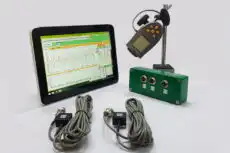
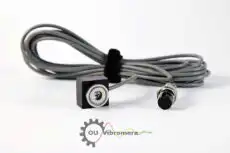
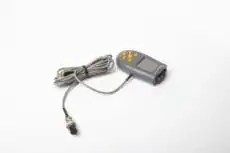
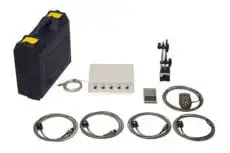
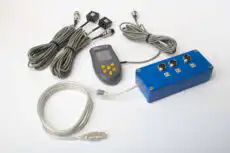
ਬੈਲਟ ਦੀਆਂ ਖ਼ਰਾਬੀਆਂ ਸ਼ਾਇਦ ਹੀ ਇਕੱਲੀਆਂ ਆਉਂਦੀਆਂ ਹਨ — ਘਸੀ ਹੋਈ ਜਾਂ ਗਲਤ-ਟੈਂਸ਼ਨ ਵਾਲੀ ਡਰਾਈਵ ਅਕਸਰ ਇੱਕ ਅਜਿਹੀ ਮਸ਼ੀਨ 'ਤੇ ਹੁੰਦੀ ਹੈ ਜਿਸ ਵਿੱਚ ਇਹ ਵੀ ਹੋਵੇ ਮਿਸਅਲਾਈਨਮੈਂਟ ਜਾਂ ਬਾਕੀ ਬਚਿਆ ਅਸੰਤੁਲਨ ਪੁਲੀਆਂ 'ਤੇ ਹੀ, ਅਤੇ ਸਪੈਕਟਰਾ ਘੱਟ-ਫ੍ਰੀਕੁਐਂਸੀ ਖੇਤਰ ਵਿੱਚ ਓਵਰਲੈਪ ਹੁੰਦੇ ਹਨ। ਇੱਕ ਪੋਰਟੇਬਲ ਦੋ-ਚੈਨਲ ਵਾਈਬ੍ਰੇਸ਼ਨ ਐਨਾਲਾਈਜ਼ਰ ਜਿਵੇਂ ਕਿ Balanset-1A ਇਨ੍ਹਾਂ ਕਾਰਨਾਂ ਨੂੰ ਵੱਖ ਕਰਨ ਵਿੱਚ ਮਦਦ ਕਰਦਾ ਹੈ: ਇਹ ਬੈਲਟ-ਪਾਸ ਇੰਪੈਕਟਿੰਗ ਅਤੇ ਬੀਟ ਫ੍ਰੀਕੁਐਂਸੀਆਂ ਨੂੰ ਫਲੈਗ ਕਰਨ ਲਈ ਸਪੈਕਟ੍ਰਮ ਅਤੇ ਟਾਈਮ ਵੇਵਫਾਰਮ ਕੈਪਚਰ ਕਰਦਾ ਹੈ, ਅਤੇ, ਜਦੋਂ ਅਸਲ ਕਾਰਨ ਕੋਈ ਅਸੰਤੁਲਿਤ ਪੁਲੀ ਜਾਂ ਫੈਨ ਹੋਵੇ, ਤਾਂ ਇਹ 1× ਐਂਪਲੀਟਿਊਡ ਅਤੇ ਫੇਜ਼ ਮਾਪਦਾ ਹੈ ਤਾਂ ਜੋ ਰੋਟਰ ਨੂੰ ਉੱਥੇ ਹੀ ਬੈਲੈਂਸ ਕੀਤਾ ਜਾ ਸਕੇ। ਨਵੀਆਂ ਬੈਲਟਾਂ ਲੈਣ ਤੋਂ ਪਹਿਲਾਂ ਬੈਲਟ ਦੀ ਸਮੱਸਿਆ ਨੂੰ ਰੋਟਰ ਦੀ ਸਮੱਸਿਆ ਤੋਂ ਵੱਖ ਕਰਨ ਨਾਲ ਪਾਰਟਸ ਅਤੇ ਡਾਊਨਟਾਈਮ ਦੋਵਾਂ ਦੀ ਬਚਤ ਹੁੰਦੀ ਹੈ।
V-ਬੈਲਟ ਦੀਆਂ ਖ਼ਰਾਬੀਆਂ ਉਦਯੋਗਿਕ ਮਸ਼ੀਨਰੀ ਵਿੱਚ ਆਮ ਹਨ, ਫਿਰ ਵੀ ਇਹ ਸਹੀ ਇੰਸਟਾਲੇਸ਼ਨ, ਨਿਯਮਤ ਨਿਰੀਖਣ ਅਤੇ ਕੰਡੀਸ਼ਨ ਮਾਨੀਟਰਿੰਗ ਰਾਹੀਂ ਆਸਾਨੀ ਨਾਲ ਰੋਕਥਾਮਯੋਗ ਅਤੇ ਪਛਾਣਨਯੋਗ ਹਨ। V-ਬੈਲਟ-ਵਿਸ਼ੇਸ਼ ਖ਼ਰਾਬੀ ਦੇ ਢੰਗਾਂ ਅਤੇ ਰੱਖ-ਰਖਾਅ ਦੀਆਂ ਲੋੜਾਂ ਦਾ ਕਾਰਜਸ਼ੀਲ ਗਿਆਨ ਹੀ ਵਾਈਬ੍ਰੇਸ਼ਨ ਅਤੇ ਸ਼ੋਰ ਨੂੰ ਘੱਟੋ-ਘੱਟ ਰੱਖਦੇ ਹੋਏ ਬੈਲਟ-ਸੰਚਾਲਿਤ ਉਪਕਰਣਾਂ ਦੇ ਭਰੋਸੇਯੋਗ, ਲੰਬੇ ਸਮੇਂ ਦੇ ਸੰਚਾਲਨ ਨੂੰ ਸਮਰੱਥ ਬਣਾਉਂਦਾ ਹੈ।

