Razumijevanje defektnih V-remeni



Kvarovi klinastog remena su specifični problemi i modusi kvarenja koji se javljaju u V-remenim pogonima (također zwani klinski remeni pogoni), gdje remen s trapezoidnim poprečnim presjekom ide u odgovarajućim V-utorima isječenim u kolutima. Ti defekti uključuju habanje bočnih zidova od kontakta koluta, pucanje od zamora savijanja, oštećenje internog uža, kontaminaciju uljem, neusklađene dužine remena u pogonima s više remena, i probleme karakteristične za klinsku akciju koja prenosi snagu u V-remenom sistemu. Jer su V-remeni među najčešćim metodama prenosa snage u industrijskoj mehanici — ventilatori, pumpe, kompresori i transporteri se oslanjaju na njih — razumijevanje njihovih specifičnih modusa kvarenja je centralno za efikasno održavanje i vibracija dijagnostiku. Oni čine jednu važnu podklasu unutar šire porodice nedostaci kaišnog pogona.
1. Definicija: Šta su defekti V-remena?
Definirajuća karakteristika V-remena je klin. Remen ne sjedi na dnu utora; umjesto toga, njegovi uglati bočni zidovi se zabijaju u bokove utora, i rezultirajuća klinska akcija umnožava normalnu silu tako da relativno skromna napetost prenosi veliki moment. Gotovo svaka karakteristična kvarenja V-remena potiče od ove geometrije: bočni zidovi su radne površine, pa se habaju; remen se oštro savija oko koluta, pa se puca; i bilo šta koja promijeni trenje na bočnim zidovima — ulje, glaziranje, habanje — uzrokuje klizanje. Održavanje tog klina čistim, ispravno zategnutim i pravilno poravnatim je suština pouzdanosti V-remena.
2. Česti defekti V-remena
Trošenje bočne stijenke
Klinške površine koje prenose snagu postepeno se habaju:
- Uzrok: normalan rad — bočni zidovi se trljaju o površine boka koluta.
- Izgled: sjajna, glatka bočna strana; remen se postepeno sjedanja niže u utor dok se habá.
- Napredovanje: postepeni proces tijekom mjeseci do godina.
- Efekat: remen se sjedanja dublje u utor, lagano mijenjajući njegov efektivni prečnik koraka i prema tome brzinu pogona.
- Indikator: remen sjedi na ili ispod ruba koluta, gdje bi novi remen stao iznad njega.
Donje pucanje (toplinsko pucanje)
- Izgled: pucanja koja idu okomito na dužinu remena na donojoj (ravnoj) površini.
- Uzrok: ponovljeno savijanje oko malih koluta, povišene temperature i starenje.
- Ozbiljnost: fina pucanja su prihvatljiva; duboka pucanja — veća od trećine debljine remena — zahtijevaju zamjenu.
- Napredovanje: pukotine se produbljuju tijekom vremena i mogu u konačnici izložiti ili prekinuti unutarne žice.
Pukotine na boku
- Izgled: pukotine na nagnutim površinama boka.
- Uzroci: starenje, izlaganje ozonu, zagađenje okoline i nepravilno skladištenje.
- Efekat: smanjuje mogućnost prijenosa snage i može napredovati do prekida remena.
- Prevencija: pravilno skladištenje, zaštita od okoline i pravovremena zamjena.
Oštećenje kord niti
- Slomljene kord niti: unutarnje ojačavajuće žice — članovi koji nose opterećenje — pucaju.
- Uzroci: preplavljenje, udarno opterećenje, oštećenje rotora i starenje. zamor.
- Detekcija: remen se pretjerano rasteže i može pokazati izbočine ili lokalizirane meke dijelove.
- Vibracije: slomljeni dio žice stvara udar svaki put kada prođe preko rotora.
- Radnja: hitna zamjena je obavezna.
Zagađenje uljem ili mastima
- Efekat: raspahovati gumi i smanjiti koeficijent trenja na bokovima.
- Simptomi: klizanje remena, vrisak i brzo trošenje.
- Izgled: sjajan, napuhani, meki remen.
- Korekcija: zamijeniti remen, očistiti rotore i ukloniti izvor zagađenja.
Problemi s usklađenih setova (pogoni s više remena)
- Neusklađene duljine: remeni u setu imaju nešto različite efektivne duljine.
- Efekat: opterećenje se nejednakomjerno dijeli — nekoliko remena nosi većinu opterećenja i brže se troši.
- Simptomi: neki remeni su zategnuti a drugi labavi; nejednako habanje; i vibracije frekvencije udara.
- Prevencija: uvek postavite usklađene komplekte remena — isti proizvođač, serija i kod dužine.
3. Vibracijski Potpisi
Normalan V-Remeni Pogon
- Niska ukupna vibration — obično ispod približno 2 mm/s RMS.
- Energija koncentrirana na 1× brzinama vratila pogonskog i pogonjenog remenja.
- Mala amplituda na frekvenciji prolaska remena.
- Minimalni harmonijski sadržaj.
Defektivni V-Remeni Pogon
Svaki režim otkazivanja ostavlja prepoznatljiv otisak u spektar vibracija:
- Neporavnanje: visoka aksijalna vibracija, sa 1× i 2× komponentama.
- Istrošeni kaiševi: rastuća ukupna vibration i erratično, nestabilno ponašanje.
- Oštećenje kord niti: vrhovi na frekvenciji prolaska remena sa harmonici, i jasan udarac u vremenski oblik signala.
- Problemi zatezanja: niskofrekventna modulacija ispod približno 10 Hz i indukovana klizanjem subsinhroni komponente.
- Neusklađenost više remena: frekvencije udaranja u opsegu 1–5 Hz sa modulacijom amplitude.
Pošto je frekvencija prolaska remena obično podsinhrrona i laka za brkanje sa drugim niskofrekventnim izvorima, vredan je eksplicitan proračun; naš Kalkulator Defektne Frekvencije Remena izvodi frekvenciju prolaska remena i povezane frekvencije iz geometrije remenja i brzine.
4. Inspekcija i mjerenje
Procjena stanja remena
Vizuelni indikatori za zamjenu
- Pukotine dublje od jedne trećine dubine remena.
- Bočni sloj tkanine provire kroz gumu.
- Izlomljeni ili oštećeni bočni dijelovi.
- Glancavi, sjajni površina remena, što ukazuje na termičko oštećenje.
- Komadi koji nedostaju na remenu.
- Remen koji se vozi na ili ispod ruba kolotura — znak prekomjernog istrošenja.
- Očitno rastezanje ili mjerljiva promjena dužine.
Provjera napetosti
- Test otklona: primijenite specificiranu silu u sredini raspona i izmjerite rezultirajući otklon.
- Cilj: obično 1/64 inča otklona po inču raspona pod umjerenim pritiskom prstiju.
- Više remena: svi remeni trebaju pokazati jednaku napetost, tj. jednak otklon.
- Alati: mjerač napetosti remena za precizno mjerenje.
Umjesto da se oslanjate na osjet, postavite napetost na izračunatu vrijednost — Kalkulator napetosti remena pokriva metode otklona, frekvencije i sile, i Kalkulator za izbor V-remena (ISO 5288) pomaže da se potvrdi odgovarajući remen za pogon od samog početka.
Pregled remenica
- Trošenje žlijeba: izmjerite dubinu žljeba i uključeni kut; izlizana, zakrivljena matica dozvoljava remenu da padne u dno i klizi.
- Granice trošenja: zamijenite maticu čim se dubina žljeba poveća za 1/32 inča ili više.
- Stanje površine: provjerite je li ruždu, oštećenja i nakupljanja proizvoda.
- Odstupanje (runout): provjerite maticu na ekscentričnost ili vibracije — pogledajte radijalno bacanje vratila.
5. Najbolje prakse održavanja
Instalacija remena
- Nikada ne uzimajte remene preko obooda matica — to može prekinuti spojeve.
- Smanjite udaljenost između središtá kako bi se remeni klizili bez sile.
- Koristite usklađene setove na pogonima s više remena.
- Provjerite poravnanje prije napinjanja.
- Napinjite prema specifikaciji, nikada na osjećaj.
Smjernice za napinjanje
- Slijedite specifikaciju proizvođača, metodom sile ili otklona.
- Novi remeni: postavite početno napinjenje, zatim ponovno napinjite nakon 24–48 sati rada kada se početno rastezanje stabilizira.
- Višestruki remeni: provjerite da je svaki remen jednako napinjen.
- Izvedite periodičke provjere — tromjesečno ili prema radnim satima.
Poravnanje
- Koristite ravnalo preko lica kaišnika za brzu provjeru.
- Koristite lasersko poravnanje alati za preciznost.
- Lica kaišnika moraju biti paralelna.
- Srednje linije kaiša moraju biti poravnane.
- Kutna greška manja od oko 0,5° je obično prihvatljiva.
Intervali zamjene
- Tipičan vijek trajanja V-kaiša je 12.000–24.000 radnih sati, ili otprilike 1,5–3 godine neprekidnog rada.
- Zamijenite kada su prisutni pokazatelji habanja.
- Ne čekajte potpuni kvar — planirajte zamjene unaprijed.
- Čuvajte rezervne komplemirane setove u skladištu.
6. Dijagnostika kaišnih pogona na terenu
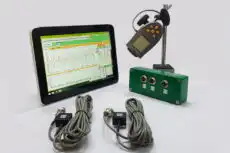
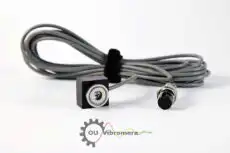
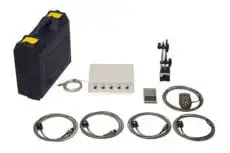
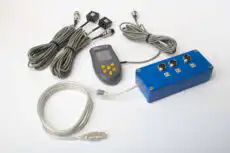
Greške kaiševa rijetko dolaze same — habljeni ili loše napregnut pogon često se nalazi na stroju koji također ima neporavnanje ili preostal neuravnoteženost na samim kaišnicima, i spektri se preklapaju u niskofrekventnom području. Prijenosni dvokanalani analizator vibracija kao što je Balanset-1A pomaže da se odvoje ove uzroke: snima spektar i vremenski oblik vala kako bi označio sljedeće probleme sa kaišima i frekvencije otkucaja, i, kada je pravi uzrok neuravnoteživanje kaišnika ili ventilatora, mjeri amplitudu i fazu 1× kako bi se rotor mogao rebalansirati na mjestu. Razlikovanje problema sa kaišem od problema sa rotorom prije nego što posegnete za novim kaišima štedi i dijelove i vrijeme zastoja.
Defekti V-kaiševa su česti u industrijskoj opremi, ali se lako mogu spriječiti i otkriti pravilnom instalacijom, redovnom inspeksijom i nadzorom stanja. Praktično znanje o greškama specifičnim za V-kaiševe i zahtjevima održavanja omogućuje pouzdanu, dugotrajnu rada kaišnih pogona uz minimum vibracija i buke.

