రొటేటింగ్ మెషినరీలో షాఫ్ట్ బో అర్థం చేసుకోవడం
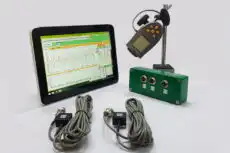
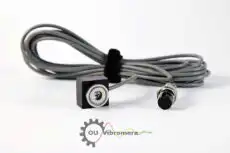
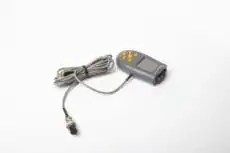
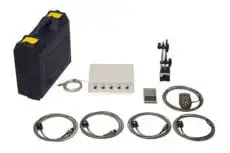
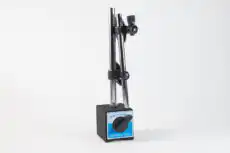

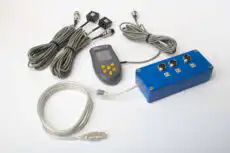
షాఫ్ట్ వంపు (షాఫ్ట్ బెండింగ్, రోటర్ బో లేదా సాధారణంగా “బో” అని కూడా పిలుస్తారు) ఇది ఒక పరిస్థితి, దీనిలో ఒక రోటర్ షాఫ్ట్ శాశ్వత లేదా అర్ధ-శాశ్వత వక్రతను పొందింది, దాని జ్యామితీయ కేంద్రరేఖ బేరింగ్ జర్నల్ల మధ్య నేరుగా ఉండకుండా విక్షేపించబడింది. తాత్కాలికంగా కాకుండా రన్-అవుట్ వదులుగా ఉన్న భాగం లేదా వికేంద్రీయ మౌంటింగ్ వల్ల కలిగిన నష్టం కాకుండా, షాఫ్ట్ వంపు అనేది షాఫ్ట్ పదార్థం యొక్క వాస్తవ వైకల్యాన్ని సూచిస్తుంది. ఇది ఉత్పత్తి చేస్తుంది వైబ్రేషన్ పైపైన పోలికలు కనిపించే లక్షణాలు అసమతుల్యత — బలమైన, సమకాలిక, ప్రతి రొటేషన్కు ఒకసారి వచ్చే కంపనం — అయినప్పటికీ దాన్ని సంప్రదాయ పద్ధతులతో సరిదిద్దలేరు బ్యాలెన్సింగ్. ఆ వ్యత్యాసాన్ని ముందుగా గుర్తించడం అనేది, ఎప్పటికీ స్పందించని షాఫ్ట్పై రోజుల తరబడి నిరర్థకమైన బ్యాలెన్సింగ్ నుండి శీఘ్ర మరమ్మతును వేరు చేస్తుంది.
1. నిర్వచనం: షాఫ్ట్ వంపు నిజంగా ఏమిటి
పూర్తిగా ఆరోగ్యకరమైన రోటర్కు ద్రవ్యరాశి అక్షం మరియు జ్యామితీయ అక్షం రెండూ నేరుగా మరియు దాదాపు ఒకే చోట ఉంటాయి. షాఫ్ట్ వంపు ఆ చిత్రాన్ని విచ్ఛిన్నం చేస్తుంది — జ్యామితీయ అక్షాన్ని ఒక వంపుగా మార్చడం ద్వారా. వంపు చిన్నగా ఉండవచ్చు — కొన్ని వందల మిల్లీమీటర్లు అధిక వేగం యంత్రంపై ముఖ్యమైనవి — కానీ వంకర కేంద్రరేఖ ఇకపై బేరింగ్ కేంద్రాల గుండా వెళ్ళనందున, రోటర్ సహజంగా తిరగాలనుకునే రేఖ చుట్టూ కాకుండా మరొక రేఖ చుట్టూ తిరగవలసి వస్తుంది.
వంపును దాని సన్నిహిత సంబంధులనుండి వేరు చేయడం విలువైనది. ఒక వంగిన షాఫ్ట్ అనేది యాంత్రిక వైపు నుండి వివరించబడిన అదే లోపం, అయితే ఎక్స్సెంట్రిసిటీ షాఫ్ట్ వంకరగా లేకుండా ద్రవ్యరాశి కేంద్రం విస్థాపితమైన రోటర్ను వివరిస్తుంది. నిజమైన రన్-అవుట్ యాంత్రికంగా (నిజమైన జ్యామితీయ విచలనం) లేదా విద్యుత్తుగా (ఒక ప్రాక్సిమిటీ ప్రోబ్ పదార్థ లేదా అయస్కాంత వైవిధ్యాన్ని చూసే దొంగ రీడింగ్) ఉండవచ్చు. షాఫ్ట్ వంపు అనేది షాఫ్ట్ శరీరం యొక్క జ్యామితీయ వైకల్యం, అందుకే వేరే చోట జోడించిన ద్రవ్యరాశి ఎంత అయినా నిజంగా “దాన్ని బ్యాలెన్స్ చేయలేదు.”
2. షాఫ్ట్ వంపు రకాలు
షాఫ్ట్ వంపును దాని కారణం మరియు అది ఎంత కాలం కొనసాగుతుందో దాని ఆధారంగా వర్గీకరించడం ఉత్తమం, ఎందుకంటే ప్రతి రకానికి వేర్వేరు ప్రతిస్పందన అవసరం.
2.1 శాశ్వత యాంత్రిక వంపు
ఇది షాఫ్ట్ పదార్థం యొక్క ప్లాస్టిక్ (శాశ్వత) వైకల్యం — లోహం దిగువకు వెళ్ళింది మరియు వెనక్కి రాదు. సాధారణ మూలాలు:
- మెకానికల్ ఓవర్లోడ్ లేదా ప్రభావం
- నిర్వహణ సమయంలో సరికాని ఎత్తడం లేదా నిర్వహణ
- రోటర్ పడిపోవడం
- ఆపరేషన్ సమయంలో అధిక వంపు ఒత్తిడి
- తయారీ లోపాలు లేదా సరికాని హీట్ ట్రీట్మెంట్
షాఫ్ట్ దిగువకు వెళ్ళిన తర్వాత, షాఫ్ట్ విశ్రాంతిలో ఉన్నప్పుడు మరియు ప్రతి బాహ్య భారం తొలగించబడినప్పుడు కూడా వంపు మిగిలి ఉంటుంది. ఇది శాశ్వత వంపును ఉష్ణ రకం నుండి వేరు చేసే లక్షణం: ఇది చల్లగా ఉన్నప్పుడు ఉంటుంది, మరియు బెంచ్పై కూడా ఉంటుంది.
2.2 థర్మల్ వంపు (తాత్కాలిక)
ఇలా కూడా పిలుస్తారు థర్మల్ బో లేదా హాట్ బో, ఇది షాఫ్ట్ చుట్టుకొలత చుట్టూ అసమాన తాపన వల్ల కలిగే తాత్కాలిక స్థితి. వేడి వైపు చల్లని వైపు కంటే ఎక్కువగా విస్తరిస్తుంది, వేడి వైపు కుంభాకార (బాహ్య) ముఖంపై ఉండేలా షాఫ్ట్ను వంపులోకి నెట్టింది. సాధారణ కారణాలు:
- అసమమితీయ ఉష్ణ వనరులు (ఒక వైపు వేడి ప్రక్రియ ద్రవం, మరొక వైపు చల్లని గాలి)
- బేరింగ్ ఘర్షణ షాఫ్ట్ యొక్క ఒక వైపును వేడి చేయడం
- స్థానిక వేడిని ఉత్పత్తి చేసే రోటర్ రబ్బింగ్
- బాహ్య పరికరాలపై సూర్యకాంతి తాపన
- పెద్ద టర్బైన్లకు సరికాని వార్మ్-అప్ విధానాలు
ఉష్ణ వంపు సాధారణంగా షాఫ్ట్ సమానంగా చల్లబడిన తర్వాత లేదా ఉష్ణ సమతుల్యత చేరుకున్న తర్వాత అదృశ్యమవుతుంది. సంపూర్ణ విధానం, నివారణ మరియు టర్నింగ్-గేర్ అభ్యాసం థర్మల్ బో. ఇక్కడ ముఖ్యమైన జాగ్రత్త ఏమిటంటే, పదే పదే ఉష్ణ-వంపు చక్రాలు చివరికి షాఫ్ట్ను దాని దిగువ బిందువు దాటి నెట్టవచ్చు మరియు శాశ్వత సెట్ను వదిలివేయవచ్చు — కాబట్టి చాలా కాలంగా విస్మరించిన “తాత్కాలిక” సమస్య శాశ్వత సమస్యగా మారుతుంది.
2.3 అవశేష ఒత్తిడి వంపు
వెల్డింగ్, హీట్ ట్రీట్మెంట్ లేదా మెషినింగ్ వల్ల మిగిలిపోయిన అంతర్గత అవశేష ఒత్తిళ్ళు కాలక్రమేణా షాఫ్ట్ను నెమ్మదిగా వంగేలా చేయగలవు, ముఖ్యంగా సేవా ఉష్ణోగ్రతలు లేదా నిర్వహణ భారాలు ఆ లాక్-ఇన్ అయిన ఒత్తిళ్ళు సడలించుకోవడానికి అనుమతించినప్పుడు. ఈ విధమైన వంపు కమీషనింగ్ తర్వాత నెలలు లేదా సంవత్సరాల తర్వాత కనిపించవచ్చు, అందుకే క్రిటికల్ రోటర్లపై క్రమానుగత నిఖరత తనిఖీలు విలువైనవిగా ఉంటాయి.
3. షాఫ్ట్ వంపుకు కారణాలు
మూల కారణాన్ని అర్థం చేసుకోవడం పునరావృతాన్ని నిరోధిస్తుంది మరియు సరైన దిద్దుబాటు వైపు నడిపిస్తుంది. కారకాలు మూడు వర్గాలుగా విభజించబడతాయి.
3.1 మెకానికల్ కారణాలు
- అతిభారం: డిజైన్ పరిమితులు మించిన లోడ్లలో పని చేయడం.
- సరికాని నిల్వ: సరైన ఆధారం లేకుండా షాఫ్ట్లను అడ్డంగా నిల్వ చేయడం, కాలక్రమేణా క్రీప్ వల్ల వాలిపోవడానికి అనుమతించడం — ముఖ్యంగా రెండు చివరి ఆధారాలపై నెలల తరబడి వదిలిపెట్టిన పొడవైన, సన్నని రోటర్లపై.
- తప్పుడు హ్యాండ్లింగ్: నిర్దేశిత లిఫ్టింగ్ పాయింట్లకు బదులుగా షాఫ్ట్ ద్వారా ఎత్తడం.
- ప్రమాదం లేదా అభిఘాతం: పడిపోవడం, ఢీకొనడం లేదా విదేశీ వస్తువు వల్ల నష్టం.
- బేరింగ్ జామ్ కావడం: నిలిచిపోయిన బేరింగ్ డ్రైవింగ్ టార్క్ కింద షాఫ్ట్ను వంచవచ్చు.
3.2 థర్మల్ కారణాలు
- అసమాన వేడి: షాఫ్ట్ పరిధి చుట్టూ అసమాన ఉష్ణోగ్రత పంపిణీ.
- వేగమైన ఉష్ణోగ్రత మార్పులు: స్టార్టప్ లేదా షట్డౌన్ సమయంలో థర్మల్ షాక్.
- హాట్ స్పాట్లు: ఘర్షణ, రబ్లు లేదా ప్రక్రియ పరిస్థితుల వల్ల స్థానికీకృత వేడి.
- తగినంత వేడి చేయకపోవడం: చల్లని టర్బైన్లను లేదా పెద్ద యంత్రాలను చాలా వేగంగా ప్రారంభించడం.
- షట్డౌన్ విధానాలు: వేడి షాఫ్ట్ చల్లబడే ముందే తిరగడం ఆపివేయడానికి అనుమతించడం (థర్మల్ సాగ్).
3.3 మెటీరియల్ మరియు తయారీ కారణాలు
- తక్కువ నాణ్యత గల మెటీరియల్: చేరికలు, రంధ్రాలు లేదా పదార్థ అసమానతలు.
- సరికాని తాప చికిత్స: క్వెంచింగ్ లేదా టెంపరింగ్ వల్ల కలిగిన అవశేష ఒత్తిళ్ళు.
- వెల్డింగ్ వైకల్యం: అసమాన వెల్డింగ్ వల్ల అవశేష ఒత్తిళ్ళు ఏర్పడతాయి.
- యంత్రపని ఒత్తిళ్ళు: తయారీ సమయంలో ప్రేరేపించబడిన ఒత్తిళ్ళు సేవలో సడలించుకుంటాయి.
4. షాఫ్ట్ వంపు ఎలా వైబ్రేషన్కు కారణమవుతుంది
వంగిన షాఫ్ట్ రెండు విభిన్నమైన కానీ పరస్పర సహకరించే విధానాల ద్వారా కంపనాన్ని ఉత్పన్నం చేస్తుంది.
4.1 జ్యామితీయ అన్బ్యాలెన్స్
వంగిన షాఫ్ట్ తిరిగినప్పుడు, దాని వంపు కేంద్రరేఖ ఒక శంకువు లేదా ఇతర వృత్తాకారేతర మార్గాన్ని గుర్తిస్తుంది. రోటర్ యొక్క ద్రవ్యరాశి పంపిణీ సంపూర్ణంగా సమానంగా ఉన్నప్పటికీ, వంపు జ్యామితి ఒక అపకేంద్ర తిరిగే ద్రవ్యరాశిలా ప్రవర్తిస్తుంది: ఇది గురుత్వాకర్షణ కేంద్రాన్ని స్పిన్ అక్షం నుండి దూరం చేసి ఒక కేంద్రాపసారక బలం వేగం యొక్క వర్గంతో పెరిగే, బలమైన 1× వైబ్రేషన్ను ఉత్పత్తి చేస్తుంది ఆపరేటింగ్ వేగం. ఇదే కారణంగా వంపు స్పెక్ట్రమ్లో అన్బ్యాలెన్స్గా మారువేషం వేసుకుంటుంది.
4.2 బేరింగ్లపై మోమెంట్ లోడింగ్
వక్రత బేరింగ్లలో నేరుగా అందించబడే స్థిర మరియు తిరిగే వంపు మోమెంట్ను కూడా విధిస్తుంది, ఇది హెచ్చుతగ్గుల బేరింగ్ లోడ్లు మరియు సీట్ వైబ్రేషన్కు కారణమవుతుంది. పెద్ద రోటర్లపై ఈ మోమెంట్ లోడింగ్ వేగవంతమైన బేరింగ్ మరింగును మరియు తీవ్రమైన సందర్భాల్లో రోటర్ మరియు స్థిర సీల్ల మధ్య సంప్రదింపును నడిపిస్తుంది. వంపు ఒక క్రిటికల్ స్పీడ్ దగ్గర ఉన్న భారంగా వంగిన రోటర్ రన్-అప్పై విస్తరించిన, కొన్నిసార్లు ఆందోళనకరమైన ప్రతిస్పందనను ఉత్పత్తి చేయగలదు.
5. షాఫ్ట్ వంపును గుర్తించడం
వంపు మరియు నిజమైన ద్రవ్యరాశి అన్బ్యాలెన్స్ ఒకే 1× సిగ్నేచర్ను పంచుకోవడం వల్ల, వాటిని వేరు చేయడం నిర్ధారణలో కీలకమైన విషయం. అత్యంత శక్తివంతమైన వివక్షక అంశం చాలా తక్కువ వేగంలో మరియు ఉష్ణోగ్రత మార్పు సమయంలో ప్రవర్తన.
5.1 లక్షణాల పోలిక: వంపు vs అసంతులనం
| లక్షణం | అసమతుల్యత | షాఫ్ట్ బో |
|---|---|---|
| కంపన పౌనఃపున్యం | 1× తిరుగు వేగం | 1× తిరుగు వేగం |
| దశ సంబంధం (Phase Relationship) | స్థిరంగా, అన్ని సమయాల్లో ఒకేవిధంగా | వేడి చేయడం సమయంలో మారవచ్చు |
| నెమ్మదిగా తిరిగే కంపనం | ఉంది (వేగం² కు అనుపాతంలో) | ఉంది మరియు చాలా తక్కువ వేగంలో కూడా తరచుగా గణనీయంగా ఉంటుంది |
| బ్యాలెన్సింగ్కు స్పందన | సరైన బ్యాలెన్సింగ్ వల్ల వైబ్రేషన్ తగ్గింది | కనీస లేదా మెరుగుదల లేదు; మరింత దిగజారవచ్చు |
| ఉష్ణ సంవేదనశీలత | ఉష్ణోగ్రతతో పోల్చినప్పుడు సాపేక్షంగా స్థిరంగా ఉంటుంది | వేడెక్కడం/చల్లారడం సమయంలో గణనీయంగా మారుతుంది |
| రన్-అవుట్ కొలత | రోటర్ విశ్రాంతిలో ఉన్నప్పుడు తక్కువ | విశ్రాంతిలో కూడా అధిక రన్-అవుట్ (శాశ్వత వంపు) |
అత్యంత గుర్తించదగిన వరుస స్లో-రోల్ లైన్. వేగం తగ్గినప్పుడు అన్బ్యాలెన్స్ బలం శూన్యం వైపు కుప్పకూలుతుంది ఎందుకంటే ఇది భ్రమణ వేగం యొక్క వర్గంతో స్కేల్ అవుతుంది; స్థిర జ్యామితీయ ఆఫ్సెట్ అయిన శాశ్వత వంపు, నెమ్మదిగా కదలిక సమయంలో కూడా గణనీయమైన రన్అవుట్ మరియు 1× చలనాన్ని చూపిస్తుంది. అదే నిర్ణాయక పరీక్ష.
5.2 రోగనిర్ధారణ పరీక్షలు
5.2.1 నెమ్మదిగా తిరిగే వేగంలో కొలత
షాఫ్ట్ను చాలా నెమ్మదిగా తిప్పండి — సాధారణంగా నిర్వహణ వేగంలో 5–10% — మరియు కొలవండి రన్-అవుట్ ఒకదానితో ప్రాక్సిమిటీ ప్రోబ్ లేదా డయల్ ఇండికేటర్. స్లో రోల్లో అధిక run-out అనేది అసమతుల్యత వల్ల కాకుండా షాఫ్ట్ వంగడం లేదా మెకానికల్ run-out వల్ల సూచించబడుతుంది — అంత తక్కువ వేగంలో కేంద్రాపసరణ బలం నిర్లక్ష్యం చేయదగినది. స్లో-రోల్ వెక్టర్ను కూడా నమోదు చేస్తారు, తద్వారా దాన్ని రన్నింగ్ వైబ్రేషన్ డేటా నుండి వ్యవకలనం చేయవచ్చు, అక్షాంశ వంపు భాగం నుండి నిజమైన డైనమిక్ స్పందనను వేరుచేయవచ్చు.
5.2.2 షట్-డౌన్ దశ మార్పు
కంపనాన్ని పర్యవేక్షించండి దశ కోణం యంత్రం ఆగిపోతున్నప్పుడు. నిజమైన అసమతుల్యత స్థిరమైన దశ వేగంతో నిర్లక్ష్యంగా (అనురణన దగ్గర కాకుండా). ఉష్ణీయంగా వంగిన షాఫ్ట్ రోటర్ చల్లారినప్పుడు కదిలే దశను చూపించే ధోరణి ఉంటుంది, మరియు వ్యాప్తి మరియు దశను కలిపి ఒక బోడ్ ప్లాట్ లేదా పోలార్ ప్లాట్ వ్యత్యాసాన్ని రా సంఖ్యల కంటే చాలా సులభంగా చదవడానికి వీలు కల్పిస్తుంది.
5.2.3 ఉష్ణ వంపు పరీక్ష
అనుమానించిన ఉష్ణీయ వంపు కోసం, స్టార్టప్ మరియు వార్మ్-అప్ సమయంలో వైబ్రేషన్ను పర్యవేక్షించండి. ఉష్ణీయ వంపు సాధారణంగా వైబ్రేషన్ను చూపిస్తుంది పెరుగుతున్న యంత్రం వేడెక్కుతున్నప్పుడు, ఆపై ఉష్ణ సమతుల్యత చేరుకున్న తర్వాత స్థిరపడటం లేదా తగ్గడం — వేగంతో మాత్రమే పెరిగే లోపానికి అద్దం ప్రతిబింబం.
5.2.4 యంత్రం బయట Run-Out తనిఖీ
రోటర్ను తీసివేయండి, V-బ్లాకులపై లేదా లేత్ సెంటర్ల మధ్య మద్దతు ఇవ్వండి, మరియు డయల్ ఇండికేటర్తో రేడియల్ run-out కొలుస్తూ నెమ్మదిగా తిప్పండి. గణనీయమైన run-out — సాధారణంగా 0.001 in (25 µm) కంటే ఎక్కువ — శాశ్వత వంపును నిర్ధారిస్తుంది. యంత్రంపై నేరుగా కొలిచినప్పుడు నేరుగా కనిపించే కానీ V-బ్లాకులపై వంగిన షాఫ్ట్, రెండింటిలోనూ వంగిన షాఫ్ట్ కంటే చాలా భిన్నమైన కథ చెప్పడంతో ఈ బెంచ్ తనిఖీ నిర్ణయాత్మక రుజువు.
5.2.5 దృశ్య పరిశీలన
పెద్ద షాఫ్టులపై, షాఫ్ట్ పొడవు వెంట చూడటం లేదా లేజర్ అమరిక వంటి ఆప్టికల్ పద్ధతులు ఉపయోగించే పరికరాలు కంటికి మాత్రమే కనిపించకపోయే స్పష్టమైన వంపును వెల్లడించగలవు.
6. సరిదిద్దు పద్ధతులు
సరైన దిద్దుబాటు వంపు యొక్క తీవ్రత మరియు రకంపై ఆధారపడి ఉంటుంది. ప్రతి సందర్భానికి సరిపోయే ఒకే పరిష్కారం లేదు.
6.1 శాశ్వత మెకానికల్ వంపు కోసం
6.1.1 షాఫ్ట్ సరళీకరణ
తేలికపాటి నుండి మధ్యస్థ వంపు కోసం — సాధారణంగా 0.005 in (125 µm) కంటే తక్కువ — షాఫ్ట్ను కొన్నిసార్లు హైడ్రాలిక్ ప్రెస్లతో చల్లగా లేదా వేడిగా నేరుగా చేయవచ్చు. షాఫ్ట్ను మద్దతు ఇచ్చి జాగ్రత్తగా అధికంగా వంచుతారు, తద్వారా అది ప్లాస్టిక్ రూపాంతరంతో నేరుగా మారుతుంది — ఈ ప్రక్రియకు ప్రత్యేక పరికరాలు, నిపుణులైన టెక్నీషియన్లు మరియు ఓపిక అవసరం, ఎందుకంటే అధికంగా సరి చేయడం వల్ల వ్యతిరేక దిశలో వంపు ఏర్పడుతుంది.
6.1.2 థర్మల్ స్ట్రెస్ రిలీఫ్
తయారీ లేదా వెల్డింగ్ ఒత్తిడి నుండి లాక్ అయిన అవశేష ఒత్తిళ్ళను తగ్గించడానికి లేదా తొలగించడానికి షాఫ్ట్ను హీట్-ట్రీట్ చేయడం వంపును తగ్గించవచ్చు లేదా తొలగించవచ్చు. ఇందుకు తాజా వక్రీకరణను నివారించడానికి సరైన ఫర్నేస్ పరికరాలు మరియు కఠినమైన ప్రక్రియ నియంత్రణ అవసరం.
6.1.3 షాఫ్ట్ భర్తీ
తీవ్రమైన వంపు కోసం, లేదా క్లిష్టమైన సేవలో, భర్తీ చేయడం చాలాసార్లు అత్యంత విశ్వసనీయ సమాధానం. కొత్త షాఫ్ట్ ఖర్చును డౌన్టైమ్ మరియు నేరుగా చేసే ప్రయత్నం విఫలమయ్యే లేదా కాలక్రమేణా సడలిపోయే నిజమైన ప్రమాదంతో తూకం వేయాలి.
6.1.4 “వంపు చుట్టూ బ్యాలెన్సింగ్”
కొన్ని సందర్భాల్లో — ముఖ్యంగా పెద్ద టర్బైన్లలో — కరెక్షన్ వెయిట్లు లెక్కించి అమర్చవచ్చు ప్రభావం వంపు యొక్క నడపడానికి వ్యతిరేకంగా వ్యవహరించేలా. ఇది షాఫ్ట్ను నేరుగా చేయదు; ఇది వంపు ఉత్పత్తి చేసే 1× బలాన్ని మాత్రమే రద్దు చేస్తుంది. ఇది పరిమితమైన, సాధారణంగా తాత్కాలిక చర్య, మరియు ఇది ఒక రోటర్ను వదిలిపెడుతుంది దీని అవశేష అసమతుల్యత ఒక నిర్దిష్ట వేగం మరియు ఉష్ణోగ్రత వద్ద మాత్రమే ఆమోదయోగ్యంగా కనిపిస్తుంది.
6.2 ఉష్ణీయ వంపు కోసం
6.2.1 పనిచేసే విధానంలో మార్పులు
- నెమ్మదిగా, దశలవారీగా వేడెక్కించే విధానాలను అమలు చేయండి.
- ఉష్ణ వంగడాన్ని నివారించడానికి షట్డౌన్ సమయంలో నిరంతర టర్నింగ్-గేర్ ఆపరేషన్ను నిర్వహించండి.
- ఆవిరి ప్రవేశాన్ని లేదా ప్రాసెస్ ద్రవ ఉష్ణోగ్రతలను మరింత జాగ్రత్తగా నియంత్రించండి.
- సమతుల్య వేడెక్కడం మరియు చల్లారడం నిర్ధారించండి.
6.2.2 డిజైన్ సవరణలు
- ఉష్ణ వాలాన్ని తగ్గించడానికి ఇన్సులేషన్ జోడించండి.
- సమాన వేడి అవుతుందని నిర్ధారించుకోవడానికి హీటింగ్ జాకెట్లు అమర్చండి.
- ఉష్ణోగ్రత పంపిణీని సమానంగా చేయడానికి శీతలీకరణ వ్యవస్థను మెరుగుపరచండి.
6.2.3 టర్నింగ్ గియర్ ఆపరేషన్
పెద్ద టర్బైన్లకు, వేడెక్కడం మరియు చల్లబడే సమయంలో టర్నింగ్ గియర్ (నెమ్మదిగా తిరిగే రొటేషనల్ డ్రైవ్) నడపడం వల్ల షాఫ్ట్ తిరుగుతూ ఉంటుంది, ఇది చుట్టుకొలత అంతటా ఉష్ణాన్ని సమానంగా పంపిణీ చేస్తుంది, లేకపోతే రోటర్ను వంచే వాలాన్ని నిరోధిస్తుంది.
7. ఫీల్డ్లో రోటర్ను ధృవీకరించడం
షాఫ్ట్ను నిటారుగా చేసిన తర్వాత, భర్తీ చేసిన తర్వాత లేదా నడపడానికి తగినంత నిటారుగా ఉందని నిర్ణయించిన తర్వాత కూడా, రోటర్ను దాని స్వంత బేరింగ్లలో డైనమిక్గా తనిఖీ చేయాలి — బెంచ్ రన్-అవుట్ మాత్రమే అది వేగంగా నిర్వహించబడుతుందని నిరూపించదు. వంటి పోర్టబుల్ రెండు-ఛానెల్ అనలైజర్ Balanset-1A ఇది క్షేత్రంలో ఆచరణాత్మకంగా చేస్తుంది: ఇది స్లో-రోల్ వెక్టర్ను క్యాప్చర్ చేస్తుంది, తర్వాత వేగం పరిధి అంతటా 1× వ్యాప్తి మరియు దశ కొలుస్తుంది, తద్వారా ఒక ఇంజనీర్ మిగిలిన వంపు భాగాన్ని నిజమైన మాస్ అన్బ్యాలెన్స్ నుండి వేరు చేయగలరు. స్లో-రోల్ రన్-అవుట్ షాఫ్ట్ ఆమోదయోగ్యమైన రీతిలో నిటారుగా ఉందని ధృవీకరించిన తర్వాత మాత్రమే ట్రిమ్కు కొనసాగడం అర్థమవుతుంది బ్యాలెన్స్ — ఆ సమయంలో అదే పరికరం ఇన్ఫ్లుయెన్స్ కోఎఫిషియెంట్లు లెక్కిస్తుంది మరియు తుది ఫలితాన్ని ఒక ISO 21940-11 బ్యాలెన్స్ గ్రేడ్కు వ్యతిరేకంగా ధృవీకరిస్తుంది. ఆ అనుమతించదగిన రెసిడ్యువల్ విలువను మీరు అవశేష అసమతుల్యత కాలిక్యులేటర్ (ISO 21940-11) మీరు ప్రారంభించే ముందు.
8. నివారణ వ్యూహాలు
షాఫ్ట్ వంపును నిరోధించడం దాన్ని సరిదిద్దడం కంటే చాలా చౌకగా మరియు వేగంగా ఉంటుంది.
8.1 డిజైన్ మరియు తయారీ
- రెసిడ్యువల్ ఒత్తిళ్లను తగ్గించడానికి సరైన హీట్-ట్రీట్మెంట్ విధానాలను ఉపయోగించండి.
- అప్లికేషన్కు తగిన షాఫ్ట్ దృఢత్వాన్ని రూపొందించండి.
- ఉష్ణ పర్యావరణానికి అనుకూలమైన మెటీరియల్లను నిర్దేశించండి.
8.2 ఇన్స్టాలేషన్ మరియు మెయింటెనెన్స్
- రోటర్లను ఎల్లప్పుడూ నిర్దేశిత లిఫ్టింగ్ పాయింట్ల ద్వారా ఎత్తండి, షాఫ్ట్ ద్వారా ఎప్పుడూ వద్దు.
- వంగిపోకుండా నిరోధించడానికి సరైన సపోర్ట్తో స్పేర్ రోటర్లను నిల్వ చేయండి — ఆదర్శంగా క్రమానుగతంగా తిప్పడం లేదా జర్నల్ల దగ్గర సపోర్ట్ చేయడం.
- తీసుకెళ్ళేటప్పుడు యాంత్రిక షాక్ను నివారించండి.
- షాఫ్ట్ నేరుదనాన్ని క్రమానుగతంగా తనిఖీ చేయండి (వార్షికంగా లేదా తయారీదారు యొక్క షెడ్యూల్ ప్రకారం).
8.3 ఆపరేషన్
- తయారీదారు యొక్క వేడెక్కించే మరియు మూసివేసే విధానాలను అనుసరించండి.
- వేగంగా జరిగే ఉష్ణోగ్రత మార్పులను నివారించండి.
- స్టార్టప్ల సమయంలో థర్మల్ బో సంకేతాలను పర్యవేక్షించండి.
- వైబ్రేషన్ ఫేజ్లో ఏదైనా వివరించలేని మార్పును తక్షణమే పరిశోధించండి.
9. బ్యాలెన్సింగ్ విధానాలపై ప్రభావం
వంగిన షాఫ్ట్ను బ్యాలెన్స్ చేయడానికి ప్రయత్నించడం సాధారణంగా నిరర్థకం మరియు ప్రతికూలంగా మారవచ్చు:
- అసమర్థమైన దిద్దుబాట్లు: మాస్ అన్బ్యాలెన్స్ కోసం లెక్కించిన వెయిట్లు జ్యామితీయ వంపును సరిదిద్దలేవు.
- సమస్యను దాచడం: వంగిన షాఫ్ట్ను పాక్షికంగా “విజయవంతంగా” బ్యాలెన్స్ చేయడం వైబ్రేషన్ను తాత్కాలికంగా తగ్గించవచ్చు, అయితే నిజమైన లోపం — మరియు దాని బేరింగ్ లోడింగ్ — తాకకుండా ఉంటుంది.
- వృధా అయిన సమయం: కన్వర్జ్ కావడానికి నిరాకరించే పదే పదే బ్యాలెన్సింగ్ రన్లు స్వయంగా వంపుకు రెడ్ ఫ్లాగ్.
- సంభావ్య నష్టం: వంగిన షాఫ్ట్పై పెద్ద కరెక్షన్ వెయిట్లు వేయడం వల్ల ఒత్తిళ్లు పెరుగుతాయి మరియు మరింత నష్టాన్ని లేదా ఫెటిగ్ క్రాకింగ్ను కూడా కలిగించవచ్చు.
ఉత్తమ పద్ధతి: బ్యాలెన్సింగ్ ప్రారంభించే ముందు ఎల్లప్పుడూ షాఫ్ట్ వంపును తనిఖీ చేయండి, ముఖ్యంగా రోటర్కు రఫ్ హ్యాండ్లింగ్, థర్మల్ ఘటనలు లేదా ఎవరూ వివరించలేని వైబ్రేషన్ చరిత్ర ఉంటే. రెండు నిమిషాల స్లో-రోల్ తనిఖీ వృథా అపరాహ్న మరియు దెబ్బతిన్న షాఫ్ట్ను ఆదా చేయగలదు.

