ทำความเข้าใจ BPFI — Ball Pass Frequency, Inner Race
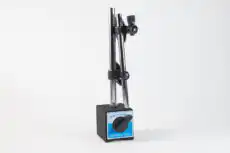

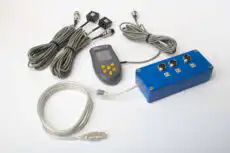
BPFI (Ball Pass Frequency, Inner Race) เป็นหนึ่งในสี่ความถี่ความเสียหายของตลับลูกปืนพื้นฐาน ความถี่ความผิดพลาดของตลับลูกปืน และแสดงถึงอัตราที่องค์ประกอบลูกกลิ้งผ่านเข้าไปบนข้อบกพร่องบนด้านในของลูกปืนที่หมุนได้ เมื่อมีเศษหรือรอยแตกเกิดขึ้นบนท้องลิ้นลิ่นเรียบด้านในใน องค์ประกอบลูกกลิ้งแต่ละตัวจะกระทบข้อบกพร่องนั้นขณะที่วงแหวนบรรทุกผ่านไป ซึ่งสร้างผลกระทบเป็นระยะๆ ที่ปรากฏในthe การสั่นสะเทือน สัญญาณที่ความถี่ BPFI สิ่งที่ทำให้ BPFI แตกต่างจากความถี่ลักษณะเฉพาะอื่น ๆ คือแถบข้าง ±1× แถบข้าง — ลายนิ้วมือที่ทำให้ข้อบกพร่องบนวงแหวนด้านในเป็นหนึ่งในข้อบกพร่องที่วินิจฉัยได้มากที่สุดใน การวิเคราะห์การสั่นสะเทือน.
1. นิยาม: BPFI คืออะไร?
BPFI นับจำนวนครั้งที่เซลลิกผิวคิดต่อหน่วยเวลาในการเคลื่อนผ่านจุดหนึ่งบนเรซเหล้ากลาง เนื่องจากเรซเหล้ากลางหมุนร่วมกับเพลาในขณะที่เซลลิกผิวคิดโคจรช้ากว่าในความเร็วกรงกระเป๋า การเคลื่อนที่สัมพัทธ์ระหว่างเรซและเซลลิกผิวคิดจึงมีค่าสูง และความถี่ก็สูงตามไปด้วย ข้อบกพร่องตั้งอยู่บนเรซที่หมุน ดังนั้นจึงถูกทุบซ้ำแล้วซ้ำเล่าด้วยลูกปืนหรือลูกกลิ้งแต่ละลูกที่ไถลผ่าน ร่วมกับความถี่ของเรซด้านนอก (BPFO) ความถี่กรงกระเป๋า (FTF) และความถี่การหมุนของเซลลิกผิวคิด (BSF) BPFI สร้างชุดความถี่มาตรฐานที่ผู้วิเคราะห์คำนวณเพื่อติดตามตำแหน่งของความเสียหายภายในตลับลูกปืน ข้อบกพร่องเหล่านี้เป็นส่วนหนึ่งของหัวข้อกว้างขวาง ข้อบกพร่องของตลับลูกปืน.
2. การคำนวณทางคณิตศาสตร์
สูตรและตัวแปร
BPFI มาจากเรขาคณิตของตลับลูกปืนและความเร็วของเพลา:
BPFI = (N × n / 2) × [1 + (Bd/Pd) · cos β]
- N = จำนวนเซลลิกผิวคิดในตลับลูกปืน
- n = ความถี่การหมุนของเพลาในเฮิรตซ์ (หรือ RPM ÷ 60).
- บีดี = เส้นผ่านศูนย์กลางของลูกบอลหรือลูกกลิ้ง.
- พีดี = เส้นผ่านศูนย์กลางแกนใจ (วงกลมที่ผ่านจุดศูนย์กลางของเซลลิกผิวคิด)
- β = มุมสัมผัส.
เหตุใด BPFI จึงสูงกว่า BPFO เสมอ
สำหรับตลับลูกปืนเดียวกัน BPFI มีค่าเสมอสูงกว่า BPFO และสูตรแสดงให้เห็นถึงสาเหตุว่า:
- รางวงในหมุนไปพร้อมกับเพลา ส่วนชิ้นส่วนกลิ้งโคจรช้ากว่าที่ความเร็วของกรงลูกปืน (ประมาณ 0.4× ของความเร็วเพลา) ดังนั้นความเร็วสัมพัทธ์ที่รางวงในจึงสูงกว่า
- BPFI ใช้พจน์ [1 + Bd/Pd] ในขณะที่ BPFO ใช้ [1 − Bd/Pd]
- การบวกเศษส่วนเข้ากับ 1 ทำให้ตัวคูณของ BPFI มีค่ามากกว่าตัวคูณของ BPFO
- อัตราส่วนทั่วไป BPFI/BPFO มีค่าประมาณ 1.6–1.8.
ค่าทั่วไป
- สำหรับตลับลูกปืนทั่วไป BPFI มีค่าประมาณ ความเร็วรอบเพลา 5–7 เท่า.
- ตัวอย่างการคำนวณ: ตลับลูกปืนที่มีลูกปืน 10 ลูก หมุนที่ 1800 RPM (30 Hz) จะให้ค่า BPFI ≈ 173 Hz หรือประมาณ 5.8 เท่าของความเร็วเพลา
แทนที่จะคำนวณค่านี้ด้วยมือสำหรับทุกเครื่องจักร ผู้วิเคราะห์ส่วนใหญ่อ่านค่า — พร้อมกับ BPFO BSF และ FTF — โดยตรงจาก เครื่องคำนวณความถี่ข้อบกพร่องของแบริ่ง โดยป้อนเรขาคณิตของตลับลูกปืนและความเร็วการทำงานเพียงครั้งเดียว
3. กลไกทางกายภาพและการปรับเปลี่ยนโหลดโซน
ข้อบกพร่องที่หมุน
ข้อบกพร่องบนเรซเหล้ากลางสร้างสถานการณ์ที่เรซด้านนอกไม่เคยพบ เพราะว่าข้อบกพร่องนั้นเคลื่อนที่อยู่:
- ข้อบกพร่องตั้งอยู่บนวงแหวนในที่หมุน
- เมื่อวงแหวนหมุน ข้อบกพร่องจะเดินทางไปรอบเส้นรอบวงของตลับลูกปืน
- องค์ประกอบหมุนแต่ละตัวกระแทกจุดนี้เมื่อผ่านไป — นั่นคือ อัตรา BPFI
- แต่แรงของการกระแทกแต่ละครั้งขึ้นอยู่กับตำแหน่งของข้อบกพร่องเมื่อเทียบกับโซนโหลดในขณะนั้น
ปรากฏการณ์โซนโหลด
ตลับลูกปืนที่มีการโหลดแต่ละตัวมีพื้นที่ — โซนโหลด — ที่องค์ประกอบหมุนกดทับกับวงแหวนแรงที่สุด เมื่อข้อบกพร่องบนวงแหวนในหมุนผ่านและออกจากโซนนี้ครั้งหนึ่งต่อการหมุนของเพลา แรงของผลกระแทกจะเพิ่มขึ้นและลดลง:
- ข้อบกพร่องอยู่ภายในโซนโหลด: แรงสัมผัสสูง ผลกระแทกที่แรงเมื่อองค์ประกอบแต่ละตัวกระแทกจุดนี้
- ข้อบกพร่องอยู่ตรงข้ามกับโซนโหลด: แรงสัมผัสน้อยหรือไม่มี ผลกระแทกที่อ่อนหรือไม่มี
- ความถี่การมอดูเลต: ข้อบกพร่องเสร็จสิ้นรอบนี้ครั้งหนึ่งต่อการหมุนเพลา — นั่นคือ ที่ ความเร็วรอบ 1×.
- ผลลัพธ์: ผลกระแทก BPFI ถูกมอดูเลตแอมพลิจูดที่ความเร็ว 1× ของเพลา
การสร้างแถบข้าง
การมอดูเลตแอมพลิจูดนั้นคือสิ่งที่สร้างหวีแถบข้างเพื่อการวินิจฉัย:
- ความถี่คลื่นพาหะ: BPFI
- ความถี่การมอดูเลต: ความเร็ว 1× ของเพลา
- แถบข้าง: BPFI ± 1×, BPFI ± 2×, BPFI ± 3× วางเรียงสมมาตรรอบความถี่หลัก
- ค่าการวินิจฉัย: ครอบครัวแถบข้าง 1× ปกตินี้เกือบจะเป็นลักษณะเฉพาะสำหรับข้อบกพร่องของวงแหวนใน — และเป็นสิ่งที่แยกความแตกต่าง BPFI จากแถบข้างที่มีระยะห่างของ FTF ของข้อบกพร่องของ BSF
4. ลักษณะเฉพาะของลายเซ็นวัฒนาการสั่น
ลักษณะสเปกตรัมทั่วไป
- พีคกลาง ที่ความถี่ BPFI.
- ครอบครัวแถบข้าง ของพีคที่ BPFI ± n×(1×)
- ครอบครัวฮาร์มอนิก ที่ 2×BPFI และ 3×BPFI แต่ละจุดมีแถบข้าง ±1× ของตัวเอง
- รูปแบบภาพ: "รั้วกระโป" หรือหวีของยอดที่เว้นระยะเท่ากัน
เหตุใดสเปกตรัมเอนโวโลปจึงเป็นตัวชี้ขาด
ผลกระทบจากลู่วิ่งด้านในกระตุ้นการสั่นพ้องความถี่สูงของตลับลูกปืนแทนที่จะฝากพลังงานทั้งหมดที่ BPFI โดยตรง ดังนั้นสัญญาณ FFT อาจดูไม่เด่นในขั้นตอนแรก การวิเคราะห์ซองสัญญาณ ปลดปล่อยการสั่นพ้องเหล่านั้นออกมา และในผลลัพธ์ สเปกตรัมเอนเวโลป ยอด BPFI ครองเด่นและแถบข้าง 1× ดูเด่นชัดอย่างพิเศษ — มักจะหลายเดือนก่อน สเปกตรัม แสดงสิ่งใดเลย ขณะที่ข้อบกพร่องเพิ่มขึ้น แอมพลิจูดเอนโวโลปจะเพิ่มขึ้นอย่างชันแล
5. การตรวจจับ การวินิจฉัย และการฝึกปฏิบัติภาคสนาม
ลำดับการรับรู้ที่เชื่อถือได้
- คำนวณ BPFI จากเลขที่รุ่นตลับลูกปืนหรือเรขาคณิต
- ค้นหาสเปกตรัม สำหรับยอดที่ความถี่ที่คำนวณได้ โดยให้พิกัดประมาณ ±5%
- ตรวจสอบแถบข้าง ±1× — ลักษณะการยืนยันหลัก
- ตรวจสอบฮาร์มอนิก (2×BPFI, 3×BPFI) เพื่อหาแถบข้างของตัวเอง
- ประเมินแอมพลิจูด เทียบกับพื้นฐานหรือแนวทางความรุนแรง
- ยืนยัน: BPFI บวกแถบข้าง 1× เท่ากับข้อบกพร่องลู่วิ่งด้านใน
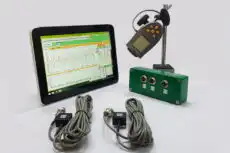
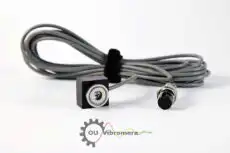
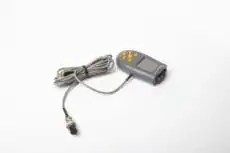
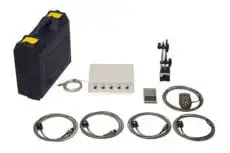
ในสภาพงานจริง ขั้นตอนการทำงานแบบเดียวกันจะทำงานบนอุปกรณ์พกพาแบบสองช่องทาง นักวิเคราะห์สามารถติดตั้งเซ็นเซอร์ความเร่งบนตัวเครื่องตัวรองรับได้ ราคาการสั่นสะเทือนความถี่สูงที่ความเร็วในการทำงาน และตรวจสอบซองจดหมายในสถานที่ — นี่คือประเภทของงานวัด-มัน-ที่-มัน-วิ่งที่เครื่องมือเช่น Balanset-1A ถูกสร้างมาสำหรับ ทำหน้าที่เป็นตัววิเคราะห์การสั่นสะเทือนในสภาพงานจริงพร้อมกับบทบาทการปรับสมดุลโรเตอร์
BPFI เทียบกับ BPFO ในมุมมอง
| คุณสมบัติ | BPFI (วงแหวนด้านใน) | BPFO (วงแหวนด้านนอก) |
|---|---|---|
| ความถี่ | สูงกว่า (5–7× ความเร็วเพลา) | ต่ำกว่า (3–5× ความเร็วเพลา) |
| แถบข้าง | มีอยู่เกือบตลอดเวลา (±1×) | อาจมีหรือไม่มีก็ได้ |
| รูปแบบเส้นข้าง | ระยะห่างสม่ำเสมอและชัดเจน | น้อยปกติเมื่อมีอยู่ |
| การเกิดขึ้น | เกิดขึ้นน้อยกว่า (~25% ของความล้มเหลว) | ความล้มเหลวที่พบบ่อยที่สุด (~40%) |
6. ความก้าวหน้า ความรุนแรง และอายุการใช้งานคงเหลือ
ขั้นตอนการพัฒนาข้อบกพร่อง
- การเริ่มต้น: รอยแตกหรือหลุมขนาดเล็กที่ยังไม่สามารถตรวจพบได้
- จุดเริ่มต้น: จุดสูงสุด BPFI เล็กน้อยปรากฏในสเปกตรัมซองจดหมาย (≈ 0.1–0.5 g)
- ระยะเริ่มต้น: จุดสูงสุด BPFI ที่ชัดเจนพร้อมฮาร์มอนิกหนึ่งหรือสองตัวและเส้นข้าง (≈ 0.5–2 g)
- ปานกลาง: ฮาร์มอนิกหลายตัว เส้นข้างที่โดดเด่น รอยขีดข่วนที่มองเห็นได้ในการตรวจสอบ (≈ 2–10 g)
- ขั้นสูง: แอมพลิจูดที่สูงมาก ฮาร์มอนิกมากมาย พื้นสัญญาณรบกวนที่เพิ่มขึ้น (> 10 g)
- รุนแรง: สัญญาณรบกวนแบนด์วิดท์กว้างครอบงำ จุดสูงสุดแบบไม่ต่อเนื่องหายไป และความล้มเหลวแบบหายนะใกล้เข้ามาแล้ว
คำแนะนำเกี่ยวกับอายุการใช้งานคงเหลือ
- เริ่มต้นถึงช่วงแรก: โดยทั่วไป 6–18 เดือนคงเหลือ
- ช่วงแรกถึงปานกลาง: 3–6 เดือน
- ปานกลางถึงขั้นสูง: 1–3 เดือน
- ขั้นสูงถึงรุนแรง: หลายวันถึงหลายสัปดาห์
- ข้อควรระวัง: กรอบเวลาจริงขึ้นอยู่กับโหลด ความเร็ว การหล่อลื่น และขนาดตลับลูกปืน — ตัวเลขเหล่านี้เป็นเพียงแนวทาง ไม่ใช่การรับประกัน และเป็นข้อมูลป้อนให้กับ อายุการใช้งานที่เหลืออยู่ ค่าประมาณ
7. สาเหตุและการแก้ไข
สาเหตุทั่วไปของความเสียหายที่รางใน
- ความเหนื่อยล้า: ความล้าใต้ผิวที่เกิดจากโหลดซ้ำรอบสูง กลไกหมดอายุการใช้งานแบบคลาสสิก
- การติดตั้งไม่ถูกต้อง: ความเสียหายจากการติดตั้ง เช่น การตอกตลับลูกปืนโดยกระแทกที่รางใน
- ความเสียหายของเพลา: คอเพลาที่หยาบหรือมีรอย ทำให้เกิด fretting
- interference fit มากเกินไป: การอัดใส่แน่นเกินไปทำให้ hoop stress สูงขึ้น
- การจัดตำแหน่งที่ไม่ถูกต้อง: โหลดไม่สม่ำเสมอที่เร่งความล้า
- การปนเปื้อน: อนุภาคแข็งกดเป็นรอยบนรางวิ่ง
- ความล้มเหลวของการหล่อลื่น: ฟิล์มน้ำมันไม่เพียงพอ นำไปสู่ความเสียหายผิวและ การแตกเป็นสะเก็ด.
การตอบสนองและการวางแผนเปลี่ยน
เมื่อพบสัญญาณ ให้เพิ่มความถี่ในการตรวจติดตาม (รายเดือน → รายสัปดาห์ → รายวัน ตามระดับความรุนแรงที่เพิ่มขึ้น) วางแผนเปลี่ยนชิ้นส่วนในช่วงหยุดเครื่องครั้งถัดไปที่สะดวก และติดตามแนวโน้มแอมพลิจูดเพื่อคาดการณ์อายุการใช้งานที่เหลือ หลีกเลี่ยงการปล่อยให้เครื่องทำงานต่อเนื่องที่ ความเร็ววิกฤต ที่อาจเร่งความล้มเหลว เมื่อวางแผนเปลี่ยน ให้สั่งซื้อตลับลูกปืนรุ่นที่ถูกต้อง ตรวจเพลา (ความเสียหายรางในขั้นรุนแรงอาจทำให้คอเพลามีรอย) และทำการทบทวนสาเหตุรากเพื่อไม่ให้ตลับลูกปืนตัวใหม่เสียแบบเดิม เมื่อนำเข้าสู่ การติดตามสภาพ โปรแกรม ที่มีวินัย การตรวจพบ BPFI จะกลายเป็นเสาหลักของความเชื่อถือได้ของตลับลูกปืน — โดยมียอดความถี่สูงอันชัดเจนพร้อม 1× sideband เป็นสัญญาณเตือนที่ทันเวลาและไม่กำกวม ช่วยป้องกันความเสียหายทุติยภูมิต่อเพลาและ housing

