ISO 21940-21: Opis i evaluacija mašina za balansiranje






ISO 21940-21 je međunarodni standard koji proizvođačima kaže kako da opišu mašina za balansiranje i, što je ključno, kako da dokažu da funkcioniše kako se tvrdi. Pripada modernoj ISO 21940 porodicu na balansiranje rotora (koja je zamijenila stariju ISO 1940 seriju), i nalazi se pored ISO 21940-12 za fleksibilne rotore i ISO 21940-13 za rad na mjestu. Dio 21 je onaj koji definiše standardizovani set procedura za navedovanje tehničkih karakteristika mašine i za provjeru njene tačnosti sa kalibriranim test rotorima. Usklađenost daje kupcu ili revizoru povjerenje da data mašina zaista zadovoljava međunarodno dogovorene kriterijume performansi umjesto marketerskih brojeva dobavljača.
1. Opseg i opis mašine
Standard se primjenjuje na sve vrste mašina za balansiranje koje se koriste za kruti rotori — i na mašinama sa krutim i na mašinama sa fleksibilnim osloncima. Njena prva zadaća je uspostavljanje formalnog, zajedničkog vokabulara prema kojem proizvođač mora opisati i specificirati mašinu, kako bi se mašine različitih proizvoditelja mogla porediti na jednakim osnovama.
Obavezni opis uključuje fizički kapacitet mašine i njen mjerni sistem:
- Omotač rotora: minimalnu i maksimalnu masu rotora, prečnik čaure i dužinu rotora koju mašina može prihvatiti.
- Opseg brzine: brzine balansiranja na kojima je performansa garantovana.
- Sistem pogona: način pokretanja rotora — remenjski pogon, pogon preko kraja (kardanskom spojnicom ili spojnicom), ili samopogon (pneumatski ili vlastitim motorom rotora) — jer svaki od njih utiče na tačnost i praktični opseg rotora.
- Mjerni sistem: tip davalaca, indikacija veličine i ugla neubalansiranosti, i mogućnost separacije ravnina.
Prisiljavanjem svakog dobavljača da objavi istu grupu podataka, Dio 21 osigurava kupcu jasan, standardizovan osnov na kojem može procijeniti da li mašina zaista odgovara njegovim rotorima — zadaća koju nijedan promotivni tekst ne može zamijeniti.
Mašine sa krutim osloncima nasuprot mašinama sa fleksibilnim osloncima
Razlika je važna jer se dvije arhitekture vrednuju prema istim kriterijumima ali se ponašaju veoma različito. Mašine sa krutim osloncima su znatno češće u modernim radionicama: njihovi oslonci su kruti, mjere centrifugalnu silu, i održavaju permanentna kalibracija koja je nezavisna od montiranog rotora. Mašine sa fleksibilnim osloncima poklapaju svoje oslonce ispod rezonancije, mjere pomeranje, i moraju biti ponovno kalibriane za svaki novi tip rotora sa probnom masom. Dio 21 podnosi obe vrste, što je razlog zašto se njegovi testovi formuliraju u smislu izmjerenih rezultata umjesto specifičnog principa detekcije.
2. Dokazni rotori i test mase
Test performansi je pouzdan samo onoliko koliko su pouzdani artefakti korišteni za izvršavanje. Dio 21 stoga postavlja stroge specifikacije za probne rotore i probne mase koji upravljaju evaluacijom. Rotori za dokazivanje nisu običnih dijelovi proizvodnje; oni su precizno obrađeni, dimenzionalno stabilni artefakti proizvedeni na izuzetno niskoj razini rezidualnu neuravnoteženost, sa strogim zahtjevima na geometriju, materijal i završnu obrado površine kako bi sam rotor ne bi uveo nikakvu grešku u test.
Mase za testiranje — male poznate težine dodane na definirane radijuse kako bi se kreirala precizno poznata neuravnoteženost — moraju biti kalibrirane i pratljive na nacionalni standard, najbolje praćene sa sertifikat kalibracije. Standardizovanje testne opreme je ono što čini rezultate ponovljivima i usporedivima na različitim mašinama, operaterima i lokacijama. Ako trebate pretvoriti masu za testiranje i njen radijus u centrifugalnu silu koju će nametati, Kalkulator centrifugalne sile iz nebalansiranosti izvršava aritmetiku u jednom koraku.
3. Testovi performansi
Ovo je praktično srce standarda: definirana, korak-po-korak metodologija za testove koji objektivno kvantifikuju mogućnost mašine. Dva glavna testa nose većinu težine.
- Najmanja dostižna rezidualna neravnoteža (Umar / MARU): konačni test osjetljivosti. Počevši od dobro balansiranog rotora za dokazivanje, test mjeri najmanju rezidualnu neuravnoteženost koju mašina može ponovljivo i pouzdano pokazati. Zapravo, ovo je mehanička i elektronska prag šuma — apsolutna granica onoga što može riješiti. Direktno je povezana sa osjetljivošću balansiranja, i možete procijeniti usporediteljnu vrijednost za dati setup sa Kalkulator osetljivosti balansirnog stroja.
- Omjerom smanjenja neuravnoteženosti (URR): direktna mjera točnosti i efikasnosti. Poznata neuravnoteženost se dodaje rotoru za dokazivanje; mašina je mjeri i izračunava korekciju; nakon što se primijeni ta jedina korekcija, ostatak se ponovno mjeri. URR je procenat za koji je neuravnoteženost smanjena u jednoj korekcija korekciji — karakteristika točne, efikasne mašine koja ne tjera operatera u bezbrojna probna pokretanja.
Dio 21 također specificira druge vitalne provjere: mogućnost odvajanja ravnina (potvrđujući da dvostranog rotor mašina može ispravno razlikovati statička i momentna neuravnoteženost na obje korekcijskih ravnina bez preslušavanja) i konzistentnost izvedbe u cijelom spektru brzina, tako da stroj koji je precizan na jednoj brzini ne degradira na drugoj.
4. Kriteriji prihvaćanja i dokumentacija
Posljednji element je definitivni okvir primjene/odbijanja. Za URR test standard određuje minimalnu prihvatljivu postotak — obično 95% ili viši — koji stroj mora dostići da bi se smatrao usklađenim. MARU vrijednost se tretira drugačije: nije linija primjene/odbijanja sama po sebi, već deklarisano vrijednost koja kvantificira osjetljivost stroja, omogućavajući korisniku da procijeni je li razina šuma dovoljna mala za njihov najfiniji klasa kvaliteta balansiranja.
Na kraju, standard zahtijeva sveobuhvatnu izvještaj o ispitivanju dokumentaciju uvjeta i rezultata svakog testa. Taj izvještaj je službeni certifikat izvedbe stroja — garantija krajnjeg korisnika da su njegove mogućnosti verificirane prema strogom, međunarodno priznatom postupku umjesto da su tvrdnje prodavatelja.
5. Gdje se Dio 21 primjenjuje u praksi
Za inženjera pouzdanosti ili vlasnika balansnog pogona, Dio 21 odgovara na naizgled jednostavno pitanje: može li ovaj stroj stvarno balansirati moje rotore u toleranciji koja mi treba? URR vam govori koliko će iteracija trebati; MARU vam govori nafiniju tolerancija koju možete vjerodostojno certificirati.
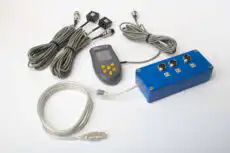
Vrijedno je održati razliku između pogona za balansiranje u radionici i balansiranja na mjestu jasnom. Namjenski stroj evaluiran prema Dijelu 21 uklanja neusuglašenost iz rotora u izolaciji, na svojim ležajima, u kontrolisanoj bazi. Međutim, mnogi rotori nikada nisu poslani u radionicu — korigirani su na mjestu u vlastitom sistema rotor-ležaja pri radnoj brzini. Prijenosni analizator sa dva kanala kao što je Balanset-1A izvršava to terensko balansiranje mjerenjem 1× amplitudu i fazu, izračunavanje koeficijenti utjecaja, i provjerom rezidualne neusuglašenosti prema odabranoj klasi ISO 21940-11 — hvaćajući prave sastavljene, toplinske i temelj uvjete koje stroj u radionici ne može reproducirati. Dva pristupa su komplementarna: Dio 21 upravlja stolnim instrumentom, dok in-situ rad upravlja rotorom kako stvarno radi.

