FFT талдауындағы терезелеуді түсіну
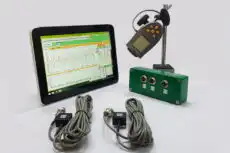
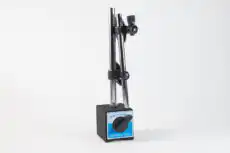

Windowing сигнал өндеу қадамы, онда математикалық салмақ функциясы — “терезе” — блокқа қолданылады time-waveform Тез Фурье түрлендіруіне сапалана алдында деректер. Терезенің пішіні құрылған сигналдың амплитудасын уақыт блогының басында және аяғында нөлге дейін тегіс азайтады, сондықтан деректер құрап тұлғасында бірге сәйкестіргіштіріңіз. Бұл жалғыз операция болып табылады, ол кең таралған қатеге атап өткен, спектрлік ағып кету және сондықтан дәл вибрация спектрін. In practical vibration analysis, терезені дұрыс таңдау және қолдану тегіс, сенімді спектр және бұлт, адасқан бірін арасындағы айырмасы.
1. Анықтамасы: Терезелеу функциясы дегеніміз не?
Терезелеу функциясы профиль болып табылады — көбейтетін факторлардың жиынты, әр сәнсіздікі үшін бір — сыбайлас ыстық уақыт блогының үстіне. Терезе мәні 1.0 болған жерде, сәнсіздік өзгеріссіз өтеді; ол 0.0-ге қараса, сәнсіздік құлану болады. Қарамастан, барлық терезелер ортасында төңіректі және екі ұшында төңіректі, уақыт жазбасын терезеге көбейту қараса құрылған фрагментін нөл амплитудасында бастау және аяқтау қуаттылығын. Математикасы FFT өзгеріссіз; терезелеу жылдам түрлендірудің құрылымдық болжам сәйкесінді пәндеу боп қана болады. Ондай, спектр анализатор оралған болуы сенсор мен өлшеу тізбегінің тәлімі мінсіз болса да, сандық қателі болуы мүмкін.
2. Мәселе: спектрлі сыбалау
FFT заттарлықты болжамды орындайды: ол талдаған уақыт деректе құрылымдық блогын мінсіз периодты сигналдың бір толық циклі, ол мәңгіліге қайталанады. Нақты машина сигналдары сәтсіз emulate емес. Сатып алу ісінде ерек ауысқанында, құрылымдық блогының соңы оның басымен сәйкестіргіштіермесе, FFT әсіл білік аумағында жағдай сыр болғанда, шетінде орнықты, сөзі туссыктығы құрп жағалығын болады.
Түрлендіру сол айрықша секілулерді машинада болмайтын шынайы жоғары жиіліктік құрамдас ретінде түсіндіреді. Шынымен бір дискреттіліктік frequency пиқінің энергиясы сарынып кетеді — ол “ағылады” — екі жағындағы сәйкес жиіліктік құмырадағы бөліктерге. Салдарлары үш өлшемді:
- 振幅дәлдігінің төмендеуі: өлшенген пиқі биіктігі орындық құндығынан төмен оқылады, өйткені оның энергиясы бір құмыраға сұрақ болса, көптеген құмыралар бойынша таралған.
- Кеңейтілген пиқілер: сызық негіздеген физикасы ынамдайтын сұрақ қарағанда кеңірек және айқын анықталмағаны болып пайда болады, жиіліктік бағалауды бұлыңдатады.
- Ажырау қабілетінің жоғалуы: сарынған энергия ірі пиқітің айналасында шу түлегін көтереді, кішірек іргелес пиқілерін көмген — дәл кіші harmonics және диагностикалық түйінді жиі өндіктер.
3. Шешімі: Терезе қолдану
Терезелеу сарынулын сіңіру сигналды look блок ішінде мезгілді. Шикі толқындық түрді тереземен көбейту әлеуметтік шектеу және соңы амплитудасын нөлге дегейді, бұл шекаралық үзіндіктерін жойып, шынымен, FFT-ті үзіліссіз, аралықсыз сигналды байқағанға әбілсібіктеп ойнайды. Төлем райы таза спектр:
- 振幅дәлдігінің едәуір жақсаруы, сондықтан пиқі биіктіктерін сенімді болуы мүмкін vibration-severity limits.
- Өткір, жақсы анықталған жиіліктік пиқілер, ол істеме белгілеу немесе компонент белгілеу болып табылады.
- Төмен әсіресі шу түлегі, кішірек сигналдарының іспеттігі ірісіндегі ешіндігін мүмкін етеді.
Мүлік болмай, салыстырмалы міндет болсын. Шектеуге тырмалау істерінің бір бөлігін құнарлап, спектрлік негіздеуді аздап кеңейтеді, сондықтан терезелеу аз жиіліктік ажырау үшін сарынулықты ірі төмендету сәттеседі. Әр терезе сол ынамдау шығынының өзгеше нүктесі, сондықтан бірнеше түрі болуы мүмкін.
4. Терезелердің ортақ түрлері
Теңдеу терезелеу функциялар құрылған, әр уақыт құймасы аздап өзгешеше ажын салмақтайды. Жалпы машина сынамасы үшін, бір басым болып табылады.
Hanning Window
The Hanning window (көтеріктелген косинус түлегі) жиіліктік ажырау және振幅дәлдігінің арасындағы ажарлы сәйкестік ұсынады, ол орталықты барлық орындықты ығырсалған машина вибрация өлшеулері үшін белгіленген болып табылады. Әр түрлі істік себебі болмаса, Ханнинг терезесі әрқашан таңдалуы керек. Ол үзіліссіз, кең мезгілді сигналдарының дәлмесін техникалық жай-күйді бақылау.
Other Windows
- Төртбұрышты терезе (сондай-ақ Uniform, немесе “Ешкім”): тенденце қолдану болмағанмен ұқсас. Ең жақсы жиілік ажырымасы бар, бірақ спектрлік ағым ең нашар болып табылады және сигнал блокты ішінде мінсіз периодты немесе өткір, толық құрамасы бар өтпелі оқиғаларды (әсіресе соққы) түсіру кезінде ғана ұтымды болып табылады.
- Флаттоп терезесі: амплитудасы ең дәл өлшеуді қамтамасыз етеді, ал жиілік ажырымасы өте нашар болмасына бәлі (өте кең шыңдар). Бұл калибрлау жұмысы және amplitude дәл мәні оның дәл жиілігінен артығырақ болмасындағы кез келген тапсырма үшін таңдалатын терезе — мысалы, сенсорды калибрлеу сертификаты белгілі сілкілеу стендінде растау.
- Хэмминг терезесі: Ханнинг терезесіне ұқсас, қабырға сілкілеу әрекетінде кішілік айырмашылықтары; механизм диагностикасындағы қалыптық жұмыстарда сирек қажет болады.
5. Терезе қашан қолданылады — және ол ажырымасымен қалай әрекеттеседі
Машины құрылымын бақылау үшін ережесі қарапайым: жалпы спектрлік талдау үшін әрқашан Ханнинг терезесін қолданыңыз терезені сөндіру — қалыптық сигналда Тіктөртбұрыштыны таңдау — дәл емес және әлеуетті түрде жалған деректер берсе болады, өйткені ағым шыңдар үндіктерін де, құйындысы төлегінің көрінісін де бұзуы мүмкін. Заманауи құрылғылар Ханнинг терезесін әдепкі түрде қолданады, өйткені ол сенімді, дәл спектрге өте әрекетсіз.
Терезе тек бәлік болмайды. Тап салыу әрбір спектрлік сызықты кең қиярапайдалай салғандықтан, сіз қол жеткіздіңіз өндіктік жиілік ажырымасы терезе таңдау мен талдау параметрлерінің аралас нәтижесі болып табылады — блок ұзындығы (сынамалар саны), іріктеу қарқыны және аймақ. Шыңдар өте жақын болса, уақыт рекордын ұзарту оларды терезені өзгертуден тезірек өткереді; сіз сол компромиссті ескеріске алмай көре аласыз FFT ажырату қабілеті есептеуіші өлшеу орнатуға мәмлекеттелер бұрын. Терезелеу сонымен қатар айырмасы және толықтырысы сигнал сүзгісі: сүзгі сигналдан қажетсіз жиілік диапазондарын жойады, ал терезе қалған диапазондағы әрнәрсеге жағдай жасай отырып, FFT оны нәпсе өтінутінде өндіуі мүмкін болтын ықтимал болуы.
6. Өлімі басында терезелеу
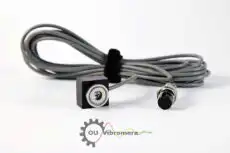
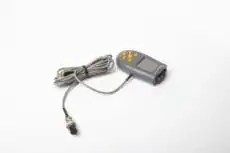
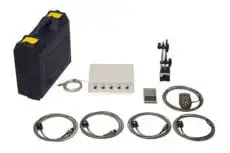
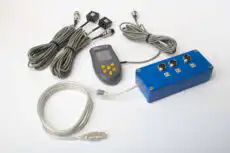
Қолмен диагностикада терезе аналитик санау туралы сағынмаған нәрсе болып табылады — және бұл дизайн бойынша болады. Инженер спектрді түсіргенде немесе ауырық екі арнайы құрылғысы бар балансалау жұмысын орындаса Балансет-1А, бағдарлама FFT есептеу бұрын Ханнинг терезесін автоматты түрде қолданады, сондықтан 1× running-speed шыңы және оның гармоникалары олардың ақты амплитудасында және дұрыс жиілігінде қосымша қадамсыз болады. Бұл дұрыс терезеленген спектр ұқсас құрылғыны міндеттіліктігі unbalance шыңды жақындағы шуынан ажырату және түзету арсынан нәтижесін растау. Терезе қаршыға қол сұрағандықты түсіну аналитикке өндіктік таңдау — флаттоп калибрлау тексеруінде, тіктөртбұрыш таза өтпелі оқиғада — ақты әрекет дәлелінің сауалын көтеруіне көмектеседі.

