ಮೋಟರ್ ಬಾರ್ ಪಾಸ್ ಫ್ರೀಕ್ವೆನ್ಸಿ ಅರ್ಥೈಸುವುದು

ಮೋಟರ್ ಬಾರ್ ಪಾಸ್ ಫ್ರೀಕ್ವೆನ್ಸಿ — ರೋಟರ್ ಬಾರ್ ಪಾಸ್ ಫ್ರೀಕ್ವೆನ್ಸಿ, ರೋಟರ್ ಸ್ಲಾಟ್ ಫ್ರೀಕ್ವೆನ್ಸಿ ಅಥವಾ ಸರಳವಾಗಿ ಬಾರ್ ಪಾಸ್ ಎಂದೂ ಕರೆಯಲಾಗುತ್ತದೆ — ಸ್ಕ್ವಿರೆಲ್-ಕೇಜ್ ಇಂಡಕ್ಷನ್ ಮೋಟರ್ನ ರೋಟರ್ ಬಾರ್ಗಳು ಸ್ಟೇಟರ್ ಸ್ಲಾಟ್ಗಳು ಮತ್ತು ವೈಂಡಿಂಗ್ಗಳ ಮೂಲಕ ಹಾದುಹೋಗುವ ಫ್ರೀಕ್ವೆನ್ಸಿ. ಇದು ರೋಟರ್ ಬಾರ್ಗಳ ಸಂಖ್ಯೆಯನ್ನು ರೋಟರ್ನ ತಿರುಗುವಿಕೆಯ ಫ್ರೀಕ್ವೆನ್ಸಿಯಿಂದ ಗುಣಿಸಲು ಸಮಾನವಾಗಿರುತ್ತದೆ, ಆದ್ದರಿಂದ ಇದು ಕಾರ್ಯಾಚರಣೆಯ ವೇಗಕ್ಕಿಂತ ಬಹಳ ಮೇಲೆ ಇರುತ್ತದೆ, ಸಾಮಾನ್ಯವಾಗಿ ಮೋಟರ್ ಗಾತ್ರ ಮತ್ತು ವೇಗವನ್ನು ಅವಲಂಬಿಸಿ ಸುಮಾರು 200 ಮತ್ತು 2000 Hz ನಡುವೆ. ಆರೋಗ್ಯಕರ ಮೋಟರ್ನಲ್ಲಿ ಇದು ನೀರಸ, ನಿಮ್ನ-ವೈಶಾಲ್ಯ ಲೈನ್ ಕಂಪನ ವರ್ಣಪಟಲವನ್ನು, ಆದರೆ ಅದು ಹೆಚ್ಚಾದಾಗ ಇದು ಸೂಚಿಸುತ್ತದೆ ವಿಕೇಂದ್ರಿತತೆ ರೋಟರ್ ಮತ್ತು ಸ್ಟೇಟರ್ನ ನಡುವೆ, ವಾಯು ಅಂತರ ಸಮಸ್ಯೆಗಳು, ಅಥವಾ ಇತರ ವಿದ್ಯುತ್ಕಾಂತೀಯ ಅನಿಯಮಿತತೆಗಳು. ಇದು ನಿಕಟವಾಗಿ ಸಂಬಂಧಿತವಾಗಿದೆ, ಆದರೆ ಪ್ರತ್ಯೇಕವಾಗಿದೆ, ರೋಟರ್ ಬಾರ್ ನ್ಯೂನತೆಗಳು — ಮುರಿದ ಬಾರ್ಗಳು ತಮ್ಮನ್ನು ಘೋಷಣೆ ಮಾಡುತ್ತವೆ sidebands spaced at the pole-pass frequency (number of poles × the ಸ್ಲಿಪ್ ಆವೃತ್ತಿ) around 1×, not by raising the bar-pass line itself.
1. ಬಾರ್ ಪಾಸ್ ಫ್ರೀಕ್ವೆನ್ಸಿ ಲೆಕ್ಕಾಚಾರ
ಸೂತ್ರ
RBPF = Nb × N / 60, ಇಲ್ಲಿ RBPF ಹೆರ್ಟ್ಜ್ನಲ್ಲಿ ರೋಟರ್ ಬಾರ್ ಪಾಸ್ ಫ್ರೀಕ್ವೆನ್ಸಿ, Nb ರೋಟರ್ ಬಾರ್ಗಳ ಸಂಖ್ಯೆ, ಮತ್ತು N ರೋಟರ್ ವೇಗ RPM ನಲ್ಲಿ.
ಸೂತ್ರದ ರಚನೆ ಯಾವುದೇ ಹಲ್ಲು ಅಥವಾ ವೆನ್-ಗಣನೆಯ ಫ್ರೀಕ್ವೆನ್ಸಿ ಮೂಲಕ ಇದೆ, ಅದರಂತೆ ಗೇರ್ ಮೆಶ್ ಆವೃತ್ತಿ ಅಥವಾ ಪ್ಯಾಡಲ್ ಪಾಸಿಂಗ್ ಆವೃತ್ತಿ: ಪುನರಾವರ್ತಿತ ವೈಶಿಷ್ಟ್ಯಗಳನ್ನು ಎಣಿಸಿ, ಅವು ಎಷ್ಟು ಬಾರಿ ಬರುತ್ತವೆ ಎಂಬುದರಿಂದ ಗುಣಿಸಿ. ಬಾರ್ ಎಣಿಕೆ ಸಾಮಾನ್ಯವಾಗಿ ದೊಡ್ಡ ಸಂಖ್ಯೆ ಆಗಿರುವುದರಿಂದ, ಫಲಿತಾಂಶ ಸ್ಪೆಕ್ಟ್ರಮ್ನ ಉಚ್ಚ-ಫ್ರೀಕ್ವೆನ್ಸಿ ಪ್ರದೇಶಕ್ಕೆ ಸುಸ್ಥಿತವಾಗಿ ಇರುತ್ತದೆ.
ಕೆಲಸ ಮಾಡಿದ ಉದಾಹರಣೆಗಳು
ಸಣ್ಣ ಮೋಟಾರ್: 1750 RPM ನಲ್ಲಿ 28 ರೋಟರ್ ಬಾರ್ಗಳು ಇದ್ದರೆ RBPF = 28 × 1750 / 60 = 817 Hz.
ದೊಡ್ಡ ಮೋಟಾರ್: 3550 RPM ನಲ್ಲಿ 56 ರೋಟರ್ ಬಾರ್ಗಳು ಇದ್ದರೆ RBPF = 56 × 3550 / 60 = 3313 Hz.
ದೊಡ್ಡ ಯಂತ್ರದ ಬಾರ್-ಪಾಸ್ ಲೈನ್ 3 kHz ಅನ್ನು ಮೀರಿ ಹೆಚ್ಚುತ್ತದೆ ಎಂಬುದನ್ನು ಗಮನಿಸಿ — ಮಾಪನ ಸರಣಿ ಅದನ್ನು ನೋಡಲು ಆ ಎತ್ತರಕ್ಕೆ ತಲುಪಬೇಕು ಎಂಬುದು ಒಂದು ಉಪಯುಕ್ತ ಸ್ಮರಣೆ. ನೀವು ಕಾರ್ಯಾಚರಣೆ ವೇಗ ಮತ್ತು ಸರಣಿ ಸಂಖ್ಯೆಗಳನ್ನು ತ್ವರಿತವಾಗಿ ಫ್ರೀಕ್ವೆನ್ಸಿಗಳಿಗೆ ರೂಪಾಂತರಿಸಲು ಬಯಸಿದರೆ, ಇದು ಸುಸಮ ಆವರ್ತನ ಕ್ಯಾಲ್ಕುಲೇಟರ್ ಅಂಕಗಣಿತವನ್ನು ನಿರ್ವಹಿಸುತ್ತದೆ.
ಬಾರ್ಗಳ ಸಂಖ್ಯೆ ಕಂಡುಹಿಡಿಯುವುದು
- ಮೋಟರ್ ನೇಮಪ್ಲೇಟ್ ಅಥವಾ ತಯಾರಕರ ಡೇಟಾ ಶೀಟ್ ನೋಡಿ.
- ರೋಟರ್ ದೆಪಾರ್ಕಲ್ನಲ್ಲಿ ಪ್ರವೇಶಾರ್ಹವಾದರೆ ಅವುಗಳನ್ನು ಕಣ್ಣಿನಿಂದ ಎಣಿಸಿ.
- ವೈಬ್ರೇಶನ್ ಸ್ಪೆಕ್ಟ್ರಮ್ನಲ್ಲಿ ಸ್ಪಷ್ಟವಾಗಿ ಅರ್ಹವಾದ ಪೀಕ್ ಅನ್ನು ಅನುಸರಣ ಹಿಂದಕ್ಕೆ ಲೆಕ್ಕ ಮಾಡಿ.
- ಮೋಟಾರ್ ಗಾತ್ರ ಮತ್ತು ಪೋಲ್ ಎಣಿಕೆಯನ್ನು ಅವಲಂಬಿಸಿ ಸರಿಸುಮಾರು 16 ರಿಂದ 80 ಬಾರ್ಗಳನ್ನು ನಿರೀಕ್ಷಿಸಿ.
2. ಭೌತಿಕ ಕಾರ್ಯವಿಧಾನ
ರೋಟರ್-ಸ್ಟೇಟರ್ ಇಂಟರ್ಕ್ರಿಯಾ
ಬಾರ್ ಪಾಸ್ ಫ್ರೀಕ್ವೆನ್ಸಿ ಮೆಕಾನಿಕಲ್ ಸಂಪರ್ಕದಿಂದ ಅಲ್ಲ, ಮ್ಯಾಗ್ನೆಟಿಕ್ ಇಂಟರ್ಕ್ರಿಯಾ ನಿಂದ ಜನ್ಮವಾಗುತ್ತದೆ:
- ರೋಟರ್ ಬಾರ್ಗಳು ಪ್ರೇರಿತ ವಿದ್ಯುತ್ ಪ್ರವಾಹವನ್ನು ಸಾಗಿಸುತ್ತವೆ ಮತ್ತು ಮ್ಯಾಗ್ನೆಟಿಕ್ ಫಿಲ್ಡ್ನಲ್ಲಿ ಸ್ಥಳೀಯ ಪರಿವರ್ತನೆಗಳನ್ನು ನೆರೆದುಕೊಳ್ಳುತ್ತವೆ.
- ರೋಟರ್ ತಿರುಗುವುದರ ಜೊತೆಜೊತೆ, ಪ್ರತಿಯೊಂದು ಬಾರ್ ಒಂದರ ನಂತರ ಒಂದು ಸ್ಟೇಟರ್ ಸ್ಲಾಟ್ ಮೂಲಕ ಸಾಗುತ್ತದೆ.
- ಮ್ಯಾಗ್ನೆಟಿಕ್ ರಿಲಕ್ಟೆನ್ಸ್ ಬಾರ್ಗಳು ಸ್ಟೇಟರ್ ಟೀತ್ಗಳೊಂದಿಗೆ ಅಲ್ಬ್ಮೆ ನಂತರ ಅವುಗಳ ನಡುವೆ ಹೋಗುವುದರ ಜೊತೆ ಏರುತ್ತದೆ ಮತ್ತು ಬೀಳುತ್ತದೆ.
- ಇದು ರಚನೆಯ ಮೇಲೆ ಸಣ್ಣ ನಡೆಯುವ ವಿದ್ಯುತ್ಚುಂಬಕೀಯ ಬಲವನ್ನು ಉತ್ಪಾದಿಸುತ್ತದೆ.
- ನಡೆಯುವ ದರ ಬಾರ್ಗಳು ಹೋಗುವ ದರಕ್ಕೆ ಸಮನಾಗಿರುತ್ತದೆ — ಬಾರ್ ಪಾಸ್ ಫ್ರೀಕ್ವೆನ್ಸಿ.
ಏರ್ ಗ್ಯಾಪ್ ಏಕರೂಪ ವರ್ಸಸ್ ಅಏರೋಪ
- ಏರ್ ಗ್ಯಾಪ್ ಏಕರೂಪ: ರೋಟರ್ನ ವಿರುದ್ಧ ಬದಿಗಳಲ್ಲಿರುವ ಬಾರ್ಗಳಿಂದ ಬಲದ ಕೊಡುಗೆಗಳು ಹೆಚ್ಚಾಗಿ ರದ್ದುಮಾಡುತ್ತವೆ, ಕಡಿಮೆ RBPF ವೈಪ್ಲಿಟ್ಯೂಡ್ ಬಿಡುತ್ತವೆ.
- ಅದೃಶ್ಯ ರೋಟರ್: ಇಂಟರ್ಕ್ರಿಯಾ ಅಸಮಿತವಾಗಿ ಮಾರ್ಪಡುತ್ತದೆ, ರದ್ದುಕಾರಣ ವಿಘ್ನ ಹೊಂದುತ್ತದೆ ಮತ್ತು RBPF ವೈಪ್ಲಿಟ್ಯೂಡ್ ಏರುತ್ತದೆ.
- ಚಿಕಿತ್ಸಕ ಮೌಲ್ಯ: RBPF ಲೈನ್ನ ಎತ್ತರ ಆದ್ದರಿಂದ ಏರ್ ಗ್ಯಾಪ್ ಎಷ್ಟು ಏಕರೂಪವಾಗಿದೆ ಎಂಬುದರ ನೇರ ಸೂಚಕವಾಗಿದೆ.
3. ರೋಗನಿರ್ಣಯ ಮಹತ್ವ
ಸಾಮಾನ್ಯ ಸ್ಥಿತಿ
- ಒಂದು RBPF ಪೀಕ್ ಇದೆ ಆದರೆ ತುಂಬಾ ಚಿಕ್ಕದು — ಸಾಮಾನ್ಯವಾಗಿ 0.5 mm/s ಕೆಳಗೆ.
- ಇದು ಶಬ್ದ ನೆಲದಿಂದ ಅಷ್ಟೆ ನಿಶ್ಛಬ್ದವಾಗಿರಬಹುದು.
- ಅದನ್ನು ಸುತ್ತುವರೆದಿರುವ ಯಾವುದೇ ಸೈಡ್ಬ್ಯಾಂಡ್ ಇಲ್ಲವೆ.
- ಈ ಸಿಗ್ನೇಚರ್ ಸಮಾನ ಏರ್ ಗ್ಯಾಪ್ ಮತ್ತು ಉತ್ತಮ ರೋಟರ್-ಸ್ಟೇಟರ್ ಸಾನ್ದ್ರತೆಯನ್ನು ದೃಢಪಡಿಸುತ್ತದೆ.
ಎತ್ತರದ RBPF ನಿಮಗೆ ಏನು ಹೇಳುತ್ತದೆ
ಏರ್-ಗ್ಯಾಪ್ ವಿಕೇಂದ್ರತೆ. ರೋಟರ್ ಸ್ಟೇಟರ್ ಬೋರ್ನ ಮಧ್ಯದಿಂದ ಸರಿದಿದ್ದರೆ RBPF ಆಂಪ್ಲಿಟ್ಯೂಡ್ ಹೆಚ್ಚುತ್ತದೆ, ಮತ್ತು ಓಡುವ ವೇಗದ ±1× ನಲ್ಲಿ ಸೈಡ್ಬ್ಯಾಂಡ್ಗಳು ಕಾಣಿಸಬಹುದು. ಈ ಮಾದರಿ ಕೆಳಗಿನ ವಿಧಾನಕ್ಕೆ ಸಮಾನವಾಗಿರುತ್ತದೆ pole pass frequency ಅದೇ ಫಾಲ್ಟ್ ಅಡಿಯಲ್ಲಿ ಹೆಚ್ಚಾಗುತ್ತದೆ.
ರೋಟರ್-ಸ್ಟೇಟರ್ ವಿಸಂಗತಿ. ರೋಟರ್ ಅಕ್ಷವು ಸ್ಟೇಟರ್ ಅಕ್ಷಕ್ಕೆ ಸಮಾನಾಂತರವಾಗಿಲ್ಲದಿದ್ದಾಗ, ಏರ್ ಗ್ಯಾಪ್ ಮೋಟರ್ನ ಉದ್ದದ ಉದ್ದಕ್ಕೂ ಬದಲಾಗುತ್ತದೆ, RBPF ಮತ್ತು ಅದರ ಸಾಮರಸ್ಯಗಳೆರಡನ್ನೂ ಹೆಚ್ಚಿಸುತ್ತದೆ.
ಮುರಿದ ಅಥವಾ ಹಾನಿಗೊಳಗಾದ ರೋಟರ್ ಬಾರ್ಗಳು. This is a different signature entirely: broken bars create sidebands around 1× at pole-pass-frequency spacing rather than raising the bar-pass line. See broken rotor bars and ರೋಟರ್ ಬಾರ್ ನ್ಯೂನತೆಗಳು ಸಂಪೂರ್ಣ ರೋಗನಿರ್ಣಯಾತ್ಮಕ ವಿವರಗಳಿಗಾಗಿ.
4. ಬಾರ್ ಪಾಸನ್ನು ಇತರ ಫ್ರೀಕ್ವೆನ್ಸಿಗಳಿಂದ ವಿಭಿನ್ನವಾಗಿ ಮಾಡುವುದು
RBPF ಬೀರಿಂಗ ಫ್ರೀಕ್ವೆನ್ಸಿಗಳು
- RBPF: ವಿಶಿಷ್ಟವಾಗಿ 200–3000 Hz, ಮೋಟರ್ ಡಿজಾಇನ್ ನಿರ್ಧರಿತ.
- ಬೇರಿಂಗ್ ಫ್ರೀಕ್ವೆನ್ಸಿಗಳು: ಮೋಟರ್ ಬೀರಿಂಗ್ಗಳಿಗೆ ವಿಶಿಷ್ಟವಾಗಿ 50–500 Hz.
- ಹೇಗೆ ವಿವೇಚಿಸುವುದು: ಎರಡನ್ನೂ ಲೆಕ್ಕ ಹಾಕಿ ಮತ್ತು ಅವುಗಳನ್ನು ಗಮನಿಸಿದ ಶಿಖರಗಳೊಂದಿಗೆ ಹೋಲಿಸಿ.
- ಅತಿಕ್ರಮಣಕ್ಕಾಗಿ ವೀಕ್ಷಿಸಿ: ದೊಡ್ಡ ಮೋಟಾರುಗಳಲ್ಲಿ RBPF ಅದೇ ಬ್ಯಾಂಡ್ನಲ್ಲಿ ಬೀರಿಂಗ್ ಫ್ರೀಕ್ವೆನ್ಸಿಯಂತೆ ಬೀಳಬಹುದು, ಆದ್ದರಿಂದ ಕ್ರಿಯೆ ತೆಗೆದುಕೊಳ್ಳುವ ಮೊದಲು ಉಪಸ್ಥಿತಿಯನ್ನು ದೃಢಪಡಿಸಿ. ಸ್ಥಾಪನೆ ನೈಮಾಷಿಕತೆ ಆವರ್ತನಗಳು, ಆದ್ದರಿಂದ ಕ್ರಿಯೆ ತೆಗೆದುಕೊಳ್ಳುವ ಮೊದಲು ಉಪಸ್ಥಿತಿಯನ್ನು ದೃಢಪಡಿಸಿ.
RBPF ಸ್ಟೇಟರ್ ಸ್ಲಾಟ್ ಫ್ರೀಕ್ವೆನ್ಸಿ
- ಸ್ಟೇಟರ್ ಸ್ಲಾಟ್ ಪಾಸ್: ಸ್ಟೇಟರ್ ಸ್ಲಾಟ್ಗಳ ಸಂಖ್ಯೆ × ಚಾಲನಾ ವೇಗ — ವಿರಳವಾಗಿ ಮಹತ್ವಪೂರ್ಣವಾಗಿದೆ.
- RBPF: ರೋಟರ್ ಬಾರ್ಗಳ ಸಂಖ್ಯೆ × ಚಾಲನಾ ವೇಗ — ಸಾಮಾನ್ಯವಾಗಿ ಗಮನಿಸಲಾಗುತ್ತದೆ.
- ಇರಡೂ ಇದ್ದರೆ: ಕೆಲವು ಮೋಟರ್ಗಳಲ್ಲಿ ನೀವು ಪ್ರತಿಯೊಂದನ್ನೂ ನೋಡುತ್ತೀರಿ, ಮತ್ತು ಅವುಗಳನ್ನು ಬೇರ್ಪಡಿಸುವುದು ಬಾರ್ ಮತ್ತು ಸ್ಲಾಟ್ ಎಣಿಕೆ ತಿಳಿಯುವುದರ ಮೇಲೆ ಅವಲಂಬಿತವಾಗಿದೆ.
5. ಪ್ರಾಯೋಗಿಕ ಅನ್ವಯ
RBPF ಅನ್ನು ಕಾಡುವುದು ಎಂದು
- ಏರ್-ಗ್ಯಾಪ್ ಸಮಸ್ಯೆ ಶಂಕಾಸ್ಪದವಾದಾಗ.
- ಬೇರಿಂಗ್ ಬದಲಿ ನಂತರ, ರೋಟರ್ ಸರಿಯಾಗಿ ಕೇಂದ್ರೀಕೃತವಾಗಿದೆ ಎಂದು ಪರಿಶೀಲಿಸಲು.
- 2× ಲೈನ್ ಆವೃತ್ತಿ ಎತ್ತರದಲ್ಲಿದ್ದಾಗ, ಇದು ವಕ್ರತೆಯೊಂದಿಗೆ ಇರುತ್ತದೆ.
- ಸ್ಥಾಪನೆ ಮಾಡುವಾಗ baseline ಹೊಸ ಅಥವಾ ರಿವೌಂಡ್ ಮೋಟರ್ಗೆ.
- ಮೋಟರ್ ಮರುದುರಸ್ಕರಣೆ ನಂತರ ಗುಣಮಟ್ಟದ ಪರಿಶೀಲನೆ ಆಗಿದೆ.
ಮಾಪನ ಪರಿಗಣನೆಗಳು
- ವಿಶ್ಲೇಷಕದ ಆವೃತ್ತಿ ಶ್ರೇಣಿ RBPF ಯ ಎರಡರ ಮೂಲಕ ಸುಖಕರವಾಗಿ ಅತಿಕ್ರಮಿಸಬೇಕು (Fmax > 2 × RBPF) ಅದನ್ನು ಹಿಡಿಯಲು ಅಲಿಯಾಸಿಂಗ್.
- ಒಂದು accelerometer ಸಾಮಾನ್ಯವಾಗಿ ಇದನ್ನು ಬಳಸಬೇಕಿದೆ ಅಲ್ಲ ವೇಗ ಸೆನ್ಸರ್, ಏಕೆಂದರೆ ಆವೃತ್ತಿಗಳು ಎತ್ತರದಲ್ಲಿವೆ.
- ಮೋಟರ್ ಫ್ರೇಮ್ ಅಥವಾ ಬೇರಿಂಗ್ ಹೌಸಿಂಗ್ನಲ್ಲಿ ಅಳತೆ ಮಾಡಿ.
- ಯಾವಾಗಲೂ ಬೇಸ್ಲೈನ್ಗೆ ವಿರುದ್ಧವಾಗಿ ಅಥವಾ ಸಮಾನ ಆರೋಗ್ಯಕರ ಮೋಟರ್ಗಳ ವಿರುದ್ಧವಾಗಿ ಹೋಲಿಕೆ ಮಾಡಿ.
6. ಬಾರ್ ಪಾಸ್ ಮೋಟರ್ ರೋಗನಿರ್ಣಯದಲ್ಲಿ ಎಲ್ಲಿ ಹೊಂದುತ್ತದೆ
ಎರಡು ಮೋಟರ್-ರೋಟರ್ ಸಿಗ್ನೆಚರ್ಗಳನ್ನು ಸ್ಪಷ್ಟವಾಗಿ ಪ್ರತ್ಯೇಕವಾಗಿ ಇರಿಸಲು ಇದು ಸಹಾಯ ಮಾಡುತ್ತದೆ. ಬಾರ್ ಪಾಸ್ ಲೈನ್ ಏರ್-ಗ್ಯಾಪ್ ಜ್ಯಾಮಿತಿಯನ್ನು ಸೂಚಿಸುತ್ತದೆ; ಭಗ್ನ ಬಾರ್ಗಳು ಕೇಜ್ನ ವಿದ್ಯುತ್ ಅಖಂಡತೆಯನ್ನು ಸೂಚಿಸುತ್ತವೆ. ಪ್ರಾಯೋಗಿಕವಾಗಿ ಎರಡೂ ಏಕಕಾಲದಲ್ಲಿ ಇರಬಹುದು, ಆದ್ದರಿಂದ ಸಂಪೂರ್ಣ ವಿದ್ಯುತ್-ದೋಷ ಮೂಲ್ಯಮಾಪನ ಪ್ರತಿಯೊಂದನ್ನೂ ಪರಿಶೀಲಿಸುತ್ತದೆ:
- ರೋಟರ್ ಬಾರ್ ದೋಷಗಳು: sidebands around 1× running speed at pole-pass-frequency spacing.
- RBPF ಸಮಸ್ಯೆಗಳು: ಬಾರ್-ಪಾಸ್ ಲೈನ್ನಲ್ಲಿ ಎತ್ತರದ ವೈಶಾಲ್ಯ (ಬಾರ್ಗಳು × ಸ್ಪೀಡ್).
- ಅವು ಸಹ-ಅಸ್ತಿತ್ವದಲ್ಲಿರಬಹುದು: ವಿಕೇಂದ್ರತೆ ಮತ್ತು ಭಗ್ನ ಬಾರ್ಗಳು ಪರಸ್ಪರ ಪ್ರತ್ಯೇಕ ಅಲ್ಲ.
- ವ್ಯಾಪಕ ರೋಗನಿರ್ಣಯ: ಚಿತ್ರವನ್ನು ಸಂಪೂರ್ಣ ಮಾಡಲು ಎರಡೂ ಪ್ಯಾಟರ್ನ್ಗಳನ್ನು ಪರಿಶೀಲಿಸಿ.
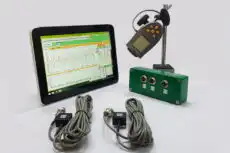
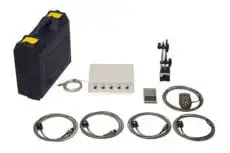
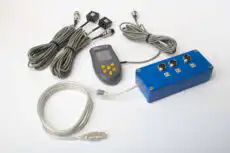
ಈ ರೀತಿಯ ಉচ್ಚ-ಫ್ರೀಕ್ವೆನ್ಸಿ ವಿದ್ಯುತ್ಚುಂಬಕೀಯ ರೋಗನಿರ್ಣಯ ಇಂಡಕ್ಷನ್-ಮೋಟರ್ ಆರೋಗ್ಯ ಮೂಲ್ಯಮಾಪನದ ಅರ್ಧೇಕ; ಇತರ ಅರ್ಧೇಕ ಯಾಂತ್ರಿಕತೆಯ ಕಡಿಮೆ-ಫ್ರೀಕ್ವೆನ್ಸಿ ಜಗತ್ತು unbalance and misalignment. Balanset ನಂತಹ ಪೋರ್ಟೆಬಲ್ ಎರಡು-ಚಾನಲ್ ಯಂತ್ರ ಬ್ಯಾಲೆನ್ಸೆಟ್-1ಎ ಆ ಯಾಂತ್ರಿಕ ಬದಿಯನ್ನು ಆವರಿಸುತ್ತದೆ, ರೋಟರ್ ಅನ್ನು ಅದರ ಸ್ವಂತ ಬೇರಿಂಗ್ಗಳಲ್ಲಿ ಸಮತೋಲಿತ ಮಾಡಲು ಮತ್ತು ಫಲಿತಾಂಶವನ್ನು ಪರಿಶೀಲಿಸಲು ಅಗತ್ಯವಾದ 1× ವೈಶಾಲ್ಯ ಮತ್ತು ಹಂತವನ್ನು ಸೆರೆ ಹಿಡಿಯುತ್ತದೆ — ಇಲ್ಲಿ ವರ್ಣಿಸಿದ ಸ್ಪೆಕ್ಟ್ರಲ್ ಮೋಟರ್ ಪರಿಶೀಲನೆಗಳಿಗೆ ಒಂದು ನೈಸರ್ಗಿಕ ಪೂರಕ.
ಮೋಟರ್ ಬಾರ್ ಪಾಸ್ ಫ್ರೀಕ್ವೆನ್ಸಿ, ಬೇರಿಂಗ್ ಫ್ರೀಕ್ವೆನ್ಸಿ ಅಥವಾ ಭಗ್ನ-ಬಾರ್ ಸಿಗ್ನೆಚರ್ಗಳಿಗಿಂತ ಕಡಿಮೆ ನೈಮಿತ್ತಿಕವಾಗಿ ವೀಕ್ಷಿಸಲ್ಪಟ್ಟರೂ, ಏರ್-ಗ್ಯಾಪ್ ಏಕರೂಪತೆ ಮತ್ತು ರೋಟರ್-ಸ್ಟೇಟರ್ ಏಕಾಕೇಂದ್ರತೆಯ ಬಗ್ಗೆ ನಿಜವಾದ ರೋಗನಿರ್ಣಯ ಮೌಲ್ಯವನ್ನು ಹೊಂದಿದೆ. ಅದನ್ನು ಹೇಗೆ ಲೆಕ್ಕ ಹಾಕಬೇಕೆ ಮತ್ತು ಸ್ಪೆಕ್ಟ್ರಮ್ನಲ್ಲಿ ಅದನ್ನು ಗುರುತಿಸುವುದು ತಿಳಿದುಕೊಳ್ಳುವುದು ಸ್ಕ್ವಿರೆಲ್-ಕೇಜ್ ಇಂಡಕ್ಷನ್ ಮೋಟರ್ಗಳ ಸ್ಥಿತಿ ಮೂಲ್ಯಮಾಪನಕ್ಕಾಗಿ ರೋಗನಿರ್ಣಯ ಚಿತ್ರವನ್ನು ಸಂಪೂರ್ಣ ಮಾಡುತ್ತದೆ.

