ವೇರಿಯೇಬಲ್-ಸ್ಪೀಡ್ ಯಂತ್ರಗಳಿಗಾಗಿ ಆರ್ಡರ್ ವಿಶ್ಲೇಷಣೆ ತಿಳಿದುಕೊಳ್ಳುವುದು

ಆರ್ಡರ್ ವಿಶ್ಲೇಷಣೆ ಒಂದು ವಿಶೇಷೀಕೃತ vibration analysis ಒಂದೇ, ಸ್ಥಿರ ವೇಗದಲ್ಲಿ ಚಲಾಯಿಸಲಾಗದ ಯಂತ್ರಗಳಿಗಾಗಿ ನಿರ್ಮಿತ ವಿಧಾನ. Hz ಅಥವಾ CPM ನಲ್ಲಿ ನಿಯಮಿತ ಆವರ್ತನ ಅಕ್ಷದ ವಿರುದ್ಧ ವೈಪ್ರಲಿ ಕಂಪಿಸುವುದರ ಬದಲು, ಇದು ವೈಪ್ರಲಿ ಕಂಪಿಸುವುದನ್ನು ಪ್ರದರ್ಶಿಸುತ್ತದೆ ಆರ್ಡರ್ಗಳು — ಶಾಫ್ಟ್ನ ತತ್ಕ್ಷಣಿಕ running speed. 1ನೇ ಆರ್ಡರ್ ಎಂದರೆ ಅತ್ಯಂತ 1× (ಚಾಲನಾ ವೇಗ)ದಲ್ಲಿನ ಕಂಪನ, 2ನೇ ಆರ್ಡರ್ ಎಂದರೆ ಆ ವೇಗದ 2× ಮತ್ತು ಹೀಗೆ ಮುಂದುವರೆಯುತ್ತದೆ. ಗಡಿಯಾರಕ್ಕೆ ಬದಲಾಗಿ ಶಾಫ್ಟ್ಗೆ ವಿಶ್ಲೇಷಣೆಯನ್ನು ಬಂಧಿಸುವ ಮೂಲಕ, ಯಂತ್ರ ವೇಗವರ್ಧನೆ ಅಥವಾ ನಿಧಾನ ಆದ ಪರಿಸ್ಥಿತಿಯಲ್ಲಿ ಸಹ ಆರ್ಡರ್ ವಿಶ್ಲೇಷಣೆ ವೇಗ-ಸಂಬಂಧಿತ ಅಂಶಗಳನ್ನು ಸ್ಪಷ್ಟವಾಗಿ ಉಳಿಸಿಕೊಳ್ಳುತ್ತದೆ.
1. ವ್ಯಾಖ್ಯಾನ: ಆರ್ಡರ್ ಎಂದರೇನು?
ಒಂದು ಆರ್ಡರ್ ಮೂಲ ತಿರುಗುವಿಕೆಯ ವೇಗದ ಹಾರ್ಮೋನಿಕ್. ಯಂತ್ರ ದೋಷಗಳು ಅನೇಕವು ಸೂಚಕ ಆವರ್ತನಗಳನ್ನು ಉತ್ತೇಜಿತ ಮಾಡುವುದರಿಂದ ಶಾಫ್ಟ್ ವೇಗದ ಪೂರ್ಣಾಂಕ ಬಹುಸಾಂಕೇತಿಕ, ಆರ್ಡರ್ಗಳಲ್ಲಿ ಸ್ಪೆಕ್ಟ್ರಮ್ ಪ್ರದರ್ಶಿಸುವುದು ಪ್ರತಿಟಿ ಗೋಚರ ಸಾಧಾರಣ ಕಾರಣವನ್ನು ಮ್ಯಾಪ್ ಮಾಡುತ್ತದೆ. 1ಀ ಆರ್ಡರ್ ಬಹುತೇಕ ಎಂದಿಗೂ ಕೇವಲ ನಿಬದ್ಧವಾಗಿರುತ್ತದೆ unbalance; 2ಿ ಆರ್ಡರ್ ಒಂದು ಸಾಂಪ್ರದಾಯಿಕ ಲಕ್ಷಣ misalignment ಮತ್ತು ಕೆಲವು ಕಳ್ಳತನ ಷರತ್ತುಗಳು; ಉಚ್ಚ ಪೂರ್ಣಾಂಕ ಆರ್ಡರ್ಗಳು ಗಿಯರ್ ಮೆಶ್, ವೇನ್ ಅಥವಾ ಬ್ಲೇಡ್-ಪಾಸ್ ರೋಟರ್ನಲ್ಲಿನ ಅಂಶಗಳ ಸಂಖ್ಯೆಗೆ ಸಂಪ್ರದಾಯಿತ ಘಟನೆಗಳು. ಪೂರ್ಣಾಂಕವಲ್ಲದ (ಭಿನ್ನರಾಶಿ) ಆರ್ಡರ್ಗಳು ಧ್ವನಿ ಚರ್ಮ ಅಥವಾ ಬೆಲ್ಟ್ ದೋಷಗಳಂತಹ ಸಬ್-ಸಿಂಕ್ರೋನಸ್ ಸಿರುಗುರುಹಿನೊಂದಿಗೆ ಪರಿಭ್ರಮಿಸುವ ರೋಟರ್ನ ಮಮೊಯೊಕ್ಷ-ರೇಖಾ ದ್ವಿತೀಯ ಫಲಿತಾಂಶವು ಆರ್ಡರ್ ಅಕ್ಷ.
2. ವೇರಿಯೇಬಲ್-ಸ್ಪೀಡ್ ಯಂತ್ರಗಳ ಮೇಲೆ ಪ್ರಮಾಣಿತ FFT ಏಕೆ ವಿಫಲಗೊಳ್ಳುತ್ತದೆ
ಸಾಂಪ್ರದಾಯಿಕ ಫಾಸ್ಟ ಫೋರಿಯರ್ ರೂಪಾಂತರ (FFT) ಸ್ಥಿರ ಸಮಯದ ಮಧ್ಯಂತರದಲ್ಲಿ ಕಂಪನ ಮಾದರಿಗಳು ಸಮಯ ಮತ್ತು ಆ ಮಧ್ಯಂತರದಲ್ಲಿ ವೇಗವು ಸ್ಥಿರವಾಗಿದೆ ಎಂದು ಭಾವಿಸುತ್ತದೆ. ಸ್ಥಿರ ವೇಗದ ಯಂತ್ರದಲ್ಲಿ ಇದು ನಿಖುಂಟವಾಗಿದೆ. ಆದರೆ ಡೇಟಾ ಸಂಗ್ರಹಣೆಯ ಸಮಯದಲ್ಲಿ ಶಾಫ್ಟ್ ವೇಗ ಹೆಚ್ಚಾಗುತ್ತದೆ ಅಥವಾ ಕಡಿಮೆಯಾಗುತ್ತದೆ, ಪ್ರತಿ ವೇಗ-ಸಂಬಂಧಿತ ಘಟಕವು ಕ್ಯಾಪ್ಚರ್ ಸಮಯದಲ್ಲಿ ಸ್ಪೆಕ್ಟ್ರಮ್ ಅಡುಗೆ ಸರಿಯುತ್ತದೆ. ಅದರ ಶಕ್ತಿ ಅನೇಕ ಪಕ್ಕದ ಆವೃತ್ತಿ ಬಿನ್ಗಳಲ್ಲಿ ಹರಡಿಕೊಳ್ಳುತ್ತದೆ, ಸ್ವಚ್ಛ ರೇಖೆಯ ಬದಲಾಗಿ ವಿಸ್ತೃತ, ಕಡಿಮೆ, ಅಸ್ಪಷ್ಟ ಉಬ್ಬನ್ನು ಉಂಟುಮಾಡುತ್ತದೆ. 1× ಅಸಮತೋಲನ ಶಿಖರವು ಸ್ಪೆಕ್ಟ್ರಮ್ ಅನ್ನು ಕೆಳಮುಖವಾಗಿ ತುರುಪುಗೊಳ್ಳಬೇಕು ಆದರೆ ಶಬ್ದಕ್ಕೆ ಚಪ್ಪಟೆಯಾಗುತ್ತದೆ — ನಿಖುಂಟವಾಗಿ ಓದಲು ಅಸಾಧ್ಯ ಮತ್ತು ಪ್ರವೃತ್ತಿಯಲ್ಲಿರುವಗೆ ನಿರುಪಯೋಗಿ. ಈ ಹರಡುವಿಕೆಯು ಅದೇ ಕಾರ್ಯವಿಧಾನದ ಹಿಂದೆ ಇದೆ ಸ್ಪೆಕ್ಟ್ರಲ್ ಸೋರುವಿಕೆ, ಬದಲಾಗುವ RPM ನಿಂದ ವರ್ಧಿತ. ಆದೇಶ ವಿಶ್ಲೇಷಣೆಯನ್ನು ನಿರ್ದಿಷ್ಟವಾಗಿ ಅದನ್ನು ಸೋಲಿಸಲು ಅಭಿವೃದ್ಧಿ ಮಾಡಲಾಯಿತು.
3. ಪರಿಹಾರ: ಆದೇಶ ಟ್ರ್ಯಾಕಿಂಗ್
ಸಕ್ಷಮ ತಂತ್ರವು ಆರ್ಡರ್ ಟ್ರ್ಯಾಕಿಂಗ್, ಮತ್ತು ಇದು ಎರಡನೇ ಇನ್ಪುಟ್ ಅನ್ನು ಅವಲಂಬಿಸಿದೆ: ಎ tachometer (ಅಥವಾ “ಟ್ಯಾಚೋ”) ಶಾಫ್ಟ್ ಇಂದ ಒಂದು ಸ್ಪಂದನ-ಪ್ರತಿ-ಸ್ಪಂದನ ಪ್ರೇಷಣೆ ನಿರ್ವಹಿಸುವುದು. ವಿಶ್ಲೇಷಕ ಈ ಪ್ರೇಷಣ ರೈತ್ರೈನ್ — ಅದರ ಅಂತರ್ನಿರ್ಮಿತ ಸ್ಫಟಿಕ ಗಡಿಯಾರ ಅಲ್ಲ — ಸಮಯ ನೆಲೆಯಾಗಿ ನಿರ್ವಹಿಸುತ್ತದೆ. ನಿರ್ದಿಷ್ಟ ಸಮಯ ವಿರಾಮದಲ್ಲಿ ಮಾದರಿ ಬದಲಾಗಿ (ಉದಾಹರಣೆಗೆ, ಪ್ರತಿ ಮಿಲಿಸೆಕೆಂಡ್), ಅದು ನಿರ್ದಿಷ್ಟ ಕೋಣೀಯ ವಿರಾಮಗಳು (ಉದಾಹರಣೆಗೆ, ತಿರುಗುವಿಕೆಯ ಪ್ರತಿ ಡಿಗ್ರಿ). ಇದನ್ನು ಕರೆಯಲಾಗುತ್ತದೆ ಕೋನ ಡೊಮೇನ್ನಲ್ಲಿ ಪುನರ್ಮಾದರಿ ಮಾಡುವುದು.
ಎರಡು ವಿಧಾನಗಳು ಸಾಮಾನ್ಯವಾಗಿದೆ. ಹಾರ್ಡ್ವೇರ್ (ಸಿಂಕ್ರೋನಸ್) ಮಾದರಿ ತಯಾರಿ ಟ್ಯಾಚೋ ಪ್ರೇಷಣದ ಹಂತ-ಲಾಕ್ ಮಲ್ಟಿಪಲ್ ನಿಂದ ಸರಳ-ಅನುಪಸ್ಥ ಪರಿವರ್ತಕವನ್ನು ನೇರವಾಗಿ ಚಾಲಿತ ಮಾಡುತ್ತದೆ, ಆದ್ದರಿಂದ ಪ್ರತಿ ಸ್ಪಂದನ ಯಾವಾಗಲೂ ಮಾದರಿಗಳ ಅದೇ ಸಂಖ್ಯೆಯನ್ನು ನೀಡುತ್ತದೆ. ಗಣಿತ (ಸಾಫ್ಟ್ವೇರ್) ಆದೇಶ ಟ್ರ್ಯಾಕಿಂಗ್ ಉচ್ಚ ನಿರ್ದಿಷ್ಟ ಪ್ರಮಾಣದಲ್ಲಿ ಮಾದರಿ ತಯಾರಿ, ನಂತರ ಡಿಜಿಟಲ್ ಮಾಧ್ಯಮದೊಂದಿಗೆ ದಾಖಲೆಯನ್ನು ಸಮಾನ-ಕೋನ ಹಂತಗಳಿಗೆ ರೆ-ಇಂಟರ್ಪೋಲೇಟ್ ಮಾಡುತ್ತದೆ ಧಾರಣ ಟ್ಯಾಚೋ ಸಮಯವನ್ನು ಆಧರಿಸಿ. ಎರಡೂ ರೀತಿಯಲ್ಲಿ, ಫಲಿತ ರೂಪಾಂತರವು ಆದೇಶಗಳಲ್ಲಿ ವ್ಯಕ್ತಪಡಿಸಲಾಗುತ್ತದೆ, Hz ಅಲ್ಲ. ಯಂತ್ರವು ವೇಗ ಬದಲಾಗಿದರೆ, 1× ರೇಖೆ 1 ನೇ-ಆದೇಶ ಬಿನ್ನಲ್ಲಿ ಉಳಿಯುತ್ತದೆ ಎತ್ತರದ, ಕಿರಿದಾದ ಶಿಖರ ಆಗಿ — ಸ್ಮೀರ್ ಆಗಿ ಕಾಣೆಯಾಗುತ್ತದೆ. ಟ್ಯಾಚೋ ಸಹ ಸರಬರಾಜು ಮಾಡುತ್ತದೆ ಎ phase ಉಲ್ಲೇಖ, ಇದು ವಿಶ್ಲೇಷಕನನ್ನು ನಿರ್ಮಿಸಲು ಬಿಡುತ್ತದೆ Bode and ನೈಕ್ವಿಸ್ಟ್ ರನ್-ಅಪ್ ಸಮಯದಲ್ಲಿ ಮೇಣದಬತ್ತಿಗಳನ್ನು.
ಪ್ರಮುಖ ಆಲೋಚನೆ: ಆದೇಶ ವಿಶ್ಲೇಷಣೆಯು ಡೇಟಾ ಸ್ವಾಧೀನತೆಯನ್ನು ಶಾಫ್ಟ್ ಕೋಣ ಬದಲು ಸಮಯ, ಆದ್ದರಿಂದ ವೇಗ-ಸಿಂಕ್ರೋನಸ್ ಕಂಪನ ಪ್ರತಿ RPM ನಲ್ಲಿ ತೀಕ್ಷ್ಣವಾಗಿ ಉಳಿಯುತ್ತದೆ.
4. ಮುಖ್ಯ ಅನ್ವಯಗಳು
ಆರ್ಡರ್ ವಿಶ್ಲೇಷಣೆಯು ಅಗತ್ಯವೀ ವೇಗ ಸ್ಥಿರವಾಗಿ ಇಲ್ಲದಿರುವ ಎಲ್ಲೆಡೆ:
- ವಾಹನ ಮತ್ತು ಇಂಜಿನ್ ಪರೀಕ್ಷೆ: ಸಂಪೂರ್ಣ RPM ವ್ಯಾಪ್ತಿಯಾದ್ಯಂತ ಇಂಜಿನ್, ಸಂಚರಣ ಮತ್ತು ಚಾಲನಾ ರೇಖೆಯ ಕಂಪನ ಪರಿಹರಿಸುವುದು.
- ಗಾಳಿ ಟರ್ಬೈನ್ಗಳು: ರೋಟರ್ ವೇಗವು ಪವನ ನಿರಂತರವಾಗಿ ಟ್ರ್যಾಕ್ ಮಾಡುತ್ತದೆ, ಆದ್ದರಿಂದ ಸ್ಥಿರ-ಆವೃತ್ತಿ ದೃಷ್ಟಿಕೋನ ಅರ್ಥರಹಿತ — ಆರ್ಡರ್ ವಿಶ್ಲೇಷಣೆ ಅಗತ್ಯವಾಗಿದೆ.
- ರನ್-ಅಪ್ ಮತ್ತು ಕೋಸ್ಟ್-ಡೌನ್ ವಿಶ್ಲೇಷಣೆ: ಯಂತ್ರ ಪ್ರಾರಂಭವಾದಾಗ ಅಥವಾ ನಿಲ್ಲಿಸುತ್ತದೆ ಎಂದು ಕಂಪನವನ್ನು ಸಂಗ್ರಹಿಸುವುದು ಸ್ಥಾನವನ್ನು ಕಂಡುಹಿಡಿಯುವ ಶಕ್ತಿಶಾಲಿ ಮಾರ್ಗವಾಗಿದೆ ನಿರ್ಣಾಯಕ ವೇಗ and ಅನುರಣನಗಳು; ಆರ್ಡರ್ ಟ್ರ್ಯಾಕಿಂಗ್ ಫಲಿತಾಂಶವನ್ನು ಕಾಪಿ ಕಾಯ್ದಿರಿಸುತ್ತದೆ ಕೋಸ್ಟ್-ಡೌನ್ ಪ್ರಕಾರಗಳು ಸ್ವಚ್ಛ ಮತ್ತು ಓದಬಹುದಾದ.
- ಪರಸ್ಪರ ಯಂತ್ರ: ಸಂಕೋಚಕ ಮತ್ತು ಇಂಜಿನ್ ಅವರ ತತ್ಕ್ಷಣಿಕ ವೇಗ ಪ್ರತಿ ಚಕ್ರದಲ್ಲಿ ಏರುಳಿಯುತ್ತದೆ.
- ಭಾರೀ ಮತ್ತು ಚಲನಶೀಲ ಯಂತ್ರ: ಭೂ-ಚಲನಶೀಲ ಉಪಕರಣ, ಗಣಿ ವಾಹನ ಮತ್ತು ಇತರ ವೇರಿಯಬಲ್-ವೇಗ ಚಾಲನೆಗಳು.
5. ಆರ್ಡರ್ ವಿಶ್ಲೇಷಣೆ ಡೇಟಾ ಕೆಳಗೆ ಪ್ರದರ್ಶಿತವಾಗಿದೆ
ಫಲಿತಾಂಶಗಳನ್ನು ಹಲವಾರು ಪೂರಕ ರೂಪಗಳಲ್ಲಿ ವೀಕ್ಷಿಸಲಾಗುತ್ತದೆ:
- ಆರ್ಡರ್ ಸ್ಪೆಕ್ಟ್ರಾ: ಆಯಾಮ ವರ್ಸಸ್ ಆರ್ಡರ್ಗಳು — ಪ್ರಮಾಣಿತ FFT ನಂತೆ, ಆದರೆ x-ಅಕ್ಷದಲ್ಲಿ ಆರ್ಡರ್ಗಳೊಂದಿಗೆ.
- ವಾಟರ್ಫಾಲ್ ಅಥವಾ ಕ್ಯಾಸ್ಕೇಡ್ ಪ್ಲಾಟ್: ಆರ್ಡರ್ ಸ್ಪೆಕ್ಟ್ರಾದ ಜೋಡಣೆಯ 3-D ಸೆಟ್ ಪ್ರತಿಯೊಂದು ಆರ್ಡರ್ನ ವೈಶಾಲ್ಯ ವೇಗ ಬದಲಾದಂತೆ ಹೇಗೆ ವಿಕಸನಗೊಳ್ಳುತ್ತದೆ ಎಂಬುದನ್ನು ತೋರಿಸುತ್ತದೆ.
- ಬೋಡ್ ಪ್ಲಾಟ್: ಒಂದು ಟ್ರ್ಯಾಕ್ ಮಾಡಿದ ಆರ್ಡರ್ನ (ಸಾಮಾನ್ಯವಾಗಿ 1× ಅಥವಾ 2×) ಆಂಪ್ಲಿಟ್ಯೂಡ್ ಮತ್ತು ಫೇಸ್ ಅನ್ನು ಯಂತ್ರ ವೇಗದ ವಿರುದ್ಧ ಪ್ಲಾಟ್ ಮಾಡಲಾಗಿದೆ, ರನ್-ಅಪ್/ಕೋಸ್ಟ್-ಡೌನ್ ಪರೀಕ್ಷೆಯ ಮೂಲಾಧಾರ.
- ಕ್ಯಾಂಪ್ಬೆಲ್ ರೇಖಾಚಿತ್ರ: ಆರ್ಡರ್ ಸರಿಗೆ ವ್ಯವಸ್ಥೆಯ ನೈಸರ್ಗಿಕ ಆವೃತ್ತಿಗಳ ಮೇಲೆ ಅಂಗೀಕಾರ, ಆದ್ದರಿಂದ ಒಂದು ಅನುರಣನವು ಎಲ್ಲಿ ಆರ್ಡರ್ ಲೈನ್ ನೈಸರ್ಗಿಕ-ಆವೃತ್ತಿ ಲೈನ್ ಅನ್ನು ದಾಟಿದೆ ಎಂಬುದನ್ನು ತೋರುತ್ತದೆ.
A ಟ್ರ್ಯಾಕಿಂಗ್ ಫಿಲ್ಟರ್ ಟ್ರಿಮ್ ಕೆಲಸಕ್ಕೆ ಹೆಚ್ಚಿನ ಒಂದು ಆರ್ಡರ್ ಅನ್ನು ಪ್ರಕೃತ್ಯಾಲಿಕವಾಗಿ ಪ್ರತ್ಯೇಕಿಸಬಹುದು, ಮತ್ತು ಒಂದು ಕ್ಯಾಂಪ್ಬೆಲ್ ರೇಖಾಚಿತ್ರ ಕ್ಯಾಲ್ಕುಲೇಟರ್ ಪರೀಕ್ಷೆ ಮುಂಚೂಣಿಯಲ್ಲಿ ಆ ಅಂತರಬಿಂದುಗಳು ಎಲ್ಲಿ ಸಂಭವಿಸುತ್ತವೆ ಎಂಬುದನ್ನು ಊಹೆಮಾಡಲು ಸಹಾಯ ಮಾಡುತ್ತದೆ.
6. ಪ್ರಾಯೋಗಿಕ ಕ್ಷೇತ್ರ ಕೆಲಸದಲ್ಲಿ ಆರ್ಡರ್ ವಿಶ್ಲೇಷಣೆ
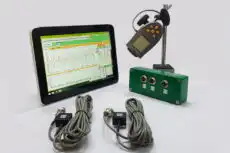
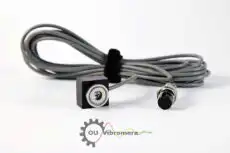
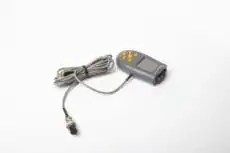
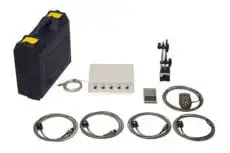
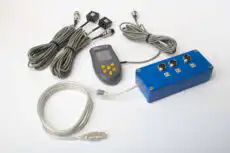
ಕಾರ್ಖಾನೆಯ ಮೇಲಿನ ಕ್ಷೇತ್ರದಲ್ಲಿ, ಆರ್ಡರ್ ವಿಶ್ಲೇಷಣೆಯು ಸ್ಥಿರವಾದ ವೇಗವನ್ನು ಹೊಂದಿಸಿಕೊಳ್ಳದ ಯಂತ್ರಗಳ ಮೇಲೆ ಸಮತೋಲನದ ಅಡಿಪಾಯ. ಪೋರ್ಟೆಬಲ್ ಎರಡು-ಚಾನೆಲ್ ಯಂತ್ರ ಅಂದರೆ ಬ್ಯಾಲೆನ್ಸೆಟ್-1ಎ ತನ್ನ ಆಪ್ಟಿಕಲ್ ಲೇಸರ್ ಟ್ಯಾಕೋಮೀಟರ್ ಅನ್ನು ಬಳಸುತ್ತದೆ ಕಂಪನ ಡೇಟಾವನ್ನು ಶಾಫ್ಟ್ ಕೋನಕ್ಕೆ ಲಾಕ್ ಮಾಡಲು, ಆದ್ದರಿಂದ ತನ್ನ 1× ಅಸಮತೋಲನ ಘಟಕವು ಅದು ಅಳೆಯುವ field balancing ಹೊಳೆಯುವಂತೆ ನಿರ್ವಹಿಸುತ್ತದೆ ಭಕ್ಷ್ಯ ಅಥವಾ ಪಂಪ್ ಅವುಗಳ RPM ಲೋಡ್ ಅಡಿಯಲ್ಲಿ ದುರ್ಬಲ ಆದಾಗ. ಅದೇ ಟ್ಯಾಕೋ-ಉಲ್ಲೇಖಿಸಿದ ಪರಿಕರ ವಿಶ್ಲೇಷಕರನ್ನು ಅನುಮತಿಸುತ್ತದೆ ವೇಗ-ಸಿಂಕ್ರೋನಸ್ 1× ಶಿಖರವನ್ನು ಆಪ್ಟಿಕಲ್-ಆವೃತ್ತಿ ಶಬ್ದದಂತೆ ಪ್ರತ್ಯೇಕಿಸಲು ಸ್ಥಾಪನೆ ನೈಮಾಷಿಕತೆ ಆವರ್ತನಗಳು, ಭಾರೀ ಸ್ಥಳದ ವಿಶ್ವಾಸಾರ್ಹ ವಾಚನೀಯತೆಯನ್ನು ನೀಡುತ್ತದೆ. ಪರಿಣಾಮದಲ್ಲಿ, ಆರ್ಡರ್ ವಿಶ್ಲೇಷಣೆಯು ವೇರಿಯೇಬಲ್-ವೇಗ ಯಂತ್ರದಿಂದ ಕಂಪನ ಡೇಟಾವನ್ನು ಇಂಜಿನಿಯರ್ ಅನ್ನು ಕಾರ್ಯ ನಿರ್ವಹಿಸಬಹುದಾದ ಯಾವುದೇ ಮೇಲಿನ ಪರಿವರ್ತಿಸುತ್ತದೆ — ವೇಗದ ವ್ಯಾಪ್ತಿಯಿಂದ ಸಿದ್ಧ ರೋಟರ್ನ ಆರೋಗ್ಯವನ್ನು ನಿಖುಂಟವಾಗಿ ರೋಗನಿರ್ಣಯ ಮಾಡುತ್ತದೆ.

