Understanding the Nyquist Plot (Polar Plot)




A ನೈಕ್ವಿಸ್ಟ್ ಪ್ಲಾಟ್ — widely called a ಪೋಲರ್ ಪ್ಲಾಟ್ in vibration work — is a graph that displays a changing vibration vector on a polar coordinate system. Unlike a ಬೋಡ್ ಪ್ಲಾಟ್, which spreads amplitude and phase across two separate Cartesian graphs, the Nyquist plot folds both into a single picture. The distance from the origin is the amplitude of the vibration, and the angle around the plot is its phase angle, so every point on the curve is one complete vibration vector.
1. Definition: Amplitude and Phase on One Diagram
The plot traces the path swept by the tip of the 1× (synchronous) vibration vector as the machine's speed changes, typically through a startup or shutdown. Speed is marked along the curve with changing colours or symbols, so the analyst can read not only the vector's magnitude and direction but also the RPM at which each point was captured.
- ದಿ distance from the origin (centre) represents the amplitude of the vibration — the further out, the larger the response.
- ದಿ angle around the plot ಇದನ್ನು ಪ್ರತಿನಿಧಿಸುತ್ತದೆ ಹಂತ ಕೋನ of the vibration relative to the tachometer ಉಲ್ಲೇಖ.
Because both axes describe a single rotating component, the Nyquist plot is read as the locus of a vector rather than as a pair of trend lines, and that compactness is exactly what makes it so revealing near a resonance.
2. Why is the Nyquist Plot Important?
The Nyquist plot gives a uniquely compact view of a machine's dynamic response. Its primary purpose, like the Bode plot, is to identify and analyse ನಿರ್ಣಾಯಕ ವೇಗ — ಇದು ಅನುರಣನಗಳು of the rotor-bearing system.
The classic indicator of a critical speed on a Nyquist plot is a ಲೂಪ್. As speed approaches a ನೈಸರ್ಗಿಕ ಆವೃತ್ತಿ, the amplitude rises and the curve moves away from the origin. As the speed passes through the critical speed, the phase undergoes a 180-degree shift, sweeping the vector tip around to form a circle or loop. The point of maximum amplitude is the top of the loop, and the critical speed itself sits at the 90-degree phase-shift point on the loop — a far more obvious landmark than the gradual phase ramp on a Bode plot.
3. ನಿಕ್ವಿಸ್ಟ ಪ್ಲಾಟ್ ವ್ಯಾಖ್ಯಾನ ಮಾಡುವುದು
ಲೂಪ್ನ ಆಕಾರ, ಗಾತ್ರ ಮತ್ತು ದಿಕ್ಕು ರೋಟರ್ನ ಆರೋಗ್ಯ ಮತ್ತು ಡೈನಾಮಿಕ್ ಗುಣಲಕ್ಷಣಗಳ ಬಗ್ಗೆ ಹೆಚ್ಚಿನ ಡಯಾಗ್ನೋಸ್ಟಿಕ್ ಮಾಹಿತಿಯನ್ನು ಹೊಂದಿರುತ್ತವೆ.
- ಡ್ಯಾಂಪಿಂಗ್: ಲೂಪ್ನ ವ್ಯಾಸವು ಸಿಸ್ಟಮ್ಗೆ ವಿಲೋಮ ಸಂಬಂಧವನ್ನು ಹೊಂದಿದೆ damping. ದೊಡ್ಡ, ಸುವ್ಯವಸ್ಥಿತ ವೃತ್ತವು ಕಡಿಮೆ ಡ್ಯಾಂಪಿಂಗ್ ಮತ್ತು ಹೆಚ್ಚಿನ ವರ್ಧನ ಸೂಚಿಸುತ್ತದೆ; ಚಿಕ್ಕ, ಸಾಂದ್ರ ಲೂಪ್ ಸುಸ್ಥಿರವಾಗಿ ತೃಪ್ತಿ ಪಡೆದ ಸಿಸ್ಟಮ್ ಸೂಚಿಸುತ್ತದೆ.
- ಅನಿಸೋಟ್ರೋಪಿ (ಬಿಭಕ್ತ ವಿಮೋಚನ ಬಿಂದುಗಳು): ರೋಟರ್ ಸಿಸ್ಟಮ್ ಸಮ್ಮುಖ ಮತ್ತು ಲಂಬ ದಿಕ್ಕುಗಳಲ್ಲಿ ವಿಭಿನ್ನ ಕಠಿಣತೆಯನ್ನು ಹೊಂದಿದ್ದರೆ, ಪ್ಲಾಟ್ ಎರಡು ವಿಭಿನ್ನ, ಅತಿಕ್ರಮಿಸುವ ಲೂಪ್ಗಳನ್ನು ತೋರಿಸಬಹುದು — ದಿಕ್ಕಿನ ಕಾರಣದಿಂದ ಉಂಟಾದ ಸ್ಪಷ್ಟವಾದ "ವಿಭಕ್ತ ವಿಮೋಚನ ಬಿಂದು" ಕಠಿಣತೆ.
- ಭಾರೀ-ಸ್ಪಾಟ್ ಸ್ಥಳ: ಲೂಪ್ನ ದಿಕ್ಕು ರೋಟರ್ನ ಭಾರೀ ಸ್ಪಾಟ್ ಸ್ಥಾನ ಗುರುತಿಸಲು ಸಹಾಯ ಮಾಡುತ್ತದೆ — unbalance — ಶಾಫ್ಟ್ನಲ್ಲಿ ಹಂತದ ಉಲ್ಲೇಖ ಗುರುತಿಗೆ ಸಮ್ಮುಖವಾಗಿ, ಇದು ಯಾವುದು ತಿದ್ದುಪಡಿ ತೂಕ ಹೋಗಬೇಕು.
- ವ್ಯವಸ್ಥೆಯ ಬದಲಾವಣೆಗಳು: ಕಾಲಕ್ರಮದಲ್ಲಿ ನಿಕ್ವಿಸ್ಟ ಪ್ಲಾಟ್ಗಳನ್ನು ಹೋಲಿಕೆ ಮಾಡುವುದು ಯಂತ್ರ ಸ್ಥಿತಿಯಲ್ಲಿನ ಪರಿವರ್ತನೆಯನ್ನು ಬಹಿರಂಗ ಮಾಡುತ್ತದೆ. ಲೂಪ್ ಗಾತ್ರ ಅಥವಾ ರೂಪದಲ್ಲಿನ ಪರಿವರ್ತನೆ ಡ್ಯಾಂಪಿಂಗ್ ಅಥವಾ ಕಠಿಣತೆಯಲ್ಲಿನ ಪರಿವರ್ತನೆಯನ್ನು ಸಂಕೇತ ಮಾಡುತ್ತದೆ, ಇದು ಬಿರುಕುಬಿದ್ದ ರೋಟರ್, ಸಡಿಲವಾದ ಅಡಿಪಾಯ, ಅಥವಾ ವಿಕಸನಶೀಲ ಬೇರಿಂಗ್ ಗುಣಲಕ್ಷಣಗಳು.
- Balancing: ಪ್ಲಾಟ್ ಅನ್ನು ಸುಧಾರಿತ ಫ್ಲೆಕ್ಸಿಬಲ್-ರೋಟರ್ ಸಮತೋಲನದಲ್ಲಿ ಬಳಸಲಾಗುತ್ತದೆ. ಲೂಪ್ ಎಲ್ಲಿಗೆ ಚಲಿಸುತ್ತದೆ ಎಂಬುದು ವೀಕ್ಷಿಸುವ ಮೂಲಕ trial weight ಸೇರಿಸಲ್ಪಟ್ಟಾಗ, ವಿಶ್ಲೇಷಕ ಪಡೆಯುತ್ತಾರೆ ಪ್ರಭಾವ ಗುಣಾಂಕಗಳು ಸಮತೋಲನ ಪರಿಹಾರ ಲೆಕ್ಕಾಚಾರ ಮಾಡಲು ಅಗತ್ಯವಾಗಿರುತ್ತದೆ.
4. ಕ್ಷೇತ್ರದಲ್ಲಿ ಡೇಟಾ ಸಂಗ್ರಹಣೆ
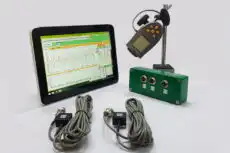
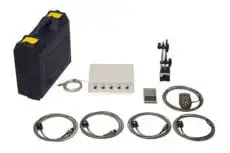
ನಿಕ್ವಿಸ್ಟ ಪ್ಲಾಟ್ ಅದರ ಹಿಂದಿನ ಸಮಕಾಲೀನ ವೈಪ್ಲಿಟ್ಯೂಡ-ಮತ್ತು-ಹಂತ ಡೇಟಾ ಮಾತ್ರ ಎಷ್ಟು ಉತ್ತಮವಾಗಿದೆ, ಮತ್ತು ಆ ಡೇಟಾ ವೇಗ ವಾಚನದಿಂದ ತೆಗೆದುಕೊಂಡ ಸ್ವಚ್ಛ ಪ್ರತಿ-ರೆವಲ್ಯೂಷನ ಹಂತದ ಉಲ್ಲೇಖ ಮೇಲೆ ಅವಲಂಬಿತವಾಗಿದೆ. ಕ್ಷೇತ್ರದಲ್ಲಿ, ಪೋರ್ಟೆಬಲ್ ಎರಡು-ಚ್ಯಾನೆಲ್ ವಿಶ್ಲೇಷಕ ಅವುದೇ ಬ್ಯಾಲೆನ್ಸೆಟ್-1ಎ ಅದರ ಆಪ್ಟಿಕಲ್-ಟ್ಯಾಕೋಮೀಟರ್ ಪಲ್ಸ್ ವಿರುದ್ಧ 1× ಪ್ರಸರ ಮತ್ತು ಹಂತವನ್ನು ಅಳೆಯುತ್ತದೆ ರನ್-ಅಪ್ ಅಥವಾ ಕೋಸ್ಟ್-ಡೌನ್, ಪೋಲಾರ್ ಪ್ಲಾಟ್ ಚಿತ್ರಿಸಿದ ವೆಕ್ಟರ್-ವರ್ಸಸ್-ವೇಗ ರೆಕಾರ್ಡ ಒದಗಿಸುವುದು. ಅದೇ ಪ್ರಸರ-ಮತ್ತು-ಹಂತ ಅಳತೆ field balancing, ಆದ್ದರಿಂದ ಒಂದು ಯಂತ್ರ ಸುರಕ್ಷೆ ಸಮೀಕರಣ ಎರಡೂ ಗುಣಲಕ್ಷಣ ಮತ್ತು ಅದನ್ನು ಪ್ರಚೋದಿಸುವ ಅಸಮತೋಲನ ಸರಿಪಡಿಸುತ್ತದೆ. ಕಾರ್ಯಾಚರಣ ಶ್ರೇಣಿಯೊಳಗೆ ಅಪ್ಲಿಕೇಶನ ಲೈನ್ ಅಸಲು ನೈಸರ್ಗಿಕ ಆವೃತ್ತಿ ಅಂತರಾಳ ಕ್ರಿಸ್ಸ್ ಪರೀಕ್ಷೆ ಮಾಡಲು, ವಿಶ್ಲೇಷಕ ಇಂಟರ್ಫರೆನ್ಸ್ ಎಸ್ಕೆಚ್ ಮಾಡಬಹುದು ಕ್ಯಾಂಪ್ಬೆಲ್ ರೇಖಾಚಿತ್ರ ಕ್ಯಾಲ್ಕುಲೇಟರ್.
5. ನಿಕ್ವಿಸ್ಟ್ ರೇಖಾಚಿತ್ರ ವಿರುದ್ಧ ಬೋಡೆ ರೇಖಾಚಿತ್ರ
ನಿಕ್ವಿಸ್ಟ್ ಮತ್ತು ಬೋಡೆ ರೇಖಾಚಿತ್ರಗಳು ಒಂದೇ ಡೇಟಾವನ್ನು ಪ್ರದರ್ಶಿಸುತ್ತವೆ — 1× ವೈಶಾಲ್ಯ ಮತ್ತು ಹಂತ ವಿರುದ್ಧ ವೇಗ — ವಿವಿಧ ಸ್ವರೂಪಗಳಲ್ಲಿ, ಮತ್ತು ಅವುಗಳ ನಡುವಿನ ಆಯ್ಕೆ ಹೆಚ್ಚಾಗಿ ವಿಶ್ಲೇಷಕ ಆದ್ಯತೆ ಮತ್ತು ಸಮರ್ಥನೀಯ ವೈಶಿಷ್ಟ್ಯವನ್ನು ಅವಲಂಬಿಸಿರುತ್ತದೆ.
- ಬೋಡ್ ಪ್ಲಾಟ್: ಪೀಕ್ ವೈಶಾಲ್ಯದ ನಿಖರವಾದ RPM ಮತ್ತು 180-ಡಿಗ್ರಿ ಹಂತ ಸ್ಥಳಾಂತರದ ನಿಖರವಾದ ಪ್ರಾರಂಭ ಮತ್ತು ಅಂತ್ಯವನ್ನು ಓದಲು ಉತ್ತಮವಾಗಿದೆ, ಏಕೆಂದರೆ ಅದರ ವೇಗ ಅಕ್ಷ ರೈಖಿಕ ಮತ್ತು ಸ್ಕೇಲ್ ಮಾಡಲು ಸುಲಭವಾಗಿದೆ.
- ನೈಕ್ವಿಸ್ಟ್ ಪ್ಲಾಟ್: ಸಂಪೂರ್ಣ ಡಿನಾಮಿಕ್ ಪ್ರತಿಕ್ರಿಯೆಯನ್ನು ಒಮ್ಮೆ ಗ್ರಹಿಸಲು ಉತ್ತಮವಾಗಿದೆ. ಇದು ಲೂಪ್ ಗಾತ್ರದ ಮೂಲಕ ಡ್ಯಾಂಪಿಂಗ್ನ ಪ್ರಮಾಣವನ್ನು ತೋರಿಸುವುದಿಂದ ಮತ್ತು ವಿಭಜಿತ ನೀರಸಕ ಪದಗಳನ್ನು ಅತಿಕ್ರಮಣಶೀಲ ಲೂಪ್ಗಳಾಗಿ ಬಹಿರಂಗಪಡಿಸುವುದರಿಂದ ಶ್ರೇಷ್ಠವಾಗಿದೆ, ಬೋಡೆ ರೇಖಾಚಿತ್ರಕ್ಕಿಂತ ಹೆಚ್ಚು ಅರ್ಥಾಲೋಕನವಾಗಿ.
ನಿಕಟವಾಗಿ ಸಂಬಂಧಿತ ಪ್ರದರ್ಶನವು ಶಾಫ್ಟ್ ಕಕ್ಷೆ, ಯಾವುದು ಏಕ ವೆಕ್ಟರ್ ವಿರುದ್ಧ ವೇಗದ ಬದಲಿಗೆ ಬೇರಿಂಗ್ ಪ್ರಾವೇಶಿಕ ಚಲನವನ್ನು ರೂಪಿಸುತ್ತದೆ. ಹೆಚ್ಚಿನ ಆಧುನಿಕ ಕಂಪನ ವಿಶ್ಲೇಷಕಗಳು ಮೂರುಯೂ ಎಳೆಯಬಹುದು, ಮತ್ತು ಅನುಭವಿ ವಿಶ್ಲೇಷಕಗಳು ಸಮಗ್ರ ಜೊತೆ ಅವುಗಳನ್ನು ಬಳಸುತ್ತಾರೆ ರೋಟರ್-ಡೈನಾಮಿಕ್ಸ್ ದೋಷನಿರ್ಣಯ.

