फिरत्या यंत्रसामग्रीमधील अनबॅलन्स समजून घेणे



असंतुलन — याच्याशी परस्पर बदलून वापरले जाणारे unbalance — ही अशी स्थिती आहे ज्यामध्ये एखाद्या rotorचे वस्तुमान केंद्र त्याच्या परिभ्रमण अक्षाशी जुळत नाही. वस्तुमान शाफ्टभोवती असमानपणे वितरित असते, त्यामुळे रोटर फिरताना हे ऑफसेट वस्तुमान एक निव्वळ केंद्रापसारक बल निर्माण करते जे रोटरला त्याच्या केंद्रापासून दूर खेचते आणि संपूर्ण मशीन हादरवते. वस्तुमान केंद्राचे भूमितीय केंद्रापासूनचे हे ऑफसेट म्हणजे रोटरचा विकेंद्रता, आणि त्यामुळे निर्माण होणारे कंपन हे असंतुलन (imbalance) हे फिरत्या यंत्रसामग्रीतील सर्वांत सामान्य दोष बनवते — आणि बहुधा हाच पहिला दोष असतो जो निदानकर्ता तपासतो.
1. व्याख्या: बल कशामुळे निर्माण होते
विचलित करणारे बल केंद्रापसारी (centrifugal) असते: F = m·r·ω², जेथे m·r हे असंतुलन आहे (विचलित वस्तुमान गुणिले त्याची त्रिज्या) आणि ω हा कोनीय वेग आहे. यातून लगेच दोन परिणाम होतात. पहिले, हे बल शाफ्टसोबत फिरते, त्यामुळे प्रत्येक फेऱ्यात एकदा ते बेअरिंगवर दाब टाकते. दुसरे, ते वेगाच्या वर्गाच्या प्रमाणात प्रमाणात वाढते — हाताने हळू फिरवल्यास ठीक वाटणारा रोटर पूर्ण RPM वर अत्यंत त्रासदायक होऊ शकतो, आणि म्हणूनच संतुलन गुणवत्ता आवश्यकता सेवा-वेग वाढल्यावर तीव्रपणे कठोर होतात. असंतुलन हे वस्तुमान गुणिले त्रिज्या असे मोजले जाते, प्रथेनुसार ग्रॅम-मिलिमीटरमध्ये (g·mm), कारण किती वस्तुमान केंद्राबाहेर आहे आणि ते अक्षापासून किती दूर आहे या दोन्ही गोष्टी बल ठरवतात.
2. असंतुलनाचे निदान: पारंपरिक स्वाक्षरी
असंतुलन ओळखणे तुलनेने सोपे असते कारण त्याची vibration स्वाक्षरी इतकी सुसंगत असते — आणि म्हणूनच ते कंपन विश्लेषण:
- Frequency: कंपन नेमके फिरण्याच्या वेगाच्या 1× वर (तो running speed). मशीनचा वेग वाढवा किंवा कमी करा, आणि शिखर (peak) अचूकपणे त्याचे अनुसरण करते.
- दिशा: ऊर्जा प्रधानतः रेडियल — क्षैतिज आणि उभे — आणि सहसा फारच कमी अक्षीय (थ्रस्ट) कंपन.
- आयाम: फिरण्याच्या वेगाच्या वर्गाच्या प्रमाणात असते, त्यामुळे वेग दुप्पट केल्यास असंतुलन बल आणि परिणामी कंपन साधारण चौपट होते.
- फेज: तो 1× phase वाचन स्थिर आणि पुनरावर्तनीय असते, आणि यामुळेच जड स्थान (heavy spot) शोधता येते.
प्रबळ 1× शिखर हे misalignment, एक वाकलेला शाफ्ट or resonance, एक सावधान विश्लेषक असंतुलन त्याच्या द्वारे पुष्टी करतो संपूर्ण पद्धत: उच्च 1×, कम harmonics, मुख्यतः रेडियल ऊर्जा, आणि स्थिर फेज यांमुळेही उद्भवू शकत असल्याने. याउलट, मोठा 2× घटक निदानाला मिसअलाइनमेंट किंवा यांत्रिक शिथिलता.
3. असंतुलनाचे तीन प्रकार
स्थिर असंतुलन
याला “बल असंतुलन (force imbalance)” असेही म्हणतात, हा सर्वांत साधा प्रकार आहे, जेथे वस्तुमान एकाच प्रतलात (plane) विचलित असते — पातळ चकतीवरील एका जड स्थानाचा विचार करा. हे “स्थिर (static)” असते कारण ते विश्रांतीच्या स्थितीतच प्रकट होते: घर्षणरहित धारेच्या कडांवर समतोल केल्यास, जड स्थान खाली लटकेपर्यंत रोटर फिरत राहतो. जड स्थानाच्या बरोबर 180° विरुद्ध एक वजन ठेवल्यास ते दुरुस्त होते, हे एकल-समतल बॅलन्सिंग.
जोडी असंतुलन
रोटरच्या विरुद्ध टोकांवर 180° अंतरावर असलेली दोन समान जड स्थाने निव्वळ बल म्हणून एकमेकांना रद्द करतात, परंतु एक कपल तयार करतात — एक झुलणारा परिबल (rocking moment) जो रोटरला टोकाकडून टोकाकडे पिरगाळतो. असा रोटर स्थिरपणे समतोल असतो (तो धारेच्या कडांवर फिरणार नाही) तरीही चालू असताना तीव्रपणे कंपन करतो, आणि हे परिबल रद्द करण्यासाठी दोन वेगवेगळ्या प्रतलांमध्ये दोन दुरुस्ती वजने लागतात.
गतिशील असंतुलन
जवळजवळ सर्व प्रत्यक्ष यंत्रसामग्रीत आढळणारी स्थिती म्हणजे डायनॅमिक असंतुलन, जे स्थिर आणि युग्म (couple) परिणाम एकत्र करते. ते दुरुस्त करण्यासाठी रोटरच्या बाजूने किमान दोन प्रतलांमध्ये वस्तुमान बदल आवश्यक असतात — गतिशील (द्वि-समतल) संतुलन. जेथे स्थिर आणि युग्म घटक कोनीयदृष्ट्या जुळतात, त्या विशेष प्रकरणाला अर्ध-स्थिर असंतुलन.
4. सामान्य कारणे
असंतुलन निर्मितीपासूनच असू शकते किंवा कार्यादरम्यान विकसित होऊ शकते. वारंवार आढळणाऱ्या कारणांमध्ये हे समाविष्ट आहे:
- उत्पादन अपूर्णता: कास्टिंगमधील सच्छिद्रता, असमान सामग्री घनता आणि मशीनिंग सहनशीलता.
- असेंबली त्रुटी: गलत प्रकारे स्थापित घटक, असमानतेने घट्ट केलेले बोल्ट किंवा गलत संरेखित की.
- झीज आणि क्षय: असमान क्षय, गंज or झीज पंख्याच्या पात्यांवर आणि पंप इम्पेलर्स.
- सामग्री साचणे: पंखे, ब्लोअर आणि सेंट्रिफ्यूजच्या रोटरवर साचणारी धूळ, माती किंवा उत्पादन.
- घटक निकामी होणे: फेकलेले संतुलन वजन किंवा तुटलेली ब्लेड तात्काळ तीव्र असंतुलन निर्माण करते।
5. असंतुलन दुरुस्त करणे का अत्यावश्यक आहे
लक्षणीय असंतुलनासह मशीन सतत चालू ठेवल्याने त्याला हळूहळू हानी होते, कारण चक्रीय बल प्रत्येक फेऱ्याला संरचनेवर भार टाकते:
- बेअरिंगचे अकाली निकामी होणे: बेअरिंगवर उच्च गतिशील भार येतो आणि ते लवकर झिजतात.
- थकवा आणि भेगा पडणे: पुनरावृत्त ताण जमा होते थकवा शाफ्ट, पाया आणि आजूबाजूच्या भागांमध्ये हानी.
- घटलेली कार्यक्षमता: उपयुक्त आउटपुटऐवजी ऊर्जा कंपन आणि उष्णतेच्या स्वरूपात वाया जाते.
- सुरक्षा धोके: अतिरेकी प्रकरणात, तीव्र असंतुलन विनाशकारी निकामीतेस कारणीभूत ठरू शकते.
6. प्रत्यक्ष स्थळावर असंतुलन दुरुस्त करणे
असंतुलन एका पद्धतशीर balancing प्रक्रियेद्वारे दूर केले जाते — यंत्रसामग्रीची विश्वासार्हता सुधारण्यासाठीच्या सर्वात प्रभावी एकल पायऱ्यांपैकी एक. उद्दिष्ट शून्य असंतुलन नसून, सहनशीलतेच्या मर्यादेत असलेले एक लहान, निश्चित अवशिष्ट असंतुलन असते. मान्य मर्यादा यापासून येतात G-ग्रेड यंत्रणेची प्रणाली ISO 21940-11 (ज्याने जुन्या ISO 1940-1 ला सामावून घेतले); त्यानंतर परिणामी कंपनाचे मूल्यमापन यामधील तीव्रता मर्यादांच्या तुलनेत केले जाते ISO 20816 (ISO 10816 चा आधुनिक उत्तराधिकारी). एक मोफत अवशिष्ट असंतुलन कॅल्क्युलेटर (ISO 21940-11) निवडलेला ग्रेड आणि कार्यगती प्रति प्लेन अनुज्ञेय g·mm मध्ये रूपांतरित करते.
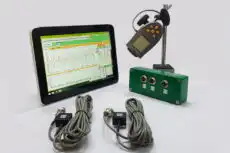
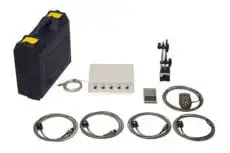
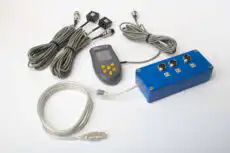
जुळवलेल्या मशीनवर हे काम यावर न करता प्रत्यक्ष स्थळावर केले जाते संतुलन यंत्र. यासारखे पोर्टेबल दोन-चॅनेल विश्लेषक Balanset-1A 1× आयाम आणि फेज मोजते, रोटरचे’चे इन्फ्लुअन्स कोइफिशंट्स पासून trial weightकाढते, आणि प्रत्येकाचे वस्तुमान व कोन गणते दुरुस्ती वजन एकल- किंवा दोन-प्लेन साठी क्षेत्र संतुलन. ते मशीनच्या’च्या स्वतःच्या बेअरिंगमध्ये चालू गतीला काम करत असल्यामुळे, ते असंतुलन दुरुस्त करते आणि अवशिष्ट निवडलेल्या ISO ग्रेडमध्ये असल्याचे सत्यापित करते.

