Kugundua Hitilafu za Umeme katika Motors za AC kwa Uchambuzi wa Mtetemo


Hitilafu za umeme katika motors za induction za AC ni kasoro katika mzunguko wa sumaku — stator, rotor, au pengo la hewa kati yao — ambazo zinajidhihirisha kupitia mtetemo. Ingawa vibration analysis mara nyingi huhusishwa na matatizo ya kimwili kama vile unbalance and matatizo ya bearing, pia ni njia yenye nguvu ya kutafuta matatizo ya umeme. Hitilafu za umeme huzalisha nguvu za sumaku zinazopiga kwamba zinafanya stator na rotor kutetemeka; mitetemo hiyo husafiri kupitia fremu ya motor na hupokelewa kwa urahisi na accelerometer. Ustadi uko katika kutambua mifumo inayohusiana na mzunguko wa usambazaji wa umeme na idadi ya nguzo za motor.
1. Utangulizi: Hitilafu za Umeme kama Chanzo cha Mtetemo
Ufunguo wa kugundua hitilafu za umeme ni kutafuta vilele maalum katika masafa yanayohusiana na mzunguko wa laini ya umeme — 50 Hz au 60 Hz kulingana na eneo — na idadi ya nguzo katika motor. Kwa sababu nguvu hizi ni za sumaku badala ya mitambo tu, dalili mbili zinazitofautisha na hitilafu za kawaida za mitambo: masafa yao yanafungwa na usambazaji badala ya kasi ya mhimili, na nyingi zao hubadilika kulingana na mzigo wa motor. Jaribio la kawaida la uchunguzi ni kupunguza mzigo huku ukifuatilia wigo; kilele kinachopotea mzigo unapoondolewa karibu hakika kinatokana na umeme. Ufahamu wazi wa frequency ya umeme and of motor slip unategemea kila uchunguzi hapa chini.
2. Hitilafu za Steta
Stator problems — loose iron, coil looseness, or shorted laminations — can make the stator eccentric or distorted, producing an uneven magnetic field around the bore. The result is typically a magnetic force that pulses at twice the line frequency.
- Alama ya mtetemo: the most common indicator is an elevated peak at 2× the line frequency (2×FL). For a 60 Hz motor this is 120 Hz (7200 CPM); for a 50 Hz motor it is 100 Hz (6000 CPM). Note that a 2×FL peak is not unique to stator faults — supply-voltage imbalance, air-gap eccentricity and frame resonance can raise it too.
- Characteristics: the 2×FL peak is usually steadier and less load-sensitive than rotor-bar signatures, but it is not guaranteed to be constant — confirm the diagnosis with phase-current checks and by comparing loaded and unloaded spectra. The vibration is often highest in the direction of the stator mounting feet, where the frame is stiffest against the pulsating pull. Stator defects zinaweza kuchanganywa kwa urahisi na looseness kwa 2× kasi ya mwendo, kwa hivyo jaribio la mzigo na usomaji sahihi wa mzunguko ni muhimu.
3. Hitilafu za Rota (Vibaa vya Rota Vilivyovunjika)
Vibaa vya rota vilivyopasuka au kuvunjika ni tatizo la kawaida la kushindwa katika motor za induction za AC. Kibaa kinapovunjika, kinasimama mtiririko wa umeme kwenye ngome ya rota, na kusababisha joto la ndani na torque inayopiga inayobadilisha mtetemo wa kasi ya mwendo.
- Alama ya mtetemo: dalili ya kawaida ya palibu za rotor zilizokamatwa is mzunguko wa kupita kwa nguzo (FP) sidebands straddling the kasi ya kazi (1×) peak and its harmonics.
- Mzunguko wa kupita kwa nguzo (FP): kasi ambayo rota inaruka kupita uwanja wa sumaku unaozunguka, inayohesabiwa kama FP = idadi ya nguzo × mzunguko wa kutelezeana, ambapo mzunguko wa kutelezeana ni tofauti kati ya kasi ya usawaziano wa uwanja na kasi halisi ya mhimili.
- Characteristics: look for a 1× peak flanked by two clear sidebands, one at (1× + FP) na moja katika (1× − FP). As damage worsens, sidebands appear around the 2× and 3× harmonics too. Unlike stator faults, this signature is highly load-sensitive — the sidebands grow as load increases and can vanish entirely at no load.
4. Pengo la Hewa Lisilo Sawa (Eccentric Air Gap)
The air gap ni nafasi ndogo kati ya rotaa na steta. Iwapo haiko sawa kuzunguka tundu, matokeo yake ni nguvu isiyosawazishwa magnetic pull inayolazimisha rotaa kutikisika.
- Ukengeushi tuli (Static eccentricity): rotaa inazunguka katikati ya vipande vya kuzungushia (bearings), lakini kiini cha steta kiko nje ya mviringo, hivyo sehemu nyembamba zaidi ya pengo inabaki imara angani.
- Ukengeushi wa mzunguko (Dynamic eccentricity): rotaa yenyewe iko nje ya mviringo au nje ya katikati, hivyo sehemu nyembamba zaidi ya pengo inazunguka pamoja na rotaa — hali hii ina uhusiano wa karibu na rotor eccentricity.
- Alama ya mtetemo: static eccentricity typically raises a steady peak at 2×FL, because the narrow-gap point does not move. Dynamic eccentricity modulates the gap as the rotor turns, producing vibration at 1× running speed and pole-pass-frequency sidebands — at 2×FL ± FP and around the running-speed harmonics. In practice the two often coexist, giving a complex combined pattern.
5. Uthibitisho na Mbinu Bora
Hitilafu za umeme ziko karibu na vipengele vya kasi ya mzunguko katika wigo, hivyo vipimo vilivyo na nidhamu ni muhimu ili kuvitofautisha.
- Wigo wa azimio la juu (High-resolution spectrum): kutambua hitilafu za umeme kunahitaji Wigo wa FFT wenye mistari ya kutosha ili kutenganisha harmoniki za kasi ya mzunguko kutoka kwa harmoniki za masafa ya laini na masharti yake pembezoni yaliyokaribiana sana. A zoom FFT mara nyingi ndiyo njia pekee ya kutatua masharti pembezoni ya masafa ya mtelemko (slip-frequency sidebands) kwa usahihi.
- Mzigo ni muhimu: kwa matatizo ya pande za rotaa, motor lazima ifanye kazi chini ya mzigo mkubwa — kwa kawaida zaidi ya 75% — ili kasoro ionekane. Kubadilisha mzigo ukiangalia mawimbi ni njia ya kuaminika zaidi ya kutofautisha kati ya vyanzo vya umeme na vya mitambo wakati wa ukaguzi wa shamba (field).
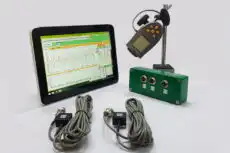
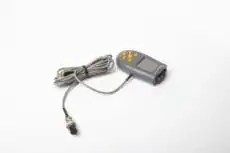
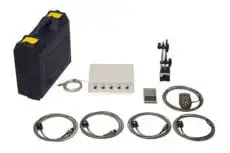
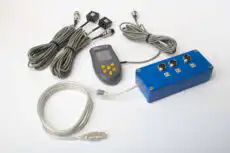
- Ikiwa katika ukaguzi wa shamba (field): kichambuo cha njia mbili chenye kubebeka kama vile Balancet-1A inarekodia wigo wa mzunguko na kasi ya uendeshaji iliyosawazishwa kwenye motor mahali ilipo, na hivyo kurahisisha kutambua kilele cha 2×FL cha steta au vikwazo vya upande wa pembe za pole vinavyotegemea mzigo kabla ya kuamua kufanya uchunguzi wa ndani — na, pale ambapo chanzo halisi kinaonekana kuwa ulinganifu mbaya wa mitambo, kwa kusawazisha rotor kwenye ziara moja moja.
- Thibitisha kwa teknolojia nyingine: matatizo yanaweza kuthibitishwa kwa uchambuzi wa saini ya mkondo wa motor (MCSA) au kwa thermografia ya infrared, ambayo inaonyesha joto la ndani linalosababishwa na vipande vilivyovunjika au laminesheni zilizofupishwa. Ukaguzi wa pamoja dhidi ya familia pana ya motor defects unazuia kuchanganya hitilafu ya umeme na ile ya mitambo.

