Kuelewa Mguu Wenye Nchi Laini
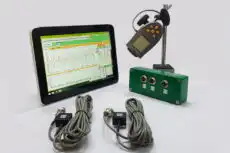

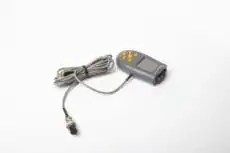
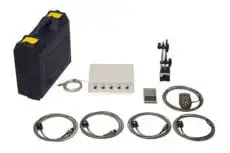
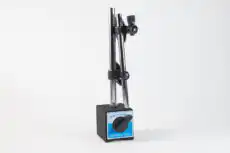

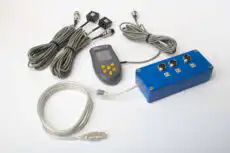
Soft foot ni hali ya kawaida katika machinery inayogeuka ambayo miguu moja au zaidi ya miguu ya kuambatanisha ya mashine inashindwa kufanya mwasiliano kamili na wa gorofa na sehemu ya kuunganisha au msingi walio na kuambatanisha. Wakati bolts za kumfungeza zinafungatwa, fremu au casing ya mashine inazoeza kuzaliwa na kuzaliwa kulingana na eneo la kuambatanisha lenye usawa. Uzaliwa huo unaingiza matatizo makubwa ya ndani, na matatizo hayo ni sababu ya ziada iliyofichiwa ya anuwai inayostaajabia ya matatizo ya kutegemeka — yenye kuongezwa vibration, kushindwa kwa haraka kwa risasi, na kutokuwa na uwezo wa kubaki na usahihi alignment among them.
Ulinganisho rahisi ni kiti kilicho na miguu minne kinachogeuka kwa sababu mguu mmoja ni fupi kidogo. Wakati mtu akaketi juu yake, fremu ya kiti huzunguka hadi miguu yote minne itaguse ardhi. Mashine yenye hali ya mguu laini hunatatia mabadiliko sawa ya fremu kila kila wakati inapounganwa — huku "kiti" ni mkutano sahihi ambaye mihimili ya risasi na shimoni lazima ibaki sawa ndani ya sehemu za millimita.
1. Aina Nne za Mguu Laini
Mguu laini unakuja katika aina nne zilizotambuliwa, na kutambua ipi unayo inakuambia jinsi ya kuirekebisha:
- Mguu laini sawa: aina ya kawaida sana, ambayo mguu mmoja ni fupi tu kuliko nyingine, na kuwacha pengo sawa, sambamba kati ya mguu na sahani ya msingi. Inaboreswa kwa kuongeza shims za unene uliyopimwa.
- Mguu laini wa pembe: hutokea wakati mguu umepigwa au sahani ya msingi ina mteremko, hivyo mguu unagusa kwa pembe. Kufunga bolt inazuia mguu kuzunguka gorofa dhidi ya msingi, na kutengezeana na fremu. Shim iliyozuia au uremachining inahitajika, si rundo sawa.
- Mguu laini laini (unaosababishwa): ilisababishwa na kuoza kupindukia, matope yasikogetshwa, rangi, au shims nyingi sana (zaidi ya nne au tano) chini ya mguu. Wakati bolt inapofungwa nyenzo inayoweza kusibwa huzuia, kutengeneza mguu laini unaobadilikabadika. Chembezi ni kusafisha uso na kuunganisha pakiti ya shim.
- Mguu laini wa nguvu za nje: iliyoundwa na nguvu za nje — matatizo ya bomba, mzunguko, au ubainaji wa muundo — kuvuta au kusukuma kwenye fremu na kuinua mguu kutoka msingi. Hakuna kiwango cha shimming kinachoirekebisha; hamili ya nje iliyokamatwa lazima iwe salama (hii inahusiana sana na maraa ya bomba-iliyosababishwa).
2. Kwa Nini Mguu Laini Ni Tatizo Kubwa
Maraba ya fremu ambayo mguu laini husababisha ni sababu iliyothibitishwa ya hitilafu nyingi za mashine:
- Vibration iliyoongezwa: mafadhaiko ya ndani na maraba kuunda hali inayoandikwa mapema ambayo inaweza kuinua kwa haraka mtetemo, mara kwa mara inaonyeshwa katika running speed (1×) na yake harmonics (2×, 3×, na kadhalika) — ambayo inafanya iwe rahisi kukamatia kwa unbalance au isiwe sawa. Fremu iliyobadilikabadika pia inaweza kupunguza uimara wa muundo kuelekea frame resonance, kuanzisha tatizo.
- Matatizo ya uinamishaji: Usahanifu wa kukamilisha ugawaji ni harakati ya kujifanya wakati kuna mguu wa kawaida. Bila ya kukamatia na kuteleza boliti wakati wa mchakato wa ugawaji, fremu inaendelea kusonga bila kazi, kwa sababu hiyo uchaguzi hautarudia. Kurekebisha mguu wa kawaida ni hali yenye shaka kabla ya usahanifu wa kukamilisha ugawaji — kila kazi ya ugawaji inapaswa kuanza na ukaguzi wa mguu wa kawaida.
- Kushindwa kwa mitambo na mihuri: kupotosha kwa kila uso inapotosha shughuli za kubati, na kuleka mzigo usio sawa kwenye kubati na kusambaza mapema bearing wear na kutofauti. Inaweza pia kuvuta mihiri wazi, na kusababisha kuvuja na mifumo ya msuguano inayohusiana na seal defects.
- Mvutano wa shimoni na shinikizo: kupotosha husababisha kuvimba kwa ndani kwa kubati, ambayo inaweza kupenya shimoni (iliyolazimishwa shaft bow) na kuzidisha shinikizo, kukamata kasoro za shinikizo.
Mguu wa kawaida pia mara nyingi inaunganishwa na hali ya jumla kupungua kwa mitambo and kulegeza kwa mtegea, kwa sababu hiyo utaftaji wa kina unakagua kwa wazo watatu pamoja badala ya kutibu kila mmoja kwa kila mmoja.
3. Jinsi ya Kutambua na Kurekebisha Mguu wa Kawaida
Mguu wa kawaida kawaida hupatikana na kukamatia wakati wa kazi ya usahanifu wa ugawaji, na kuchukua viashiria vya nyumbuzi au a mfumo wa ugawaji wa shimoni kwa laser mfumo. Mchakato una hatua tatu:
- Initial check: na kila boliti iliyotelezwa, songa kigizo cha kukamatia chini ya kila mguu kupata kana kuna pengo linaloonekana. Njia hii ya haraka mara nyingi inaonyesha waathiriwa makubwa kabla ya zana sana hata kuweka mahali.
- Upimaji wa mfumo: kwa matokeo sahihi, kamatia kiashiria cha nyumbuzi (au mchakato wa mguu wa kawaida wa mfumo wa laser) kwa kila mguu. Weka kiashiria kuwa sifuri na boliti kuwa imara, kisha teleza hiyo boliti moja na soma ni kama mguu unasomeka. Kusonga zaidi ya wastani wa 0.05 mm (0.002 in) kawaida inaonyesha mguu wa kawaida unaohitaji kurekebishwa. Teleza boliti moja tu kwa wakati ili kuzitenga michakato ya kila mguu.
- Correction: ongeza kigizo cha ubora wa juu, kilichokatwa hapo awali, cha chuma kisicho na sadidi chini ya mguu wa kawaida kupunguza pengo lililopimwa, kisha kamatia tena. Rudia katika miguu yote hadi kusimamiza boliti moja tu kutengeneza kusonga ndani ya shahada. Weka kigizo la kigizo cha chini — kukamatia kigizo kingi kingi kabisa inajenga mguu wa kawaida unaofanya kazi.
Kalkuleta ambazo zimefanya kazi haraka
Zana mbili za bure zinabadilisha vipimo hivi kuwa hatua za matendo: a kikokotoo cha mguu halisi husaidia kukadiria upinde wa sura kutokana na usomaji wa viashiria vyako, na a kihesabuji cha unene wa shim inabadilisha pengo iliyopimwa kuwa pakiti kamili ya shim ya kukamatia. Baada ya miguu kuwa sawa, a kikokotoo cha uhamaji wa axili ya urekebishaji kinaweka mipaka ya kazi inayoweza kufikiwa kwa sehemu na upinde wa urekebishaji unaofuata.
4. Mguu Halisi katika Utambuzi wa Vibration
Kwa kuwa mguu halisi unakiiga kukosekana kwa uwazani na ujumuisho wa vibaya katika taswira — 1× imara na harmonic — ni njia ya jadi inayokamata wachanganuzi wasiojua. Dalili ya kawaida ni kwamba dalili hubadilika wakati ncha ya bolt ya mguu inapofungwa: ikiwa vibration ya 1× inapungua kwa kasi kadri bolt moja inavyolengezwa, upinde wa sura (si eneo lenye uzani au a bent shaft) inakubaliwa. Uhakikisho wa vitendo ni kukamatia amplitude na awamu na zana ya taraharafu kwa njia mbili za channeli a vibration analyser such as the Balancet-1A kwenye kila kuzuia, kisha fungeza kila bolt ya mguu kwa zamu na tazama jinsi vekta ya 1× inabadilika; mguu unaoboreshen awamu au kuanguka amplitude ni mguu halisi. Kuondoa mguu halisi kwanza kunahakikisha kuwa kazi yoyote ya uwazani au urekebishaji baadaye inapima hali ya rotor ya kweli badala ya kuwingilia na taswira iliyoundwa na sura iliyoharibika na a uimara wa misingi.

