ISO 21940-13:中型與大型轉子現場動平衡標準與防護措施




ISO 21940-13 是規範在機器實際所在位置——即轉子自身軸承與支撐結構內——進行轉子動平衡實務的專門國際標準,也就是 現場或原位動平衡不同。其完整標題為 「機械振動 — 轉子動平衡 — 第 13 部分:中型與大型轉子現場動平衡的標準與防護措施。」 當專用 動平衡機 無法使用時——因為轉子過大、移除成本過高,或僅在實際運轉條件下才會出現異常——本部分闡明了何時現場動平衡是正確選擇以及如何安全執行。它補充了以公差為重點的 ISO 21940-11 (剛性轉子)與 ISO 21940-12 (柔性轉子),通過解決在運轉、已安裝機器上工作的現實問題。
1. 範圍與適用性
該標準為中型與大型轉子的現場動平衡提供了指導方針與安全防護措施,此過程在轉子仍處於其自身軸承與支撐結構中時進行——通常位於其最終運轉位置。實務上,無論轉子表現為 剛性 或 柔性 :決定方法的是整個 轉子-軸承系統的動態特性,而非孤立轉子。該文件是為必須決定、規劃並安全執行現場動平衡活動的技術人員、工程師和管理者編寫的。
2. 標準:何時現場動平衡是合理的
現場動平衡並非每個高 振動,而本章節提供了一套決策框架。該標準列出了幾種適合採用現場平衡的情境:
- 拆卸不切實際或不符經濟效益: 拆下大型渦輪機、發電機或風扇轉子以進行車間平衡,可能成本過高,甚至根本不可行。
- 不平衡僅在運行中才出現: 有些不平衡是由僅在機器運行時才存在的狀況所造成—— 熱變形, 氣動力,或是製程性堆積,例如碎屑與物料黏附在風機葉片上。廠內平衡無法重現這些狀況。
- 重新安裝後的最終微調: 經車間平衡過的轉子可能仍需要 微調平衡 重新組裝回機器之後,以吸收組裝過程所引入的微小偏移。
至關重要的是,該標準堅持必須先確認高振動確實是由 不平衡 ——而非藉由 不對心, 共振,或 機械鬆動,這些問題會模擬或疊加不平衡的訊號特徵。若在對心不良或存在共振的機器上添加配重,不僅浪費時間,還可能使情況惡化。
3. 程序與方法論
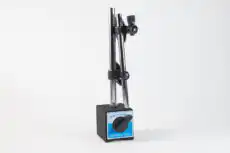
本節是執行此作業的逐步指南。首先說明儀器需求:多通道 振動分析儀 能夠測量振幅與相位,一個或多個振動感測器(相對於軸的接近感測器及/或安裝於機殼的 加速規),以及一個 相位基準感測器 ——通常是光電轉速計或 雷射測速儀 ——在轉軸上設置一個每轉一次的時序標記。
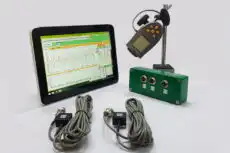
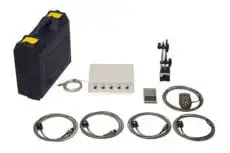
值得注意的是,ISO 21940-13 規定了標準、儀器與安全防護措施,但刻意未規定從測量振動資料計算校正配重所使用的具體方法,將演算法的選擇留給實務操作者。實務上,普遍使用的技術是 影響係數 方法:分析師記錄初始振動向量(振幅與相位),安裝已知的 試重 在已知的角度位置,測量新的「響應」向量,然後利用 向量數學 以計算所需配重的質量與角度 校正配重,根據機器需求在單一平面或兩個平面中應用。這正是便攜式儀器自動化的工作流程: Balanset-1A,一款雙通道現場平衡兼分析儀,能在機器自身軸承上、以運轉轉速測量 1× 幅值與相位,計算影響係數,並針對每個平面回報所需的修正質量與角度——讓工程師無需拆下轉子即可完成平衡與驗證。一台 試重計算器 有助於合理地估算首次試重的大小。
4. 平衡品質評估——依振動而非殘餘不平衡量判斷
此處標準與車間實務之間劃出最重要的區別。車間平衡的目標是達到特定的 剩餘不平衡 由以下標準所推導出的公差 G 級。現場動平衡有著更務實的目標:降低機器的 運轉振動 至可接受的水平。因此,驗收標準並非基於 g·mm 的殘餘不平衡量,而是基於最終振動振幅。標準規定此評估應使用其所參考的配套標準中定義的運轉振動限值—— ISO 7919 用於軸振動,以及 ISO 10816 用於非旋轉部件的振動(兩者現已整合至現代 ISO 20816 系列)。實務目標是將 1× 運轉速度 分量降低,直到機器的整體水平落入可接受的評估區域——A 區或 B 區——以供長期運轉。您可以使用 ISO 20816-1 振動區域計算器.
5. 安全防護與注意事項
可以說,這正是該標準存在的理由所在,因為現場平衡帶有受控工廠環境所沒有的風險——尤其是刻意讓機器在加裝試重的狀態下運轉,而試重有可能飛脫。該標準要求採取嚴謹且有紀錄可循的安全做法:
- 先進行機械檢查: 在任何運轉之前,務必先確認所有緊固件已鎖緊,且所有防護裝置皆已到位。
- 正向配重固定: 試重與校正配重必須牢固固定——焊接、螺栓鎖固,或安裝於專用配重座中——以確保不會變成飛射物。
- 管制進入區域: 在每次測試運行期間,於機器周圍設置封鎖警戒區。
- 清楚的溝通: 平衡分析人員與機器操作人員之間明確無誤的協議規範。
- 緊急停止: 在首次啟動前準備好預先定義並演練過的停機程序。
這種對安全的強調至關重要:在中大型轉子的轉速與質量之下,飛脫的配重或無防護的聯軸器都可能造成嚴重傷害及災難性的設備損壞。
6. 關鍵概念總結
- 現場平衡與車間平衡: 該標準的內容,完全是關於對轉子進行平衡 在機器內,在真實的運轉狀態下校正整個總成,而非在車間的平衡機上進行。
- 振動降低為目標: 成功標準是依據 ISO 7919 / ISO 10816(現已整合為 ISO 20816)達到可接受的運轉振動,而非殘餘不平衡量數值。
- 安全第一: 在運轉中的機器上刻意添加配重,使得文件化的安全防護措施成為不可妥協的要求。
- 影響係數法: 通用的現場技術——測量初始向量,添加已知試重,測量響應,並透過向量數學計算校正量。